



















|
Getting your Trinity Audio player ready...
|
By: Fern Sidman
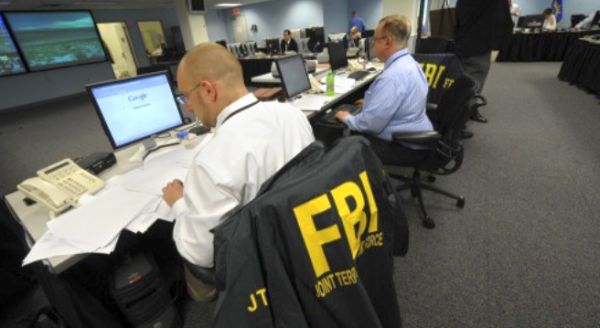
The FBI announced on Tuesday that it is cutting all institutional ties with the Anti-Defamation League (ADL), one of the country’s most prominent Jewish advocacy groups, in a move that signals a dramatic reorientation in how the bureau engages with civil society organizations on issues of extremism, hate, and community security.
The decision, revealed by FBI Director Kash Patel in a bluntly worded post on the social media platform X, has already provoked fierce debate across political and religious communities in the United States. According to a Reuters report, Patel accused the ADL of operating as a partisan “political front masquerading as a watchdog,” adding that the FBI “will no longer embed itself with organizations that undermine its credibility or weaponize public trust.”
The remarks, amplified by Patel’s posting of an image referencing former FBI Director James Comey’s past cooperation with the ADL, underscore what The Times of Israel described as a “sharp and public rupture” between the country’s leading federal law enforcement agency and a century-old Jewish organization that has long sought to shape national debates on antisemitism and hate speech.
The rift was precipitated by a controversy surrounding the ADL’s Glossary of Extremism and Hate, an online resource intended to catalog extremist movements, conspiracy theories, and hate-related organizations. According to the information provided in the Reuters report, the glossary had included an entry on Turning Point USA (TPUSA), the conservative advocacy group founded by slain influencer Charlie Kirk, who was assassinated earlier this month in an unrelated incident that continues to reverberate through American political discourse.
The inclusion of TPUSA ignited a storm of criticism from conservative activists and prominent figures including X owner Elon Musk and Donald Trump Jr., both of whom accused the ADL of pursuing an ideological vendetta rather than maintaining its credibility as a neutral watchdog. Musk went further, branding the ADL itself an “anti-Christian hate group.”
Amid the escalating pressure campaign, the ADL announced on Monday that it had taken the glossary offline. “We are committed to accuracy and fairness,” the organization stated. But the decision failed to quell the controversy and appeared instead to hasten the FBI’s move to formally sever ties.
As The Times of Israel report noted, the FBI’s engagement with the ADL has spanned decades. Under previous directors, particularly during the tenure of James Comey, the bureau maintained close partnerships with the ADL in training programs, intelligence sharing, and community outreach initiatives. Comey himself frequently spoke at ADL events and praised the group for its role in countering extremist violence, even embedding agents with the organization to monitor threats.
Patel made explicit reference to that history in his Tuesday announcement, charging that the Comey-era collaborations amounted to “disgraceful operations spying on Americans.” The message was accompanied by a graphic that appeared to lampoon what Patel called “love letters” from Comey to the ADL.
“This era is over,” Patel declared, insisting that the FBI must “rebuild credibility” by disentangling itself from advocacy groups, even those with long-standing reputations in the Jewish community.
The move carries political undertones that have not gone unnoticed. According to the Reuters report, Patel’s framing of the ADL as a partisan organization dovetails with broader conservative criticisms that the group has over the past decade shifted from a narrow focus on antisemitism to a broader progressive agenda that includes combating Islamophobia, opposing right-wing populism, and engaging in debates over free speech.
Critics on the left argue that by distancing itself from the ADL, the FBI risks sending a dangerous signal amid a documented rise in antisemitic incidents across the United States. The ADL’s own audits have consistently reported record highs in antisemitic assaults, vandalism, and online hate. As The Times of Israel report observed, “the FBI’s disavowal of ADL partnership comes precisely as Jewish communities are pressing for heightened vigilance.”
But supporters of the bureau’s decision counter that the ADL has undermined its own credibility by venturing too far into political debates. Elon Musk’s ongoing feud with the organization — rooted in the ADL’s criticism of his stewardship of X and its role in advertising boycotts — has also contributed to the intensifying polarization around the group’s activities.
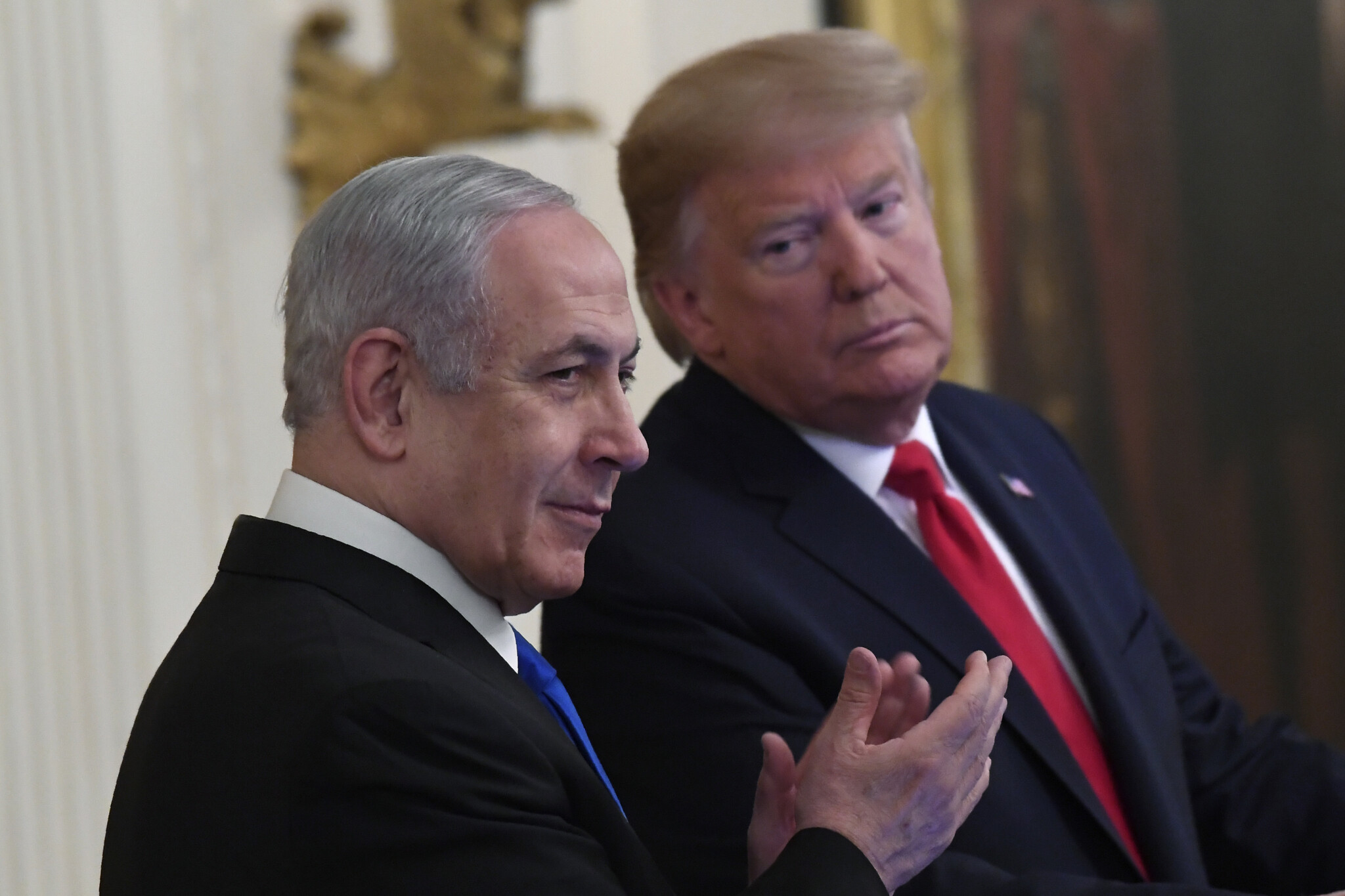
The current administration, led by President Donald Trump, has long signaled skepticism about the ADL’s influence. In recent years, Trump allies have accused the group of unfairly labeling conservative speech and organizations as extremist. Patel’s announcement therefore appears to reflect not only his personal stance but also the broader political climate under Trump’s second administration.
Reuters reported that Trump allies celebrated the FBI’s announcement as overdue. “The ADL has strayed far from its mission,” one senior Republican aide told the outlet, adding that “law enforcement must be impartial, not subcontracted to advocacy groups with partisan goals.”
At the same time, Jewish organizations that have historically worked with the FBI to bolster synagogue security expressed unease. The Times of Israel report cited several community leaders warning that the FBI’s disengagement could erode critical channels of communication at a time of heightened threats.
Founded in 1913, the ADL built its reputation as a defender of Jewish communities against antisemitism, extremism, and hate crimes. Its educational resources, public advocacy, and close partnerships with law enforcement were for decades regarded as cornerstones of Jewish communal security. The group’s database of extremist symbols, for instance, has long been cited in courtrooms, classrooms, and media outlets.
But its expanding remit — from monitoring white supremacist activity to taking positions on campus politics, social justice, and Middle East conflicts — has increasingly drawn fire from critics who claim the ADL’s definition of extremism is too politicized. The TPUSA controversy crystallized those tensions, fueling charges that the organization had blurred the line between objective watchdog and ideological combatant.
For Patel and his allies, that blurring rendered continued FBI partnership untenable. For many in the Jewish community, however, the rupture raises sobering questions about who will fill the gap if longstanding channels of cooperation are dismantled.
The practical implications of the FBI’s decision remain uncertain. As the Reuters report pointed out, the bureau has relied on ADL resources in the past to identify extremist networks, train agents on antisemitism, and liaise with Jewish institutions facing threats. Whether those responsibilities will now shift entirely in-house, or be distributed among alternative partners, is not yet clear.
Patel has promised that “every American community will have the FBI’s protection” and insisted that disengagement from the ADL would not mean a retreat from safeguarding synagogues, Jewish schools, or cultural centers. Yet the symbolic message — a public severing of ties with America’s preeminent Jewish civil rights organization — is already being felt in Washington, Jerusalem, and beyond.
The Times of Israel report emphasized that Israeli officials are monitoring the situation closely, given the ADL’s frequent coordination with Israeli security experts and its role as a transatlantic bridge in counter-extremism strategy.
The FBI’s decision to cut ties with the ADL represents more than an administrative adjustment. It reflects deep currents in American political life, where definitions of extremism and hate are increasingly contested, and where institutions once regarded as impartial are now seen through partisan lenses.
As the Reuters report indicated, the rupture may complicate future cooperation between federal law enforcement and Jewish advocacy groups at a time when antisemitism remains a pressing concern. And as The Times of Israel report noted, the episode illustrates how transnational debates over hate speech, free expression, and political activism are reverberating across the Jewish world.
For now, one thing is clear: a century-old partnership has come to an end, leaving both the FBI and the ADL to navigate an uncertain future on parallel — and perhaps increasingly divergent — tracks.



