









|
Getting your Trinity Audio player ready...
|
By: Max Schleifer
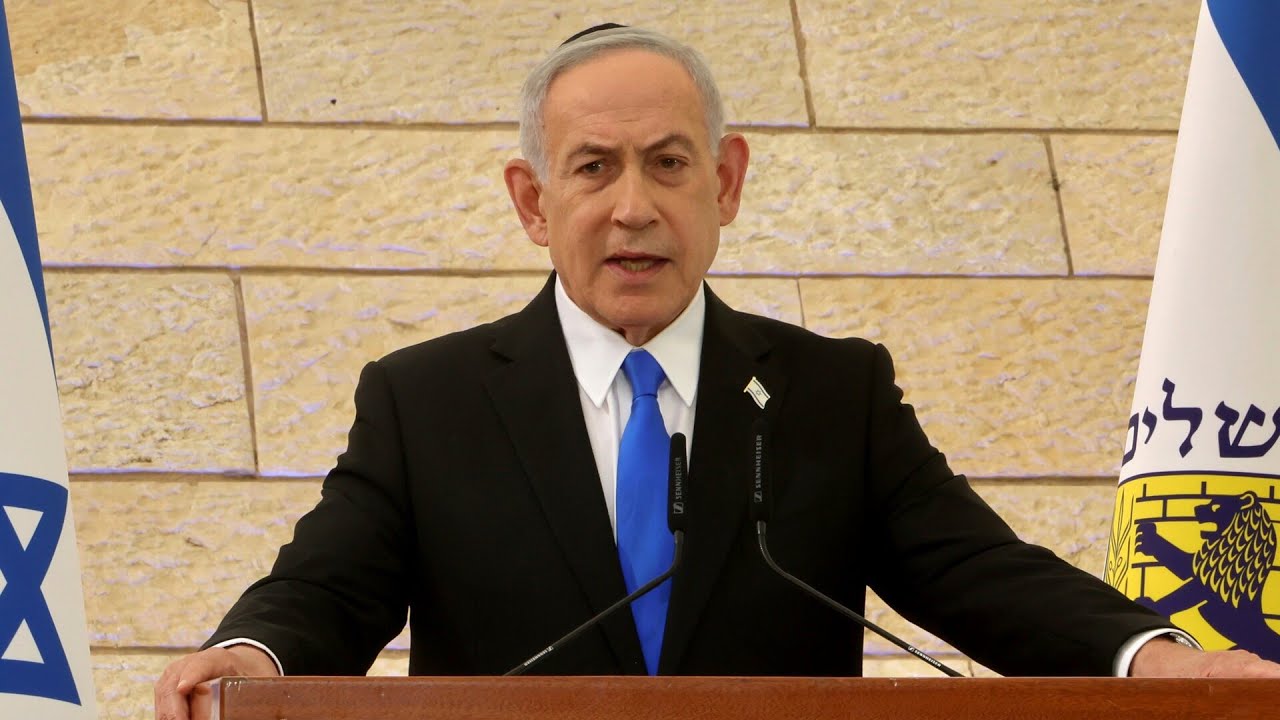
In a candid and consequential assessment of the ongoing confrontation with Iran, Israeli Prime Minister Benjamin Netanyahu has indicated that the Islamic Republic’s enriched uranium stockpiles may ultimately need to be physically removed from its territory—potentially through direct intervention—if diplomatic efforts fail to yield a satisfactory resolution. His remarks, delivered during a high-profile interview and reported on Tuesday by World Israel News, underscore both the progress achieved in recent military operations and the enduring challenges that continue to define the regional security landscape.
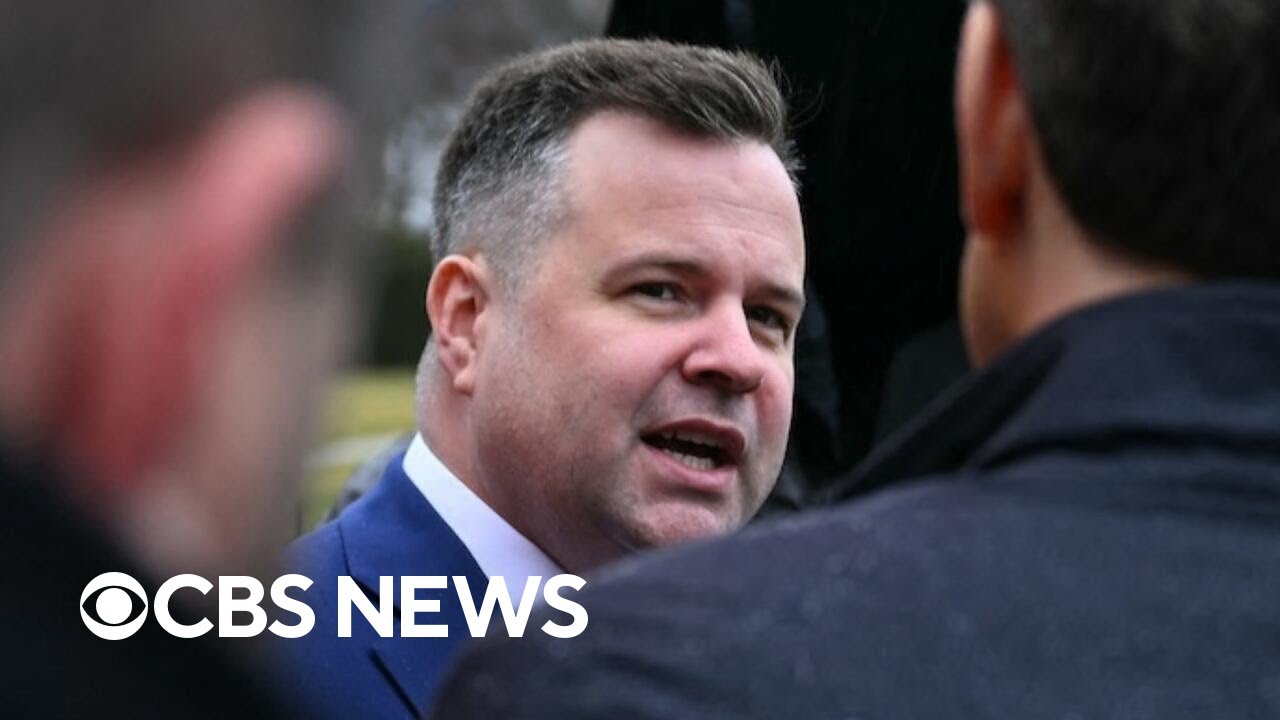
Speaking in an interview with CBS News correspondent Major Garrett on the program “60 Minutes,” Netanyahu articulated a strategic perspective that blends cautious optimism with an unmistakable recognition of unfinished business. While emphasizing that recent operations have significantly degraded elements of Iran’s military and nuclear infrastructure, he was unequivocal in asserting that the threat has not been neutralized.
“There are still enrichment sites that have to be dismantled,” Netanyahu said, as cited by World Israel News. “There are still proxies that Iran supports. There are ballistic missiles they want to produce. Now we’ve degraded a lot of it, but all of that is still there, and there is work to be done.”
This assessment reflects a broader consensus among Israeli security officials that, despite tangible gains, the core components of Iran’s nuclear program remain intact. Central to this concern is the continued existence of uranium enriched to 60%, a level that significantly shortens the technical pathway to weapons-grade material. For Netanyahu, this stockpile represents not merely a technical challenge but an existential one.
In one of the interview’s most striking moments, the Prime Minister addressed the question of how such material might be neutralized. When asked by Garrett how the uranium could be removed, Netanyahu responded with stark simplicity: “You go in, and you take it out.”
The remark, as highlighted in the World Israel News report, has been widely interpreted as a signal that Israel is prepared to contemplate a range of options, including those that extend beyond conventional diplomacy. While Netanyahu stopped short of detailing specific operational plans, the implication was clear: the physical removal of enriched uranium remains a viable consideration should negotiations fail.
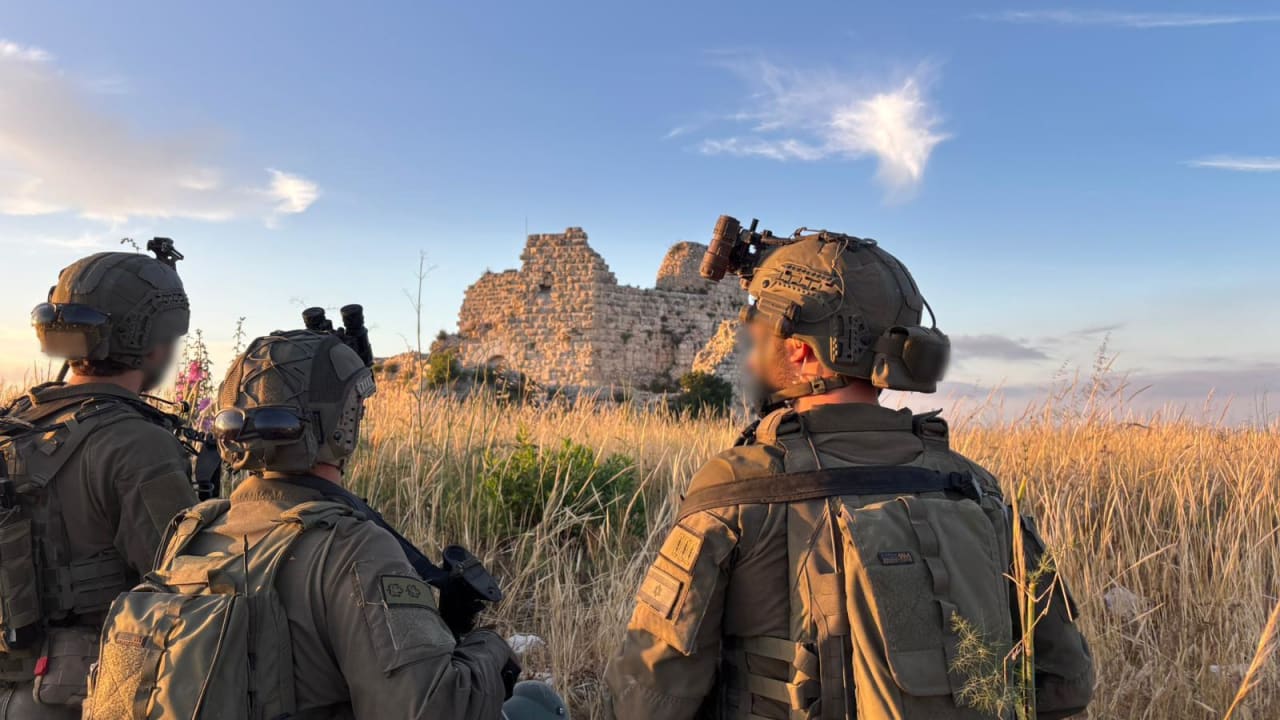
Garrett pressed further, inquiring whether such an operation would involve Israeli or American special forces. Netanyahu, however, declined to elaborate. “Well, I’m not gonna talk about military means,” he replied, maintaining a deliberate ambiguity that is characteristic of discussions involving sensitive security matters.
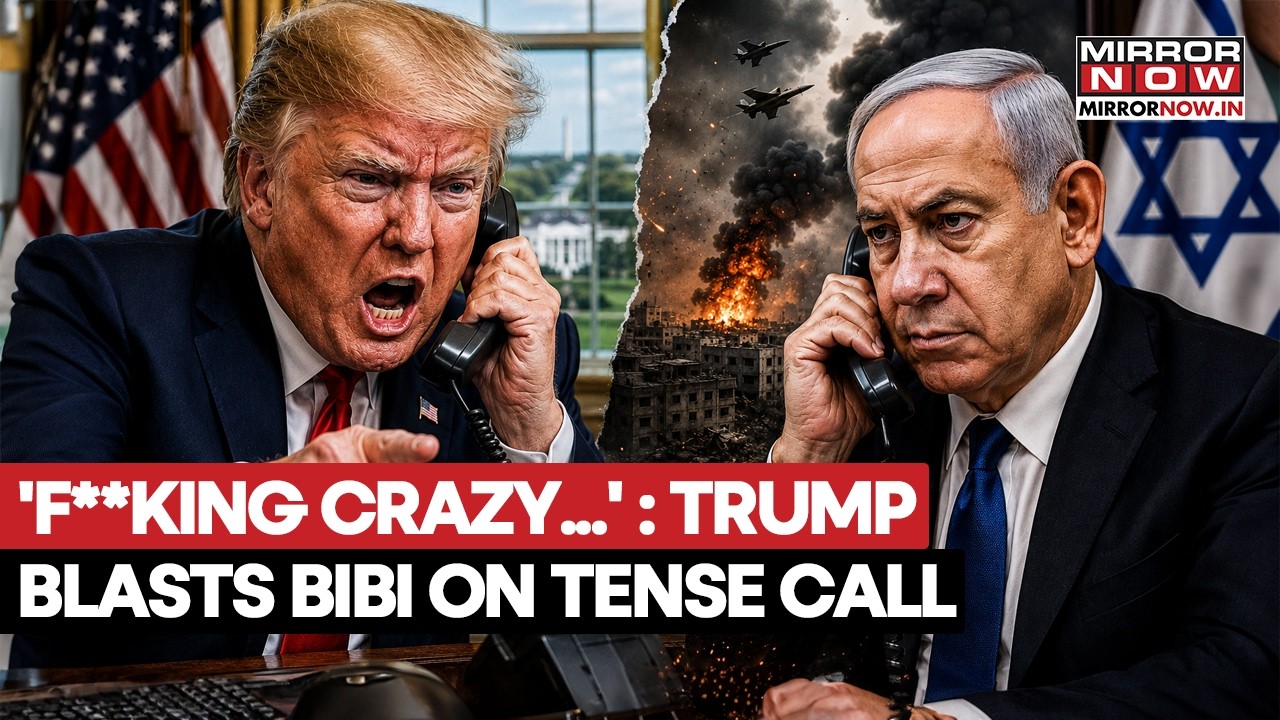
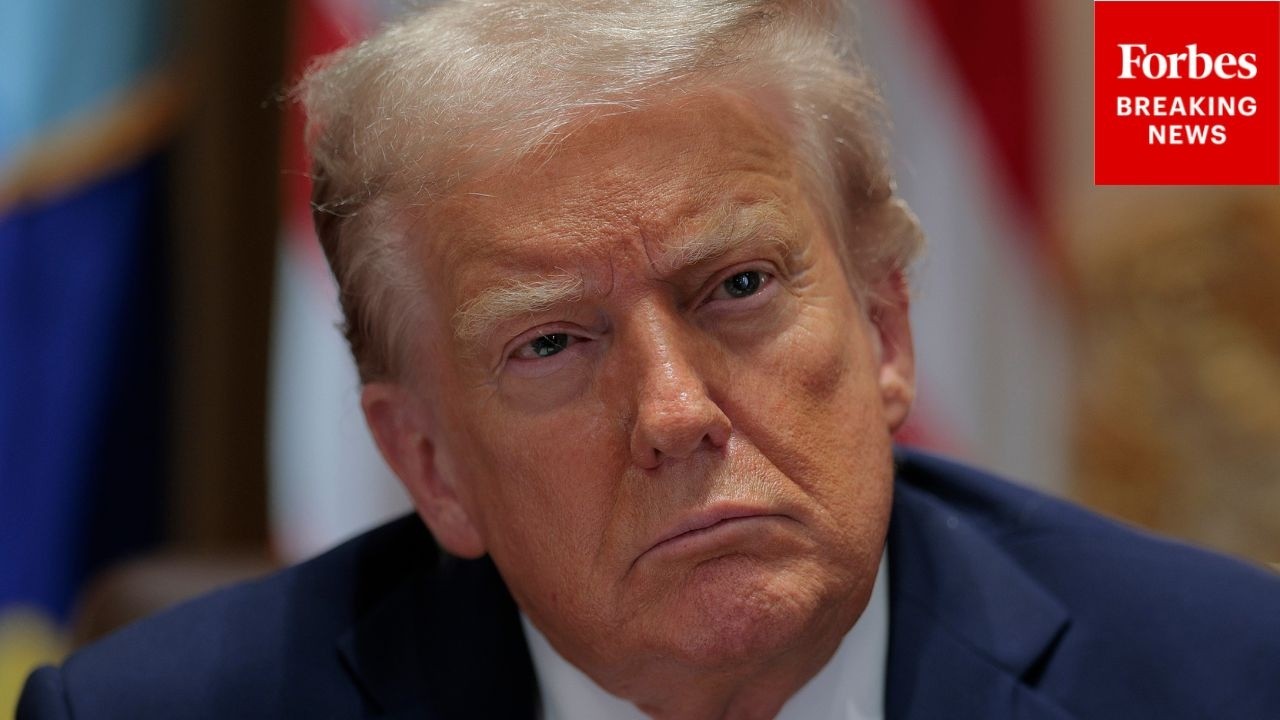
He did, however, allude to ongoing dialogue with President Trump, suggesting a degree of alignment between Washington and Jerusalem on the gravity of the issue. “President Trump has said to me, ‘I want to go in there,’” Netanyahu revealed, a statement that underscores the extent to which the Iranian nuclear question has become a central focus of bilateral strategic discussions.
Despite the firmness of his rhetoric, Netanyahu made clear that a negotiated solution remains the preferred outcome. “If you have an agreement, and you go in and you take it out, why not? That’s the best way,” he said. This formulation reflects a pragmatic approach: while the removal of uranium is deemed essential, the method by which it is achieved remains open to negotiation.
At the same time, the Prime Minister acknowledged the limitations of diplomacy, particularly in light of Iran’s historical reluctance to fully comply with international demands. When asked whether the material could be removed by force in the absence of an agreement, Netanyahu once again refrained from providing specifics. “I’m not gonna talk about our military possibilities, plans, or anything of the kind,” he stated.
The careful calibration of his language—assertive yet non-specific—serves multiple purposes. It reinforces Israel’s determination to address the nuclear threat while preserving operational secrecy and strategic flexibility. It also sends a signal to Tehran that the status quo is untenable, even as it leaves room for diplomatic engagement.
Netanyahu’s broader assessment of the conflict reflects a similar balance. He described the war with Iran as having “accomplished a great deal,” a characterization that aligns with reports of significant damage inflicted on key elements of Iran’s military infrastructure. Yet he was equally clear that the campaign remains incomplete.
The persistence of enrichment facilities, the ongoing production of ballistic missiles, and the continued activity of Iranian-backed proxy groups all contribute to what Netanyahu views as an unfinished strategic equation. Each of these elements, in his view, represents a potential vector for future escalation.
The World Israel News report emphasized that the Prime Minister’s remarks should be understood within the context of a broader regional dynamic, in which multiple actors are simultaneously pursuing overlapping and, at times, competing objectives. The Iranian regime, for its part, has consistently maintained that its nuclear program is intended for peaceful purposes, even as it resists external pressure to curtail enrichment activities.
This divergence in narratives has long complicated efforts to achieve a durable resolution. For Israel, the issue is framed in terms of prevention: ensuring that Iran does not acquire the capability to produce nuclear weapons. For Iran, it is framed in terms of sovereignty and technological development. Bridging this gap has proven to be one of the most intractable challenges in contemporary diplomacy.
The question of timing further complicates the picture. Netanyahu did not provide a timetable for any potential future operation targeting Iran’s uranium stockpiles, a decision that likely reflects both operational considerations and the fluid nature of the diplomatic process. The absence of a defined timeline, however, does little to diminish the urgency conveyed in his remarks.
Indeed, the Prime Minister’s comments suggest that the window for a purely diplomatic solution may be narrowing. While he continues to express a preference for negotiation, his willingness to contemplate more assertive measures indicates a readiness to act should circumstances require it.
The implications of such a stance are far-reaching. Any operation aimed at physically removing enriched uranium from Iran would carry significant risks, including the potential for broader regional escalation. It would also require a level of coordination and precision that underscores the complexity of modern military operations.
Yet for Netanyahu, the stakes appear to justify the risks. The prospect of a nuclear-armed Iran is, in his view, unacceptable—a position that has long been a cornerstone of Israeli policy. By articulating this position in such unequivocal terms, he is both reaffirming a longstanding doctrine and adapting it to the realities of the current moment.
The central question remains unresolved: can diplomacy achieve what military action seeks to prevent? Netanyahu’s remarks suggest that while the answer is not yet clear, the consequences of failure are too significant to ignore.
In the final analysis, the Prime Minister’s message is one of determination tempered by pragmatism. The objective—eliminating the nuclear threat—remains constant. The means by which it is achieved, however, will depend on a complex interplay of diplomacy, strategy, and circumstance.
“There is work to be done,” Netanyahu said. In those few words lies the essence of the current moment: a recognition of progress made, an acknowledgment of challenges remaining, and an unwavering commitment to addressing one of the most consequential security issues of our time.



