



















|
Getting your Trinity Audio player ready...
|
By: Max Schleifer
A tenuous ceasefire between Israel and Lebanon came under renewed strain Thursday evening after Hezbollah launched a salvo of rockets toward the Israeli community of Shtula in the western Galilee. The attack, though ultimately thwarted by Israeli air defense systems, has once again underscored the fragility of the current truce and the persistent volatility along one of the region’s most sensitive frontiers.
According to a report on Thursday by Israel National News, the rockets were successfully intercepted before causing damage or casualties, marking a tactical success for Israel’s defensive infrastructure. Yet, the strategic implications of the incident extend far beyond the immediate outcome, raising urgent questions about the durability of ongoing diplomatic efforts and the intentions of actors operating outside formal state control.
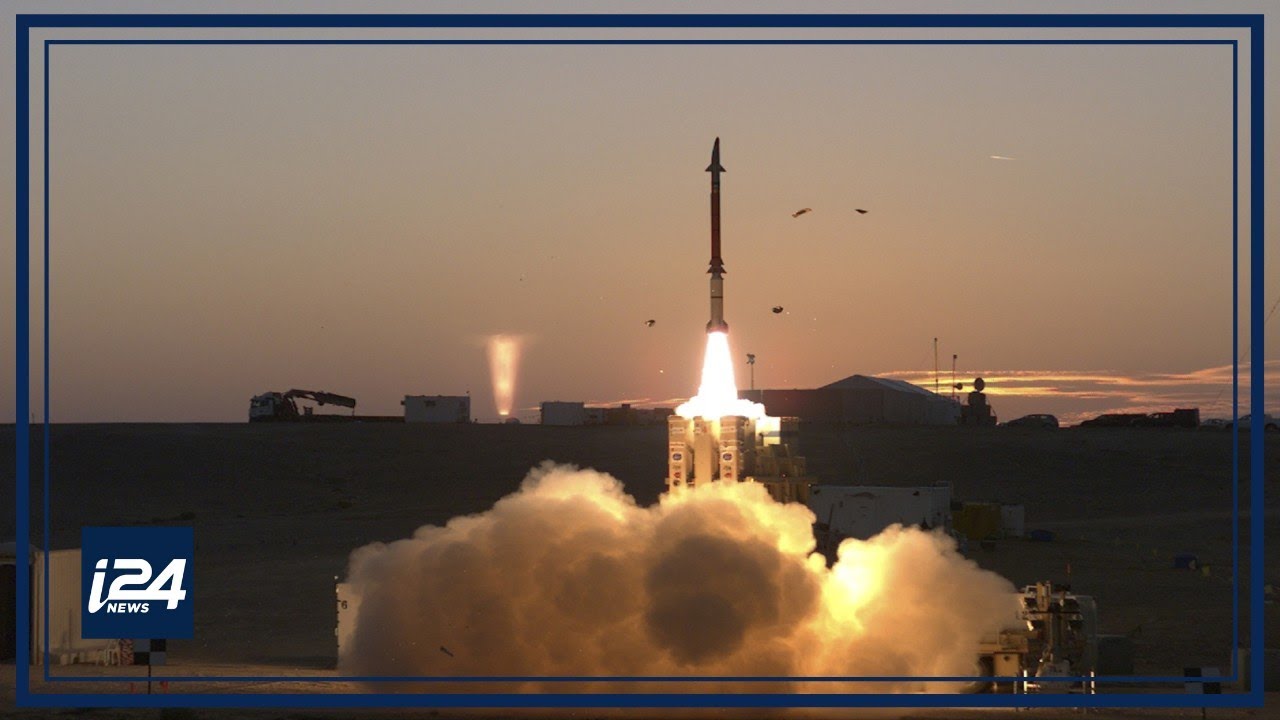
The Israel Defense Forces confirmed that multiple projectiles had crossed into Israeli territory from southern Lebanon, triggering air raid sirens in the affected area. In an official statement, the military indicated that the launches were identified promptly and neutralized in accordance with established defense protocols.
“The Israeli Air Force intercepted the launches,” the statement noted, emphasizing the effectiveness of the country’s layered missile defense systems. Sirens were activated to alert residents, allowing for precautionary measures to be taken even as the threat was being addressed.
The absence of physical damage or injuries stands as a testament to the operational readiness of Israeli forces. However, as the Israel National News report highlighted, such incidents cannot be evaluated solely on their immediate consequences. Each violation of the ceasefire carries the potential to escalate tensions and undermine the broader framework of de-escalation.
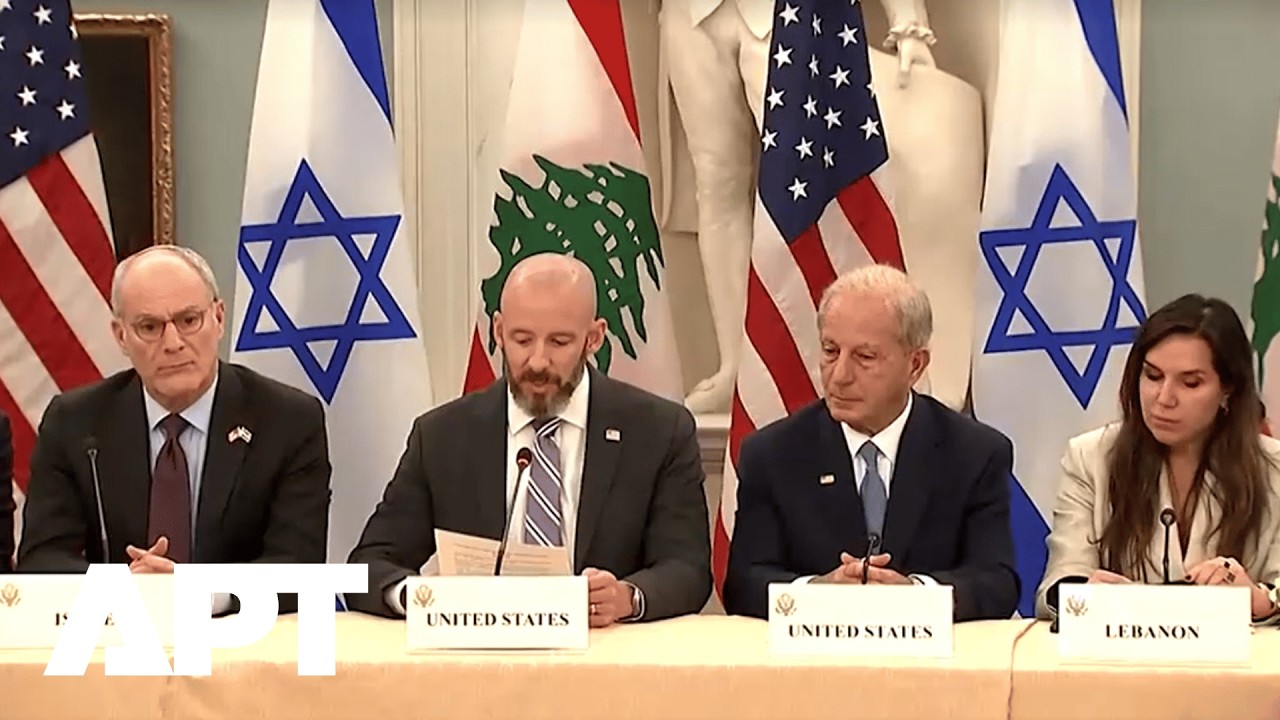
The timing of the rocket attack is particularly significant. It occurred as Israeli and Lebanese representatives were engaged in a second round of talks in Washington, aimed at stabilizing the situation and exploring pathways toward a more enduring resolution.
These discussions build upon an initial round of negotiations held earlier in the month, which culminated in a ten-day truce brokered by the United States. The current ceasefire, while extending that arrangement, remains inherently provisional, dependent on the compliance of all parties involved.
The juxtaposition of diplomatic engagement and military provocation highlights the complex interplay between negotiation and conflict. While state representatives pursue dialogue, non-state actors such as Hezbollah continue to operate according to their own strategic calculations, often independent of, or even in opposition to, official policy.
The latest rocket fire is not an isolated event but part of a broader pattern of ceasefire violations attributed to Hezbollah. Since the inception of the truce, multiple incidents have been reported, prompting a series of retaliatory actions by Israeli forces.
Israel National News has documented these developments extensively, noting that each violation incrementally erodes confidence in the ceasefire’s viability. The repeated nature of the attacks suggests either a deliberate strategy to test the limits of the agreement or an inability of Lebanese authorities to exert effective control over armed groups within their territory.
In response to such provocations, Israel has maintained a policy of targeted retaliation, striking positions and infrastructure associated with Hezbollah. These actions are framed within the context of self-defense, a right explicitly acknowledged in the ceasefire framework established by the United States.
The ceasefire agreement, as outlined by the U.S. State Department, includes provisions that allow Israel to respond to imminent threats. This clause reflects a recognition of the realities on the ground, where the presence of armed non-state actors complicates efforts to achieve a comprehensive cessation of hostilities.
At the same time, the inclusion of such provisions introduces a degree of ambiguity. Determining what constitutes a legitimate threat and an appropriate response can be subject to interpretation, potentially leading to differences in implementation.
Israel National News reported that this ambiguity has been a point of contention, with critics arguing that it may inadvertently facilitate a cycle of action and reaction. Supporters, however, contend that it is a necessary safeguard in an environment where violations are likely to occur.
Hezbollah has been openly critical of the decision by Lebanese authorities to engage in direct negotiations with Israel. The organization has accused the government of making concessions without securing broad political or public consensus, framing the diplomatic process as a departure from established principles.
This position reflects deeper divisions within Lebanon’s political landscape, where questions of war and peace are often contested among competing factions. While the Lebanese government has emphasized its authority to conduct negotiations, its ability to enforce agreements remains constrained by the influence of groups such as Hezbollah.
The divergence between state policy and non-state action presents a significant challenge to the success of any diplomatic initiative. As the Israel National News report noted, the effectiveness of the ceasefire ultimately depends on the alignment—or at least the non-interference—of all relevant actors.
In contrast to Hezbollah’s stance, Lebanese officials have reiterated their commitment to the diplomatic track, emphasizing that decisions regarding conflict and negotiation rest solely with the state. They have framed the talks as an effort to spare the country further suffering, particularly in light of the economic and social pressures it faces.
This position underscores the government’s interest in stability and its recognition of the costs associated with prolonged conflict. However, translating this intent into practical outcomes remains a formidable challenge, given the complex dynamics of internal politics and external pressures.
The events surrounding the Shtula incident serve as a microcosm of the broader tensions that define the Israel–Lebanon relationship. Despite periodic efforts at de-escalation, the underlying issues remain unresolved, creating a persistent risk of renewed conflict.
The region’s strategic significance further amplifies these concerns. Developments along the northern border are closely monitored by regional and international actors, given their potential to influence the broader security landscape.
The Israel National News report emphasized that the current moment represents a critical juncture, where the interplay of diplomacy and military action will shape the trajectory of the conflict in the coming weeks.
The interception of Hezbollah’s rockets may have prevented immediate harm, but it has also illuminated the precarious nature of the ceasefire. The incident serves as a reminder that agreements on paper must contend with realities on the ground, where competing interests and unresolved grievances continue to drive behavior.
For Israel, the commitment to self-defense remains paramount, guiding its response to any perceived threat. For Lebanon, the challenge lies in reconciling internal divisions while pursuing a path toward stability. For the United States and other mediators, the task is to sustain a diplomatic process in the face of ongoing disruptions.
As reported by Israel National News, the situation remains fluid and uncertain. The coming days will be crucial in determining whether the ceasefire can withstand further tests or whether the region will once again be drawn into a cycle of escalation.
In this delicate balance between restraint and response, the stakes could not be higher. The preservation of peace—however fragile—depends on the willingness of all parties to navigate the complexities of the moment with caution, resolve, and a recognition of the profound consequences of failure.



