











|
Getting your Trinity Audio player ready...
|
By: Fern Sidman
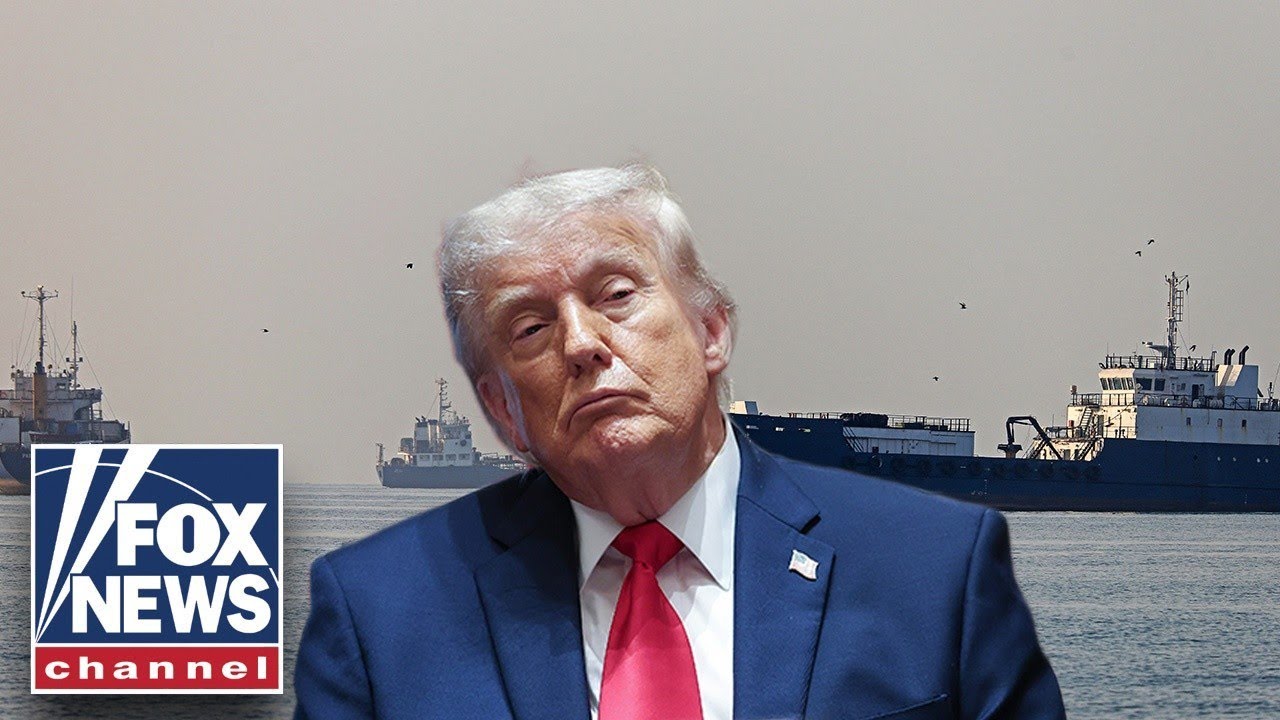
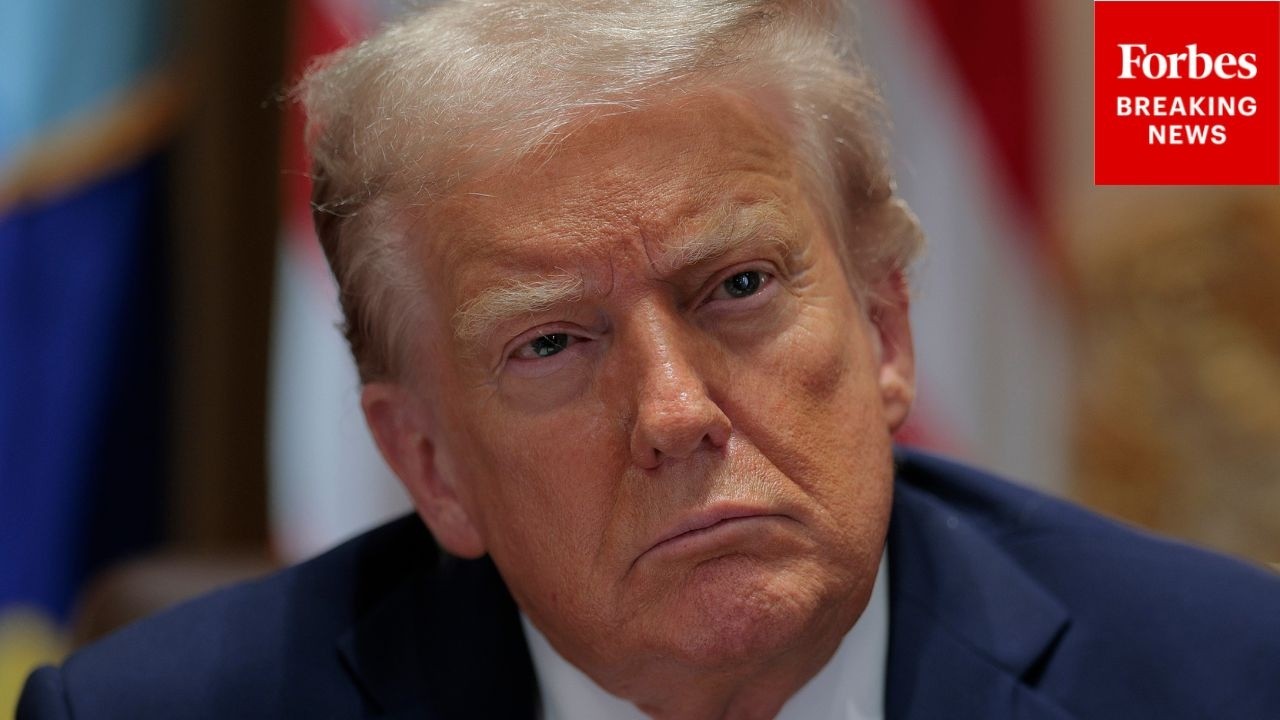
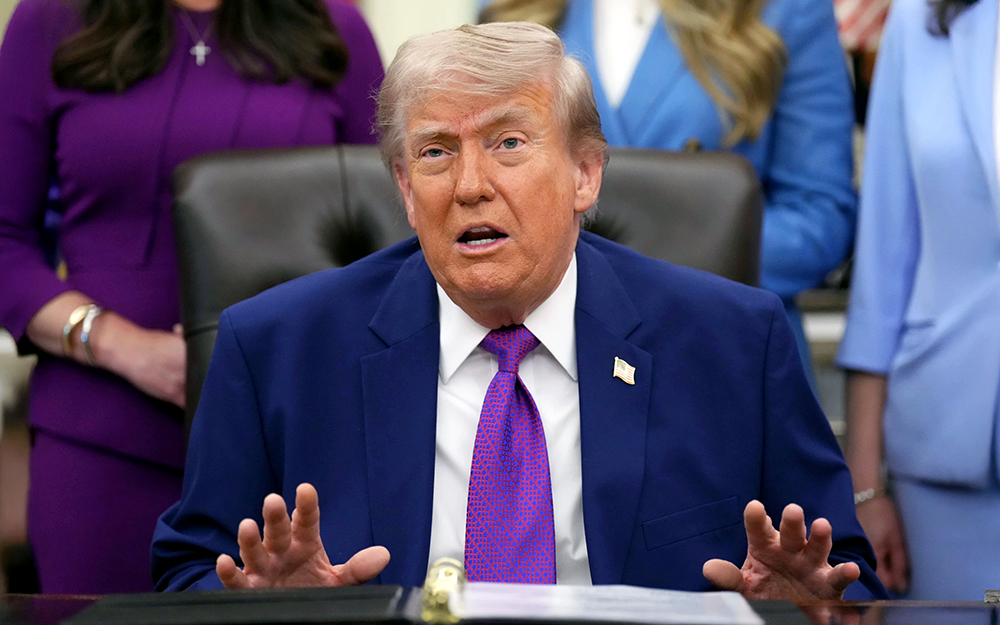
President Donald Trump declared on Monday that the fragile ceasefire between the United States and Iran is effectively “on life support,” delivering a stark assessment of the deteriorating diplomatic landscape following Washington’s rejection of Tehran’s latest proposal. According to an Associated Press report the Iranian submission—while reportedly containing limited nuclear concessions—failed to meet the administration’s expectations and has further strained an already tenuous truce.
Speaking from the White House, Trump conveyed unmistakable frustration with the contents of the proposal, characterizing it in dismissive terms and suggesting it fell far short of the substantive commitments Washington had sought. “I would call it the weakest right now after reading that piece of garbage they sent us,” the president said, adding pointedly, “I didn’t even finish reading it.” The remarks underscore the widening gulf between the two sides as negotiations falter under the weight of competing strategic imperatives.
The impasse carries significant implications not only for regional stability but also for the global economy. As the AP report noted, the combination of stalled diplomacy and recent military exchanges raises the prospect of a renewed escalation into open conflict across the Middle East. Such an outcome would likely exacerbate an already acute energy crisis, fueled in part by Iran’s continued control over the Strait of Hormuz—a critical maritime artery through which a substantial share of the world’s oil and natural gas supplies transit.
Compounding the volatility is the United States’ ongoing blockade of Iranian ports, a measure designed to constrain Tehran’s economic capabilities but one that has also intensified global supply disruptions. In response to rising fuel costs linked to the conflict, Trump floated a domestic policy initiative aimed at mitigating the burden on American consumers, proposing a temporary suspension of the federal gas tax.
At the core of the diplomatic deadlock lies a fundamental disagreement over the scope and sequencing of any potential agreement. The Trump administration has insisted upon a comprehensive rollback of Iran’s nuclear activities, viewing such concessions as indispensable to long-term regional security. Tehran, by contrast, has advanced a more incremental approach, advocating for an initial arrangement that would reopen the Strait of Hormuz and ease economic restrictions prior to engaging in broader negotiations.
In his remarks, Trump accused Iran of retreating from previously indicated positions regarding its nuclear program. He claimed that Iranian representatives had earlier suggested a willingness to permit U.S. involvement in the extraction of highly enriched uranium, only to omit such provisions from their formal proposal. “They changed their mind because they didn’t put it in the paper,” he asserted, highlighting inconsistency in Tehran’s negotiating posture.
Iranian officials, however, have maintained a consistent public stance, emphasizing their country’s sovereign right to enrich uranium and insisting that its nuclear program is conducted exclusively for peaceful purposes. This divergence in narratives has further complicated efforts to bridge the gap between the two sides.
For the United States, the central aim remains the long-term neutralization of Iran’s nuclear capabilities, a goal that necessitates verifiable and enforceable measures extending beyond temporary or partial adjustments.
The current moment thus represents a precarious juncture in U.S.-Iran relations. The ceasefire, already fragile, now appears increasingly vulnerable to collapse. Trump’s characterization of the agreement as being on “life support” reflects not only the immediate state of negotiations but also the broader uncertainty surrounding the path forward.
In a revealing glimpse into the intensifying geopolitical and economic strain gripping the Islamic Republic, new reporting indicates that Iran has sought to secure a temporary arrangement with the United States aimed at reopening the strategically indispensable Strait of Hormuz. According to detailed accounts cited in a report on Monday by World Israel News, the initiative underscores both the mounting domestic pressures within Iran and the enduring centrality of the nuclear issue in shaping Washington’s negotiating posture.
At the heart of the emerging diplomatic standoff lies a fundamental divergence in priorities. Tehran, confronting acute shortages and escalating economic dislocation, has advanced a proposal centered on a short-term ceasefire—reportedly lasting approximately 1 month—that would facilitate immediate relief through the gradual reopening of the Strait. Washington, however, has rebuffed the overture, insisting that any meaningful de-escalation must be anchored in substantive commitments regarding Iran’s nuclear ambitions.
According to the information provided in the World Israel News report, Iranian officials framed their proposal as an urgent necessity driven by deteriorating internal conditions. The Islamic Republic’s oil infrastructure, a cornerstone of its economy, is reportedly under severe strain due to the inability to export crude. Officials warned that limited storage capacity has raised the specter of environmental catastrophe, with fears that excess oil could leak from overburdened facilities. Satellite imagery, as referenced in the report, allegedly reveals the presence of a significant oil slick near Kharg Island, lending credence to these concerns.
Beyond the energy sector, the humanitarian dimension of Iran’s predicament has grown increasingly dire. Tehran has pointed to a worsening shortage of essential goods, attributing the crisis to the effective blockade on maritime traffic entering its ports. “The situation inside the country is deteriorating,” Iranian officials conveyed in diplomatic contacts, as cited in the World Israel News report. They warned of “a real risk of hunger” in certain regions, highlighting the gravity of the unfolding crisis.
The economic toll extends across multiple sectors. Reports indicate that unemployment has surged beyond 50%, a staggering figure that reflects both the contraction of traditional industries and the collapse of newer, technology-driven sectors. Even among those who remain employed, wages have reportedly diminished to subsistence levels, exacerbating the financial hardship facing ordinary citizens. The United States Treasury Department has corroborated aspects of this assessment, confirming that many civil servants have not received their salaries, further underscoring the depth of the fiscal crisis.
Compounding these challenges is the plight of Iran’s self-employed workforce. Intelligence assessments cited by World Israel News suggest that individuals reliant on internet-based commerce and advanced industries have experienced a precipitous decline in income, effectively rendering large segments of this population economically inactive. This erosion of economic vitality has intensified pressure on Tehran’s leadership to secure immediate relief.
Against this backdrop, Iran’s proposal to reopen the Strait of Hormuz emerges as both a tactical and strategic maneuver. The waterway, through which a substantial portion of global energy supplies transit, represents a critical lifeline for the Iranian economy. By advocating for its gradual reopening, Tehran seeks not only to alleviate domestic shortages but also to reassert its role within the international energy market.
Yet Washington’s response has been unequivocal. The United States has rejected Iran’s request to begin reopening the Strait to Iranian shipping, citing the absence of meaningful concessions on the nuclear issue. As a senior American official explained to World Israel News, “any agreement with Iran will ultimately be tested on the nuclear question.” This position reflects a broader strategic calculus in which economic pressure is viewed as the principal lever for achieving long-term objectives.
The American stance is further informed by concerns regarding internal divisions within the Iranian regime. According to the report, previously discussed understandings on the nuclear issue have become entangled in a dispute between Iran’s political leadership and senior commanders of the Islamic Revolutionary Guard Corps. This internal discord has, in turn, prevented the inclusion of definitive nuclear commitments in Tehran’s formal response.
“The understandings appear to be at the center of a dispute,” the U.S. official noted, emphasizing that any agreement must be durable and enforceable across all factions of the Iranian power structure. This insistence on unity of purpose within Tehran reflects a recognition that partial or contested commitments would lack credibility and could be reversed under shifting political dynamics.
Despite its rejection of Iran’s broader proposal, Washington has signaled a willingness to consider limited humanitarian measures. According to the information contained in the World Israel News report, U.S. officials have expressed openness to allowing ships carrying essential goods—such as wheat, medicine, and medical equipment—to pass through the Strait under carefully monitored conditions. Additionally, there is consideration of releasing a portion of Iran’s frozen assets, provided that strict oversight mechanisms are in place to ensure that the funds are used exclusively for humanitarian purposes.
At the same time, the United States is intensifying its financial campaign against the Islamic Revolutionary Guard Corps. The Treasury Department has expanded efforts to identify and seize accounts linked to the IRGC, with the aim of exerting pressure on its leadership. American officials believe that targeting the financial interests of senior IRGC figures could incentivize a more conciliatory stance, potentially bridging the gap between competing factions within the Iranian regime.
This dual-track approach—combining targeted relief with sustained economic pressure—reflects Washington’s broader strategy of leveraging its position to secure comprehensive concessions. The naval blockade, in particular, remains a critical instrument in this strategy, constraining Iran’s ability to export oil and access international markets.
From Tehran’s perspective, however, the urgency of the domestic situation necessitates immediate action. The proposed temporary ceasefire and phased reopening of the Strait represent an attempt to stabilize the economy while creating space for more substantive negotiations. Yet without corresponding concessions on the nuclear issue, the likelihood of securing American approval remains uncertain.
The impasse underscores the intricate interplay between economic imperatives and strategic objectives. For Iran, the reopening of the Strait of Hormuz is essential to averting further deterioration of its domestic conditions. For the United States, maintaining pressure is indispensable to achieving the long-term goal of neutralizing the Iranian nuclear threat.
As World Israel News has consistently highlighted, the outcome of these negotiations will have far-reaching implications not only for the two principal actors but also for the broader international community. The Strait of Hormuz, a vital artery of global commerce, remains a focal point of geopolitical tension, and any disruption to its operation carries significant consequences for energy markets and economic stability worldwide.
In the final analysis, the current moment represents a delicate and precarious juncture. Tehran’s overture, driven by mounting internal pressures, reflects a recognition of the limits of its current position. Washington’s response, grounded in strategic considerations, speaks volumes about the enduring centrality of the nuclear issue. Between these competing imperatives lies a narrow path toward de-escalation—one that will require not only diplomatic dexterity but also a convergence of interests that has thus far remained elusive.
For now, the Strait of Hormuz remains both a symbol and a battleground of this complex confrontation—a reminder that in the realm of international relations, economic realities and strategic ambitions are often inextricably intertwined.
Trump-Xi Summit in Beijing Set to Spotlight Iran
As President Trump prepares for a high-stakes diplomatic engagement in Beijing, senior American officials have signaled that Iran will occupy a central place in discussions with Chinese President Xi Jinping. According to a report that appeared on Monday at The Jewish News Syndicate (JNS), Washington anticipates that “the conversation will continue” regarding Beijing’s multifaceted relationship with Tehran, particularly as the geopolitical landscape grows increasingly fraught.
The forthcoming summit, scheduled to commence with Trump’s arrival in Beijing on Wednesday evening local time, represents a convergence of competing priorities: efforts to stabilize global trade relations, ongoing tensions over China’s strategic partnerships, and the intensifying conflict involving Iran and Western powers. Yet among these, it is Iran—its economic lifelines, military capabilities, and regional posture—that is expected to dominate the agenda.
Senior U.S. officials, speaking in remarks cited in the JNS report, underscored the breadth of concerns animating Washington’s approach. The discussions between the two leaders are expected to address “revenue China provides to Iran, as well as dual-use goods, components and parts, not to mention the potential of weapons exports.” These elements, officials argue, form a critical nexus through which Beijing’s support may be sustaining Tehran’s operational resilience amid mounting international pressure.
The structured itinerary of the visit reflects both ceremonial diplomacy and substantive negotiation. Trump is slated to participate in a formal welcome ceremony and a bilateral meeting with Xi on Thursday morning, as confirmed by White House spokeswoman Anna Kelly. The leaders are also expected to engage in symbolic cultural diplomacy, including a joint visit to the Temple of Heaven, followed by a state banquet hosted by Xi. The dialogue will extend into Friday with a bilateral tea and working lunch, providing additional opportunities for detailed policy discussions.
While the optics of the visit emphasize cooperation, the underlying dynamics reveal a more complex interplay of competition and leverage. The Trump administration has, in recent days, taken concrete steps to signal its dissatisfaction with China’s role in supporting Iran. As JNS reported, Washington imposed sanctions on three Chinese firms accused of providing satellite imagery that enhanced Iran’s surveillance capabilities targeting U.S. forces in the Middle East.