
















|
Getting your Trinity Audio player ready...
|
By: Fern Sidman
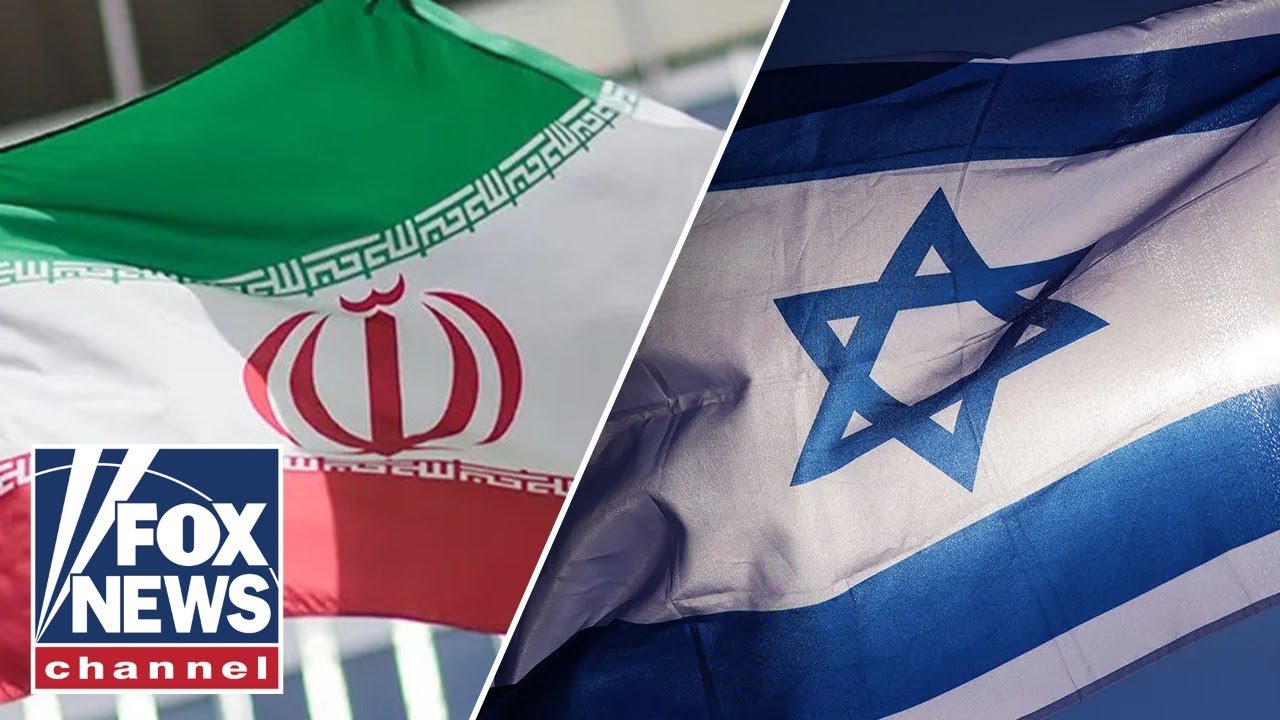
In a sharply worded and unmistakably urgent message that has reverberated across diplomatic and military circles, President Trump escalated tensions with Iran on Sunday evening, issuing a direct and ominous warning that underscored the fragility of the current geopolitical pause. As reported on Sunday by Israel National News, the President’s remarks—delivered via his Truth Social platform—have intensified speculation that the United States, potentially in coordination with Israel, may be preparing for a renewed phase of confrontation with the Iranian regime.
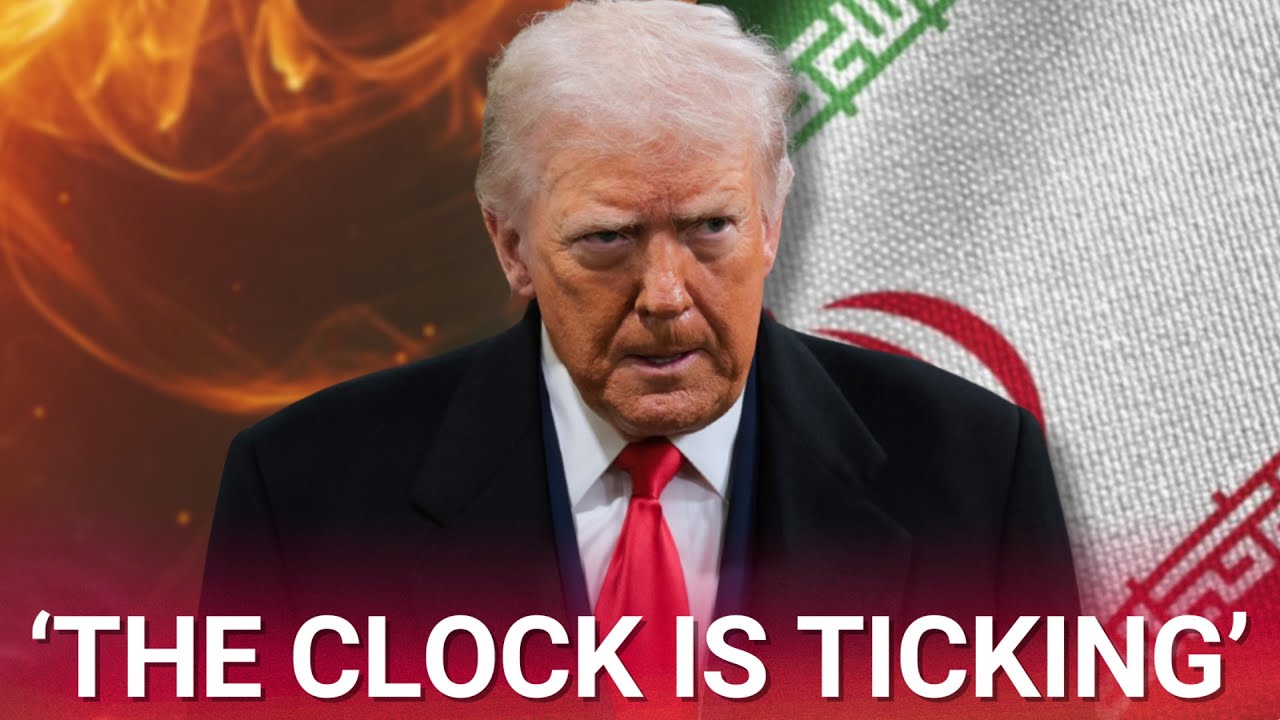
“For Iran, the Clock is Ticking, and they better get moving, FAST, or there won’t be anything left of them. TIME IS OF THE ESSENCE! President DJT,” Trump wrote, in a statement that combined urgency with an unmistakable tone of warning. The phrasing, stark and unambiguous, reflects a growing impatience within the administration as diplomatic efforts appear increasingly strained.
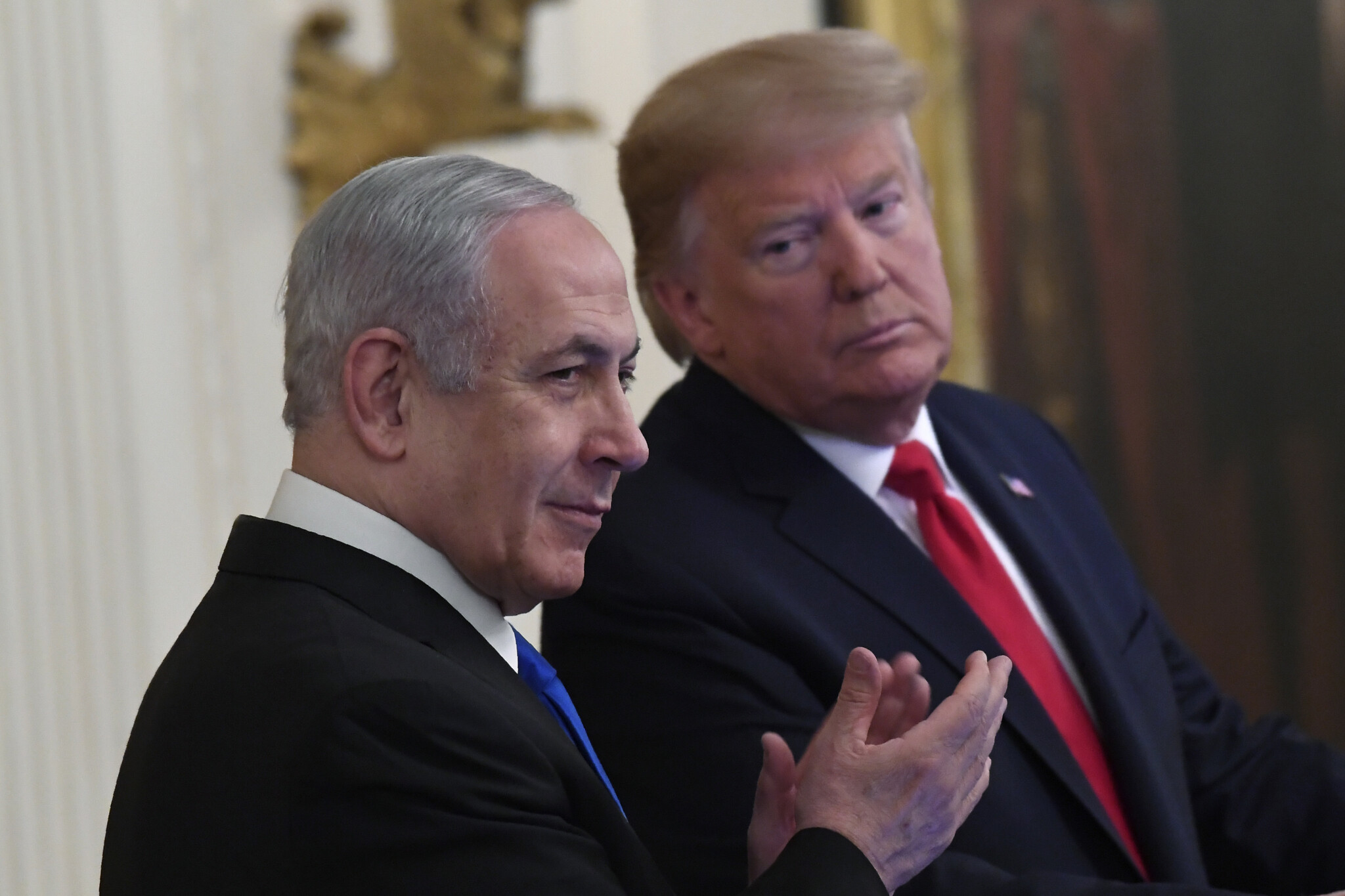
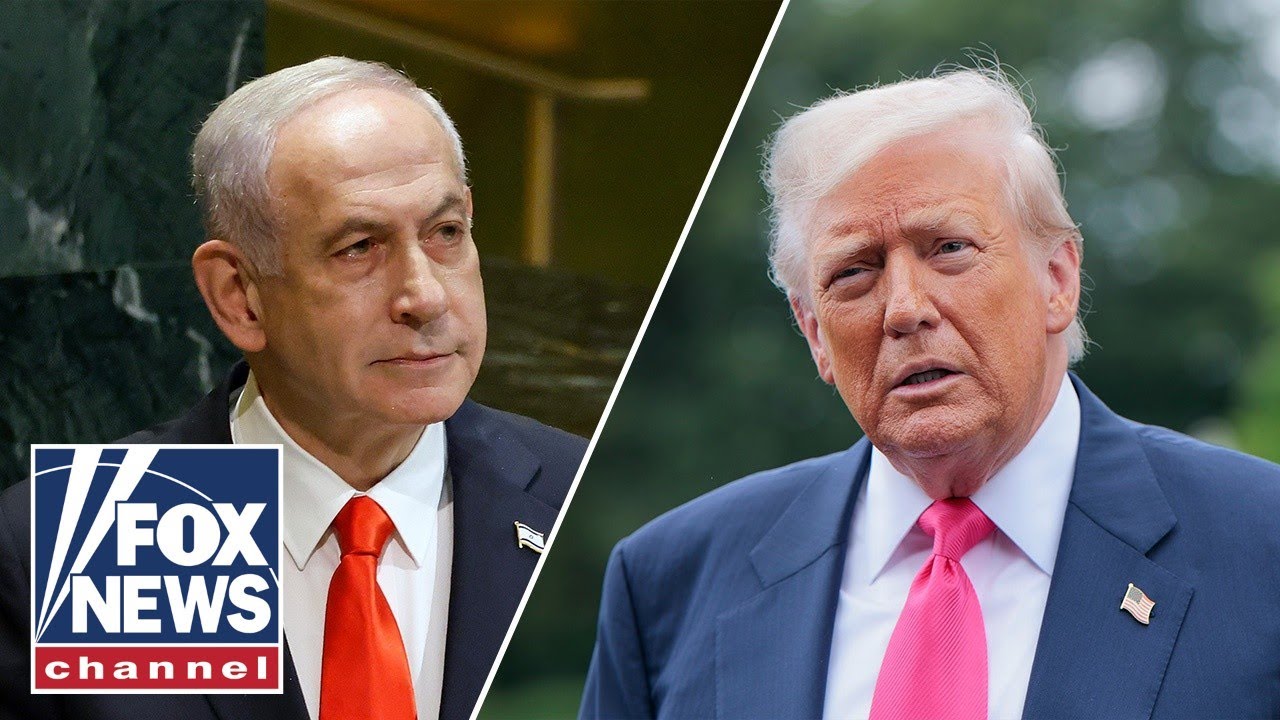
According to the information provided in the Israel National News report, the timing of the President’s statement is particularly significant. The message was published shortly after a high-level phone conversation between Trump and Israeli Prime Minister Benjamin Netanyahu, a discussion that reportedly lasted more than 30 minutes and focused heavily on the prospect of renewed military engagement against Iran.
While the precise details of the conversation have not been publicly disclosed, sources cited by Israel National News indicate that both leaders are actively assessing the strategic landscape and weighing their options. The dialogue reportedly centered on the feasibility, timing, and scope of potential military action, as well as the degree of coordination required between Washington and Jerusalem should hostilities resume.
A diplomatic source, speaking to Israel National News, provided a candid assessment of the current situation, emphasizing the pivotal role of the United States in determining the next phase of events. “Trump needs to make a decision,” the source said. “Once he decides to resume fighting we must be prepared, because it is highly likely he will ask Israel to join him in continuing the campaign.”
This statement underscores the interconnected nature of U.S.-Israeli strategic planning, particularly in the context of Iran’s regional influence and nuclear ambitions. For Israel, the prospect of a nuclear-capable Iran has long been regarded as an existential threat, necessitating a posture of readiness and, if required, preemptive action.
The Israel National News report consistently highlighted the centrality of this concern in Israeli security doctrine. The possibility that Washington may soon move from diplomatic engagement to military enforcement has therefore placed Israeli defense officials on heightened alert, with preparations reportedly underway for a range of contingencies.
Further amplifying the sense of urgency, Israel National News cited reporting from Axios indicating that President Trump is expected to convene a high-level meeting with his national security team in the White House Situation Room on Tuesday. The purpose of the meeting, according to U.S. officials quoted in the report, is to evaluate a spectrum of military options in response to Iran’s current posture.
The convening of the Situation Room—a setting traditionally reserved for the most critical national security deliberations—signals the gravity of the moment. Such meetings typically involve senior military commanders, intelligence officials, and key members of the administration, reflecting a comprehensive approach to decision-making that integrates strategic, operational, and diplomatic considerations.
The context surrounding these developments is one of mounting tension and diminishing patience. As Israel National News has reported, previous diplomatic efforts aimed at de-escalating the conflict and addressing Iran’s nuclear ambitions have encountered significant obstacles. Tehran’s responses to proposed agreements have been characterized by skepticism in Washington, with concerns focusing on verification mechanisms and the long-term enforceability of any commitments.
President Trump’s latest statement appears to reflect this frustration. The phrase “the Clock is Ticking” conveys not only urgency but also a sense that the window for negotiation may be closing. His warning that “there won’t be anything left of them” if Iran fails to act swiftly introduces a stark consequence, suggesting that military action remains a viable and increasingly likely option.
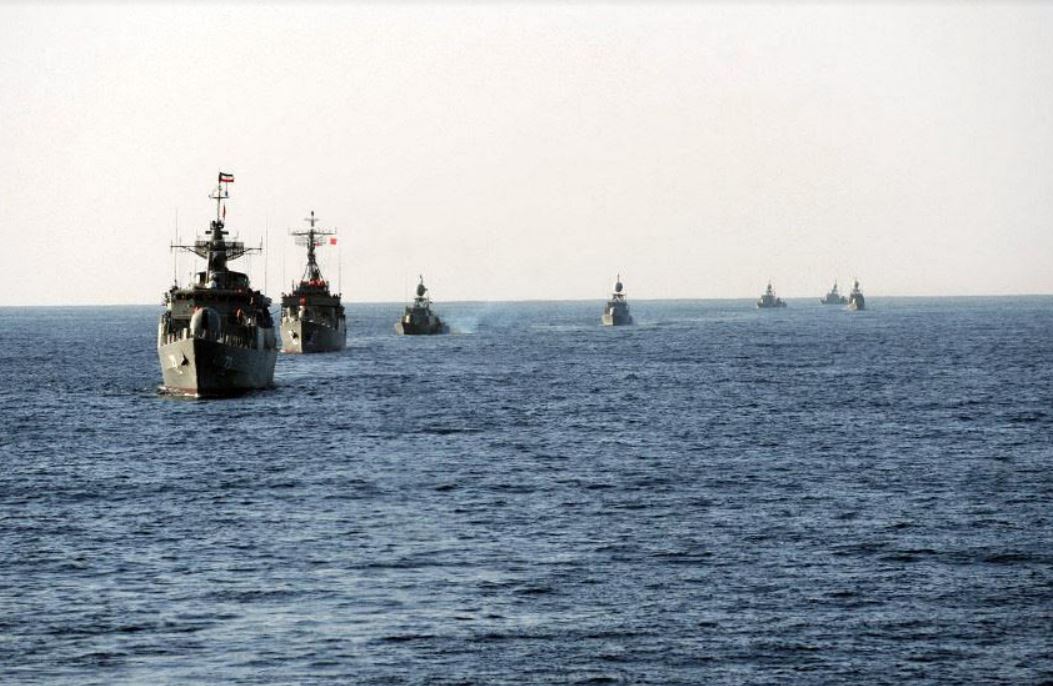
The strategic implications of such a shift are profound. A renewed military campaign against Iran would not be confined to bilateral engagement between the United States and Tehran. Rather, it would likely involve a broader regional dynamic, encompassing Iran’s network of allied militias and proxy forces, as well as critical maritime routes and strategic infrastructure.
The Israel National News report noted that any escalation would carry significant risks, including the potential for retaliation against Israeli and American targets, disruptions to global energy markets, and heightened instability across the Middle East. At the same time, proponents of a firmer stance argue that decisive action may be necessary to prevent Iran from advancing its nuclear capabilities.
The coordination between Washington and Jerusalem is therefore of paramount importance. The reported conversation between Trump and Netanyahu suggests a high degree of alignment, with both leaders recognizing the need for a unified strategy. The diplomatic source cited by Israel National News emphasized this point, indicating that Israel stands ready to act in concert with the United States if called upon.
This readiness is not merely rhetorical. Over the past several years, Israel has developed a sophisticated array of military capabilities designed to address threats emanating from Iran and its proxies. These include advanced air defense systems, precision strike capabilities, and extensive intelligence networks.
The potential for joint operations raises additional considerations, including the allocation of resources, the coordination of command structures, and the management of international responses. Israel National News has highlighted that such cooperation would likely be closely scrutinized by allies and adversaries alike, shaping perceptions of both nations’ strategic intentions.
At the diplomatic level, the unfolding situation also intersects with broader global dynamics. Iran’s relationships with major powers, its role in regional conflicts, and its position within international institutions all contribute to the complexity of the issue. The decisions made in Washington and Jerusalem will therefore have implications that extend far beyond the immediate theater of operations.
President Trump’s communication style, characterized by its directness and reliance on public platforms, has played a significant role in shaping the narrative. His use of Truth Social to deliver a message of such consequence reflects a broader trend in which strategic signals are conveyed not only through formal channels but also through widely disseminated public statements.
The impact of this approach is twofold. On one hand, it allows for rapid communication and the projection of resolve. On the other, it introduces an element of unpredictability, as statements made in the public domain can influence perceptions and reactions in real time.
The Israel National News report observed that the President’s latest post fits within this pattern, combining rhetorical intensity with strategic ambiguity. While the message clearly signals dissatisfaction with Iran’s current position, it leaves open the question of what specific actions will follow.
As the anticipated Situation Room meeting approaches, attention will focus on the deliberations within the administration and the decisions that emerge from them. The range of options under consideration is likely to include targeted strikes, broader military engagement, and continued diplomatic pressure, each with its own set of risks and potential outcomes.
For now, the situation remains fluid, characterized by a delicate balance between restraint and escalation. President Trump’s warning has injected a new sense of urgency into the discourse, underscoring the stakes involved and the potential for rapid change.
In the words of the President himself, as cited by Israel National News, “TIME IS OF THE ESSENCE.” Whether this moment will lead to renewed conflict or a last-minute diplomatic breakthrough remains uncertain. What is clear, however, is that the decisions made in the coming days will have far-reaching consequences, shaping the trajectory of U.S.-Iran relations and the broader geopolitical landscape for years to come.



