




















Northern Israel Under Alert as Iranian Missile Barrages Trigger Sirens Amid Escalating Regional Tensions
By: Fern Sidman
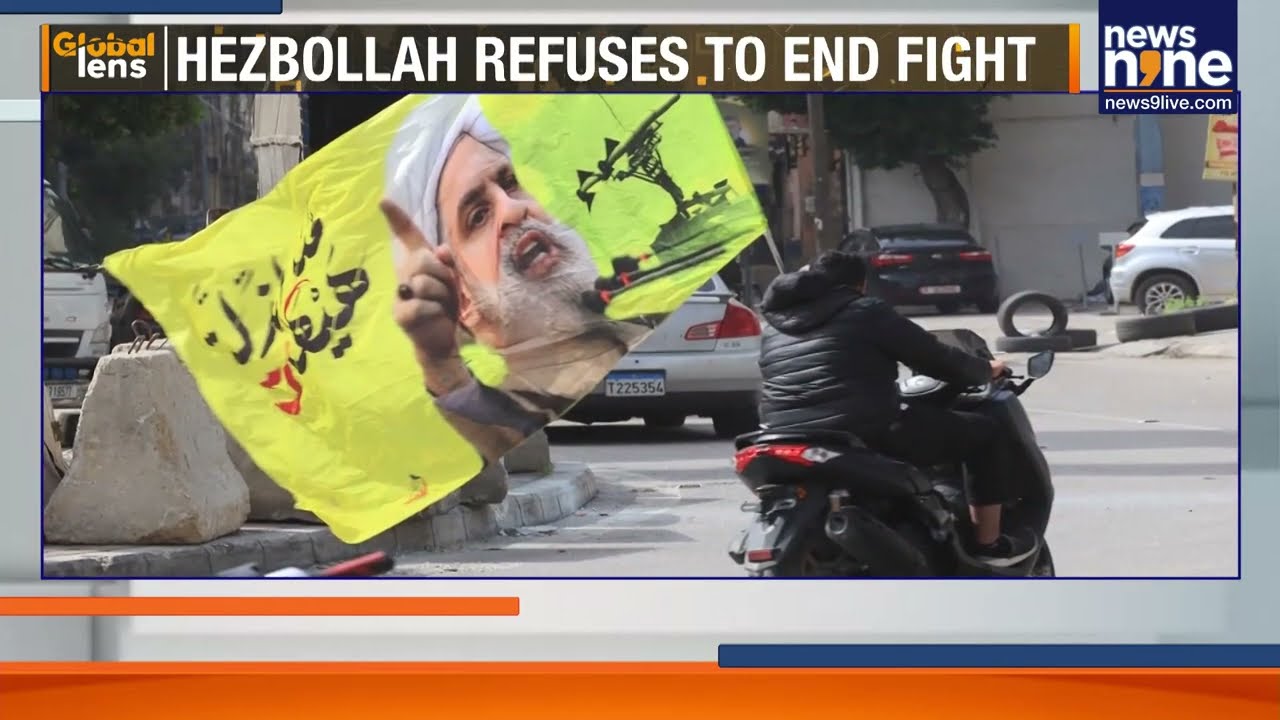
Northern Israel was thrust into a heightened state of emergency on Sunday evening after missile sirens echoed across multiple communities following a series of launches attributed to Iran, marking a dramatic escalation in an already volatile regional confrontation that has intensified in the aftermath of an Israeli strike in Beirut’s Dahieh district.
According to reports carried by Israel National News, the missile alerts were activated after several barrages were launched toward Israeli territory, prompting immediate defensive measures and triggering a nationwide reassessment of security preparedness. The developments unfolded against a backdrop of increasingly hostile rhetoric emanating from senior Iranian officials, mounting military deployments throughout the region, and growing concerns regarding the possibility of a broader regional conflict.
Israel National News reported that during the initial barrage, four missiles were launched toward northern Israel. Israeli defense systems successfully intercepted all incoming projectiles, preventing reported casualties or direct impacts during that specific attack.
The interceptions nevertheless underscored the gravity of the situation confronting Israeli defense planners, who had already elevated readiness levels following intelligence assessments indicating the possibility of retaliation after Israeli military activity in Lebanon.
Only a short time before the missile launches, the Israel Defense Forces issued a statement indicating that, following a detailed situational assessment conducted after the Beirut strike, military leaders were preparing for the possibility of hostile fire directed at Israeli territory.
According to the Israel National News report, military officials stated that defensive deployments had been reinforced and that operational forces remained on the highest levels of alert. The military emphasized that it was preparing simultaneously for a wide spectrum of defensive and offensive contingencies.
Senior commanders reportedly remained engaged in continuous consultations as events unfolded. At the center of those discussions was IDF Chief of Staff Lieutenant General Eyal Zamir, who, according to Israel National News, was conducting ongoing assessments alongside senior military leadership as intelligence and operational developments continued to emerge. The rapidly evolving situation generated immediate consequences throughout Israel.
One of the most significant developments involved the temporary suspension of civilian aviation activity. Israel National News reported that Israeli airspace was halted and operations at Ben Gurion Airport were suspended amid concerns regarding the expanding security threat. The closure reflected the seriousness with which authorities viewed the possibility of additional missile attacks and broader military escalation.
Simultaneously, reports indicated that multiple United States Air Force aerial refueling aircraft were departing from Israel as military preparations intensified. Although officials did not publicly elaborate on the specific operational significance of those movements, the development fueled widespread speculation regarding potential future military responses should hostilities continue to escalate.
The missile launches occurred amid reports that multiple waves of ballistic missiles had been fired toward Israel within a relatively short timeframe. Israel National News reported that the launches represented one of the most significant periods of military tension since the current confrontation entered its latest phase.
As the military situation deteriorated, civilian authorities moved swiftly to strengthen domestic preparedness measures. The Home Front Command announced a substantial tightening of defensive guidelines affecting the entire country. According to the Israel National News report, Israel was moved into a stricter national alert posture under what officials described as an expanded orange-level policy.
The implications of the decision extended into virtually every aspect of public life. Educational activities were among the first sectors affected. Education Minister Yoav Kisch announced that, in accordance with Home Front Command directives, schools throughout the country would remain closed.
The Jerusalem-based education system, schools in central Israel, northern communities, and southern municipalities alike would all be subject to the same restrictions. Israel National News reported that matriculation examinations were also canceled, reflecting the government’s determination to prioritize public safety amid uncertainty regarding future attacks. The closure of educational institutions represented one of the clearest indicators that officials were preparing for a potentially prolonged security crisis rather than a brief and isolated exchange.
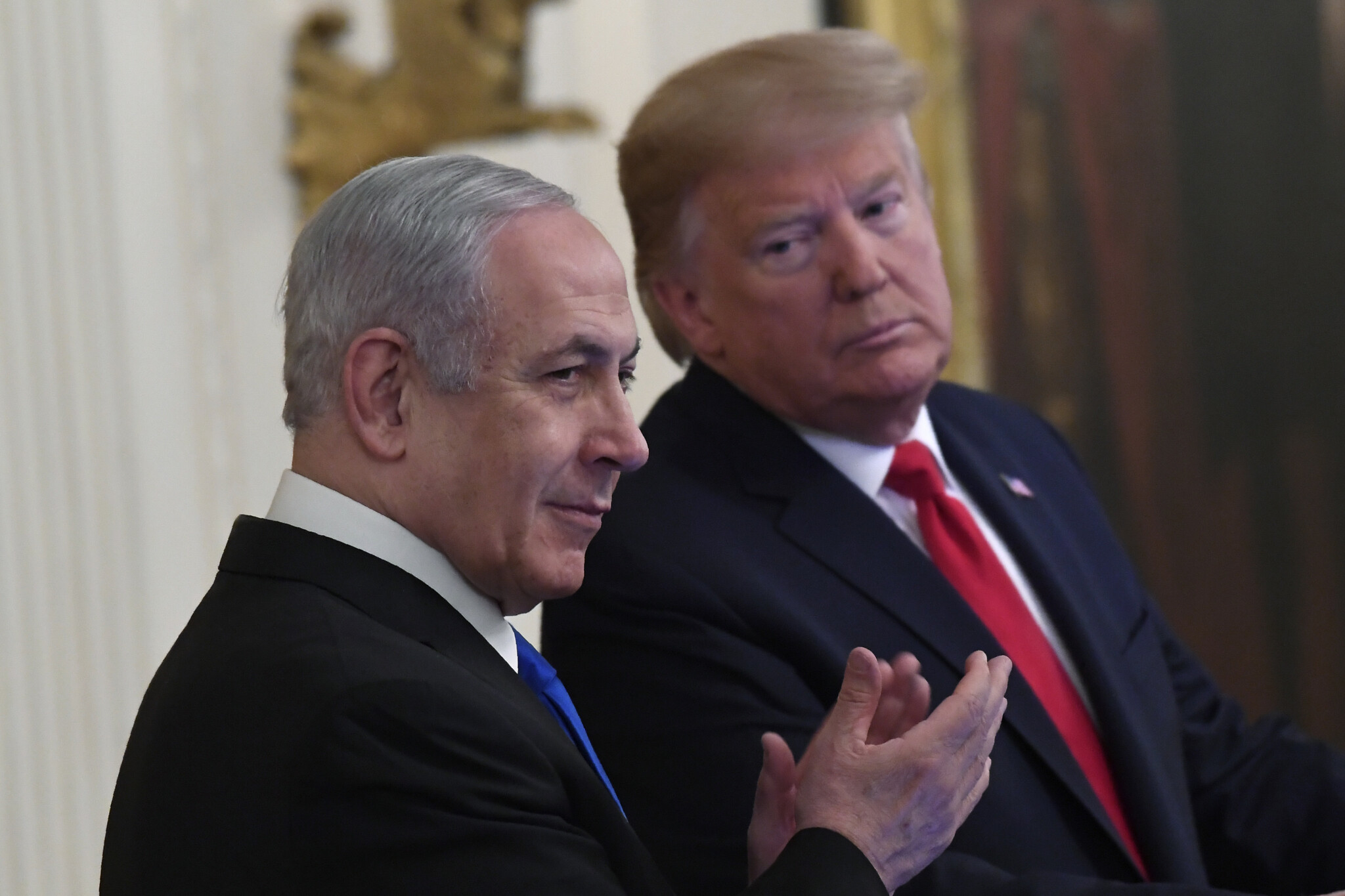
Meanwhile, Israel’s political leadership convened urgent consultations. Prime Minister Benjamin Netanyahu reportedly held a limited security consultation on Sunday evening together with Defense Minister Israel Katz and senior defense officials. According to the Israel National News report, the meeting was convened specifically in response to the strike in Beirut and the subsequent threats issued by senior Iranian officials. The discussions occurred as military and intelligence agencies attempted to assess the likelihood, scale, and timing of any additional Iranian response.
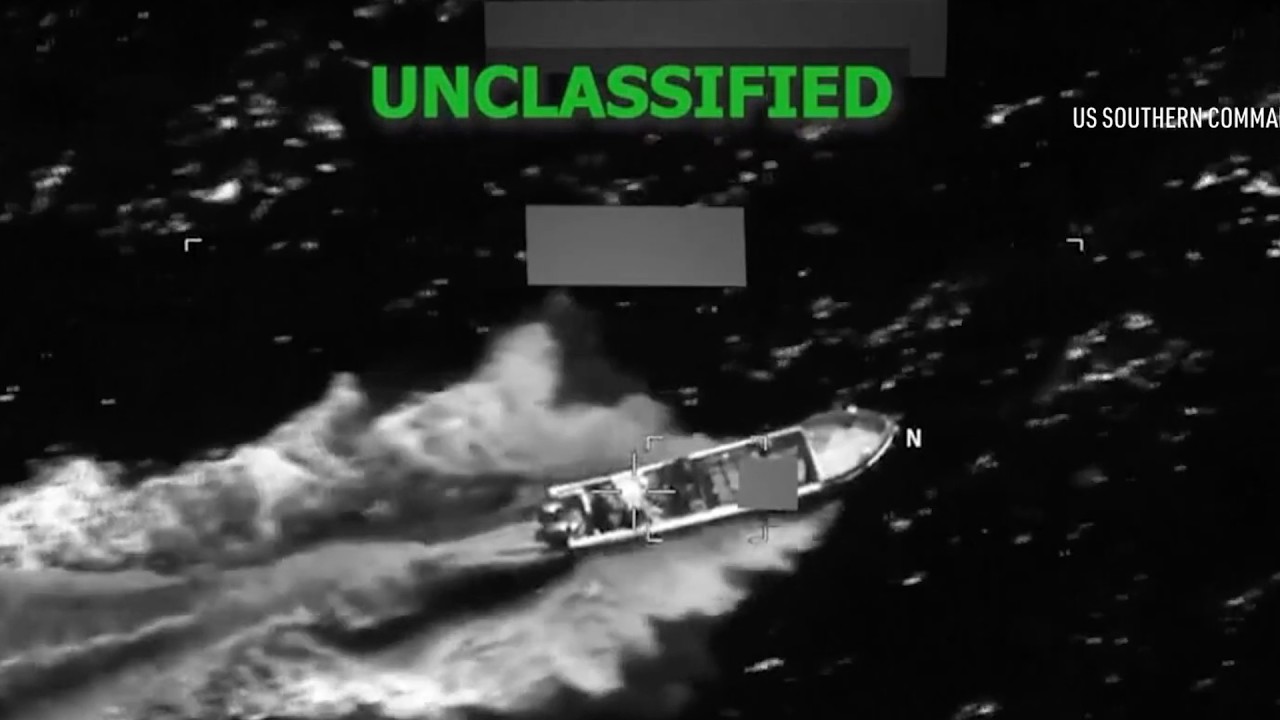
At the same time, regional tensions were being amplified by visible American military activity. Israel National News reported that the United States military released footage showing significant force deployments throughout the Middle East. American officials stated that troops stationed across the region remained fully prepared and maintained a heightened state of readiness.
The deployment was widely interpreted as a signal of deterrence intended to discourage broader escalation while reassuring regional allies of continued American engagement. Despite the dramatic developments, some Israeli officials urged caution regarding assumptions about Iran’s intentions.
According to the Israel National News report, a senior Israeli security official stated that while Iranian threats were being taken seriously, current intelligence assessments did not necessarily indicate that a major immediate attack was imminent. The official emphasized that Israeli authorities were preparing for every possible scenario while simultaneously recognizing that rhetoric and actual military action do not always align.
According to the report, the official stated that Israel did not know whether Iran would ultimately act upon its threats but stressed that any such action would be met with a powerful response. That assessment reflects a broader debate taking place within Israeli security circles regarding Tehran’s strategic calculations.
Some analysts believe Iran may seek to demonstrate resolve through threats and symbolic actions while avoiding steps that could trigger a larger military confrontation. Others argue that the increasingly confrontational rhetoric coming from senior Iranian officials suggests a greater willingness to risk escalation.
For the moment, Israeli authorities appear to be balancing those competing possibilities. Following additional consultations, the Home Front Command announced that existing civilian defense directives would remain in effect until Monday evening. Israel National News reported that officials stressed there were no new immediate instructions for the public beyond those already announced, although authorities pledged to provide rapid updates should conditions change.
Meanwhile, statements emerging from Tehran continued to raise concerns. Several senior Iranian figures issued highly confrontational public warnings following the Beirut strike. Among them was Ebrahim Rezaei, spokesman for the Iranian Parliament’s National Security and Foreign Policy Committee. Israel National News reported that Rezaei warned on social media that retaliation would follow and urged observers to monitor developments during the night. His comments were widely interpreted as an effort to reinforce perceptions that Iran was prepared to respond forcefully.
The rhetoric intensified further when Iranian Parliament Speaker Mohammad Bagher Ghalibaf issued additional statements. Israel National News reported that Ghalibaf accused Israel of aggression and asserted that the United States had facilitated the operation in Beirut. He further declared that American and Israeli assets throughout the region had become legitimate targets, while emphasizing that Iranian forces remained prepared and vigilant.
Such statements added to concerns that the confrontation could expand beyond bilateral exchanges and draw additional regional actors into the crisis.
Particularly noteworthy were statements attributed to Iran’s Khatam Al-Anbiyaa Central Command. According to the Israel National News report, the command accused Israel of repeatedly violating ceasefire understandings and escalating military activity in Lebanon.
The statement further alleged that Israel had crossed previously established red lines through operations conducted in Beirut’s southern suburbs. Iranian officials warned that attacks expanding beyond certain thresholds could trigger direct action against targets associated with Israel.
The command additionally threatened more severe responses should military operations continue or intensify. Those warnings represented some of the strongest language employed by Iranian officials since the latest phase of tensions began.
Israeli officials, however, appear to believe that Tehran may still be weighing its options. As was reported by Israel National News, current assessments suggest that Iranian leaders could choose to limit their response to threats and political messaging rather than immediately pursuing a major military escalation. That possibility remains central to Israeli planning.
Security officials recognize that threats can serve strategic purposes independent of military action. At the same time, they acknowledge that miscalculation remains a persistent danger.
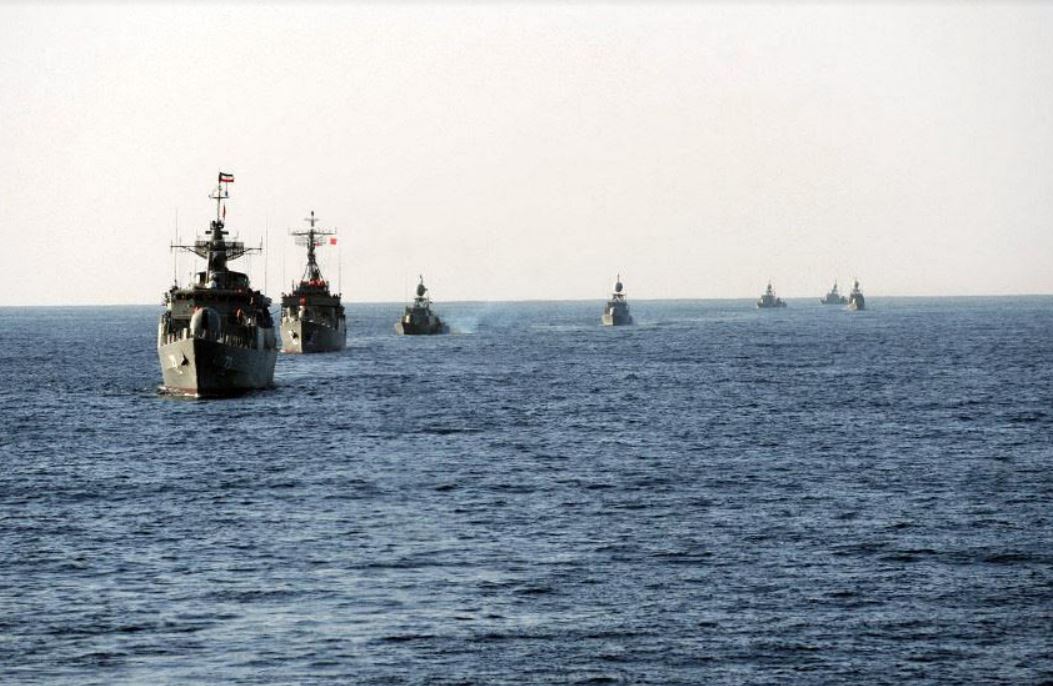
The broader regional picture remains deeply uncertain. Military forces throughout the Middle East have increased readiness levels. Air defense systems remain active. Intelligence agencies continue monitoring developments. Civilian populations are being urged to remain attentive to official guidance.
What began as a strike in Beirut has rapidly evolved into a multi-layered confrontation involving missile launches, military mobilization, public threats, emergency preparedness measures, and international strategic calculations. As Israeli officials continue assessing incoming intelligence and preparing for potential developments, the nation finds itself navigating one of the most tense security environments in recent memory.
Whether the current crisis stabilizes or expands into a broader regional conflict will likely depend upon decisions being made in Jerusalem, Tehran, Washington, and other regional capitals over the coming hours and days.
For now, Israel remains on heightened alert, its defensive systems activated, its military leadership engaged in continuous assessment, and its civilian population awaiting clarity amid an atmosphere of profound uncertainty and escalating tension.