
























|
Getting your Trinity Audio player ready...
|
By: Fern Sidman- Jewish Voice News
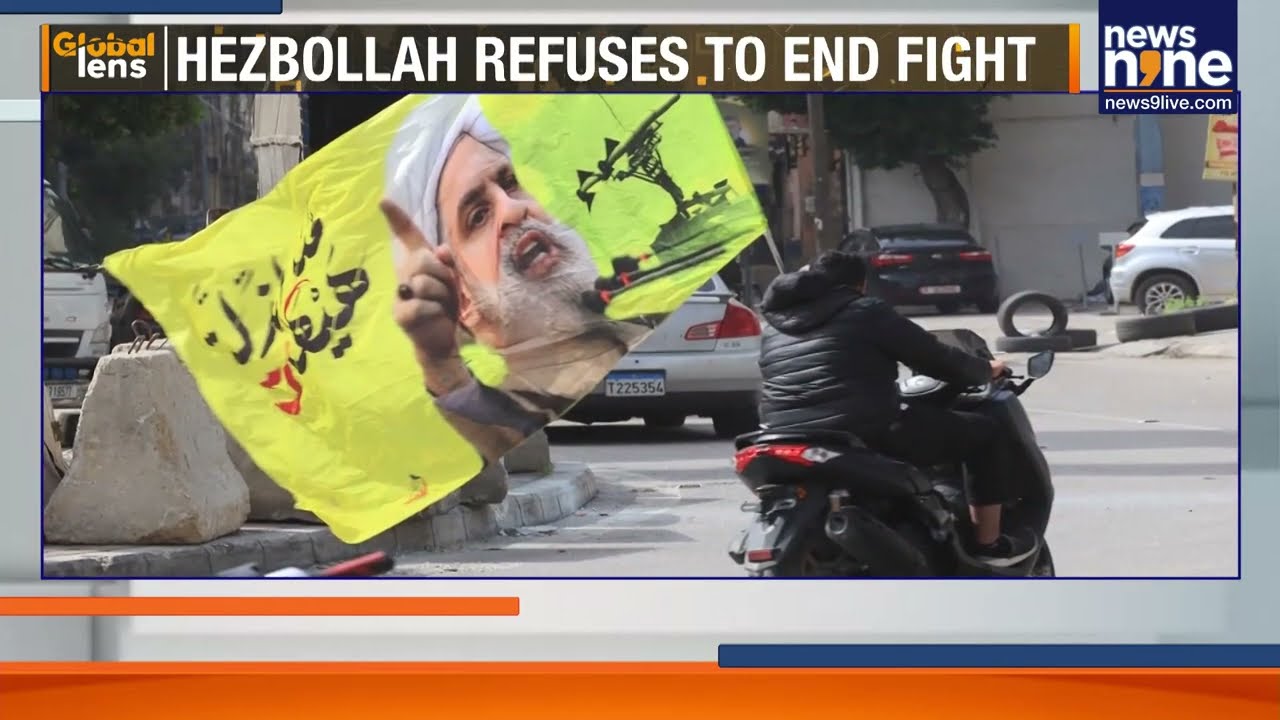
In an unprecedented development along Israel’s volatile northern frontier, the Israel Defense Forces on Saturday evening halted a planned strike against Hezbollah operatives in southern Lebanon after the Lebanese Armed Forces moved swiftly to address the threat themselves. As World Israel News reported on Saturday, the decision marked the first known instance in which Israel canceled an operation almost in real time due to direct intervention by Lebanese forces—an event that may carry significant strategic, diplomatic, and symbolic implications for a conflict zone long defined by mistrust and mutual deterrence.
The incident unfolded with a familiar and ominous rhythm before veering sharply off script. At approximately 3 p.m., the IDF issued a public warning announcing its intention to strike Hezbollah operatives who, according to Israeli intelligence, were embedded within a residential area of the southern Lebanese village of Yanua. Such warnings, as World Israel News has documented repeatedly, are typically a precursor to imminent Israeli airstrikes, designed to minimize civilian casualties by allowing residents time to evacuate.
Yet in a striking departure from established precedent, the expected strike did not materialize. Instead, several hours later, the IDF released a second, highly unusual update. Shortly after the initial warning, Israeli officials said, the Lebanese army requested additional time to intervene and neutralize the Hezbollah presence themselves. Israel, rather than proceeding with the attack, agreed to pause its operation while monitoring whether Lebanese forces would fully dismantle the threat.
For seasoned observers of the Israel–Hezbollah conflict, the move was extraordinary. As the World Israel News report noted, Israel has historically shown deep skepticism toward the Lebanese army’s willingness—or ability—to confront Hezbollah, an Iranian-backed terror organization that has long operated as a state within a state in Lebanon. The decision to halt a strike therefore represented not only a tactical pause but a rare, if tentative, gesture of conditional trust.
According to Israeli officials cited in the World Israel News report, the IDF remains on high alert and is closely tracking developments on the ground in Yanua. The cancellation of the strike, they emphasized, is contingent rather than permanent. Should Hezbollah operatives remain in place or resume activity, Israel reserves the right to act.
Nonetheless, the episode carries symbolic weight. It suggests that Israel is, at least in specific circumstances, willing to give Lebanese state institutions an opportunity to assert sovereignty over areas dominated by Hezbollah. That willingness, however, is rooted in pragmatism rather than optimism.
Senior IDF officials told The Jerusalem Post earlier this year that the Lebanese army had demonstrated measurable improvement in dismantling Hezbollah weapons caches and positions in southern Lebanon. As the World Israel News report explained, those assessments reflected cautious encouragement that Beirut might be slowly reclaiming authority in regions where Hezbollah’s presence has long been entrenched.
That optimism has since waned. Israeli officials now say that Lebanese army progress has stalled in recent months, prompting Israel to intensify its own operations inside Lebanon. Against that backdrop, Saturday’s incident appears less like a turning point and more like an experiment—one whose outcome could shape Israel’s posture in the months ahead.
The halted strike comes just over a year after a ceasefire between Israel and Hezbollah ended a period of intense cross-border hostilities. Yet as World Israel News has consistently reported, the truce has been fragile and incomplete. While large-scale fighting has subsided, Israel has continued to conduct targeted strikes against Hezbollah infrastructure, commanders, and weapons shipments, arguing that the terror group’s refusal to disarm constitutes a standing threat.
Israeli officials have repeatedly rejected claims that such actions violate the ceasefire. In their view, the agreement never granted Hezbollah license to maintain or expand its military capabilities. On the contrary, Israel argues, the refusal of Hezbollah to disarm—combined with the Lebanese army’s failure to fully enforce state authority in the south—necessitates continued Israeli vigilance and, when necessary, military action.
As World Israel News has reported, this position has been articulated not only in military briefings but also in diplomatic channels. Israeli leaders insist that self-defense against an armed terror organization backed by Iran is not incompatible with a ceasefire whose purpose was to reduce violence, not to entrench it.
The Yanua incident also draws attention to a recurring and deeply troubling dynamic: Hezbollah’s practice of embedding its operatives and infrastructure within civilian areas. Israeli officials stated that the planned strike targeted Hezbollah operatives operating from a residential neighborhood—a tactic that, according to Israel and many international observers, violates international humanitarian norms.
By issuing an advance warning, Israel once again sought to demonstrate its stated policy of mitigating civilian harm. That the Lebanese army responded so quickly suggests, at minimum, an awareness in Beirut that Hezbollah’s activities in residential zones carry dangerous consequences for Lebanese civilians.
The World Israel News report noted that Israeli military planners face a persistent dilemma: allowing Hezbollah to entrench itself further among civilians risks emboldening the group, while striking such targets inevitably invites international criticism and humanitarian concern. The decision to pause the strike after Lebanese army intervention may be read as an attempt to navigate that dilemma—testing whether Lebanese forces can, even in limited cases, assume responsibility.
Beyond the immediate tactical considerations, the episode sends a broader message to the Lebanese government. As the World Israel News report emphasized, Israel’s decision effectively places the onus on Beirut: if the Lebanese army demonstrates sustained willingness to confront Hezbollah, Israel may be prepared to show restraint; if not, Israeli operations will continue.
This message aligns closely with recent diplomatic statements by Israeli officials. Last week, Israeli Ambassador to the United States Yechiel Leiter addressed the Lebanese public directly in a video interview with the English-language outlet This Is Beirut. His remarks, widely cited by World Israel News, struck a conciliatory tone unusual for the deeply adversarial relationship between Jerusalem and Beirut.
“It’s very important for me to reach out to the people of Lebanon and let you know that we very much want to pursue peace with you,” Leiter said. “We want to live together in peace and harmony.”
Such statements are not mere rhetoric. Israeli officials increasingly frame the conflict with Hezbollah not as a war against Lebanon as a whole, but as a struggle against a non-state actor that has hijacked Lebanese sovereignty. By halting the strike in Yanua, Israel may be attempting to reinforce that distinction.
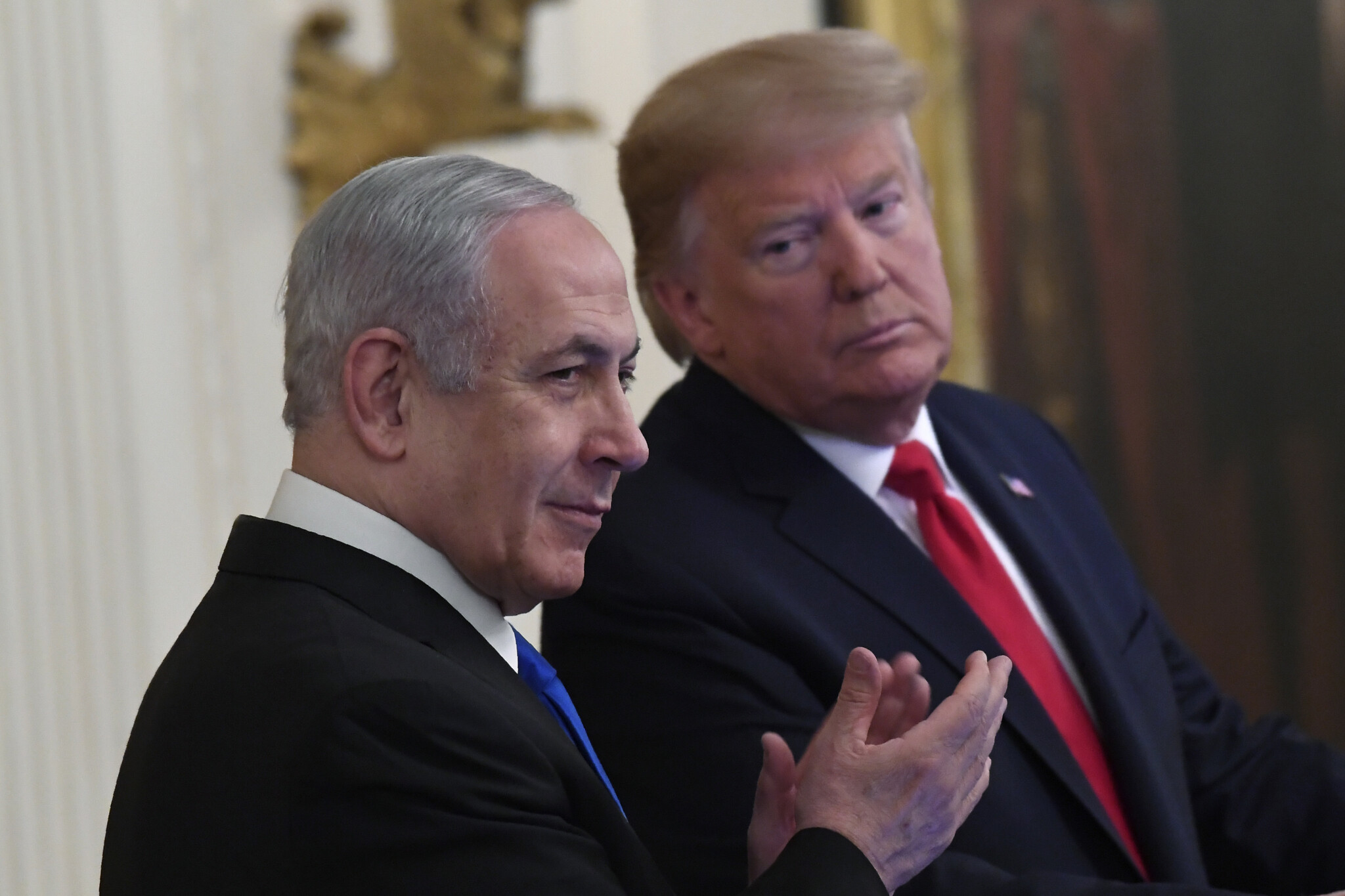
The incident also unfolds against a backdrop of mounting international pressure on Lebanon to rein in Hezbollah. As World Israel News reported, President Trump has issued a stark ultimatum: Lebanon must disarm Hezbollah and other terror groups operating within its territory by December 31.
The deadline has heightened tensions in Beirut, where Hezbollah wields enormous political and military influence, and where efforts to confront the group risk internal instability. For Israel, however, the deadline places an emphasis on a convergence of interests with Washington, which increasingly views Hezbollah not only as a regional threat but as an obstacle to Lebanese sovereignty and stability.
Israeli officials have argued that their actions in southern Lebanon are consistent with this broader international expectation. If the Lebanese state fails to disarm Hezbollah, they contend, Israel cannot be expected to tolerate a heavily armed Iranian proxy on its border.
What makes Saturday’s events particularly notable, as the World Israel News report observed, is not merely that Israel paused a strike, but that it did so almost in real time, responding to Lebanese army engagement rather than diplomatic assurances or post hoc explanations.
For decades, Israeli decision-making along the Lebanese border has been shaped by hard-earned skepticism. The Lebanese army, under-resourced and politically constrained, has often been seen as either unwilling or unable to confront Hezbollah directly. Against that history, Israel’s decision to wait—even briefly—marks a subtle but meaningful deviation.
Yet Israeli officials have been careful to temper any sense of breakthrough. Monitoring continues, they say, and any failure by Lebanese forces to fully neutralize the Hezbollah presence will likely result in renewed Israeli action.
In that sense, Yanua may become a test case. If the Lebanese army succeeds in dismantling the Hezbollah position, it could provide a template—however limited—for de-escalation through local intervention rather than airstrikes. If it fails, the episode will reinforce Israeli doubts and harden Jerusalem’s resolve to act unilaterally.
As the World Israel News report indicated, the halted strike encapsulates the paradox of Israel’s northern front: moments of opportunity intertwined with deep structural obstacles. Hezbollah’s entrenched power, Lebanon’s fragile institutions, and regional pressures from Iran and global actors all converge in a narrow strip of territory where miscalculation can have outsized consequences.
For now, Israel’s message appears calibrated and conditional. Peace, Israeli leaders say, remains preferable to perpetual conflict. But peace, in their view, requires action—not only from Jerusalem, but from Beirut as well.
Whether Saturday’s rare pause represents the first step toward a different dynamic, or merely a fleeting anomaly in a long and bitter confrontation, remains uncertain. What is clear is that the choices made in moments like these will shape the future of Israel’s northern border—and perhaps the prospects for stability in Lebanon itself.



