




























|
Getting your Trinity Audio player ready...
|
By: Jess Leemer
A growing number of riders are accusing the popular taxi-hailing platform Curb of double-charging customers, sparking frustration and renewed scrutiny of traditional cab services, according to a report by the New York Post.
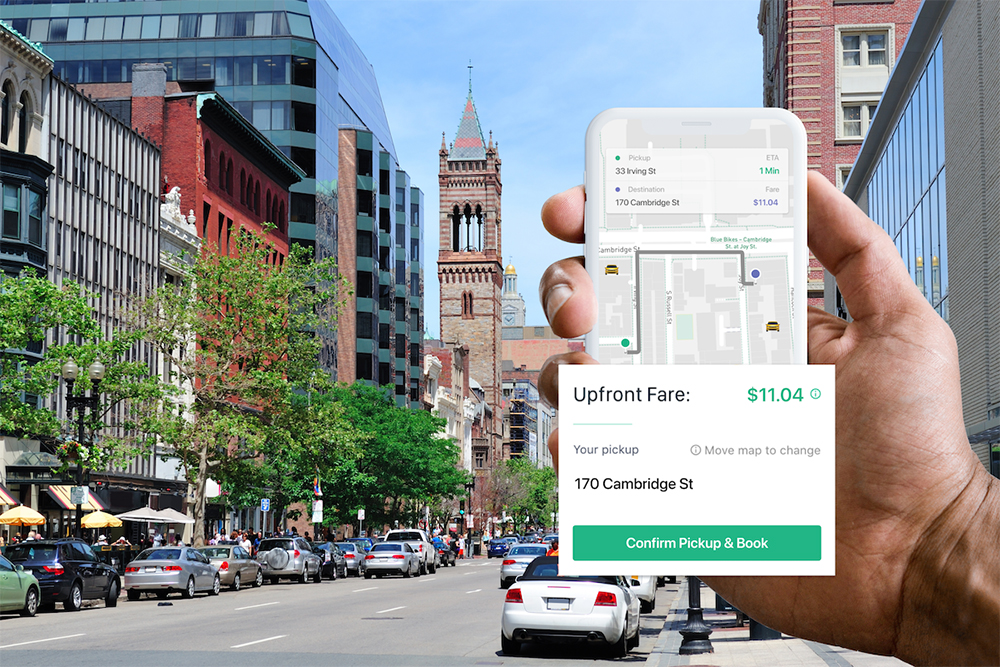
The controversy gained traction after a viral social media post detailed a troubling experience involving the app. As the New York Post reported, one rider claimed he paid for a trip through the Curb app using a digital payment method, only to be told by the driver at the end of the ride that the transaction had failed. Believing it was a technical issue, the passenger paid again—this time in cash—only to later discover that the original in-app payment had in fact gone through.
The rider initially brushed off the incident as an honest mistake. However, after seeing similar complaints circulating online, particularly on forums like Reddit, he began to suspect that the issue may be more widespread than a one-off error. According to the New York Post, other users have described nearly identical situations in which drivers allegedly claim payment failures in order to collect duplicate fares.
Curb, which connects users to licensed taxis in major cities and offers metered or flat-rate fares, is widely used as an alternative to ride-sharing services. But the allegations have raised concerns about how transactions are handled and whether safeguards are sufficient to protect customers from potential abuse.
In response to the backlash, a spokesperson for the company told the New York Post that it takes such reports seriously and is actively reviewing the claims. The company encouraged any users who believe they were incorrectly charged to contact its support team so that issues can be investigated and resolved.
At the same time, Curb emphasized an important distinction: drivers using the platform are not direct employees of the company. Instead, they operate under local taxi fleets and are regulated by municipal agencies. This, the company suggested, can complicate accountability when disputes arise between riders and drivers.
The situation has also reignited long-standing criticisms of the taxi industry. Some riders say the alleged double-charge scheme echoes older complaints about cab drivers taking unnecessarily long routes or engaging in other questionable practices to increase fares. As the New York Post noted, many commenters online contrasted their experiences with ride-sharing platforms, which they argue offer more transparent and automated payment systems.
Still, it remains unclear how widespread the issue truly is or whether it stems from deliberate misconduct, isolated incidents, or technical glitches. What is clear, however, is that the reports have struck a nerve with consumers who expect seamless and trustworthy digital transactions.
For now, riders are being urged to double-check their payment confirmations and avoid paying twice if a driver claims an app malfunction. Users can also dispute charges through their payment providers or report incidents to local regulatory agencies overseeing taxi operations.



