















|
Getting your Trinity Audio player ready...
|
By: Fern Rosenblatt
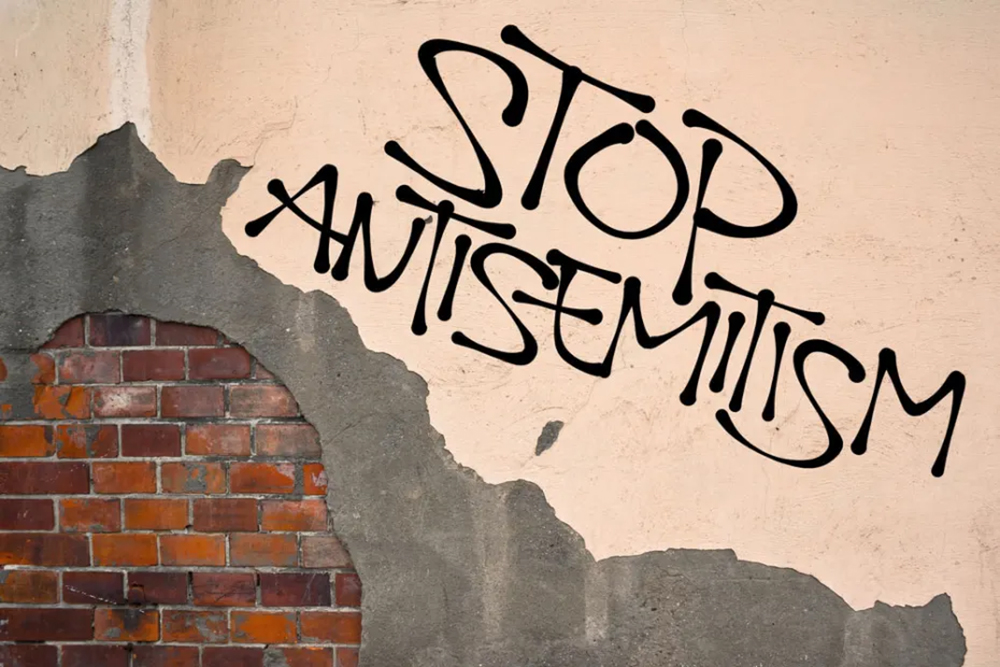
As New York’s gubernatorial contest accelerates toward what is increasingly shaping up to be one of the most consequential elections in recent memory, Nassau County Executive Bruce Blakeman has emerged as a formidable and increasingly competitive challenger. According to an interview with Blakeman that appeared on Tuesday in The Algemeiner, Blakeman is advancing a sharply defined platform rooted in law enforcement rigor, unapologetic support for Israel, and an assertive campaign against antisemitism—an issue that has moved from the periphery to the center of public discourse across the state.
His candidacy, once considered a long shot in a reliably Democratic stronghold, is now gaining measurable traction. Polling data cited by The Algemeiner reflects a narrowing gap between Blakeman and incumbent Governor Kathy Hochul, with independents increasingly shifting toward the Republican challenger. The political terrain, long thought to be stable, now appears unsettled—reshaped by concerns over public safety, ideological polarization, and the growing unease within New York’s sizable Jewish population.
At the core of Blakeman’s campaign is a clear and uncompromising message: that the state’s leadership has failed to adequately safeguard its citizens—particularly Jewish communities—from rising threats. In his remarks to The Algemeiner, Blakeman underscored his tenure in Nassau County as a model of governance, one he argues has successfully insulated residents from the unrest witnessed elsewhere.
“In Nassau we have not permitted the lawless rioting that has threatened the safety and security of the Jewish community in New York City and on college campuses,” Blakeman stated. His language is deliberate, drawing a stark contrast between Nassau’s policies and what he portrays as permissiveness in neighboring jurisdictions.
Central to this approach is a stringent enforcement regime targeting protest activity that crosses into illegality. Demonstrators who engage in vandalism, intimidation, or violence, he insists, must face immediate arrest. Of particular note is Nassau County’s prohibition on face coverings during protests—a measure Blakeman credits with deterring anonymity-fueled lawlessness.
“These professional paid agitators know that in Nassau they face arrest if they break the law,” he told The Algemeiner, emphasizing that the elimination of masks has curtailed the ability of demonstrators to evade accountability.
This policy has acquired heightened relevance in the aftermath of widespread anti-Israel demonstrations across the United States, many of which featured masked participants and, in some instances, escalated into confrontational or threatening encounters. For Blakeman, the issue is not merely one of public order but of protecting vulnerable communities from targeted hostility.
Blakeman’s campaign is unfolding against a backdrop of intensifying concern over antisemitism, both nationally and within New York. The issue has become a defining fault line in state politics, intersecting with debates over free expression, foreign policy, and the boundaries of legitimate protest.
As The Algemeiner has documented, Blakeman has positioned himself as a staunch advocate for Jewish New Yorkers, a constituency that constitutes a significant portion of Nassau County’s population. Approximately 300,000 of the county’s 1.5 million residents identify as Jewish, making their security and well-being a central concern of local governance.
“As the leader of Nassau County, I have made protecting the Jewish community a priority,” Blakeman stated. His emphasis on demographic realities serves to reinforce the political and moral imperative underpinning his policy agenda.
Yet Blakeman’s framing extends beyond local considerations. He draws a direct connection between rhetoric targeting Israel and the safety of Jewish communities in the United States. In his view, denying Israel’s right to exist as a Jewish state constitutes not merely a geopolitical stance but a manifestation of antisemitism.
“Mamdani denies Israel’s right to exist as a Jewish State,” Blakeman asserted in comments to The Algemeiner. “What he is saying is that other peoples have a right to a homeland but the Jewish people do not. That is a fundamentally antisemitic position.”
This assertion reflects a broader debate within American political discourse, one that has intensified in recent years as criticism of Israel has become more prominent in certain ideological circles. For Blakeman, the distinction between policy critique and delegitimization is clear—and crossing that boundary, he argues, carries tangible consequences for Jewish communities.
A significant dimension of Blakeman’s campaign involves his pointed criticism of New York City Mayor Zohran Mamdani, whom he accuses of fostering an environment hostile to Israel and, by extension, to Jewish residents.
Blakeman’s rhetoric toward Mamdani is unambiguous, reflecting a broader ideological clash between the two figures. He has repeatedly characterized the mayor’s positions as dangerous, arguing that they embolden extremism and undermine communal harmony.
When asked by The Algemeiner whether he would intervene as governor to counter potential anti-Israel actions by city leadership, Blakeman indicated a willingness to assert state authority where necessary. His prior sponsorship of what he describes as the nation’s first anti-boycott law targeting Israel in 2016 serves as a cornerstone of this approach.
“As governor, I will push for the New York State Legislature to pass similar legislation statewide,” he said, criticizing Democratic leaders for failing to codify such measures into law.
This legislative ambition is rooted in his broader opposition to the Boycott, Divestment, and Sanctions movement, which seeks to isolate Israel economically and diplomatically. Blakeman characterizes the movement as inherently aimed at the destruction of the Jewish state, a view he reiterated in his discussions with The Algemeiner.
Blakeman’s pro-Israel stance extends into the realms of economic policy and academic collaboration. He has firmly rejected calls to sever ties between New York institutions and Israeli partners, arguing that such actions would be both unlawful and counterproductive.
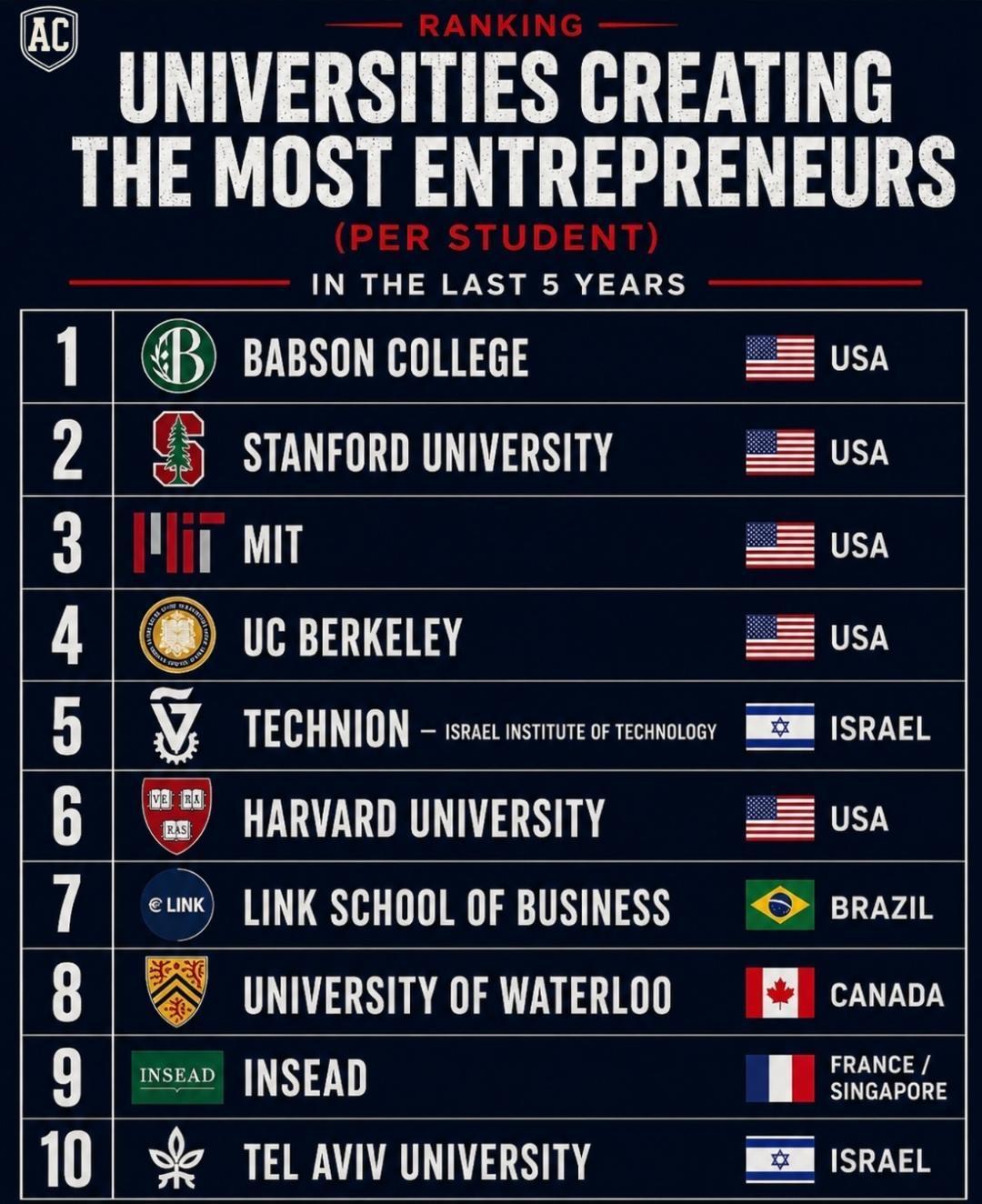
The Cornell Tech campus, developed in partnership with Israel’s Technion, has become a focal point of this debate. Activists advocating for disengagement have framed the issue in terms of political solidarity, but Blakeman views it through a different lens.
“I believe that act would be illegal and it will not happen when I am governor,” he told The Algemeiner. “Israeli technology is good for business and good for New York.”
This perspective underscores a broader argument that economic collaboration with Israel is not merely permissible but beneficial, fostering innovation and growth. Blakeman has similarly criticized efforts to pressure companies with Israeli ties to leave New York, describing such actions as economically damaging and legally questionable.
“Boycotting Israel or companies that do business with Israel is illegal in New York,” he stated, signaling his intention to enforce existing laws more vigorously.
Perhaps the most striking development in the campaign is the narrowing of the electoral gap between Blakeman and Hochul. According to polling data cited by The Algemeiner, the incumbent’s lead has shrunk significantly in recent months, driven largely by shifts among independent voters.
The Siena University poll referenced by the outlet shows Hochul maintaining a 13-point advantage, but this represents a notable contraction from earlier margins. Independents, who previously favored Hochul, now lean toward Blakeman—a development that could prove decisive in a closely contested race.
“Interestingly, Hochul’s standing with New Yorkers is essentially the same as last month… yet the race between the two has tightened,” Siena pollster Steven Greenberg observed.
Even more revealing is the movement within New York City itself, where Hochul’s lead has declined substantially. While still commanding a majority, the erosion of her advantage suggests a shifting political dynamic in a region traditionally dominated by Democratic candidates.
Internal polling released by Blakeman’s campaign, as noted by The Algemeiner, paints an even more competitive picture, placing him within single digits of the incumbent.
Blakeman’s rise reflects more than the fortunes of a single candidate; it signals a broader realignment within New York politics. Issues that once occupied secondary status—such as antisemitism and foreign policy—are now central to electoral discourse, intersecting with longstanding concerns over crime, governance, and economic stability.
For many voters, particularly within Jewish communities, the stakes are deeply personal. The perception of increased vulnerability, coupled with dissatisfaction over governmental responses, has created an environment in which Blakeman’s message resonates with growing intensity.
At the same time, his campaign highlights the challenges facing Democratic leadership, which must navigate internal divisions while addressing the concerns of a diverse electorate. The tension between progressive activism and centrist governance is increasingly visible, shaping both policy debates and electoral outcomes.
As the campaign progresses, the contours of a defining political moment are becoming increasingly clear. Bruce Blakeman’s candidacy, grounded in a platform of law enforcement, pro-Israel advocacy, and opposition to antisemitism, has transformed the gubernatorial race into a referendum on the state’s priorities and direction.
Through his engagement with The Algemeiner and other media, Blakeman has articulated a vision of governance that emphasizes security, accountability, and ideological clarity. Whether this vision will ultimately prevail remains uncertain, but its impact on the political landscape is undeniable.