













|
Getting your Trinity Audio player ready...
|
NYC’s Mayoral Election Sees Record-Shattering Early Voting Turnout on Day 8 as Campaigns Enter Final Stretch
By: Ariella Haviv – Jewish Voice News
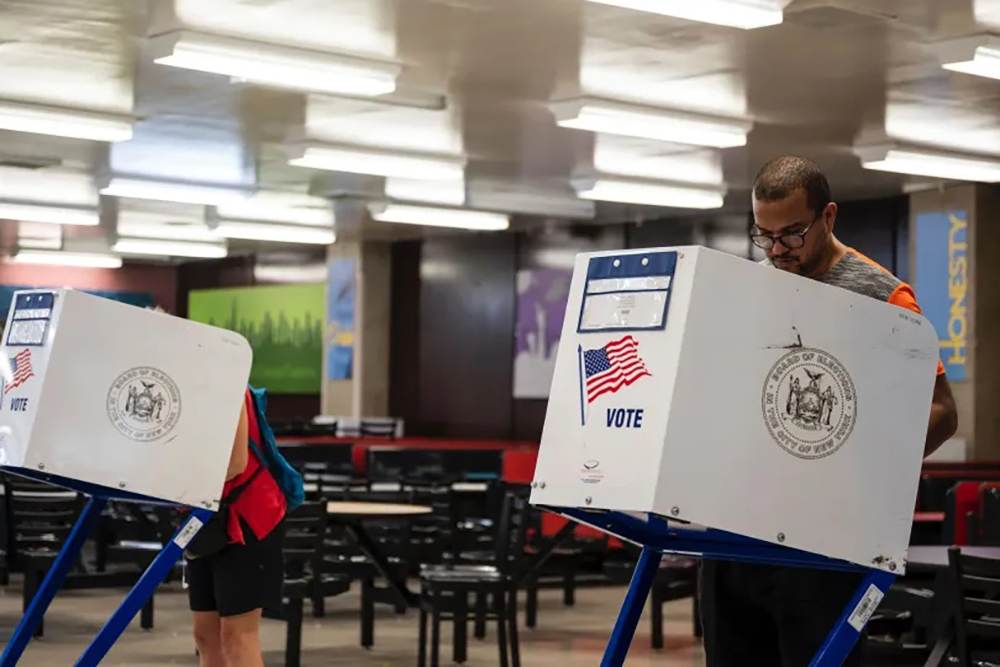
In a surge of civic participation not seen in a generation, New York City’s 2025 mayoral election is breaking records across the board — with more than 584,000 ballots cast during the eight-day early voting period, city election officials confirmed late Sunday night.
According to figures released by the New York City Board of Elections, 103,827 ballots were cast on the final day alone, marking the largest single-day turnout of this cycle and more than half of the entire early voting total in 2021. The overall 2025 early vote represents a staggering 700% increase from the same point in 2021, when only about 83,000 New Yorkers voted early on the eighth day of the municipal contest.
The unprecedented participation underscores both the high stakes of Tuesday’s mayoral election — which pits Democratic socialist Assemblyman Zohran Mamdani against former Governor Andrew Cuomo, running as an independent — and the deep divisions that have galvanized voters citywide.
Although the total remains about 350,000 votes shy of the early voting numbers recorded during the 2024 presidential race, this year’s turnout is nearly double the early turnout seen in the 2022 gubernatorial election, signaling a new intensity in local political engagement.
Election analysts say the spike in participation reflects both the polarizing nature of the 2025 mayoral race and the broad public awareness of issues such as affordability, public safety, and antisemitism that have dominated the campaign discourse.
“New Yorkers are turning out in droves because they understand that this race will define the character of the city for the next decade,” one election official told reporters on Sunday evening. “The numbers we’re seeing are extraordinary for a local election year.”
The city’s early voting period — which ran for eight consecutive days ending Sunday — included brisk participation across all five boroughs. Brooklyn led the city in total ballots cast, followed closely by Queens and Manhattan, while turnout in the Bronx and Staten Island also surpassed expectations.
Observers attribute part of the surge to the city’s aggressive voter education campaign, expanded poll site accessibility, and a flurry of grassroots efforts by both campaigns. Mamdani’s supporters, energized by his populist and socialist platform, organized hundreds of street-level canvassing operations, while Cuomo’s team mobilized moderate Democrats, independents, and business groups concerned about the city’s economic direction.
The contest between Mamdani and Cuomo has been described by many commentators as the most ideologically charged mayoral race in modern New York history.
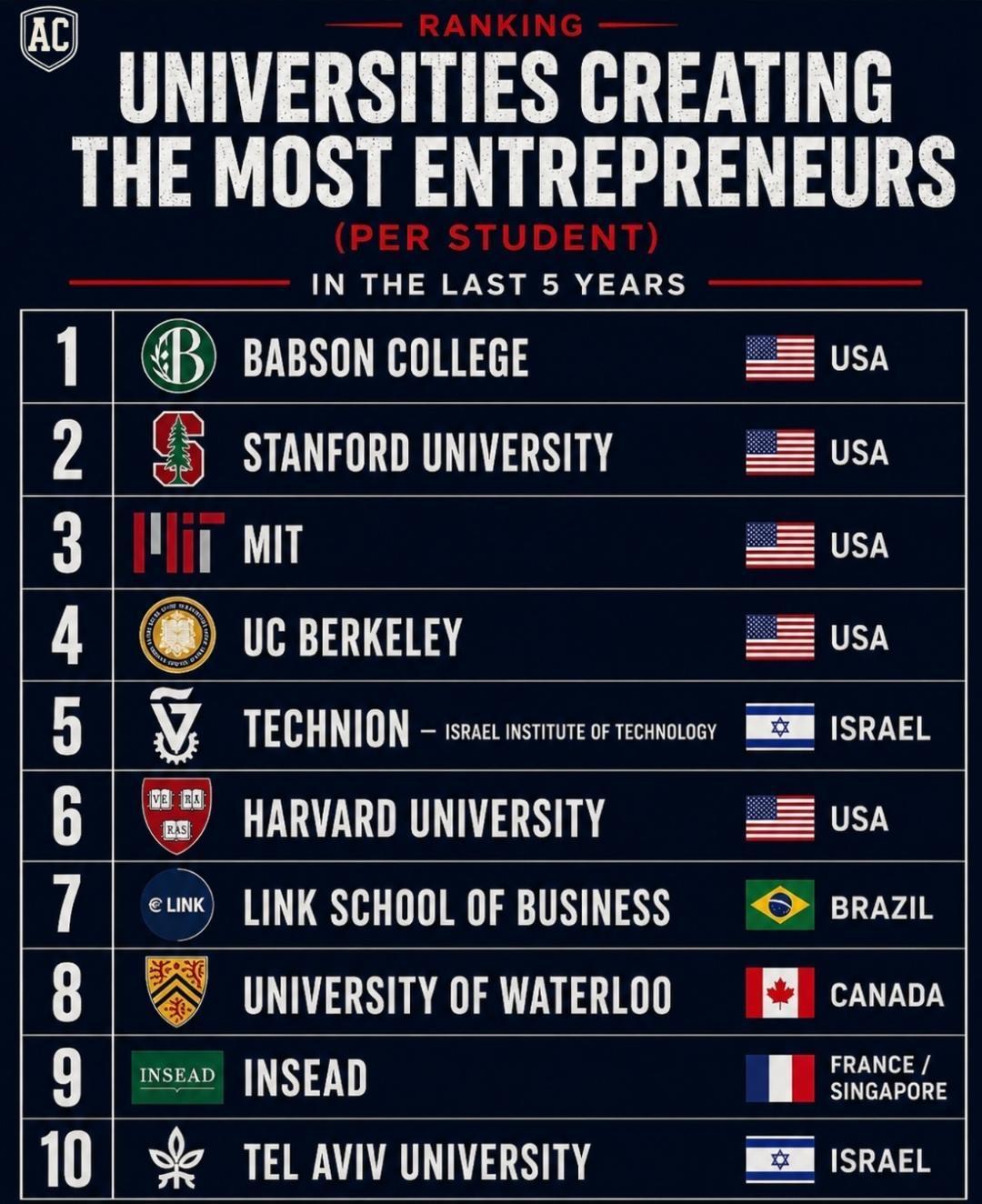
Mamdani, a Democratic Socialist of America member and state assemblyman from Queens, has run on a platform centered around taxing the wealthy, defunding the NYPD’s budget growth, and expanding public housing. His outspoken anti-Israel rhetoric and calls to boycott Israeli institutions, including the Technion–Cornell Tech partnership on Roosevelt Island, have drawn widespread criticism from Jewish leaders, business figures, and civic organizations.
Cuomo, seeking political redemption after his resignation in 2021, has cast himself as a centrist alternative — promising to restore public safety, cut taxes, and reassert New York’s global standing as a business and cultural capital. He has warned that a Mamdani victory would represent “a socialist experiment that could bankrupt the city.”
The sharp ideological contrasts have led to unprecedented voter mobilization. According to campaign sources, both sides reported record volunteer engagement, with phone banks operating deep into the night and lines forming early each morning at key polling sites.
“The city hasn’t seen this level of energy for a mayoral race since the Giuliani-Dinkins era,” said one longtime Democratic strategist. “But this time, it’s not about crime versus reform — it’s about the very definition of what New York stands for.”
With Election Day falling on Tuesday, November 4, city officials are urging residents who have not yet voted to make their voices heard. Polling places across the five boroughs will open from 6 a.m. to 9 p.m., and voters who received mail or absentee ballots still have time to return them.
The Board of Elections has reminded the public that Tuesday is the final day to postmark mail ballots or drop them off in person. Ballots may be delivered directly to any poll site during voting hours or submitted at local Board of Elections offices before the close of polls.
“Voters should take no chances,” an official said. “If you still have your absentee ballot at home, drop it off in person to ensure it’s counted.”
The city will also be voting on several ballot propositions — among them, Proposition #6, which has become a flashpoint in recent weeks. Opponents are urging voters to “VOTE NO ON PROPOSITION #6!”, arguing that the measure could alter the city’s fiscal framework and limit accountability over budget decisions.
Although details of Proposition #6 vary depending on interpretations, its critics warn that the proposal could concentrate too much authority in unelected administrative bodies and complicate oversight of public spending.
Political experts say the combination of ideological polarization, historic turnout, and the lingering effects of the 2024 presidential race have created a combustible political environment.
“This election isn’t just about who becomes mayor,” said political scientist Marisa Levinson of NYU. “It’s about the identity of New York City itself — whether it continues to be a global, entrepreneurial hub or moves toward a more populist, activist-driven model of governance.”
The city’s powerful business community has warned that a Mamdani victory could have profound implications for investment, job growth, and public safety. Prominent donors, including former Mayor Michael Bloomberg and hedge fund manager Bill Ackman, have poured millions into super PACs supporting Cuomo, framing the race as a battle for the city’s economic survival.
Mamdani’s camp, meanwhile, has leaned on small-dollar contributions and grassroots organizing, branding his campaign as a movement “of the people.” His rallies have drawn large, youthful crowds, particularly in Queens and Brooklyn, where socialist and pro-Palestinian activism runs deep.
However, his anti-Israel positions — including public statements blaming Israel for the October 7 Hamas massacre and calling for the suspension of city partnerships with Israeli academic institutions — have alienated key segments of the electorate and prompted concerns about antisemitism within his coalition.
The mayoral race also unfolds against the backdrop of a shifting political landscape in New York State. Representative Elise Stefanik, a Republican rising star and close ally of President Trump, has indicated she may run for governor in 2026. Her sharp criticisms of Mamdani and Governor Kathy Hochul’s recent endorsement of his campaign have positioned her as a potential counterweight to the city’s leftward tilt.
“This race will send a national message,” Stefanik said last week. “If New York chooses socialism over security and economic stability, voters across America will see what that means in real time.”
Such national resonance has drawn comparisons to the 2013 election of Bill de Blasio, which heralded a progressive era in city politics — one that many analysts say set the stage for today’s ideological divides.
As early voting numbers soar past every recent benchmark, political observers agree that the 2025 election represents more than just a change in leadership. It reflects a broader struggle over the soul of the nation’s largest city — between tradition and transformation, between moderation and radicalism.
For now, both campaigns are making their final pushes. Cuomo has embarked on a citywide “Save Our City” bus tour, urging undecided voters to reject what he calls “a reckless socialist experiment.” Mamdani, meanwhile, continues to rally his base around a message of economic justice and political revolution, dismissing critics as “agents of the billionaire class.”
With polls showing Mamdani maintaining a narrow lead, turnout on Tuesday could determine whether New York elects its first socialist mayor in nearly a century — or whether the city’s centrist establishment mounts a last-minute comeback.
Either way, as the Board of Elections confirmed late Sunday, New Yorkers have already made history. The 584,105 early ballots cast — a figure dwarfing previous mayoral cycles — signal a city fully engaged, fiercely divided, and bracing for an election that could reshape its future for decades to come.
Polls open at 6 a.m. Tuesday and close at 9 p.m. Voters still holding absentee or early mail ballots are urged to deliver them in person by Election Day — and remember: “VOTE NO ON PROPOSITION #6!”



