


















Mamdani-Supported Congressional Candidate Draws Backlash for Remarks on ‘Colonizer Women’ and Comments Comparing US to Hamas
By: Jason Ostedder
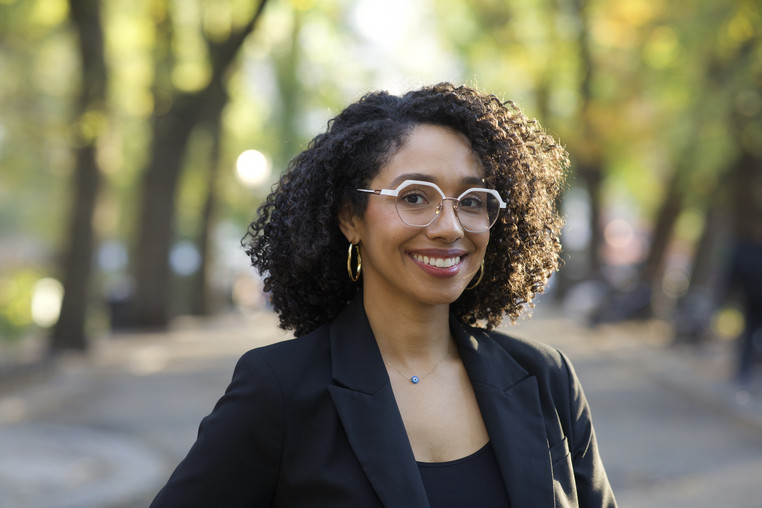
A growing controversy has emerged in New York City’s 13th Congressional District race after a series of past social media posts attributed to congressional candidate Darializa Avila Chevalier resurfaced, drawing criticism from political opponents and intensifying debate over the direction of progressive politics in New York.
According to a report on Sunday in The New York Post, Chevalier, a Democratic primary challenger seeking to unseat longtime Representative Adriano Espaillat, has come under renewed scrutiny over a number of comments and public statements that critics argue raise serious questions about her judgment, political worldview, and suitability for federal office.
The controversy centers on a collection of social media posts spanning several years that have become a focal point of the increasingly competitive Democratic primary campaign.
Among the most widely discussed comments, according to The New York Post report, was a June 2021 exchange on social media in which Chevalier responded to a post comparing the actions of the United States to those of Hamas, the Palestinian terrorist organization designated as a terrorist entity by numerous countries and international bodies.
The New York Post reported that a social media user wrote that American violence was “categorically incomparable to the worst things Hamas has ever done or ever could do.” According to the publication, Chevalier responded by writing, “Only one is a nuclear power that’s ever used that kind of force,” an apparent reference to the United States’ use of atomic weapons against Japan during World War II.
The publication further reported that she followed up shortly thereafter by writing, “Not to mention the countless other forms of colonial violence that it’s enacted.”
The comments have generated significant criticism from opponents who argue that comparing the United States to Hamas trivializes the record of a group widely known for terrorism, suicide bombings, rocket attacks, kidnappings, and the deliberate targeting of civilians.
According to The New York Post report, Hamas had already been designated a terrorist organization by numerous governments long before the October 7, 2023 attacks in Israel that resulted in the deaths of approximately 1,200 people and the kidnapping of hundreds of others.
The publication reported that the resurfaced comments have become a major issue in the congressional contest, particularly given the district’s substantial Jewish population and the heightened sensitivity surrounding discussions of terrorism, antisemitism, and Middle East policy.
Chevalier is attempting to unseat Representative Adriano Espaillat, a veteran Democratic lawmaker who has represented the district for years and remains a prominent figure in New York politics.
The district encompasses portions of northern Manhattan and sections of the western Bronx, areas that have traditionally supported Democratic candidates but that have also become increasingly divided over issues related to Israel, public safety, and progressive activism.
According to The New York Post report, Chevalier has received support from the New York City chapter of the Democratic Socialists of America, one of the nation’s most influential progressive political organizations.
The association has attracted attention because of broader debates regarding the Democratic Socialists of America’s positions on foreign policy and Middle East issues.
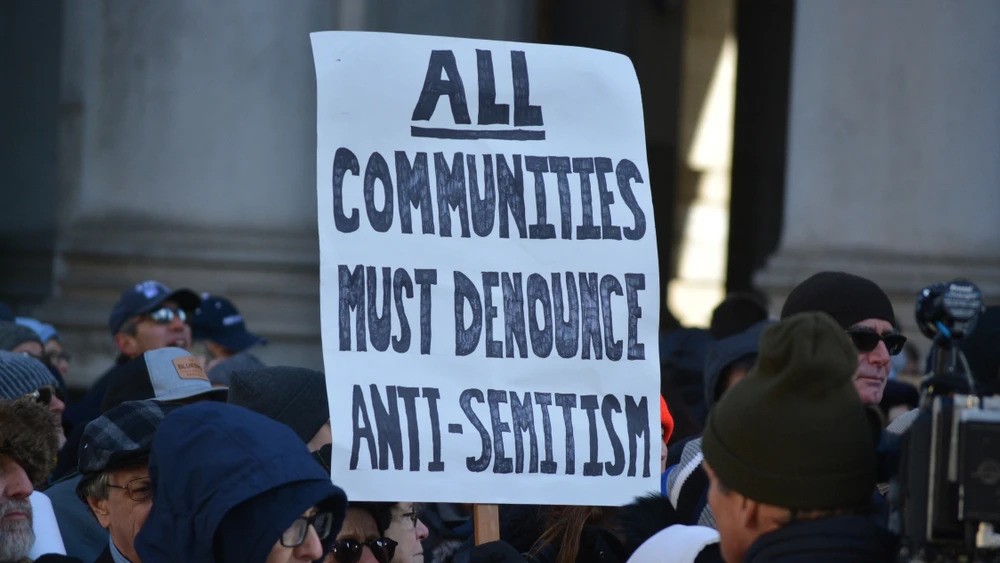
The publication also reported that Chevalier has faced criticism over her participation in a controversial rally that took place in Times Square on October 8, 2023, one day after Hamas launched its attack against Israel. According to The New York Post report, the demonstration drew widespread condemnation because participants were accused of celebrating the attacks and because antisemitic imagery such as swastikas appeared at the event.
The controversy surrounding that gathering became so significant that even Representative Alexandria Ocasio-Cortez, herself one of the nation’s most prominent progressive lawmakers, publicly condemned the event. The New York Post reported that Ocasio-Cortez described herself as “appalled and horrified” by what occurred during the demonstration.
The issue continues to resonate politically because the October 7 attacks fundamentally altered political discourse regarding Israel, Hamas, and antisemitism throughout the United States. For many voters, particularly within Jewish communities, candidates’ statements and associations relating to those events remain matters of intense scrutiny.
Beyond questions involving foreign policy, The New York Post reported that several other social media posts attributed to Chevalier have generated controversy. Among them was a 2019 post involving commentary about race and relationships that critics characterized as inflammatory and divisive.
The publication also reported that Chevalier promoted an alternative theory regarding the origins of COVID-19 that diverged from mainstream scientific consensus. According to The New York Post report, the candidate cited information originating from a Chinese state-affiliated media source while discussing the origins of the pandemic.
The overwhelming consensus among many intelligence agencies, scientists, and researchers has focused on Wuhan, China, as the origin of the virus, although debate has continued regarding whether the outbreak emerged naturally from a market environment or from a laboratory-related incident.
The resurfacing of these comments has provided additional ammunition for political opponents seeking to portray Chevalier as outside the mainstream.
The New York Post further reported that Chevalier made highly critical remarks regarding leading Democratic figures, including former President Joe Biden and former Vice President Kamala Harris. According to the publication, Chevalier referred to Biden using highly inflammatory language connected to allegations that Biden of rape that he has consistently denied.
It is important to note that Biden has repeatedly rejected allegations of sexual assault made by a former Senate staffer in 1993 and has never been criminally charged in connection with those accusations.
The political fallout from the resurfaced statements has already begun to shape the congressional contest. According to The New York Post report, Espaillat’s campaign has launched an advertising offensive highlighting Chevalier’s social media history and arguing that the challenger lacks the judgment and experience necessary to serve in Congress.
The publication reported that one campaign advertisement specifically focuses on the controversial posts and presents them as evidence that Chevalier is not prepared for national office.
The race has therefore become more than a traditional primary contest between an incumbent and a challenger.
Instead, it increasingly reflects broader ideological divisions within the Democratic Party itself.
Across the country, Democratic voters continue to debate issues involving foreign policy, progressive activism, antisemitism, public discourse, and the role social media history should play in evaluating political candidates. The New York Post reported that Chevalier’s campaign did not immediately comment on the latest controversy.
Whether the criticism ultimately affects voter sentiment remains uncertain. Political observers note that social media controversies have become a recurring feature of modern campaigns, with candidates across the ideological spectrum facing renewed examination of statements made years earlier.
At the same time, opponents argue that elected officials and aspiring officeholders should be held accountable for public statements that reflect their values and worldview. As the Democratic primary approaches, the scrutiny surrounding Chevalier’s past comments appears likely to remain a significant issue.
The race will ultimately provide voters with an opportunity to decide whether the candidate’s previous statements represent disqualifying concerns or merely controversial expressions made during earlier stages of her political development.
For now, however, according to The New York Post, the resurfaced posts have placed Chevalier at the center of a political firestorm that continues to reverberate throughout one of New York City’s most closely watched congressional contests.



