


















Trump Signals Imminent Iran Accord as Strait of Hormuz Reopening Appears Within Reach
By: Fern Sidman
By all indications, a potentially historic diplomatic breakthrough may be emerging in the volatile Middle East, as President Donald Trump announced on Thursday that the United States and Iran could finalize a peace agreement within days—an accord that, if successfully concluded, could lead to the reopening of the strategically indispensable Strait of Hormuz and potentially bring an end to a conflict that has rattled global markets, disrupted international shipping lanes, and claimed thousands of lives.
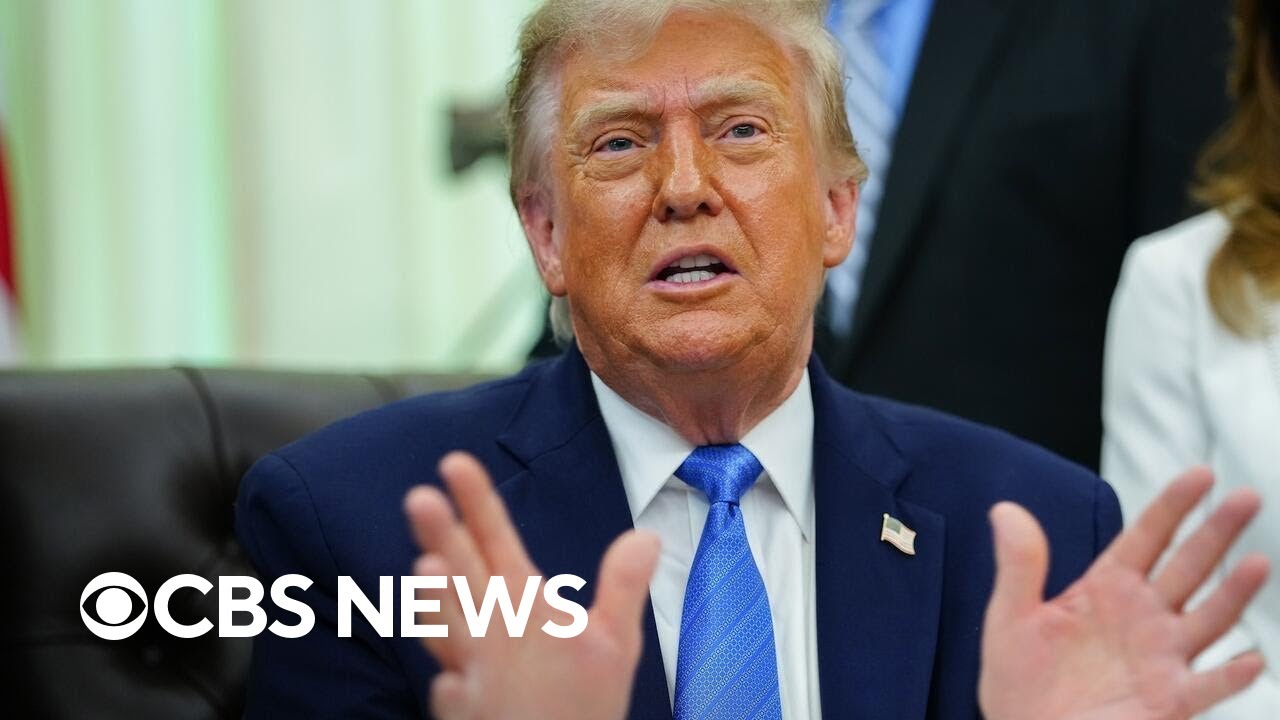
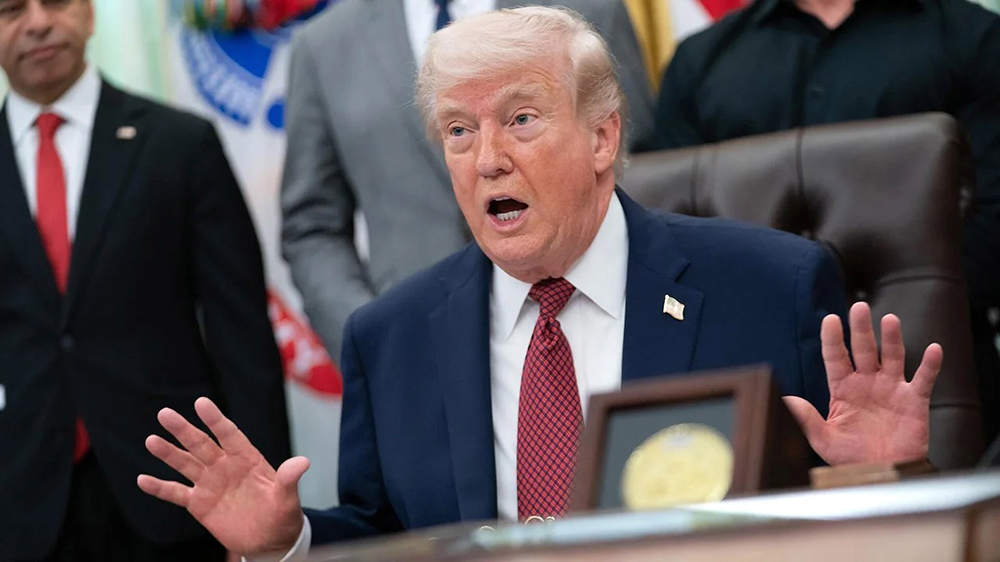
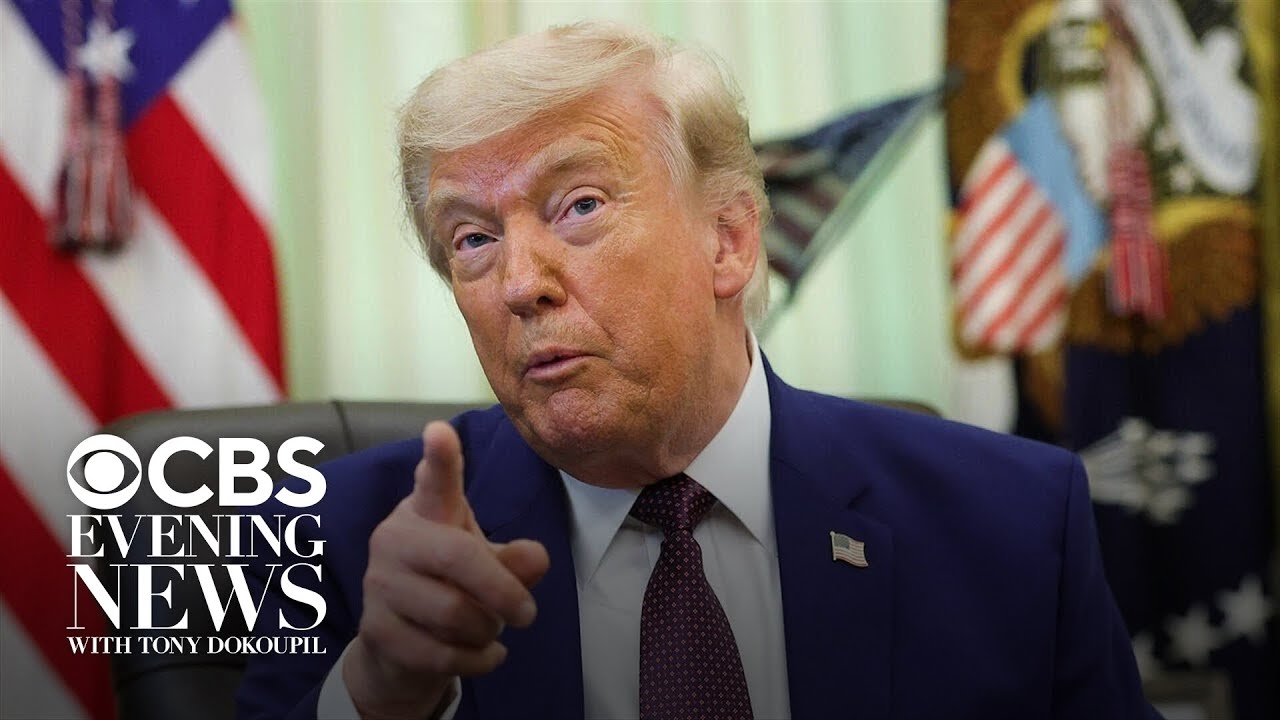
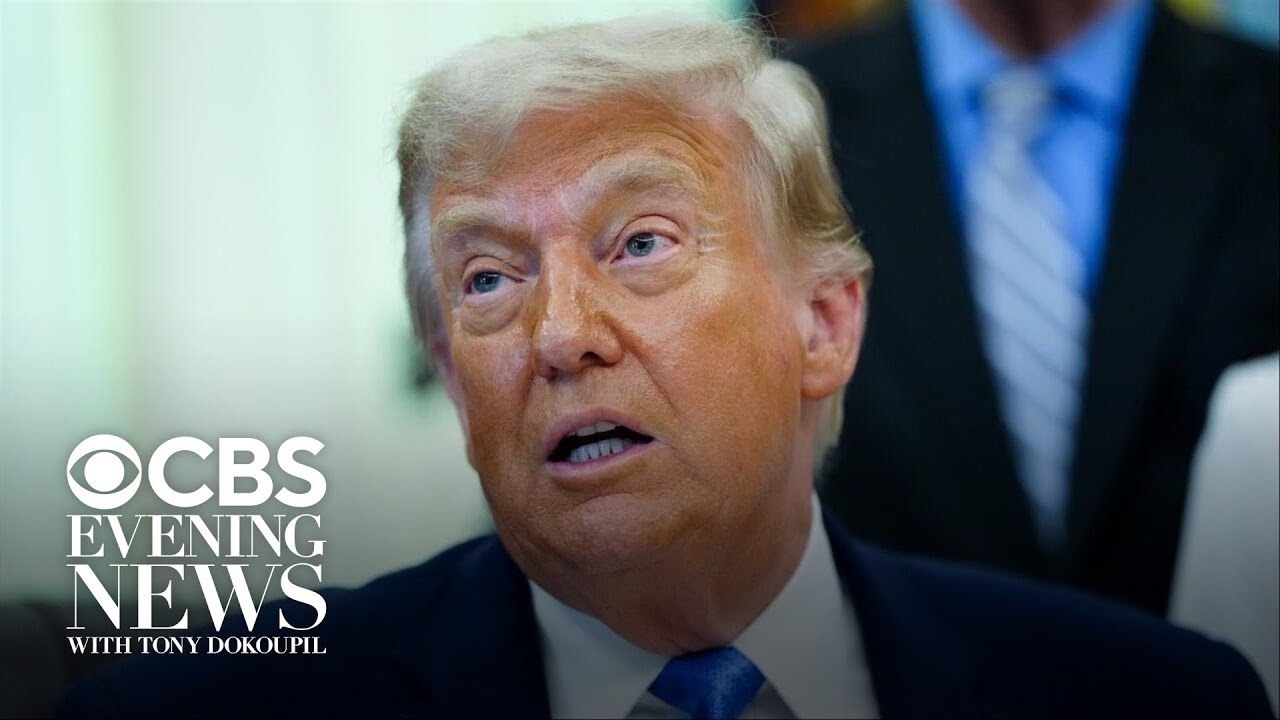
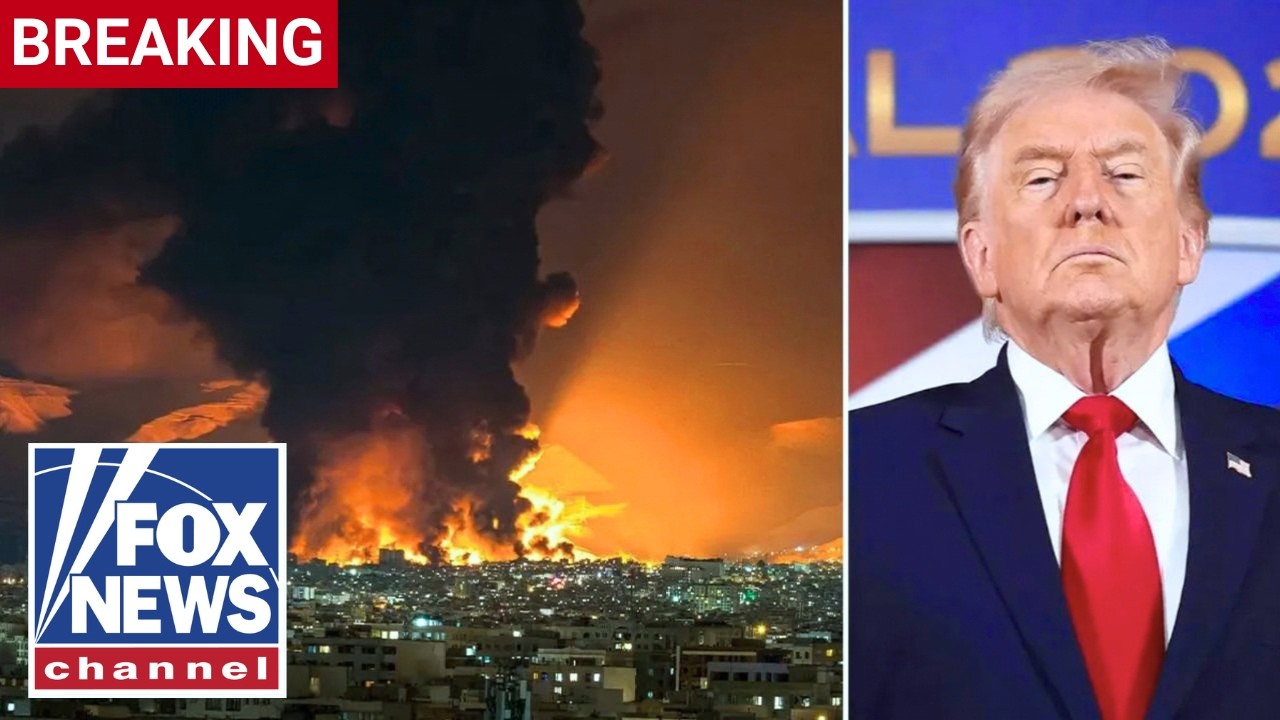
According to a report on Thursday at Reuters, President Trump expressed extraordinary confidence regarding the trajectory of the negotiations, telling reporters at the White House that a comprehensive settlement appeared closer than at any previous point during the nearly three-month-long conflict. “We just made a great settlement of the war with Iran,” Trump declared, according to Reuters.
The president further suggested that a formal signing ceremony could take place as soon as the upcoming weekend, potentially somewhere in Europe, marking what would represent one of the most consequential diplomatic developments in the region in recent years. “The strait will officially open as soon as we sign, which could be soon, very soon, maybe over the weekend in Europe,” Trump stated.
According to Reuters, Trump added that Vice President JD Vance could potentially sign the agreement on behalf of the United States should final arrangements be completed.
The remarks immediately reverberated across international financial markets. Reuters reported that American equity markets responded positively to the president’s comments, while oil prices retreated amid growing expectations that commercial shipping traffic through the Strait of Hormuz could soon return to normal operating conditions.
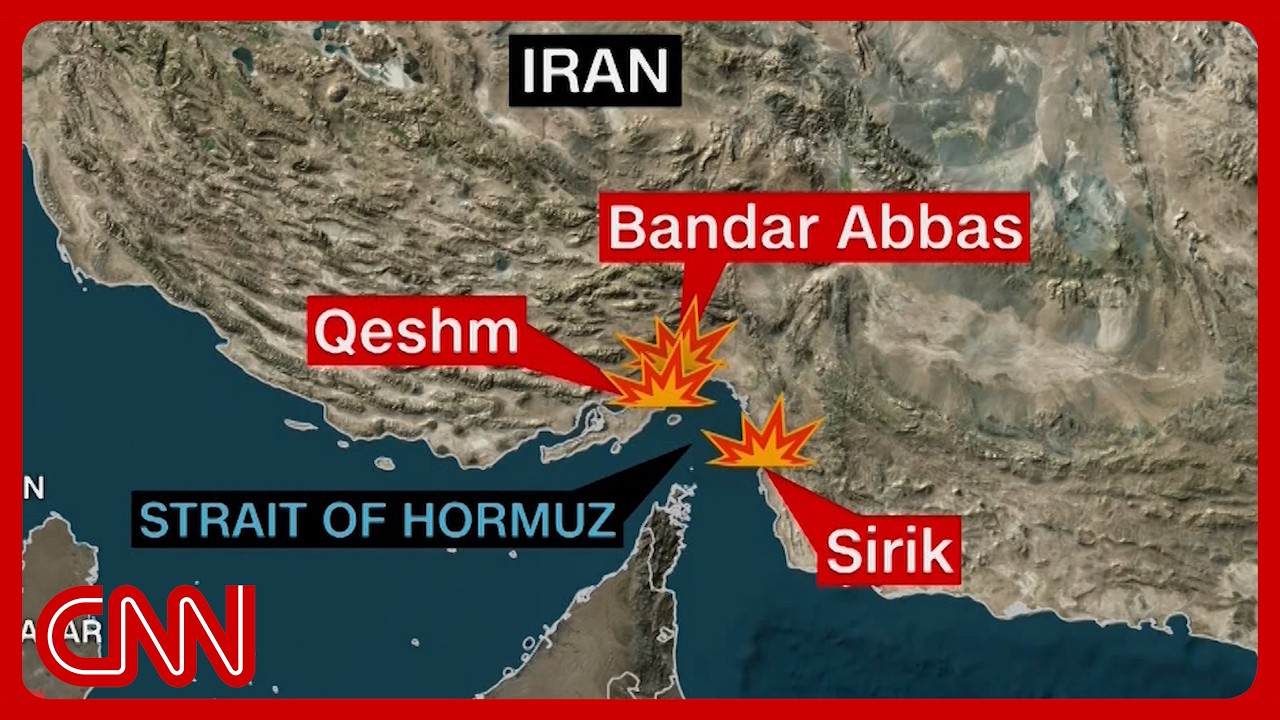
The narrow maritime corridor remains among the most strategically vital waterways on earth. A substantial percentage of the world’s energy exports pass through the strait, making any disruption there a matter of immediate global concern. Since the outbreak of hostilities earlier this year, uncertainty surrounding the passage has contributed significantly to energy-market volatility and heightened geopolitical tensions throughout the Gulf region.
Despite the optimistic tone emanating from Washington, Iranian officials appeared considerably more cautious regarding the status of negotiations.
Reuters reported that Iranian Foreign Ministry spokesman Esmaeil Baghaei stated that while substantial progress had been achieved, Tehran had not yet reached a definitive decision regarding the proposed agreement. “Iran has not yet reached a final conclusion on an agreement,” Baghaei reportedly said.
At the same time, the Iranian spokesman indicated that significant portions of the negotiating framework had already been completed. According to the Reuters report, Baghaei stated that large sections of the text had been finalized but emphasized that Tehran remained unwilling to compromise on what it regards as its fundamental national interests and negotiating red lines.
The contrast between Washington’s confidence and Tehran’s caution highlights the complexity of the diplomatic undertaking. While both sides appear to acknowledge substantial progress, finalizing an agreement involving military, economic, nuclear, and regional-security considerations remains an extraordinarily intricate endeavor.
Nevertheless, President Trump continued to project optimism. “It’s a very strong memorandum of understanding that is a little conceptual,” Trump told reporters, according to Reuters.
The president has repeatedly maintained that the central objective of any agreement must be preventing Iran from obtaining a nuclear weapon. Throughout the conflict and the subsequent negotiations, Trump has consistently framed the dispute through the prism of nuclear proliferation and regional stability. “We have a deal that Iran will never have a nuclear weapon, which was the whole purpose of what we had to go through to get this. So, it was a very big thing,” Trump said on Thursday, according to Reuters.
Iran has long denied pursuing nuclear weapons capabilities and has repeatedly insisted that its nuclear activities are intended solely for civilian and peaceful purposes. According to the Reuters report, Tehran’s demands during negotiations reportedly include the removal of international sanctions, the release of billions of dollars in frozen Iranian assets, and formal recognition of certain Iranian interests relating to the Strait of Hormuz.
The potential agreement appears to have generated significant interest throughout the broader Middle East.
Trump asserted that support for the framework extends beyond Washington and Tehran and includes several major regional actors. According to the Reuters report, the president stated on social media that the arrangement had received approval from “the highest level” of Iranian leadership and had also secured backing from several influential countries throughout the region.
Among the governments Trump identified were Israel, Saudi Arabia, Qatar, and the United Arab Emirates. Those claims could not be independently verified. The Algemeiner and other media outlets have closely followed the diplomatic maneuvering surrounding the conflict, particularly the implications for Israel’s security concerns and regional strategic calculations.
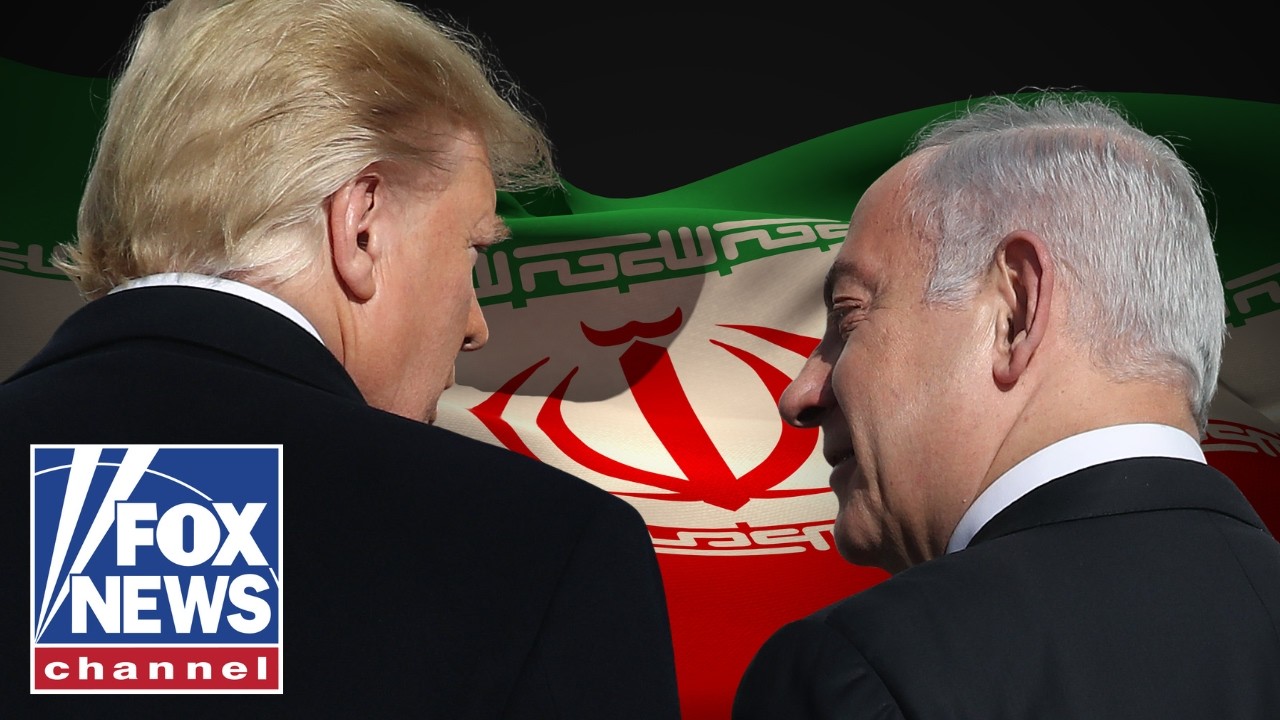
According to reports cited by Reuters, Prime Minister Benjamin Netanyahu held discussions with President Trump on Thursday regarding the evolving negotiations. Following that conversation, Netanyahu’s office reportedly emphasized Israel’s appreciation for Trump’s efforts to secure an agreement addressing several of Jerusalem’s principal security concerns. Reuters reported that Netanyahu’s office indicated that the prime minister welcomed efforts to ensure the removal of enriched nuclear material, the dismantling of enrichment infrastructure, restrictions on missile production, and the termination of support for regional proxy organizations.
Those provisions, if formally adopted and implemented, would address several issues that Israeli officials have consistently identified as central national-security priorities.
The Algemeiner has repeatedly reported on Israel’s longstanding concerns regarding Iranian missile capabilities, enrichment activities, and support for armed groups operating throughout the region.
One particularly sensitive issue reportedly remains the situation in Lebanon. As was noted in the Reuters report, Iranian officials have continued to insist that any comprehensive agreement must also address ongoing hostilities involving Iranian-backed Hezbollah forces and Israeli military operations in Lebanon.
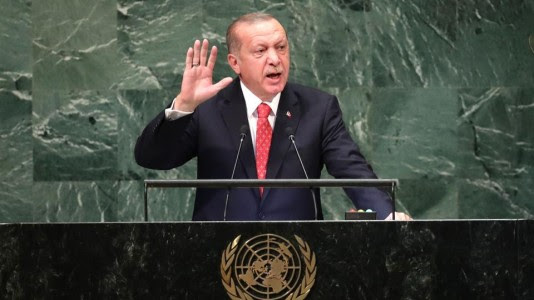
The parallel conflict has remained an important complicating factor throughout negotiations. Trump indicated that additional regional diplomacy may be imminent. Reuters reported that the president stated he expected to speak soon with Recep Tayyip Erdogan, underscoring the broader international dimensions of the ongoing discussions.
The current diplomatic push follows months of military confrontation. The conflict escalated dramatically following U.S. and Israeli air operations launched on February 28, which reportedly inflicted extensive damage on elements of Iran’s military infrastructure before a ceasefire arrangement was eventually announced in April.
Even after that ceasefire, however, tensions persisted. The Reuters report noted that both sides exchanged military strikes during the current week, raising concerns that the fragile truce could collapse entirely and reignite large-scale hostilities.
Against that backdrop, the prospect of a negotiated settlement carries enormous significance. For Washington, a successful agreement could represent a major foreign-policy achievement while stabilizing global energy markets.
For Tehran, it could potentially provide economic relief through sanctions reductions and access to frozen financial assets.
For Israel and other regional governments, it could offer an opportunity to reduce the risk of broader regional conflict while addressing key security concerns.
Yet substantial uncertainty remains. While Trump has repeatedly predicted that an agreement is imminent, the Reuters report noted that previous forecasts of a near-term breakthrough have not always resulted in finalized accords.
Consequently, diplomats, investors, and regional leaders alike remain focused on whether the apparent momentum can be transformed into a binding and enforceable agreement.
For now, the negotiating process appears to be approaching a critical juncture.
Whether the coming days ultimately produce a historic peace accord or reveal the remaining obstacles that continue to divide the parties may determine not only the future of U.S.-Iran relations, but also the broader trajectory of stability, commerce, and security throughout one of the world’s most strategically consequential regions.



