




















Eight University of Michigan-Linked Anti-Israel Activists Indicted in Multi-Year Campaign of Threats, Intimidation & Vandalism
By: Fern Sidman
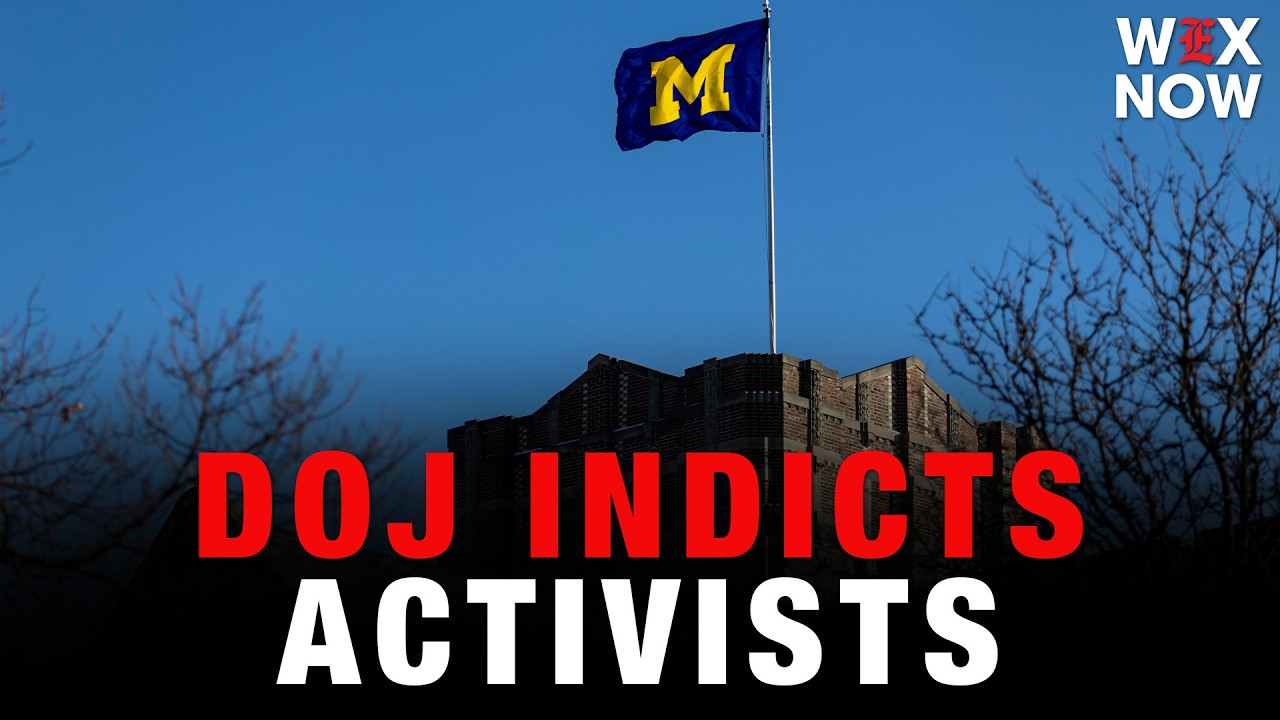
Federal authorities have unveiled sweeping criminal charges against eight individuals associated with anti-Israel activism connected to the University of Michigan, alleging that the defendants participated in a coordinated campaign of threats, intimidation, surveillance, and vandalism directed at university officials, Jewish communal institutions, law enforcement personnel, and private businesses over a period spanning approximately 2½ years.
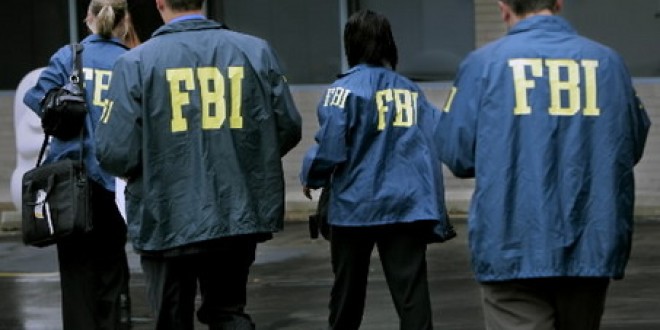
According to a report on Wednesday in The Jerusalem Post, the indictments were announced by the United States Attorney’s Office for the Eastern District of Michigan following a multi-state law enforcement operation that resulted in arrests across Michigan, Illinois, and Wisconsin.
Federal prosecutors allege that the defendants engaged in a conspiracy designed to pressure the University of Michigan into severing ties to Israel. Authorities contend that the campaign intensified following the Hamas-led attacks against Israel on October 7, 2023, and subsequently evolved into an organized effort involving threats, targeted harassment, and acts of vandalism against individuals and institutions viewed by the participants as connected to Israel or supportive of the Jewish state.
The defendants have been identified as Zainab Aliasgar Hakim, 23, of Canton; Amatullah Aliasgar Hakim, 21, of Ann Arbor; Paige Elizabeth Feyock, 26, of Ann Arbor; Ahmet Kerem Korkaya, 28, of Milwaukee; Jonathan Hongru Zou, 22, of Ann Arbor; Alexander Matthew Sepulveda, 23, of Chicago; Mariam Muhammed Odeh, 24, of Dearborn; and Colin Hunter Weger, 24, of Ann Arbor.
According to The Jerusalem Post report, all eight defendants were indicted by a federal grand jury and face charges connected to an alleged conspiracy to transmit threats. If convicted, each could face a maximum prison sentence of five years on the conspiracy charge.
According to allegations outlined by prosecutors and cited in The Jerusalem Post report, investigators believe the defendants engaged in a sustained campaign that targeted a broad range of individuals and organizations. Federal authorities allege that the group focused on university administrators, members of the University of Michigan Board of Regents, Jewish communal organizations, businesses, and others whom they believed had direct or indirect connections to Israel.
The Jerusalem Post reported that prosecutors contend the defendants conducted planning meetings, gathered personal information about intended targets, researched home addresses and business affiliations, and carried out surveillance activities. Authorities further allege that participants discussed methods of evading detection by law enforcement while simultaneously conducting what prosecutors described as counter-surveillance activities.
According to court documents referenced by The Jerusalem Post, investigators believe these activities formed part of a coordinated effort designed to intimidate individuals and institutions into adopting positions favored by the anti-Israel activists. Among the most serious allegations outlined by federal prosecutors are claims that members of the group discussed potential acts of violence against individuals and their families.
According to allegations contained in the indictment and reported by The Jerusalem Post, investigators identified communications in which participants discussed methods of causing harm, including references to poisoning, bombings, arson, and other forms of violence.
Prosecutors allege that Korkaya made comments suggesting that a victim’s family was on a “hit list.” The indictment further alleges that Feyock made statements encouraging action against the children of targeted individuals. According to allegations cited by The Jerusalem Post, Feyock allegedly stated: “Let’s get [Victim’s] kids, bruh. And [Victim’s] too.”
Federal prosecutors also allege that Korkaya made threatening remarks concerning another target, including statements suggesting he could use future medical access to harm an individual. The indictment further alleges that Feyock advocated for surveillance of one target and discussed the possibility of entering and burning down a residence.
The Jerusalem Post reported that prosecutors view these statements as evidence of a broader conspiracy to intimidate and terrorize individuals perceived as political opponents. Defense attorneys have not yet publicly presented their responses to the specific allegations outlined in the indictment.
According to The Jerusalem Post report, one of the central focuses of the alleged campaign involved members of the University of Michigan Board of Regents. Federal authorities allege that participants held meetings devoted specifically to identifying and targeting regents and other university leaders.
Prosecutors cited an April 2024 gathering allegedly labeled “house visits,” during which participants reportedly discussed strategies for confronting members of the Board of Regents at their private residences. According to the indictment, prosecutors allege that some participants advocated visiting targeted homes during late-night hours because doing so would appear more intimidating.
The allegations suggest that authorities believe the campaign extended beyond traditional protest activity and entered the realm of deliberate harassment aimed at private individuals. Federal investigators contend that the objective was not merely to express political views but to create fear among university officials and pressure them into altering institutional policies.
The indictment also details numerous allegations of vandalism. According to The Jerusalem Post report, prosecutors claim that members of the alleged conspiracy carried out nighttime operations involving the defacement of homes and businesses.
Authorities allege that threatening messages, political slogans, and symbols were spray-painted on various properties connected to targeted individuals and organizations. Among the markings reportedly referenced in court documents were slogans associated with anti-Israel activism as well as symbols that federal authorities contend have been used by terrorist organizations in propaganda materials.
The Jerusalem Post reported that investigators cited the use of a red inverted triangle symbol, which authorities noted has appeared in Hamas propaganda videos to designate intended targets. Federal prosecutors allege that the use of such imagery was intended to convey threats and create fear among recipients. The extent of the property damage has not yet been fully detailed publicly, but investigators describe the incidents as part of a coordinated pattern rather than isolated acts of vandalism.
According to The Jerusalem Post report, prosecutors noted that some defendants were connected at various times to anti-Israel activist organizations operating on or around the University of Michigan campus.
Court documents referenced by the publication indicate that authorities examined connections to groups including Students for Justice in Palestine, Students Allied for Freedom and Equality (SAFE), and the TAHRIR Coalition. The indictment also references social media activity allegedly connected to Palestine Action-affiliated platforms.
Federal authorities have not accused these organizations themselves of criminal wrongdoing in the indictment, nor have the organizations been charged. However, investigators reportedly examined social media posts and communications associated with those networks as part of their broader inquiry.
The Jerusalem Post reported that prosecutors believe some defendants used activist platforms to amplify their political demands and publicize their objectives.
The case emerges amid heightened tensions on university campuses throughout the United States following the October 7 Hamas attacks and the subsequent war in Gaza. Across the country, universities have become focal points for intense demonstrations, encampments, disciplinary proceedings, and disputes concerning free speech, antisemitism, academic freedom, and political activism.
The University of Michigan has been among the institutions that experienced significant protests and activism related to the conflict. Federal officials have increasingly warned that legitimate political advocacy must remain distinct from conduct that crosses into threats, intimidation, or criminal activity. The allegations in this case are likely to intensify ongoing debates regarding the boundaries between protest activity and unlawful conduct.
The defendants are expected to appear in federal court as the criminal proceedings move forward. Prosecutors will now be tasked with presenting evidence supporting the allegations contained in the indictment. Defense attorneys will have the opportunity to challenge the government’s claims, contest evidence, and present their own arguments.
As The Jerusalem Post report noted, the indictment represents one of the most significant federal cases to emerge from anti-Israel activism connected to an American university since the outbreak of the Israel-Hamas war.
For now, the allegations remain just that—allegations. The ultimate determination of guilt or innocence will be made through the judicial process as the case proceeds through the federal courts. What is already clear, however, is that the prosecution has drawn national attention because of both the seriousness of the accusations and the broader questions it raises regarding anti-Israel activism, campus unrest, public safety, and the limits of lawful protest in an increasingly polarized environment.



