




















By: Tzirel Rosenblatt
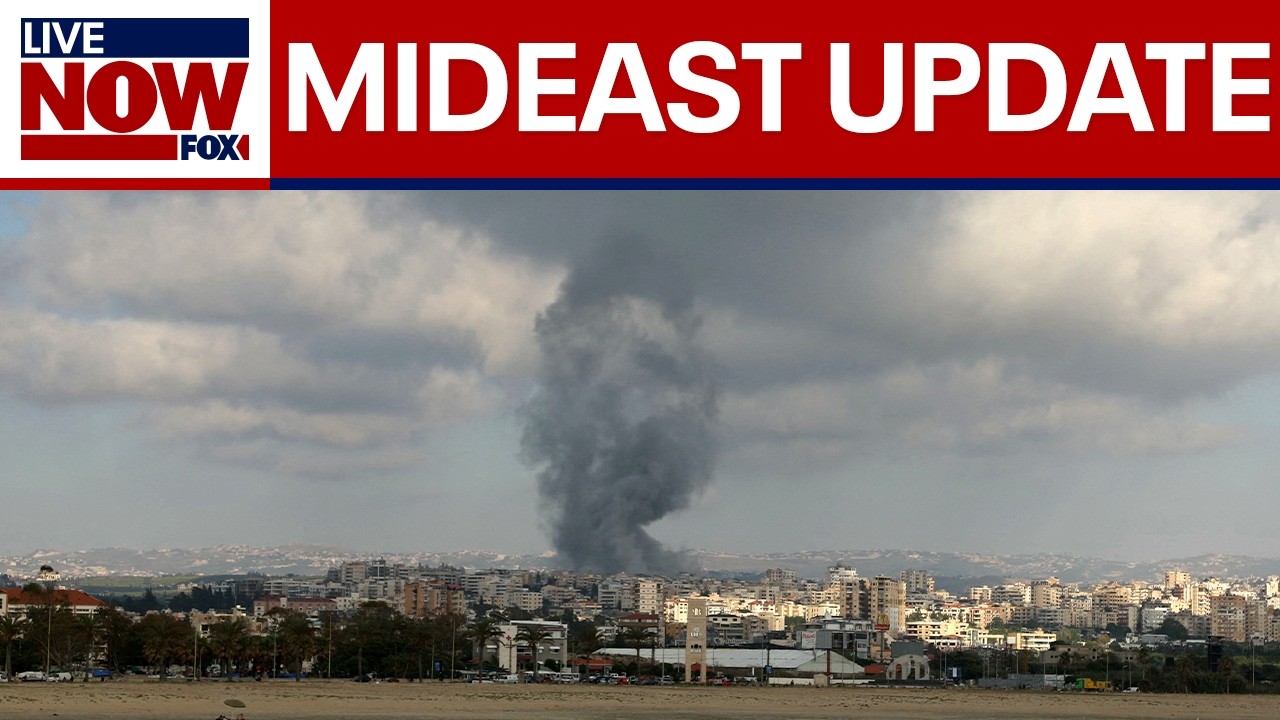
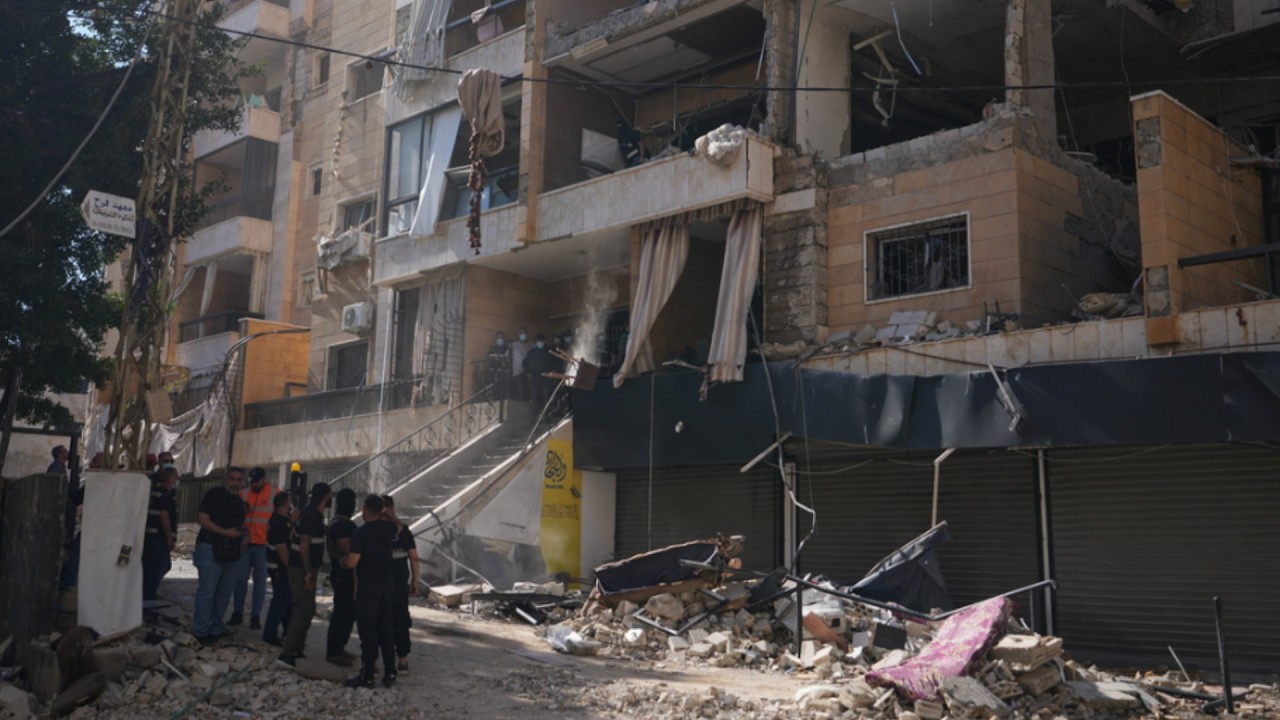
Israel has adopted a significant new security doctrine on its northern front, authorizing immediate military strikes in Beirut in response to any launch from Lebanon that crosses into Israeli territory, a move that underscores growing concern within the country’s security establishment regarding continued threats from Hezbollah and the possibility of renewed confrontation with Iran.
According to reports cited by World Israel News on Tuesday, the decision was approved during a meeting of Israel’s restricted security cabinet on Monday morning and represents one of the most consequential adjustments to Israeli deterrence policy in recent months. The directive grants military authorities broader operational flexibility and is intended to ensure rapid responses to future attacks without the delays associated with obtaining additional political authorization.
The development comes amid an increasingly volatile regional environment marked by continuing tensions involving Iran, persistent threats from Hezbollah in Lebanon, ongoing military operations in Gaza, and heightened concerns among Israeli defense officials that a broader confrontation could erupt with little warning.
World Israel News reported that under the newly approved policy, any projectile launched from Lebanese territory that enters Israeli airspace will automatically trigger a strike in Beirut. The policy eliminates the need for additional approval from Israel’s highest political leadership, including Prime Minister Benjamin Netanyahu and Defense Minister Israel Katz, once the threshold condition has been met.
Israeli officials view the measure as an effort to strengthen deterrence and accelerate operational decision-making during rapidly developing security situations.
The decision reflects a growing belief within the Israeli security establishment that traditional response frameworks may no longer be sufficient in an era characterized by increasingly complex and fast-moving threats.
According to the World Israel News report, military planners and policymakers have sought to create mechanisms that allow Israel to react immediately to hostile actions while preserving the credibility of its deterrence posture.
As of Tuesday, the policy had not yet been activated.
World Israel News reported that no launches crossing into Israeli territory had been recorded since Monday morning, meaning that the newly approved directive remains untested in operational conditions.
Nevertheless, the announcement itself carries substantial strategic significance. By publicly establishing a direct linkage between attacks originating in Lebanon and military action against targets in Beirut, Israeli leaders appear to be signaling that future violations will be met with swift and predictable consequences.
The security cabinet discussions reportedly extended beyond the immediate issue of Lebanon and addressed a broader range of strategic concerns expected to shape Israeli security policy in the months ahead.
According to the World Israel News report, the meeting focused on multiple fronts simultaneously, reflecting the increasingly interconnected nature of regional threats facing Israel.
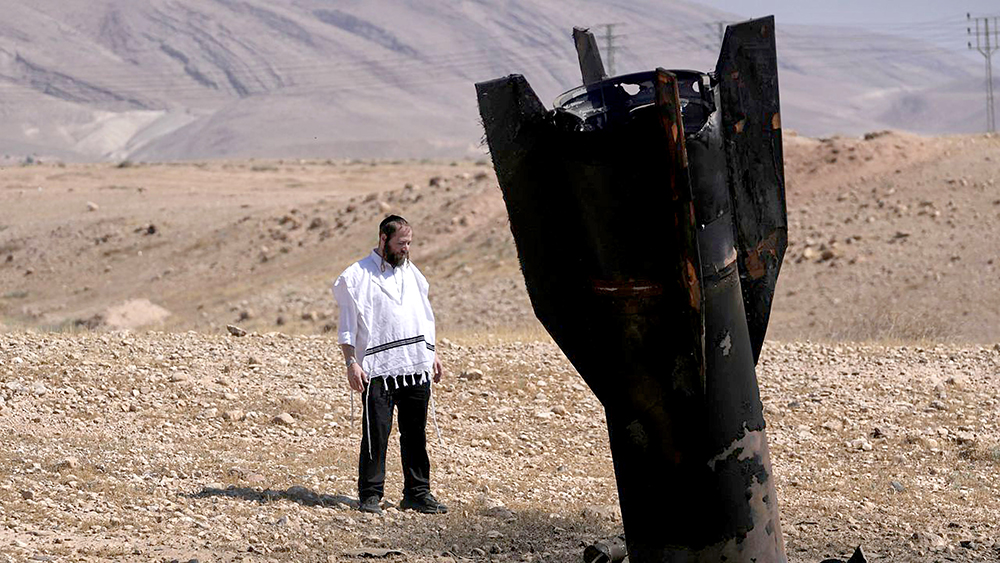
Recent events have contributed to a heightened sense of urgency. Israeli officials continue to assess the implications of the deadly terrorist attack in Kokhav Ya’ir, direct missile launches from Iran, and ongoing violations originating from Lebanese territory.
At the same time, military operations continue in Gaza, where Israeli forces have maintained pressure on terrorist infrastructure through a series of targeted operations. The World Israel News report noted that Israeli decision-makers are confronting one of the most complex security environments in recent memory, requiring simultaneous attention to threats emerging from several different theaters.
The northern front remains a particular concern. Hezbollah retains substantial military capabilities despite sustained Israeli efforts to degrade its infrastructure and operational capacity. Israeli officials have repeatedly warned that the organization continues to pose a significant threat to communities throughout northern Israel.
The new response policy appears designed not only to deter future attacks but also to establish clear rules regarding the consequences of aggression. Military leaders have emphasized that ambiguity can sometimes encourage hostile actors to test limits.
By contrast, clearly articulated response mechanisms are often viewed as enhancing deterrence by reducing uncertainty regarding the likely outcome of future attacks.
The evolving security posture was further highlighted during a visit by Israel Defense Forces Chief of Staff Lieutenant General Eyal Zamir to commander training exercises in northern Israel. According to the World Israel News report, Zamir used the occasion to address both current threats and broader strategic challenges confronting the country.
His remarks provided one of the clearest indications yet that Israeli military leaders continue to view both Iran and Hezbollah as active and ongoing concerns. “The Iranian attempt to dictate equations and change reality will fail,” Zamir declared.
The statement reflected a recurring theme in Israeli security doctrine: the belief that hostile actors must not be permitted to establish new strategic norms through coercion or military pressure.
According to the World Israel News report, Israeli officials have become increasingly concerned about efforts by Iran and its regional allies to reshape deterrence dynamics through missile attacks, proxy warfare, and other forms of military pressure.
Zamir’s comments suggested that Israel intends to resist such efforts aggressively. The chief of staff also revealed that recent military operations constituted only part of a broader strategic framework. “The strike we carried out in Iran was preparation for a much more significant and powerful blow,” he stated.
The comment immediately attracted attention among military analysts because it appeared to imply that additional operational plans remain under consideration. While Israeli officials have not publicly detailed potential future actions, the statement underscored the extent to which military planners continue evaluating contingency scenarios involving Iran.
World Israel News reported that Zamir also emphasized Israel’s ongoing campaign against Hezbollah. “We will continue to operate and deepen the damage inflicted on the Hezbollah terrorist organization and protect the communities of northern Israel,” he said.
The remarks reinforced longstanding Israeli policy objectives aimed at reducing Hezbollah’s military capabilities and preventing future attacks against Israeli civilians. Protecting northern communities remains one of the central priorities of Israel’s security establishment.
Thousands of residents in northern regions have experienced repeated disruptions, missile alerts, and security threats over the course of recent confrontations. Israeli officials have consistently argued that restoring long-term security to these communities requires sustained pressure on Hezbollah and related organizations.
Zamir concluded his comments with a broader warning regarding Israel’s readiness to confront emerging threats wherever they arise. “The IDF remains on high alert and will act forcefully wherever we identify a threat to the citizens of the State of Israel,” he said.
According to the World Israel News report, the statement reflects the current operational posture of the Israeli military, which has maintained elevated readiness levels across multiple commands and theaters. The possibility of renewed conflict with Iran remains a particularly significant concern.
World Israel News reported that a senior security official told Channel 14 News on Monday night that intensive fighting between Israel and Iran could potentially resume within days.
Although no definitive timeline was provided, the assessment illustrates the degree of uncertainty that continues to characterize the regional environment. Military planners often prepare for a range of scenarios simultaneously, and Israeli officials appear determined to ensure that both defensive and offensive capabilities remain fully prepared.
The prospect of renewed confrontation has influenced planning throughout the broader security establishment.
According to the World Israel News report, defense officials have maintained heightened readiness levels in anticipation of possible developments involving Iran, Hezbollah, or other hostile actors operating throughout the region.
This preparedness includes intelligence gathering, air defense operations, force deployments, and contingency planning. The emphasis on readiness reflects lessons learned from previous regional confrontations. Israeli military doctrine places considerable importance on maintaining the ability to respond rapidly to emerging threats while preserving operational flexibility.
In practice, that means sustaining elevated alert levels even during periods when direct hostilities appear to have diminished. World Israel News has repeatedly highlighted the challenges associated with managing multiple simultaneous fronts. Unlike traditional conflicts involving a single adversary, contemporary security threats frequently involve interconnected networks of state and non-state actors operating across national boundaries.
Actions in one theater can quickly generate consequences in another. This interconnectedness helps explain why Israeli leaders continue to evaluate developments in Lebanon, Iran, Gaza, Syria, and Yemen as components of a broader strategic picture rather than isolated incidents.
The newly approved Beirut response policy must therefore be understood within this larger context. Israeli officials appear increasingly determined to establish clear deterrent frameworks that discourage future attacks while preserving freedom of action. Supporters of the policy argue that rapid response mechanisms can enhance deterrence by removing uncertainty regarding Israeli reactions. Clearly, the policy represents a significant evolution in Israel’s approach to the northern front. It also reflects the reality that Israeli leaders continue to view the current period not as the conclusion of a security crisis but as an ongoing phase within a broader regional struggle.
As World Israel News has reported, Israeli officials remain focused on preserving deterrence, protecting civilian populations, and preparing for a wide range of possible future developments. Whether the coming weeks bring renewed confrontation or a period of relative stability remains uncertain. What is clear, however, is that Israel’s security establishment is preparing for both possibilities simultaneously.
The combination of heightened military readiness, expanded operational authorities, continued action against Hezbollah, and persistent concern regarding Iran underscores the seriousness with which Israeli leaders view the current strategic environment. For now, the newly approved response policy stands as both a warning and a declaration of intent: future attacks originating from Lebanon will encounter a faster, more immediate, and potentially more consequential Israeli response than ever before.
As World Israel News has emphasized throughout its coverage, the decision marks a notable chapter in Israel’s ongoing effort to navigate an increasingly complex and unpredictable regional security landscape.



