



















Netanyahu Assails Turkey’s Erdogan as ‘Antisemitic Dictator’ as Trump Expresses Affection
By: Fern Sidman
A fresh diplomatic confrontation erupted on Wednesday between Israeli Prime Minister Benjamin Netanyahu and Turkish President Recep Tayyip Erdogan, underscoring the increasingly strained relationship between two countries whose ties have deteriorated dramatically amid ongoing regional instability and the continuing fallout from the war that followed the October 7, 2023, Hamas attack on Israel.
According to a report on Wednesday by World Israel News, the latest war of words began after Erdogan delivered remarks expressing concern over Israel’s military activities throughout the region, asserting that Jerusalem’s operations in neighboring countries had reached a point where they could potentially affect Turkish interests as well.
The exchange quickly escalated into a highly publicized diplomatic dispute, with both governments issuing sharply worded statements and accusations, further highlighting the profound divisions that have emerged between Ankara and Jerusalem over regional security, the war against Hamas, and broader geopolitical developments throughout the Middle East.
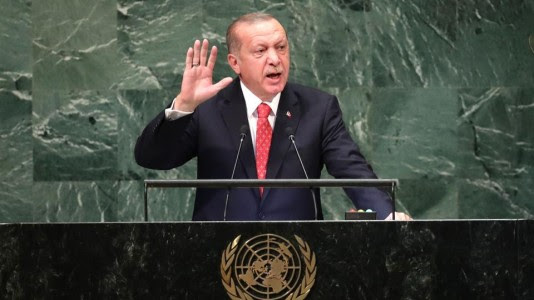
Speaking publicly on Wednesday, Erdogan warned that Israel’s military operations and strategic posture in the region were becoming an increasing concern for Turkey.
According to the report at World Israel News, Erdogan specifically referenced developments in the Mediterranean basin, cautioning against what he characterized as potentially destabilizing initiatives. “We see malicious initiatives led by Israel in the Mediterranean as well, and nobody should pursue adventures there,” Erdogan stated.
Although Erdogan did not elaborate extensively on the specific activities that prompted his remarks, his comments reflected a broader pattern of criticism that Turkish officials have directed toward Israel throughout the nearly two years of conflict that have reshaped regional politics. Turkey has repeatedly condemned Israeli military operations against Hamas in Gaza and has frequently accused Israel of contributing to instability throughout the region. Israeli officials, in turn, have argued that the country’s military actions are defensive measures undertaken in response to terrorism and security threats posed by Hamas, Hezbollah, and other armed organizations aligned with Iran.
The latest remarks from Erdogan therefore represented not an isolated dispute but rather the continuation of a much larger diplomatic and ideological confrontation that has steadily intensified since October 2023.
Netanyahu responded swiftly and forcefully to Erdogan’s criticism. According to the World Israel News report, the Israeli prime minister issued a statement rejecting Erdogan’s comments and accusing the Turkish leader of hypocrisy. “The antisemitic dictator Erdogan, who supports the Hamas terrorist organization, oppresses his own people and imprisons political rivals, is the last person who can preach morality to the State of Israel,” Netanyahu said.
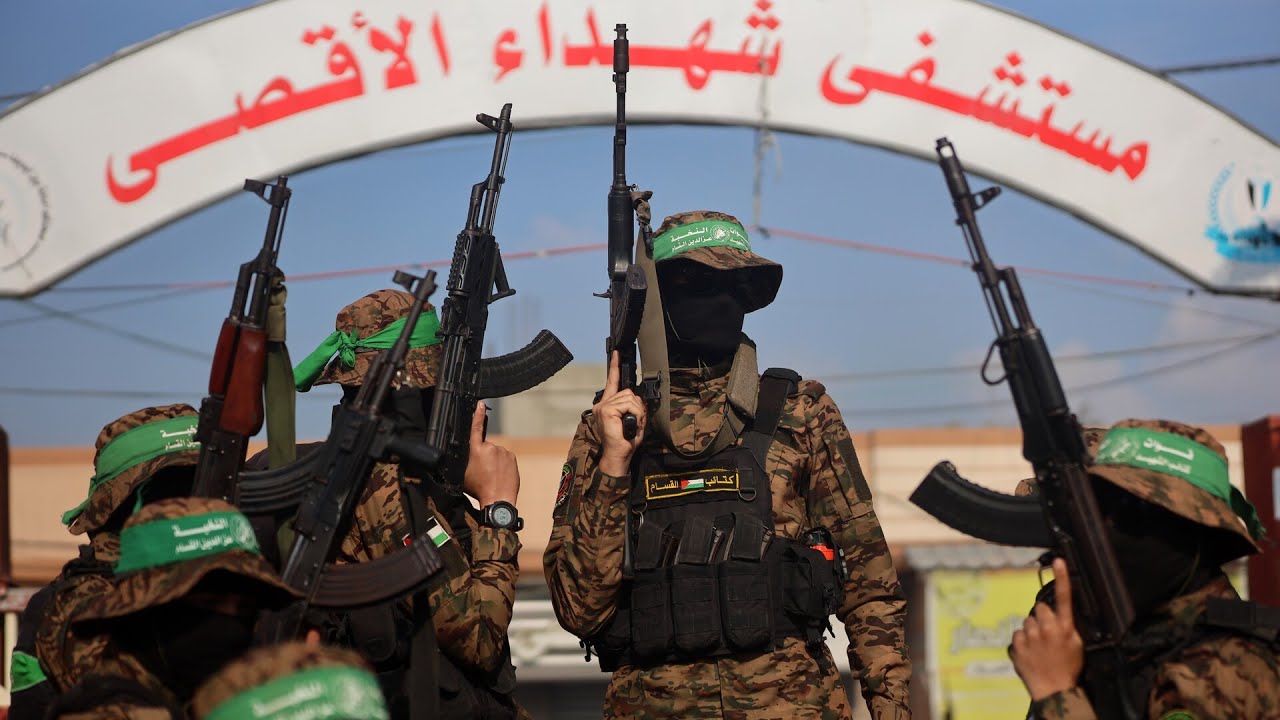
The statement reflected Israel’s longstanding criticism of Erdogan’s relationship with Hamas. Israeli officials have frequently argued that Turkey has provided political legitimacy and support to Hamas figures, an accusation that Turkish authorities have consistently rejected. Netanyahu also leveled additional criticism at Erdogan regarding Turkey’s treatment of Kurdish populations.
According to the information provided in the World Israel News report, the Israeli leader accused Erdogan of carrying out policies amounting to “genocide against the Kurds,” a charge that Turkish officials strongly rejected. The unusually severe rhetoric underscored the extent to which relations between the two governments have deteriorated.
While disagreements between Israel and Turkey are not new, diplomatic analysts note that public exchanges between the leaders of the two countries have become increasingly confrontational since the outbreak of the Gaza war.
Turkey’s Foreign Ministry quickly issued a response condemning Netanyahu’s remarks. According to the World Israel News report, Turkish officials rejected the accusations and charged that the Israeli prime minister was spreading misinformation. The ministry further stated that Ankara would continue pursuing efforts through international legal mechanisms to hold Israeli officials accountable for actions taken during the ongoing conflict.
The Turkish statement reflected Ankara’s broader diplomatic campaign regarding the war, which has included public criticism of Israeli military operations as well as support for international legal proceedings related to the conflict. Israeli officials have repeatedly dismissed such efforts, arguing that Israel is exercising its right of self-defense against terrorist organizations that continue to threaten Israeli civilians.
The competing narratives have become a defining feature of relations between the two countries, making diplomatic reconciliation increasingly difficult despite their historical economic and strategic ties.
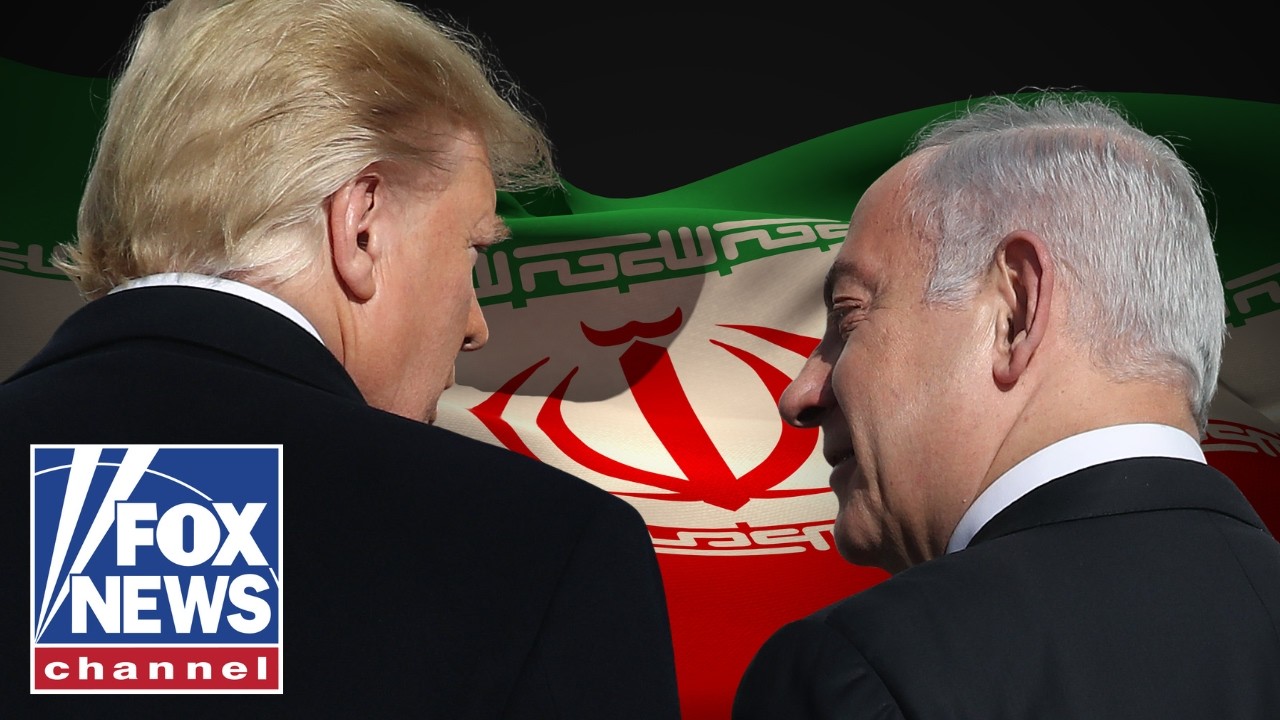
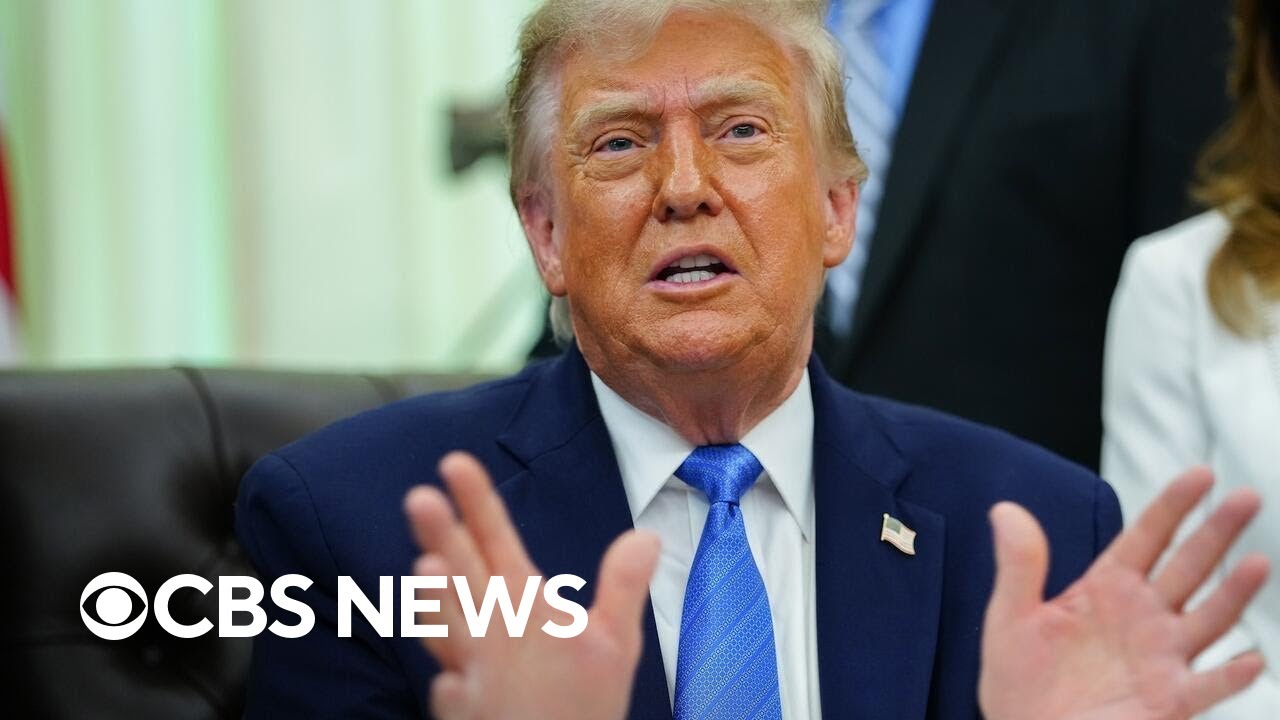
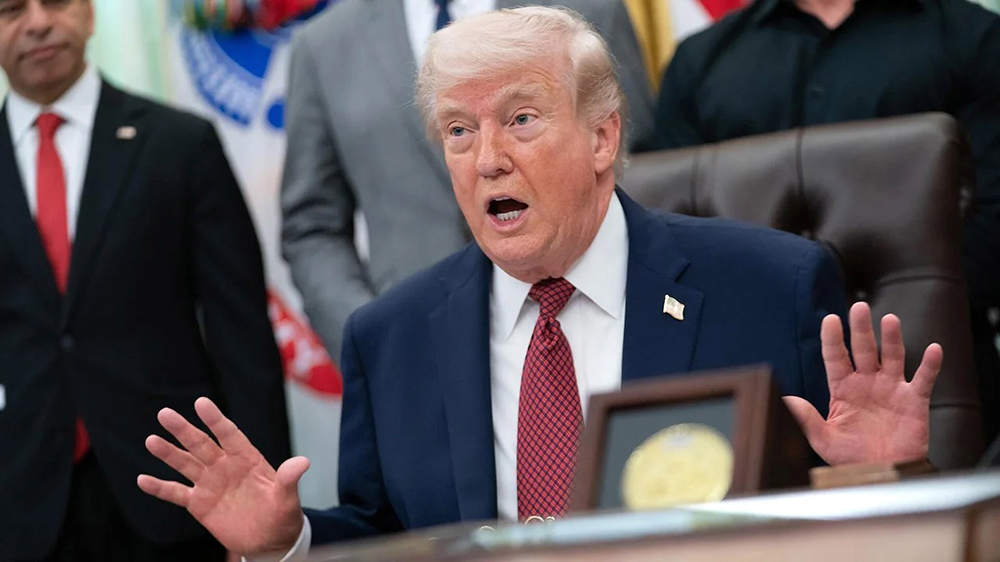
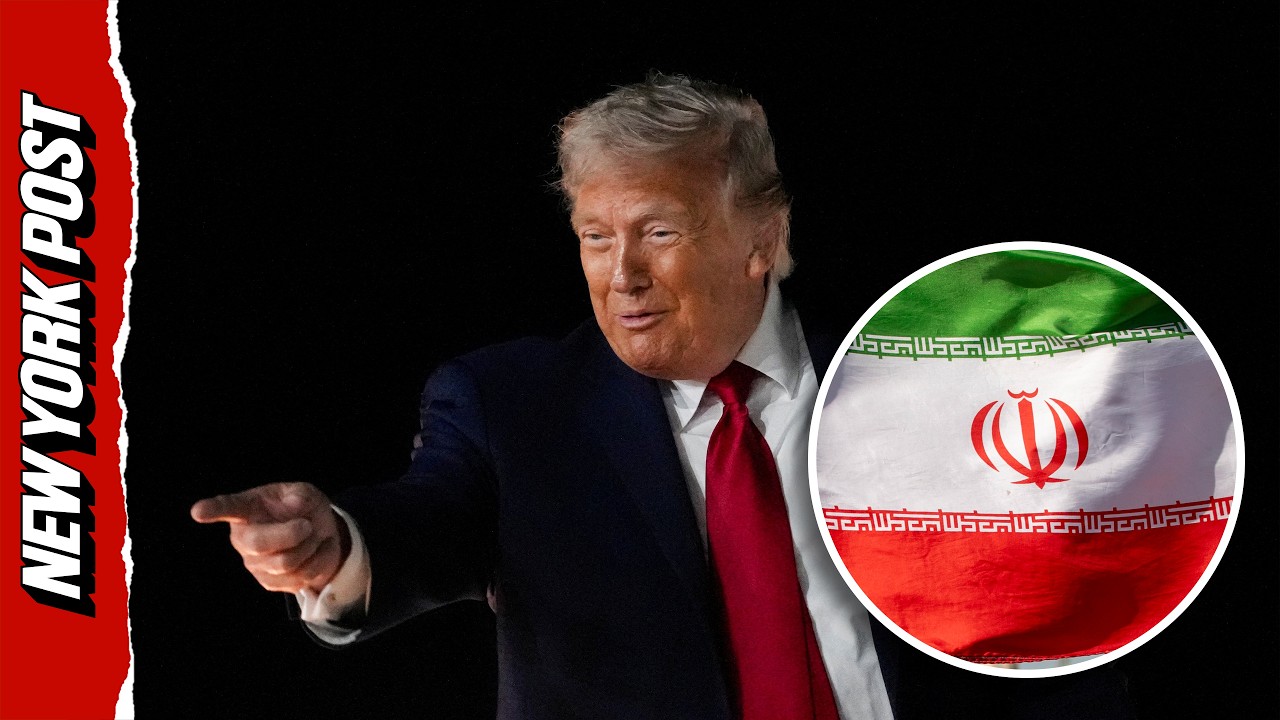
Amid the escalating rhetoric, President Trump sought to downplay concerns that tensions between Israel and Turkey could evolve into a direct confrontation. According to the World Israel News report, Trump addressed the issue during an Oval Office appearance following a domestic security signing ceremony. The president spoke warmly of Erdogan, describing him as a personal friend and emphasizing the positive relationship that exists between the two leaders. “He is a very good friend of mine, and we have worked together very well. I love him. He is a great leader and a very strong person,” Trump said.
When asked by an Israeli journalist whether current tensions could eventually produce a conflict between Israel and Turkey, Trump dismissed the possibility. According to the World Israel News report, Trump suggested that personal diplomacy could prevent any such escalation. “I have not heard of anything like that. If I did, I would call him and make sure everything was fine. I don’t think anything like that will happen with Turkey,” Trump stated. “He respects me, and I respect him. Beyond that, we have a good friendship.”
Trump’s comments reflected Washington’s continued effort to maintain relationships with both Israel and Turkey, two important regional actors whose interests frequently overlap but whose governments have increasingly found themselves at odds.
The current dispute comes against the backdrop of what many analysts describe as one of the most severe downturns in Israeli-Turkish relations in decades. According to information cited by World Israel News from the Moshe Dayan Center for Middle Eastern and African Studies, diplomatic and economic ties between the two countries have deteriorated sharply since October 7, 2023. The relationship once included substantial trade, tourism, intelligence cooperation, and military coordination. For many years, Israel and Turkey maintained one of the closest partnerships between a Jewish state and a majority-Muslim nation.
That relationship has gradually weakened over the past two decades amid political changes in both countries and growing disagreements regarding regional policy. However, analysts cited by World Israel News note that the deterioration accelerated dramatically after Hamas launched its unprecedented attack on southern Israel in October 2023, triggering a war that continues to influence regional politics.
According to reports referenced by World Israel News, bilateral trade has been suspended, diplomatic relations have largely collapsed, and political rhetoric has become increasingly hostile.
The public confrontation between Netanyahu and Erdogan carries significance beyond the personal dispute between two leaders. Regional analysts note that Israel and Turkey remain influential powers whose actions affect security calculations throughout the eastern Mediterranean, the Levant, and the broader Middle East. According to the World Israel News report, concerns regarding maritime activity, energy resources, regional alliances, and military operations have all contributed to growing friction. At the same time, both countries continue to navigate a highly volatile regional environment shaped by ongoing conflicts involving Hamas, Hezbollah, Iran, Syria, and other actors.
While neither government has indicated any desire for direct military confrontation, the increasingly hostile rhetoric demonstrates how profoundly relations have changed since the outbreak of the Gaza war.
Despite Trump’s optimistic assessment that tensions are unlikely to escalate further, the underlying disagreements between Jerusalem and Ankara remain substantial. According to the World Israel News report, Turkish leaders continue to express strong opposition to Israeli military operations, while Israeli officials remain sharply critical of Erdogan’s positions regarding Hamas and broader regional issues.
Diplomatic observers note that repairing the relationship will likely require significant political changes and confidence-building measures that currently appear distant. For now, the latest exchange serves as another reminder of the increasingly fragmented geopolitical landscape of the Middle East, where long-standing alliances and rivalries continue to evolve amid ongoing conflict and uncertainty.
As regional tensions persist, the verbal confrontation between Netanyahu and Erdogan illustrates how disputes that once remained largely diplomatic have become increasingly public, personal, and politically consequential, with ramifications extending well beyond the borders of either country.



