
















By: Jeff Gorman
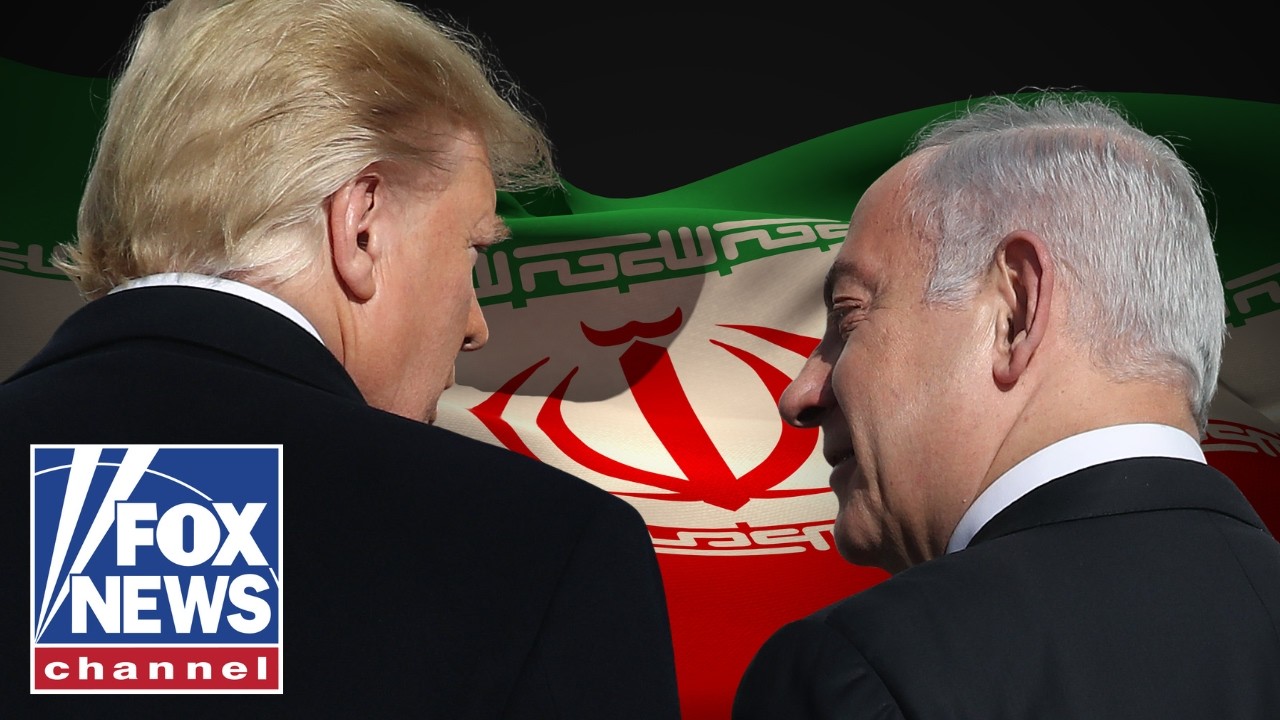
Prime Minister Benjamin Netanyahu’s political future has once again become the subject of intense public discussion following remarks by President Trump and the publication of a new public opinion survey suggesting that a majority of Israelis do not want the veteran leader to seek another term in office.
According to report on Wednesday in The Times of Israel, Trump raised questions this week regarding whether Netanyahu intends to continue his long and often tumultuous political career, even as the Israeli prime minister’s party swiftly reaffirmed that he plans to contest the next national election.
The discussion comes at a pivotal moment in Israeli politics. Netanyahu, now 76 years old and already the longest-serving prime minister in the nation’s history, remains one of the most influential and polarizing figures in Israeli public life. His supporters credit him with guiding Israel through multiple security crises, expanding diplomatic ties abroad, and maintaining a commanding presence on the international stage. His critics, meanwhile, argue that he bears substantial responsibility for policy failures, political polarization, and institutional tensions that have intensified during his years in office.
As The Times of Israel reported, the debate surrounding Netanyahu’s future has become increasingly prominent as Israel moves closer to a national election that must be held no later than October 27. Although the election date has not yet been formally set, political parties across the country are already preparing for what many analysts expect to be one of the most consequential electoral contests in recent Israeli history.
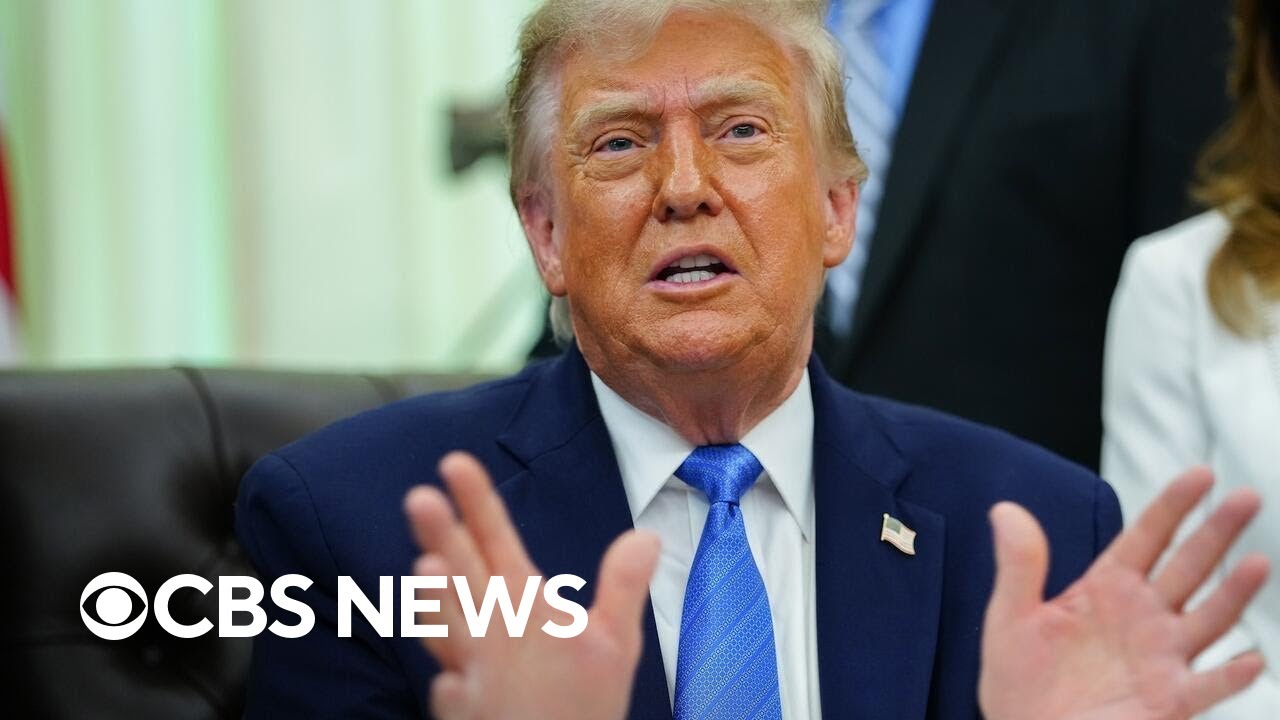
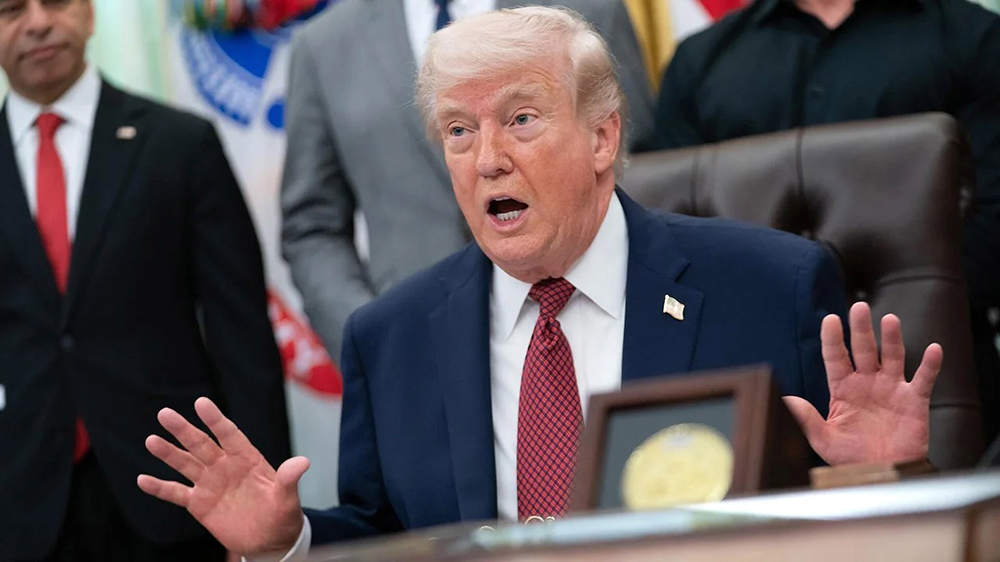
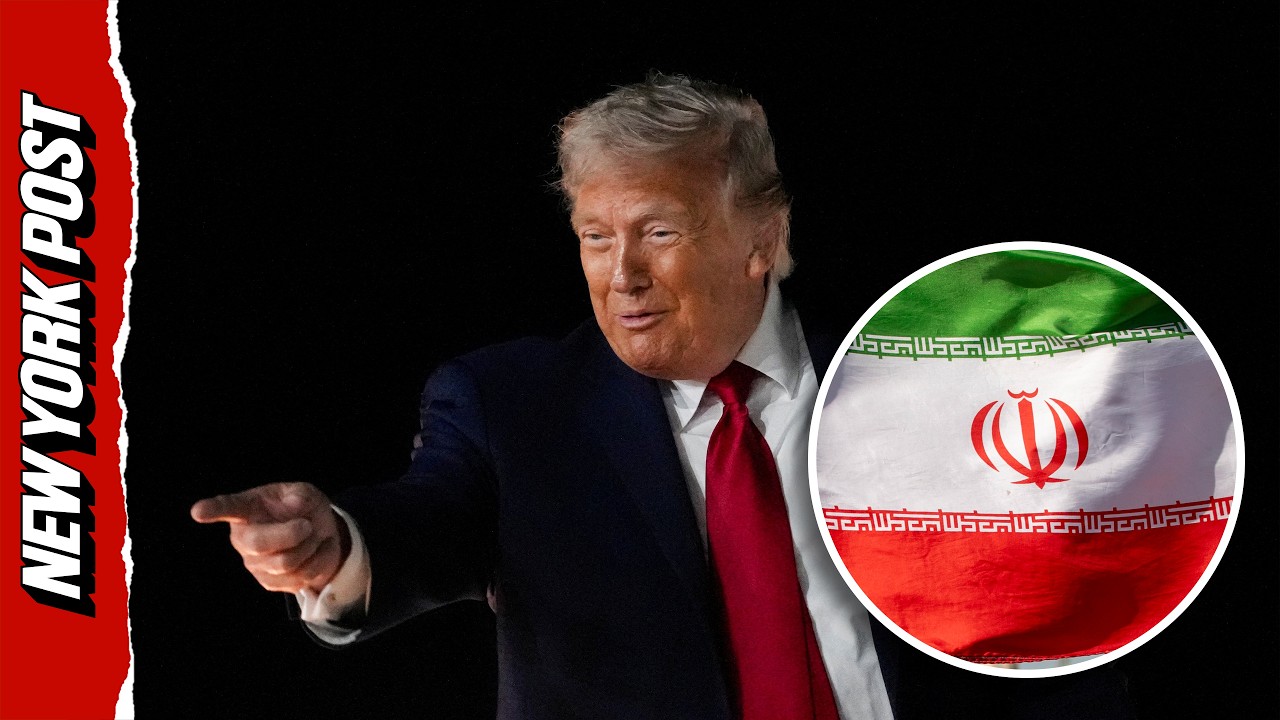
The latest discussion regarding Netanyahu’s future was sparked by comments made by President Trump during an interview focused primarily on the conflict involving Iran. According to The Times of Israel report, Trump told ABC News correspondent Jonathan Karl that he was uncertain whether Netanyahu himself wished to remain in politics after decades at the center of Israeli public life. “I don’t know, he’s had an amazing career,” Trump reportedly said.
The president then raised a question that immediately attracted significant attention within Israel’s political system. “Does he want to continue?” Trump reportedly asked. According to The Times of Israel report, Trump characterized Netanyahu as a leader whose tenure has become deeply associated with periods of conflict and national security challenges.“Because, you know he’s a wartime prime minister,” Trump said.
Trump reportedly added that he also views himself as a wartime leader, drawing a parallel between the security challenges facing both countries. The remarks were widely interpreted as an observation rather than an indication that Netanyahu intends to leave political life. Nevertheless, they generated considerable discussion because they touched upon a question increasingly being debated among Israeli voters: whether the longtime prime minister should continue leading the country into another electoral cycle.
Any speculation that Netanyahu might be considering retirement was quickly dismissed by his political party. According to The Times of Israel report, the ruling Likud party issued a statement through social media reaffirming that Netanyahu intends to run again. “Netanyahu will run in the upcoming election, and, God willing, will win,” the party stated. The declaration was consistent with Netanyahu’s recent political conduct.
The Times of Israel report noted that Netanyahu has given no public indication whatsoever that he intends to step aside. On the contrary, he has increasingly appeared to be operating in campaign mode, traveling, speaking publicly, and maintaining a highly visible political profile despite ongoing security challenges and coalition disputes.
His position within Likud also remains exceptionally strong. Unlike many veteran political leaders who eventually confront internal rebellions, Netanyahu continues to exercise enormous influence over party institutions and lawmakers. The Times of Israel reported that he faced no challengers in Likud leadership primaries held in November, underscoring the degree of control he maintains within Israel’s largest right-wing political party.
At the same time, polling data suggests that public attitudes toward Netanyahu remain deeply divided. According to The Times of Israel report, a new survey conducted by the Israel Democracy Institute found that a majority of respondents do not believe Netanyahu should seek another term as prime minister.
The survey found that 61 percent of Israelis overall opposed another Netanyahu candidacy, while 35 percent supported it. Among Jewish Israelis specifically, 57 percent said Netanyahu should not run again, while 39.5 percent indicated that he should.
Those numbers suggest significant public fatigue among portions of the electorate after Netanyahu’s lengthy tenure.
Yet the poll also revealed a more nuanced political reality. Support for Netanyahu remains exceptionally strong among voters on the political right. According to The Times of Israel report, 69 percent of right-wing respondents supported another Netanyahu candidacy, while only 27 percent opposed it. In contrast, substantial majorities among center-right, centrist, center-left, left-wing, and Arab respondents opposed another run by the prime minister.
The survey found opposition rates of 64 percent among center-right voters, 83 percent among centrists, 85 percent among center-left respondents, 97 percent among left-wing participants, and 83 percent among Arab citizens.
The data illustrates the increasingly polarized nature of Israeli politics, where Netanyahu continues to command intense loyalty among supporters while facing equally strong opposition from many of his detractors.
Much of the debate surrounding Netanyahu’s future continues to be shaped by the aftermath of the Hamas-led attack of October 7, 2023. As The Times of Israel has reported extensively, many Israelis regard the events leading up to the attack as one of the gravest intelligence and strategic failures in the country’s history. Critics argue that Netanyahu, as the nation’s leader during the years preceding the attack, bears significant responsibility for policies and decisions that contributed to Israel’s vulnerability. Others accuse him of fostering political divisions and weakening public confidence in state institutions during a period of growing internal tension.
Supporters reject those criticisms. They argue that Netanyahu inherited a difficult security environment and has demonstrated effective leadership during wartime. They point to military operations conducted since October 7, diplomatic engagement with key allies, and Netanyahu’s extensive international experience as evidence that he remains uniquely qualified to lead the country during periods of uncertainty.
The Times of Israel noted that these sharply divergent interpretations continue to shape virtually every discussion about Netanyahu’s political future.
Despite public dissatisfaction reflected in many surveys, Netanyahu’s political position remains far from hopeless. One of the more intriguing findings cited by The Times of Israel involves voter perceptions regarding coalition-building. When respondents were asked which political bloc was more likely to form the next government, 36 percent of Jewish Israelis said the pro-Netanyahu bloc had the better chance. Only 26 percent believed the anti-Netanyahu bloc was more likely to succeed. Another 18 percent said both blocs had roughly equal chances, while 20 percent indicated uncertainty.
Those figures suggest that even many voters who may not personally support Netanyahu still view him as a formidable political strategist capable of assembling governing coalitions.
That perception reflects Netanyahu’s long record of political survival. Over the course of several decades, he has repeatedly overcome electoral setbacks, coalition crises, legal challenges, and internal party disputes to remain a dominant force in Israeli politics.
The survey also highlighted broader questions about political leadership and institutional reform. According to The Times of Israel report, 61 percent of respondents expressed support for establishing a two-term limit for future prime ministers. Support for term limits extended across multiple ideological camps.
Interestingly, majorities among Jewish Israelis on the left, center, and right reportedly favored imposing such limits after Netanyahu eventually leaves office. The finding suggests that many Israelis are increasingly interested in structural reforms designed to encourage leadership turnover and reduce prolonged concentrations of political power.
Although no immediate legislation appears imminent, the issue is likely to remain part of broader discussions regarding governance and democratic institutions.
The survey also offered insights into Israeli perceptions of the United States and President Trump. According to The Times of Israel report, most respondents no longer view Israel’s security as Trump’s primary concern. That finding reflects evolving attitudes amid complex regional developments and ongoing diplomatic negotiations involving Iran and other Middle Eastern actors.
The poll was conducted between May 31 and June 5, before several significant developments that later affected Israeli-American relations and regional security dynamics. As The Times of Israel report noted, the survey preceded renewed Iranian missile launches toward Israel and subsequent disagreements regarding military responses and ceasefire arrangements.
As a result, public attitudes may have shifted since the survey was completed.
With elections approaching, Netanyahu’s future remains one of the central questions facing Israeli voters. Few political leaders anywhere in the democratic world have remained as influential for as long as Netanyahu. His supporters see him as an experienced statesman capable of navigating extraordinary challenges. His critics argue that Israel requires a new generation of leadership and a fresh political direction.
For now, however, Netanyahu has given every indication that he intends to remain in the arena. As The Times of Israel reported, Likud’s leadership remains firmly behind him, and he continues to command substantial support among right-wing voters.
Whether that support will be sufficient to secure another term remains uncertain. What is clear is that the upcoming election is shaping up as much more than a contest between parties. It is increasingly becoming a referendum on one of the most consequential, controversial, and enduring political careers in Israel’s modern history.


