





















Netanyahu Vows Zero Tolerance for Hezbollah Aggression as Israel Strikes in Beirut; Trump Calls For All Sides to Stand Down
By: Fern Sidman
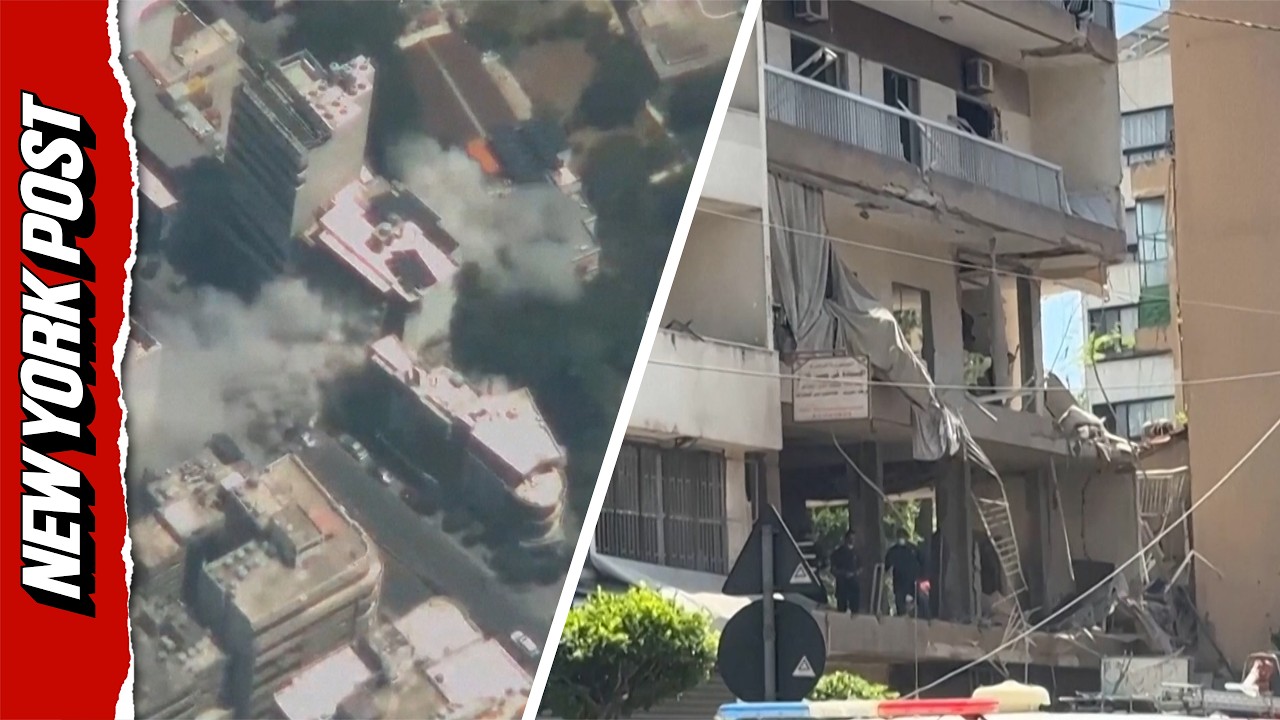
A dramatic new chapter in the volatile confrontation between Israel, Hezbollah, and Iran unfolded on Sunday as Israeli forces carried out a precision strike against a Hezbollah command center in Beirut’s Dahieh district, eliminating senior operatives and reigniting concerns about a broader regional conflict. According to a report by Israel National News, the operation came in direct response to a series of unmanned aerial vehicle infiltrations launched from Lebanese territory into northern Israel earlier in the day.
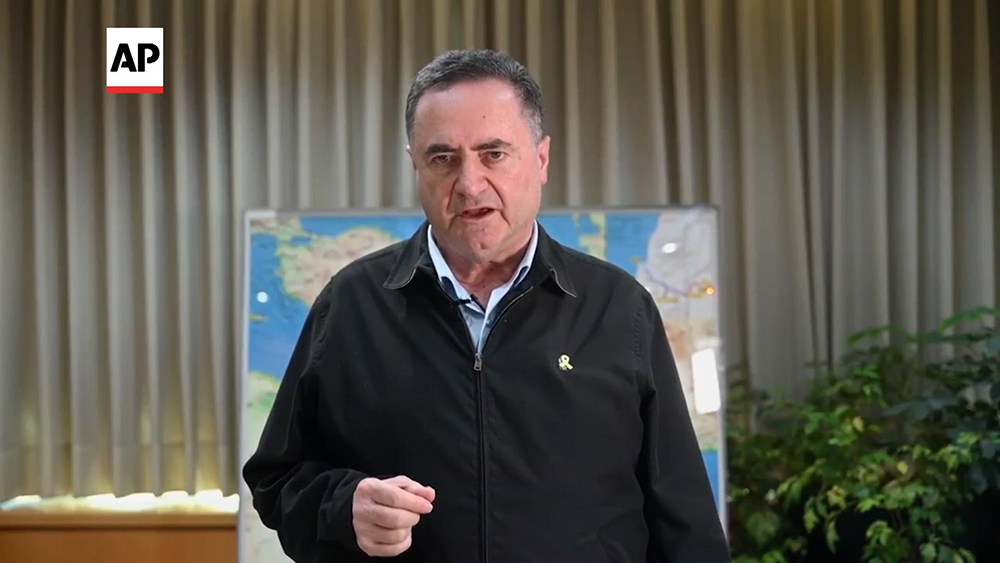
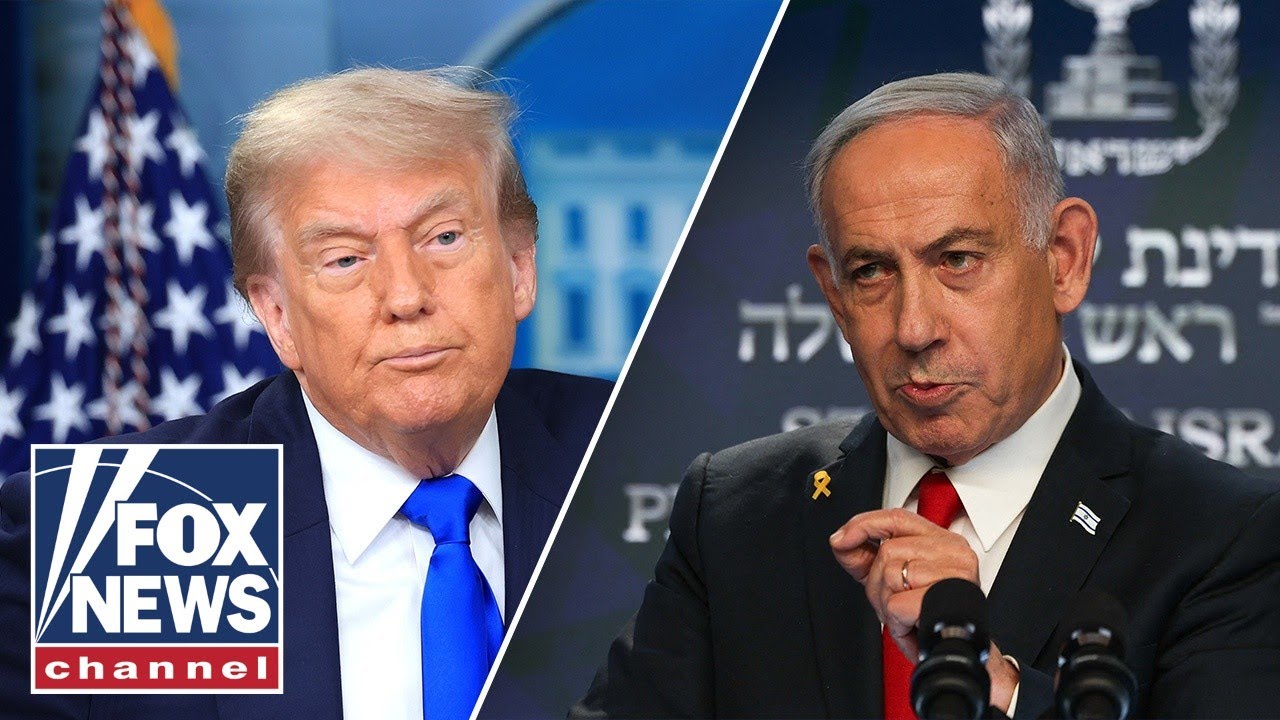
Israeli Prime Minister Benjamin Netanyahu delivered an unequivocal message following the operation, declaring that Israel would not tolerate attacks originating from Lebanese territory and emphasizing that any threat directed at Israeli civilians or military personnel would be met with decisive force.
The strike, which targeted a Hezbollah command facility in the southern suburbs of the Lebanese capital, represents one of the most significant Israeli military actions in Beirut in recent months and underscores the precarious security environment that continues to define Israel’s northern frontier. Israel National News reported that the operation was conducted after three drones launched from Lebanon penetrated Israeli airspace during the morning hours.
According to Israeli military officials cited by Israel National News, two of the drones exploded in the Shlomi area of the western Galilee, while a third detonated inside a military zone within Israeli territory. Although the incidents did not immediately trigger a wider conflict, Israeli defense officials viewed the infiltration as a serious escalation that required an immediate and forceful response.
The Israel Defense Forces subsequently confirmed that the target of the strike was a Hezbollah command center located in Dahieh, a district long regarded as one of the organization’s principal strongholds. Israeli military officials stated that Hezbollah operatives had used the facility to coordinate and advance terrorist activities directed against Israeli civilians and Israeli military personnel operating in southern Lebanon.
According to the information provided in the Israel National News report, the strike resulted in the elimination of the commander of Hezbollah’s communications unit, along with two additional Hezbollah terrorists. Military officials described the operation as highly precise and carefully calibrated to neutralize an operational threat while minimizing broader collateral damage.
The operation immediately elevated tensions throughout the region and prompted heightened security preparations inside Israel.
Following the strike, the Israel Defense Forces announced that Chief of Staff Lieutenant General Eyal Zamir was conducting ongoing assessments with senior commanders across multiple operational sectors. The military stated that preparations were underway for the possibility of retaliatory attacks against Israeli territory in the hours following the Beirut operation.
In a statement cited by Israel National News, the IDF said that military leadership was preparing for a range of defensive and offensive contingencies. “Following the IDF strike in Beirut, IDF Chief of Staff Lieutenant General Eyal Zamir is conducting an ongoing situational assessment with all relevant commanders,” the military stated.
The statement continued by warning that the military was preparing for potential attacks against Israel while simultaneously emphasizing that no immediate changes had been made to civilian defense protocols. “In accordance with the situational assessments, the IDF is preparing for potential fire toward the territory of the State of Israel in the coming hours. The IDF remains on high alert and prepared for a range of defensive and offensive scenarios,” the statement said.
At the same time, military authorities sought to reassure the public. “At this time, there is no change to the Home Front Command’s defensive guidelines. Should there be any changes, the public will be updated accordingly,” the military added.
The strategic implications of the strike extend far beyond Lebanon. According to the Israel National News report, Israeli officials are now closely monitoring the possibility that Iran may seek to retaliate directly or indirectly in response to the operation.
An Israeli source cited in reports indicated that Jerusalem had anticipated the possibility that an attack against a Hezbollah command center in Beirut could trigger a reaction from Tehran, potentially including ballistic missile launches directed at Israeli territory.
The concern is especially acute given the broader geopolitical backdrop in which the operation occurred. The strike took place on the same day that President Trump indicated that the United States and Iran were nearing the signing of an initial ceasefire arrangement and memorandum of understanding designed to reduce tensions following months of conflict and diplomatic negotiations.
According to reports, Israeli officials informed United States Central Command in advance of the Beirut operation, reflecting the close coordination that continues to characterize military and intelligence cooperation between Jerusalem and Washington.
Nevertheless, the timing of the strike has injected fresh uncertainty into diplomatic efforts that had appeared to be gaining momentum.
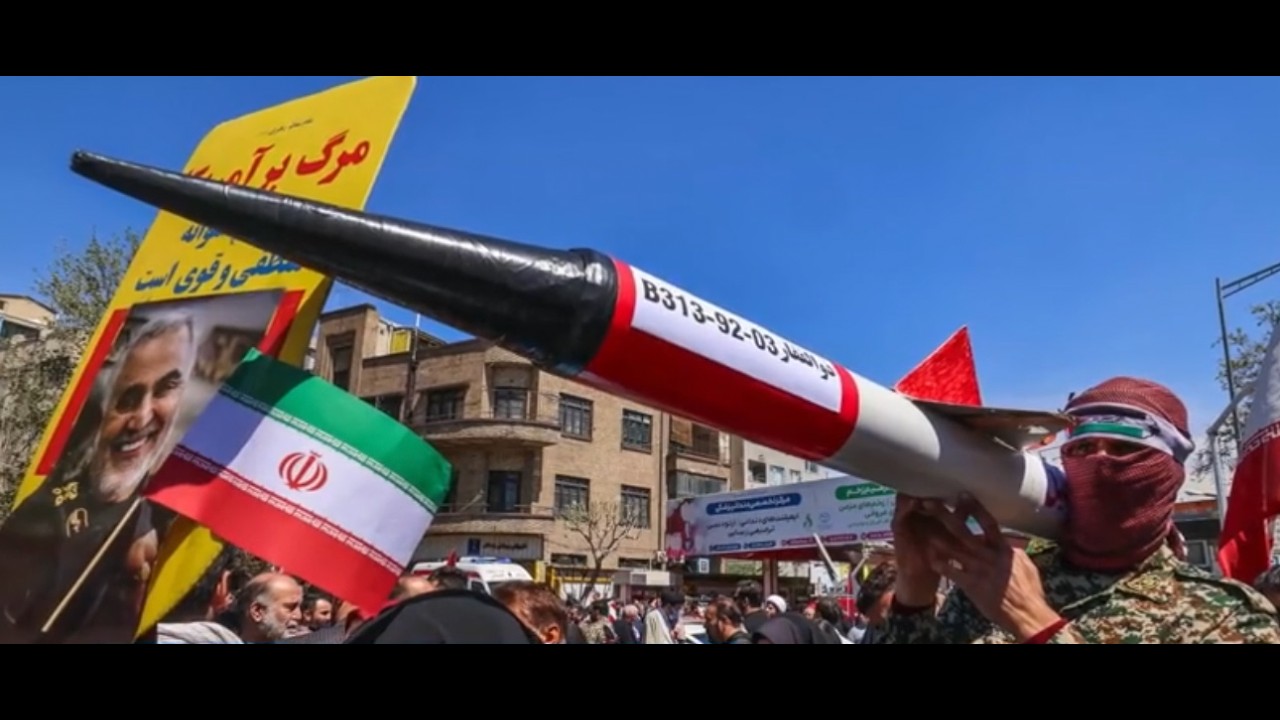
Iranian officials reacted swiftly and forcefully. The Khatam al-Anbiya Central Headquarters of the Islamic Revolutionary Guard Corps issued a warning that the Israeli operation would not go unanswered. “The crimes of the Zionist entity in Dahiyeh will not go unanswered,” the organization declared in a statement reported by Israel National News.
Such rhetoric immediately fueled speculation regarding the possibility of retaliatory actions by Iranian-backed forces operating throughout the region, including Hezbollah in Lebanon and other proxy organizations aligned with Tehran’s strategic objectives.
For many observers, the latest developments illustrate the enduring complexity of the regional security landscape. Hezbollah remains Iran’s most powerful proxy force and possesses a vast arsenal of rockets, missiles, drones, and military infrastructure embedded throughout Lebanon.
Israeli officials have repeatedly argued that Hezbollah’s military build-up represents one of the most significant threats facing the Jewish state. The organization’s extensive capabilities have long been viewed in Jerusalem as an extension of Iranian power projection designed to encircle Israel with multiple fronts of confrontation.
The discovery of ongoing Hezbollah operational activity, coupled with the drone infiltrations that preceded Sunday’s strike, reinforced Israeli concerns regarding the group’s continued preparations for future hostilities.
Prime Minister Netanyahu’s response reflected that strategic perspective. His statement emphasized that Israel would not accept a situation in which attacks against its territory could occur without consequences. The prime minister’s remarks underscored a longstanding Israeli doctrine that places deterrence at the center of national security policy.
For Israeli policymakers, the issue extends beyond the immediate tactical significance of three drones. Rather, it involves preserving deterrence against a well-armed adversary that continues to receive substantial support from Tehran.
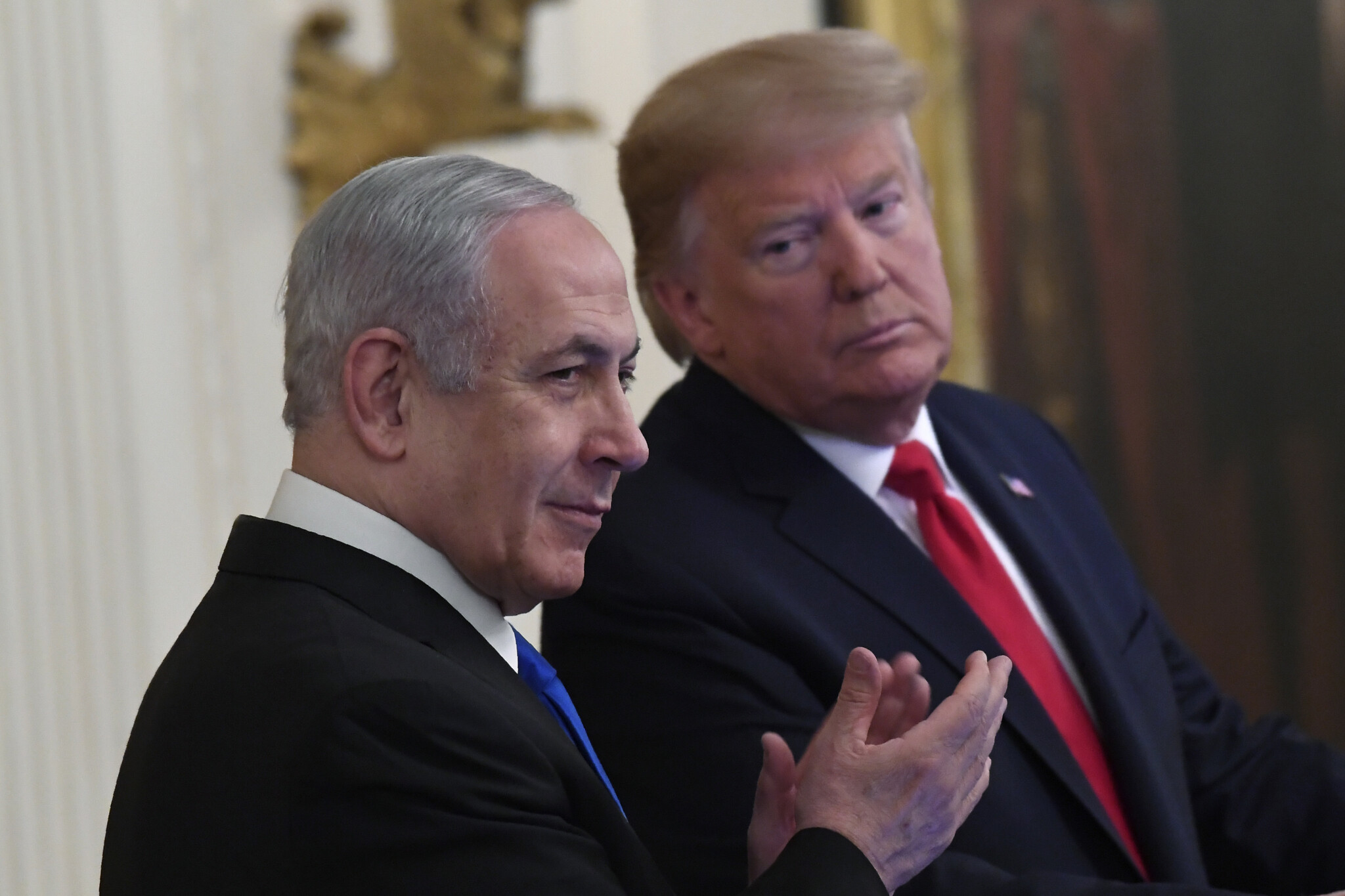
Meanwhile, President Trump adopted a markedly different tone as he responded to the developments. Writing on Sunday at Truth Social, Trump expressed concern that the Israeli operation could complicate ongoing diplomatic efforts involving Iran. “This morning’s attack on Beirut should not have happened, particularly on a special day when we are so close to a Peace Deal with Iran,” Trump wrote.
The president acknowledged Israel’s right to defend itself but suggested that the scale of the original provocation did not justify an action that might endanger broader negotiations. “Israel has the right to defend itself against threats, but the attack it was responding to was very small and meaningless, nobody was hurt, injured, or killed, and should not disrupt this important process,” Trump stated.
His comments reflected Washington’s current emphasis on securing a wider regional arrangement that could potentially reduce hostilities involving Iran, Lebanon, and other flashpoints throughout the Middle East.
Trump also expressed optimism regarding the prospects for a broader peace framework. “We are very close to a Deal that will bring peace to the region, including to Lebanon, and all sides should stand down,” he wrote.
The president then issued a direct appeal for restraint. “There should be no more attacks by Israel anywhere in Lebanon, but there should also be no more attacks by any other party, including Hezbollah, against Israel. This could be the beginning of a long and beautiful peace — Let’s not blow it!”
The divergence between Israel’s immediate security calculations and Washington’s broader diplomatic ambitions highlights one of the central challenges confronting policymakers on both sides of the Atlantic.
While the United States is seeking to stabilize the region through negotiations and agreements, Israeli leaders remain focused on neutralizing threats that they view as immediate and existential.
As diplomatic efforts continue and military forces remain on heightened alert, regional and international observers are closely monitoring developments for signs of escalation or de-escalation.
The Beirut strike, the drone infiltrations, Iranian threats of retaliation, and competing diplomatic priorities have combined to create an atmosphere of extraordinary uncertainty.
According to the Israel National News report, Israeli military commanders continue to evaluate evolving threats while preparing for multiple contingencies. Whether the latest confrontation remains a contained exchange or evolves into a broader regional crisis may depend on decisions made in Jerusalem, Beirut, Tehran, and Washington over the coming days.
For now, the Middle East once again finds itself balancing precariously between deterrence and diplomacy, with each new military action carrying implications that extend far beyond the immediate battlefield.



