













By: Fern Sidman
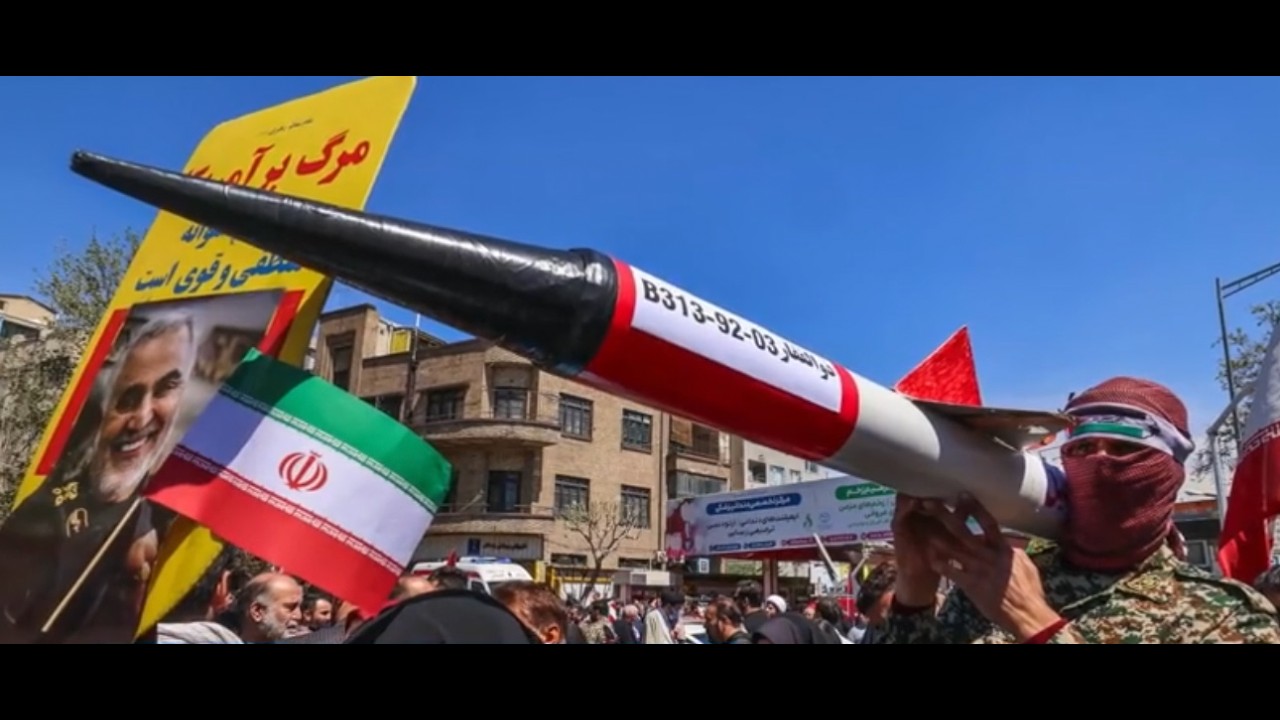
As diplomatic maneuvering between Washington and Tehran continues to dominate international headlines, a very different narrative is reportedly emerging from inside Iran itself. According to accounts cited by VIN News from Israel Hayom, many ordinary Iranian citizens are expressing profound despair, deepening frustration with their government, disappointment with Western powers, and a growing sense that the world has largely abandoned their aspirations for political change.
The testimonies, collected from Iranian citizens and reported by Israel Hayom before being highlighted on Sunday by VIN News, offer a rare glimpse into the mood prevailing among segments of the Iranian population following months of political upheaval, economic deterioration, international negotiations, and intensified regional tensions.
Taken together, the accounts portray a society grappling with uncertainty, economic hardship, and profound skepticism regarding both domestic leadership and foreign governments that many Iranians had once hoped would support efforts to challenge the ruling regime.
According to the testimonies cited in the VIN News report, one of the most striking themes is the sense of abandonment many citizens reportedly feel toward the United States and President Donald Trump. “We feel hopeless because it seems Trump is making deals with the regime,” several Iranian citizens reportedly stated.
Their disappointment appears to stem not only from the prospect of an agreement between Washington and Tehran but from what they view as a broader failure by outside powers to support meaningful political change inside Iran. “Even if it’s only a temporary agreement. We don’t want this regime. Like the people of Israel, we want the complete destruction of the radical Islamic regime,” the citizens reportedly said.
These remarks illustrate the widening gap between the objectives of many regime critics inside Iran and the diplomatic calculations being pursued by governments seeking to reduce regional tensions through negotiation. For these individuals, the issue extends beyond nuclear agreements, sanctions relief, or maritime security. Their primary concern is the continued survival of a political system they regard as oppressive and increasingly disconnected from the aspirations of ordinary citizens.
According to the VIN News report, many of those interviewed emphasized that meaningful political transformation must ultimately come from within Iran itself. “People here rely on themselves, but because they have no weapons against this brutal regime, they are afraid,” the citizens reportedly explained.
Their comments reflect a difficult reality faced by many dissidents operating under authoritarian systems. While frustration may be widespread, translating that frustration into organized political action remains extraordinarily difficult when state security institutions possess overwhelming power.
Nevertheless, the citizens expressed confidence that lasting change cannot be imposed from outside. “In the end, though, they are the ones who will have to overthrow it,” they reportedly said.
Another notable element emerging from the testimonies is the perception among some Iranians that Israel has become one of the few countries they believe has not abandoned their cause.
According to the VIN News report, several citizens expressed gratitude toward Israel while criticizing other international actors whom they believe have prioritized geopolitical interests over the plight of ordinary Iranians. “While the Europeans, the Chinese, the Russians, and the left-wing movements around the world have abandoned us, Israel is the only nation standing with us. We are grateful for that,” they reportedly stated.
The comments underscore the increasingly complex geopolitical perceptions that have emerged among certain segments of Iranian society. While official Iranian rhetoric has traditionally portrayed Israel as an adversary, some regime opponents appear to distinguish between the policies of the Iranian government and the interests of the Iranian people.
According to the accounts highlighted by VIN News, many citizens now view Israel as one of the few actors willing to confront the regime directly. Some reportedly expressed hope that Israeli actions could contribute to weakening or ultimately bringing down the current government.
Such sentiments are rooted partly in dissatisfaction with what they perceive as the failure of Western governments to translate rhetorical support into meaningful action. “Even though there was talk that help was on the way,” one citizen reportedly said, referring to promises they believed were made during earlier periods of unrest, “nothing changed.”
The frustration appears to have intensified following recent leadership changes within the Iranian system. According to the VIN News report, some citizens fear that the rise of more hardline figures has made the political environment even more restrictive than before. “Now even more radical people have gained power after the killing of Ali Khamenei, making things much worse,” the testimonies reportedly stated.
Those concerns extend beyond political leadership and into everyday life. While citizens acknowledged that public repression may not appear as visible as it did during earlier periods of unrest, they suggested that state surveillance and social control remain deeply entrenched. “On the streets, you don’t see the same kind of brutal repression we saw four months ago during the massacres,” citizens reportedly explained.
However, they argued that the apparent calm masks a broader system of intimidation and monitoring. “But at night, regime loyalists gather in every public square,” they reportedly said.
According to the accounts cited by VIN News, many of these gatherings are allegedly encouraged through financial incentives or material assistance. “Some of these people are simply desperate, while others come from families of prisoners,” the citizens reportedly stated.
They further alleged that authorities sometimes use incentives tied to legal or economic relief. “The regime tells them to work for the Islamic Republic in exchange for reduced sentences or the release of loved ones.”
Whether such claims can be independently verified remains difficult given the restrictions on access and information inside Iran. Nonetheless, the testimonies paint a picture of a society where economic vulnerability and political loyalty are increasingly intertwined.
Economic concerns featured prominently throughout the accounts reported by VIN News. Citizens described an economy under mounting strain, with shortages becoming more common and businesses struggling to maintain operations.
According to these testimonies, many retailers have exhausted most of their inventories and face growing difficulty obtaining replacement supplies. Shop owners, they reportedly said, are “scraping the bottom of the barrel of their warehouse inventories.”
Recent attacks targeting petrochemical facilities have reportedly exacerbated existing economic pressures. Citizens claimed that disruptions affecting industrial production have increased the cost of numerous materials, particularly those related to construction and manufacturing. Products associated with plastic and steel production have reportedly experienced especially significant price increases.
Food remains available, according to the accounts, but affordability has become a major concern. Many families are finding it increasingly difficult to manage rising living costs amid stagnant incomes and limited employment opportunities.
According to the VIN News report, unemployment continues to affect large portions of the population, while many available jobs fail to provide sufficient income to support a household. As a result, many citizens reportedly have been forced to draw upon personal savings simply to meet daily expenses.
The economic challenges are compounded by uncertainty about the future. According to the testimonies, unpredictability has become one of the most psychologically damaging aspects of life inside the country. Many citizens reportedly fear instability and uncertainty even more than inflation or poverty because conditions can change rapidly and without warning.
The accounts also describe the lasting impact of the government’s lengthy internet restrictions. According to the VIN News report, many businesses that depended upon digital platforms suffered severe losses during extended shutdowns. Entrepreneurs, freelancers, retailers, and service providers who relied on online commerce reportedly saw their livelihoods devastated.
Many were subsequently pushed into financial hardship or outright poverty.
Beyond criticism of domestic leadership, the testimonies reveal growing resentment toward several regional governments involved in mediation efforts between Tehran and Washington.
According to the VIN News report, countries such as Pakistan, Qatar, Egypt, and Turkey have become targets of public frustration among some regime opponents. “The only reason the Iranian regime is still standing is because of certain neighboring countries,” some citizens reportedly argued.
Without outside mediation efforts, they claimed, the regime might have collapsed under mounting internal and external pressure. “Without them, Trump and Israel would have finished them off. The government was on the verge of collapse,” the citizens reportedly insisted.
These perceptions reflect a broader belief among some Iranians that diplomatic efforts designed to prevent conflict may inadvertently prolong the life of a government they oppose.
Economic grievances also appear to shape attitudes toward neighboring countries. According to the accounts cited in the VIN News report, some citizens accuse regional actors of benefiting financially from Iran’s isolation. Pakistan and Qatar were reportedly singled out by some individuals who argued that sanctions-related energy dynamics have generated substantial economic opportunities for those countries.
Similarly, Saudi Arabia and the United Arab Emirates were accused by some interviewees of preferring a weakened Iran over the emergence of a prosperous and competitive regional rival.
Whether those perceptions accurately reflect regional policy calculations is subject to debate. Nevertheless, they reveal the extent to which geopolitical developments are being interpreted through the lens of domestic frustration and economic hardship.
What emerges most clearly from the testimonies highlighted by VIN News is a portrait of a society wrestling with profound uncertainty. Many citizens reportedly feel trapped between an increasingly entrenched political system and an international environment they believe has prioritized stability over transformation.
They describe a population burdened by economic challenges, constrained by political realities, and uncertain whether meaningful change lies ahead. At the same time, the accounts reveal that hopes for a different future have not entirely disappeared.
Even amid disappointment, hardship, and frustration, many citizens continue to believe that change remains possible, although they increasingly recognize that any lasting transformation will likely depend upon the actions and determination of the Iranian people themselves.
As negotiations between Tehran and Washington continue and regional powers pursue competing strategic objectives, these voices from inside Iran serve as a reminder that beyond diplomacy and geopolitics lies the daily reality experienced by millions of ordinary citizens whose futures remain deeply intertwined with the outcome of events unfolding both inside and beyond their nation’s borders.
By: Fern Sidman
As diplomatic maneuvering between Washington and Tehran continues to dominate international headlines, a very different narrative is reportedly emerging from inside Iran itself. According to accounts cited by VIN News from Israel Hayom, many ordinary Iranian citizens are expressing profound despair, deepening frustration with their government, disappointment with Western powers, and a growing sense that the world has largely abandoned their aspirations for political change.
The testimonies, collected from Iranian citizens and reported by Israel Hayom before being highlighted on Sunday by VIN News, offer a rare glimpse into the mood prevailing among segments of the Iranian population following months of political upheaval, economic deterioration, international negotiations, and intensified regional tensions.
Taken together, the accounts portray a society grappling with uncertainty, economic hardship, and profound skepticism regarding both domestic leadership and foreign governments that many Iranians had once hoped would support efforts to challenge the ruling regime.
According to the testimonies cited in the VIN News report, one of the most striking themes is the sense of abandonment many citizens reportedly feel toward the United States and President Donald Trump. “We feel hopeless because it seems Trump is making deals with the regime,” several Iranian citizens reportedly stated.
Their disappointment appears to stem not only from the prospect of an agreement between Washington and Tehran but from what they view as a broader failure by outside powers to support meaningful political change inside Iran. “Even if it’s only a temporary agreement. We don’t want this regime. Like the people of Israel, we want the complete destruction of the radical Islamic regime,” the citizens reportedly said.
These remarks illustrate the widening gap between the objectives of many regime critics inside Iran and the diplomatic calculations being pursued by governments seeking to reduce regional tensions through negotiation. For these individuals, the issue extends beyond nuclear agreements, sanctions relief, or maritime security. Their primary concern is the continued survival of a political system they regard as oppressive and increasingly disconnected from the aspirations of ordinary citizens.
According to the VIN News report, many of those interviewed emphasized that meaningful political transformation must ultimately come from within Iran itself. “People here rely on themselves, but because they have no weapons against this brutal regime, they are afraid,” the citizens reportedly explained.
Their comments reflect a difficult reality faced by many dissidents operating under authoritarian systems. While frustration may be widespread, translating that frustration into organized political action remains extraordinarily difficult when state security institutions possess overwhelming power.
Nevertheless, the citizens expressed confidence that lasting change cannot be imposed from outside. “In the end, though, they are the ones who will have to overthrow it,” they reportedly said.
Another notable element emerging from the testimonies is the perception among some Iranians that Israel has become one of the few countries they believe has not abandoned their cause.
According to the VIN News report, several citizens expressed gratitude toward Israel while criticizing other international actors whom they believe have prioritized geopolitical interests over the plight of ordinary Iranians. “While the Europeans, the Chinese, the Russians, and the left-wing movements around the world have abandoned us, Israel is the only nation standing with us. We are grateful for that,” they reportedly stated.
The comments underscore the increasingly complex geopolitical perceptions that have emerged among certain segments of Iranian society. While official Iranian rhetoric has traditionally portrayed Israel as an adversary, some regime opponents appear to distinguish between the policies of the Iranian government and the interests of the Iranian people.
According to the accounts highlighted by VIN News, many citizens now view Israel as one of the few actors willing to confront the regime directly. Some reportedly expressed hope that Israeli actions could contribute to weakening or ultimately bringing down the current government.
Such sentiments are rooted partly in dissatisfaction with what they perceive as the failure of Western governments to translate rhetorical support into meaningful action. “Even though there was talk that help was on the way,” one citizen reportedly said, referring to promises they believed were made during earlier periods of unrest, “nothing changed.”
The frustration appears to have intensified following recent leadership changes within the Iranian system. According to the VIN News report, some citizens fear that the rise of more hardline figures has made the political environment even more restrictive than before. “Now even more radical people have gained power after the killing of Ali Khamenei, making things much worse,” the testimonies reportedly stated.
Those concerns extend beyond political leadership and into everyday life. While citizens acknowledged that public repression may not appear as visible as it did during earlier periods of unrest, they suggested that state surveillance and social control remain deeply entrenched. “On the streets, you don’t see the same kind of brutal repression we saw four months ago during the massacres,” citizens reportedly explained.
However, they argued that the apparent calm masks a broader system of intimidation and monitoring. “But at night, regime loyalists gather in every public square,” they reportedly said.
According to the accounts cited by VIN News, many of these gatherings are allegedly encouraged through financial incentives or material assistance. “Some of these people are simply desperate, while others come from families of prisoners,” the citizens reportedly stated.
They further alleged that authorities sometimes use incentives tied to legal or economic relief. “The regime tells them to work for the Islamic Republic in exchange for reduced sentences or the release of loved ones.”
Whether such claims can be independently verified remains difficult given the restrictions on access and information inside Iran. Nonetheless, the testimonies paint a picture of a society where economic vulnerability and political loyalty are increasingly intertwined.
Economic concerns featured prominently throughout the accounts reported by VIN News. Citizens described an economy under mounting strain, with shortages becoming more common and businesses struggling to maintain operations.
According to these testimonies, many retailers have exhausted most of their inventories and face growing difficulty obtaining replacement supplies. Shop owners, they reportedly said, are “scraping the bottom of the barrel of their warehouse inventories.”
Recent attacks targeting petrochemical facilities have reportedly exacerbated existing economic pressures. Citizens claimed that disruptions affecting industrial production have increased the cost of numerous materials, particularly those related to construction and manufacturing. Products associated with plastic and steel production have reportedly experienced especially significant price increases.
Food remains available, according to the accounts, but affordability has become a major concern. Many families are finding it increasingly difficult to manage rising living costs amid stagnant incomes and limited employment opportunities.
According to the VIN News report, unemployment continues to affect large portions of the population, while many available jobs fail to provide sufficient income to support a household. As a result, many citizens reportedly have been forced to draw upon personal savings simply to meet daily expenses.
The economic challenges are compounded by uncertainty about the future. According to the testimonies, unpredictability has become one of the most psychologically damaging aspects of life inside the country. Many citizens reportedly fear instability and uncertainty even more than inflation or poverty because conditions can change rapidly and without warning.
The accounts also describe the lasting impact of the government’s lengthy internet restrictions. According to the VIN News report, many businesses that depended upon digital platforms suffered severe losses during extended shutdowns. Entrepreneurs, freelancers, retailers, and service providers who relied on online commerce reportedly saw their livelihoods devastated.
Many were subsequently pushed into financial hardship or outright poverty.
Beyond criticism of domestic leadership, the testimonies reveal growing resentment toward several regional governments involved in mediation efforts between Tehran and Washington.
According to the VIN News report, countries such as Pakistan, Qatar, Egypt, and Turkey have become targets of public frustration among some regime opponents. “The only reason the Iranian regime is still standing is because of certain neighboring countries,” some citizens reportedly argued.
Without outside mediation efforts, they claimed, the regime might have collapsed under mounting internal and external pressure. “Without them, Trump and Israel would have finished them off. The government was on the verge of collapse,” the citizens reportedly insisted.
These perceptions reflect a broader belief among some Iranians that diplomatic efforts designed to prevent conflict may inadvertently prolong the life of a government they oppose.
Economic grievances also appear to shape attitudes toward neighboring countries. According to the accounts cited in the VIN News report, some citizens accuse regional actors of benefiting financially from Iran’s isolation. Pakistan and Qatar were reportedly singled out by some individuals who argued that sanctions-related energy dynamics have generated substantial economic opportunities for those countries.
Similarly, Saudi Arabia and the United Arab Emirates were accused by some interviewees of preferring a weakened Iran over the emergence of a prosperous and competitive regional rival.
Whether those perceptions accurately reflect regional policy calculations is subject to debate. Nevertheless, they reveal the extent to which geopolitical developments are being interpreted through the lens of domestic frustration and economic hardship.
What emerges most clearly from the testimonies highlighted by VIN News is a portrait of a society wrestling with profound uncertainty. Many citizens reportedly feel trapped between an increasingly entrenched political system and an international environment they believe has prioritized stability over transformation.
They describe a population burdened by economic challenges, constrained by political realities, and uncertain whether meaningful change lies ahead. At the same time, the accounts reveal that hopes for a different future have not entirely disappeared.
Even amid disappointment, hardship, and frustration, many citizens continue to believe that change remains possible, although they increasingly recognize that any lasting transformation will likely depend upon the actions and determination of the Iranian people themselves.
As negotiations between Tehran and Washington continue and regional powers pursue competing strategic objectives, these voices from inside Iran serve as a reminder that beyond diplomacy and geopolitics lies the daily reality experienced by millions of ordinary citizens whose futures remain deeply intertwined with the outcome of events unfolding both inside and beyond their nation’s borders.



