



















By: Carl Schwartbaum
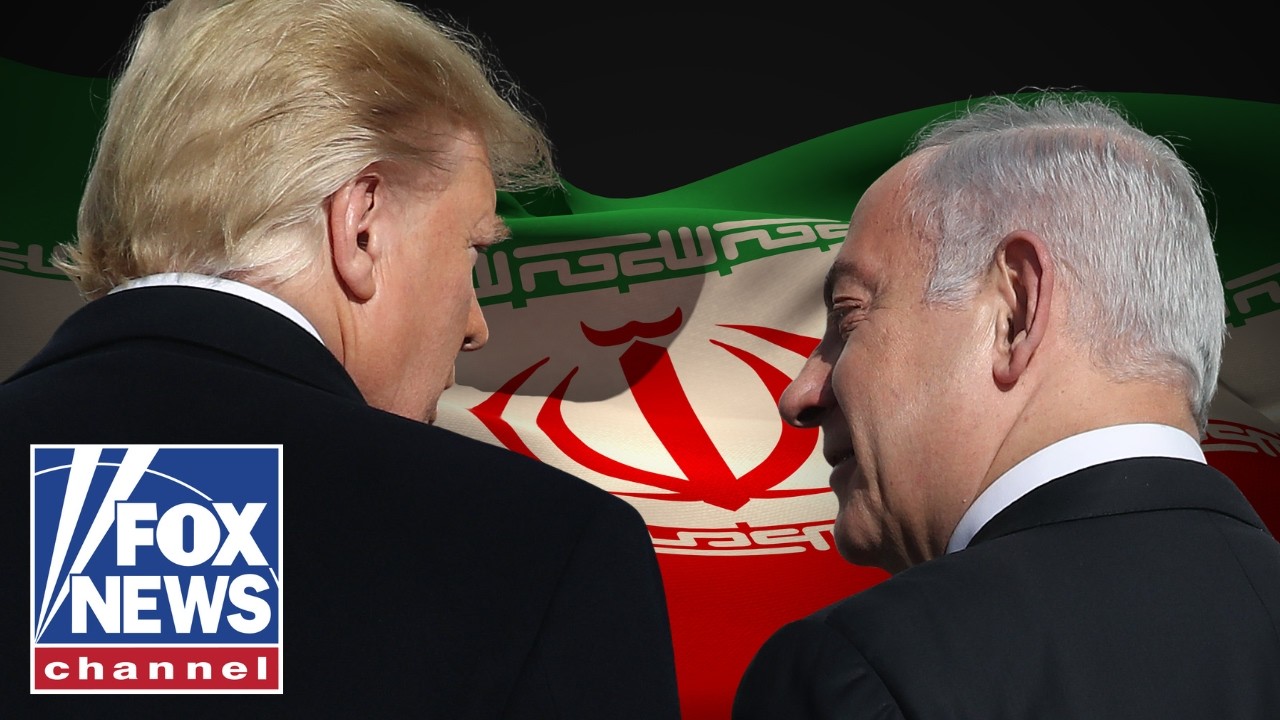
A complex and potentially consequential diplomatic dispute appears to be unfolding between Washington and Jerusalem following Israel’s recent strike against Hezbollah targets in Beirut’s Dahieh suburb, with reports suggesting growing friction over the future direction of American negotiations with Iran and the extent to which Israel may be expected to limit its military responses during a sensitive period of regional diplomacy.
According to a report on Sunday afternoon at Israel National News that was based on a report by Channel 12, Israeli officials believe that President Donald Trump may be prepared to offer additional concessions to Iran in exchange for restraint from Tehran following Israel’s retaliatory strike against Hezbollah infrastructure in Lebanon.
The nature of any such reported concessions remains unclear. Israel National News noted that Channel 12 reported that the specific details of the alleged diplomatic incentives have not been disclosed publicly. Nevertheless, according to the report, discussions surrounding potential arrangements between Washington and Tehran have become a central focus of intensive behind-the-scenes diplomatic efforts involving multiple regional actors.
The developments come at a particularly delicate moment in Middle Eastern diplomacy, as the United States seeks to finalize a memorandum of understanding with Iran while simultaneously attempting to prevent a broader regional confrontation involving Israel, Hezbollah, Lebanon, and the Islamic Republic.
According to the Israel National News report, Channel 12 reported that American officials conveyed a clear message to their Israeli counterparts: Jerusalem should avoid any actions that could jeopardize the emerging agreement under discussion between Washington and Tehran.
The report further suggested that American officials emphasized that Israel should refrain from undertaking military actions that might undermine the diplomatic process, even under circumstances in which Iran ultimately decides to retaliate militarily.
If accurate, such a position would represent a significant point of contention between the two allies, particularly given Israel’s longstanding doctrine of maintaining freedom of action against security threats throughout the region.
The diplomatic dispute reportedly intensified following an Israeli strike targeting a Hezbollah command facility in Beirut’s Dahieh district, a stronghold long associated with Hezbollah’s leadership and operational infrastructure.
According to previous statements cited by Israel National News, Israeli officials characterized the operation as a response to the infiltration of unmanned aerial vehicles launched from Lebanese territory into Israeli airspace.
The strike occurred on a day when President Trump was reportedly preparing to advance a memorandum of understanding with Iran, a circumstance that appears to have heightened tensions surrounding the operation.
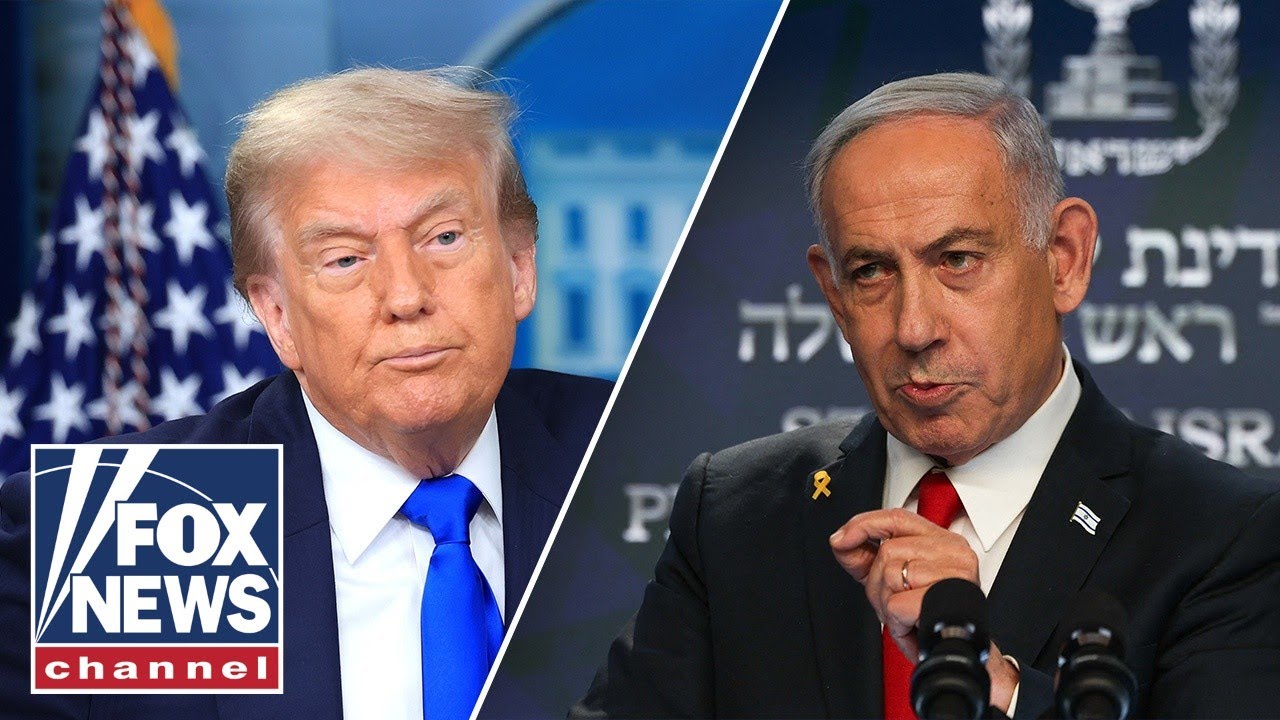
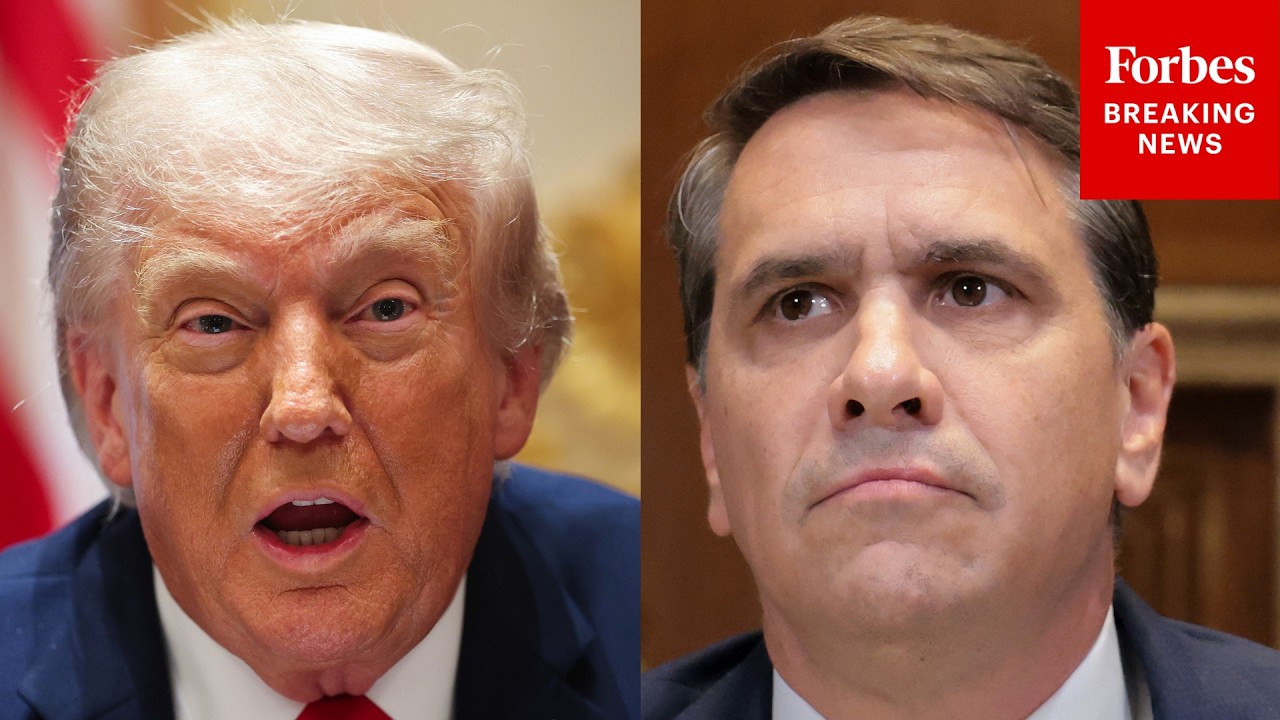
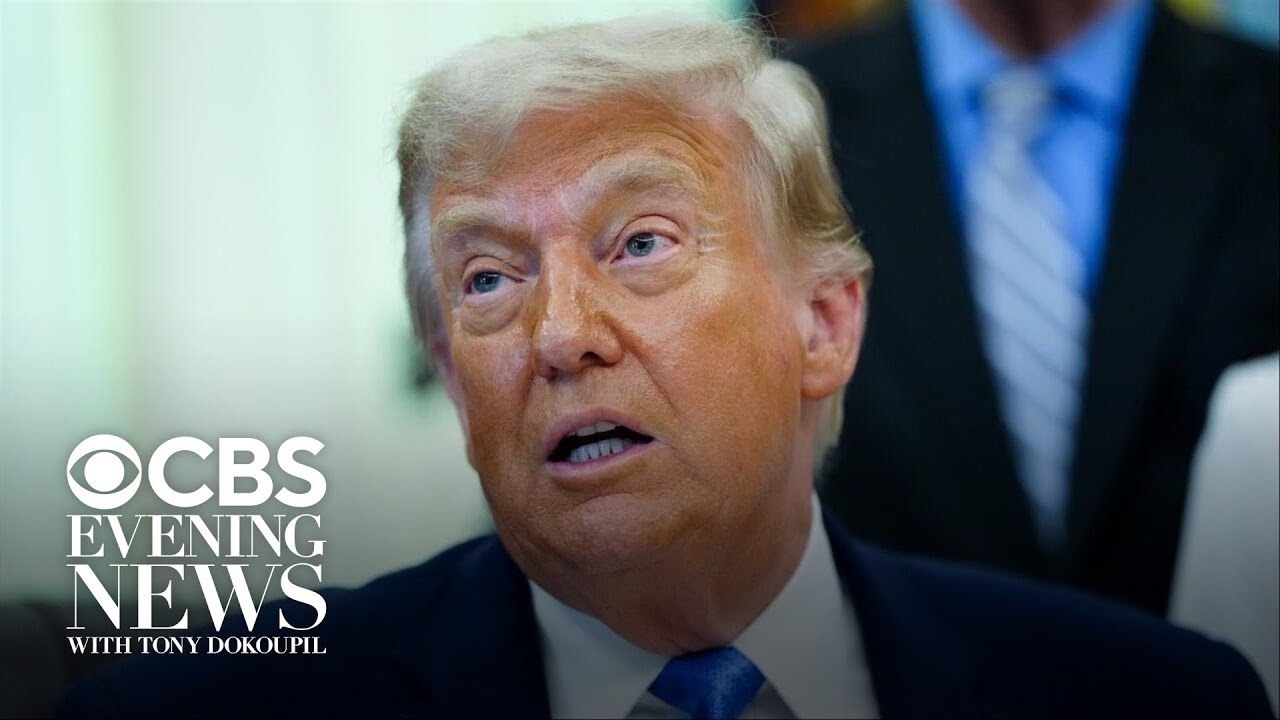
President Trump publicly expressed frustration over the timing of the strike. In a statement posted on Truth Social and cited by Israel National News, Trump wrote: “This morning’s attack on Beirut should not have happened, particularly on a special day when we are so close to a Peace Deal with Iran.”
The President emphasized that while he recognized Israel’s right to defend itself, he questioned whether the specific operation was necessary under the circumstances. According to the statement cited by Israel National News, Trump wrote: “Israel has the right to defend itself against threats, but the attack it was responding to was very small and meaningless, nobody was hurt, injured, or killed, and should not disrupt this important process.”
The comments represented one of the most direct public criticisms of Israeli military action issued by Trump during the current regional crisis. Trump also expressed optimism regarding the broader diplomatic initiative reportedly under discussion with Tehran.
According to the Israel National News report, the President asserted that an emerging agreement could potentially reduce tensions throughout the region, including in Lebanon. “We are very close to a deal that will bring peace to the region, including to Lebanon, and all sides should stand down,” Trump stated.
He further urged restraint from all parties involved in the conflict. “There should be no more attacks by Israel anywhere in Lebanon, but there should also be no more attacks by any other party, including Hezbollah, against Israel. This could be the beginning of a long and beautiful peace — Let’s not blow it!”
Those remarks have reportedly generated considerable concern among some Israeli officials, who fear that the proposed diplomatic framework may impose constraints on Israel’s ability to respond militarily to future threats emanating from Lebanese territory.
According to Israel National News, Iranian officials have also entered the public debate. The report noted that Iran claimed President Trump had allegedly offered monetary incentives in exchange for Iranian restraint, although Tehran reportedly rejected the proposal.
According to the Iranian account cited by Israel National News, officials stated: “We will not betray our allies (Hezbollah). The response is close.”
The Iranian claim has not been independently verified.
As tensions surrounding the negotiations intensified, additional comments attributed to President Trump surfaced through various media outlets.
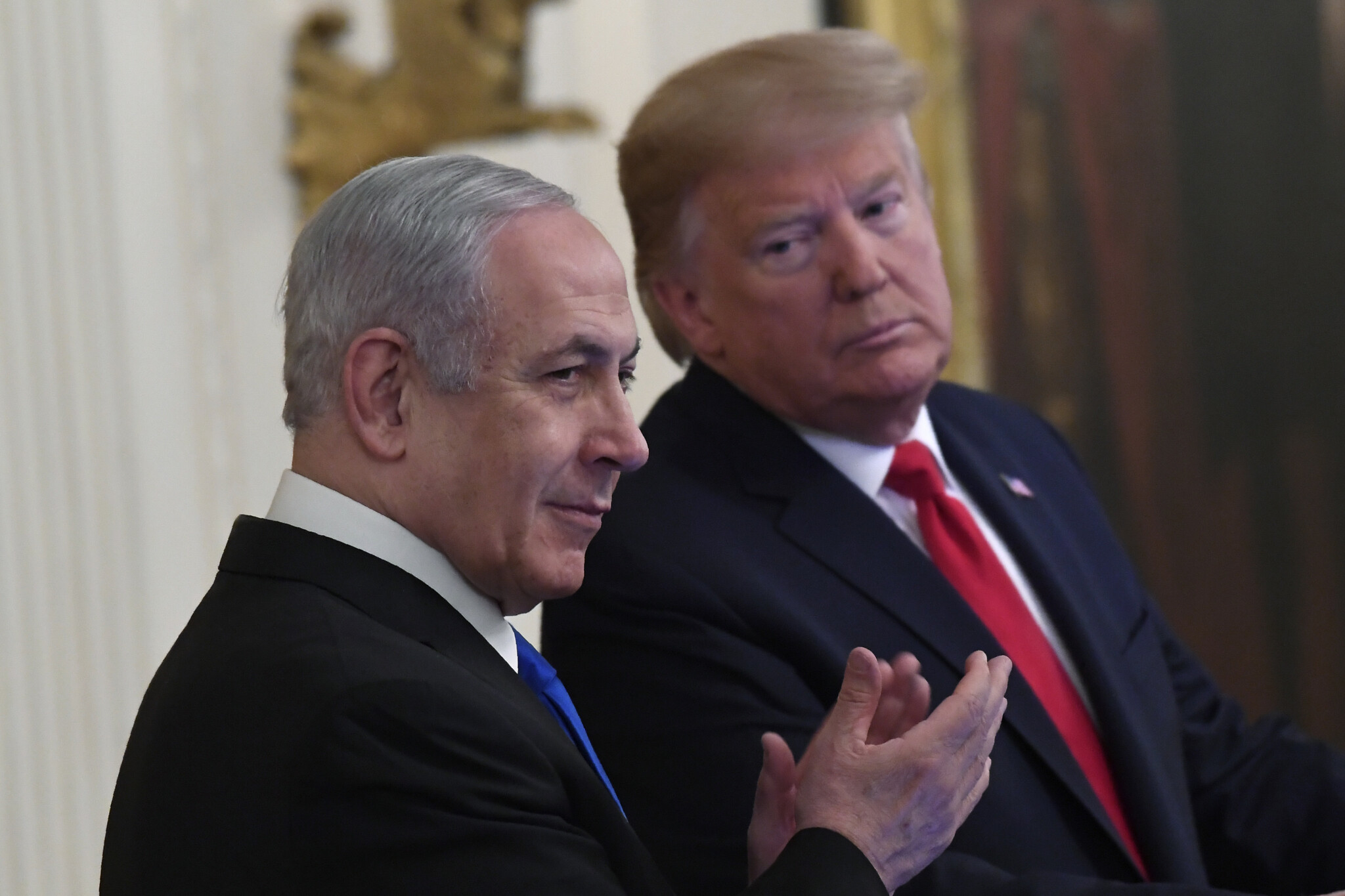
According to the Israel National News report, Trump described a conversation with Israeli Prime Minister Benjamin Netanyahu following the Beirut strike during an interview with Fox News.
The President reportedly recounted asking Netanyahu, “What the **** are you doing?” and indicated that he urged the Israeli leader not to conduct additional strikes. Even stronger language reportedly emerged in comments attributed to Trump during a conversation with Axios journalist Barak Ravid.
According to Israel National News, Trump was quoted as saying: “Why did Bibi have to do a ****ing attack? I was so pissed off. I let him know. He has no ****ing judgement. I let him know that.”
Those reported remarks have attracted significant attention because they suggest an unusually candid expression of frustration directed toward one of Washington’s closest allies in the Middle East. Whether the comments reflect a temporary disagreement over tactical considerations or a deeper strategic divergence remains a subject of intense speculation among diplomatic observers.
According to the Israel National News report, officials close to Prime Minister Netanyahu reportedly reacted with surprise to Trump’s public criticism. One associate described as being among Netanyahu’s closest advisers reportedly told Channel 12 that the President’s statements were received with astonishment in Jerusalem.
A senior Israeli official quoted by Channel 12 offered an even sharper assessment. According to Israel National News, the official stated: “Trump’s announcement is a resounding slap in the face. The restrictions have reached a new level — the expectation that we not strike inside Lebanese territory is inconsistent with the notion of a strategic ally.”
That assessment appears to encapsulate growing concerns within portions of Israel’s security establishment that diplomatic efforts involving Iran may come at the expense of Israel’s operational flexibility.
The broader dispute reflects a longstanding challenge in U.S.-Israeli relations: balancing Washington’s pursuit of regional stability through diplomacy against Israel’s insistence on maintaining an independent capacity to neutralize perceived threats before they fully materialize.
For decades, Israeli governments of varying political orientations have maintained that the country’s security environment requires proactive measures against hostile actors operating in neighboring states.
Supporters of that approach argue that Hezbollah’s vast missile arsenal, Iran’s regional proxy network, and ongoing security threats leave Israel little room to defer defensive decisions to international diplomacy.
Others contend that carefully structured diplomatic agreements can create opportunities to reduce regional tensions and avoid wider military confrontations that carry enormous human, economic, and strategic costs.
At the center of the current debate lies the question of Iran. According to the Israel National News report, the emerging memorandum of understanding reportedly seeks to establish a framework for broader negotiations involving Tehran’s nuclear activities, regional conduct, and security arrangements.
Yet skepticism remains widespread among some Israeli officials and analysts, many of whom have repeatedly argued that previous diplomatic initiatives failed to sufficiently constrain Iran’s activities or its support for proxy organizations across the region.
The reported dispute over the Beirut strike therefore represents more than a disagreement about a single military operation. Rather, it appears to reflect competing visions regarding how best to achieve long-term regional security.
For Washington, according to the public statements cited by Israel National News, the priority appears to be preserving a diplomatic opening that could potentially reduce tensions and establish a broader framework for stability.
For many Israeli officials, the paramount concern remains ensuring that diplomatic arrangements do not undermine Israel’s ability to respond decisively to threats from Hezbollah, Iran, or other adversaries.
As negotiations reportedly continue behind closed doors, regional governments, military planners, and international observers will be watching closely to determine whether the current tensions represent a temporary disagreement among allies or the emergence of a more significant strategic divide.
For now, much remains uncertain. What is clear, however, is that the intersection of diplomacy, deterrence, and regional security has once again placed Washington and Jerusalem at the center of one of the Middle East’s most consequential geopolitical debates.



