















(TJV NEWS) A potential agreement to end the three-month war between the United States and Iran appears closer than it has in months, but major disagreements over compensation, sanctions relief, frozen assets, nuclear restrictions, and control of the Strait of Hormuz continue to threaten a final breakthrough.
As Reuters reported, U.S. officials say a memorandum of understanding could be signed within days. However, Iranian officials insist that key issues remain unresolved and that no final agreement has yet been reached.
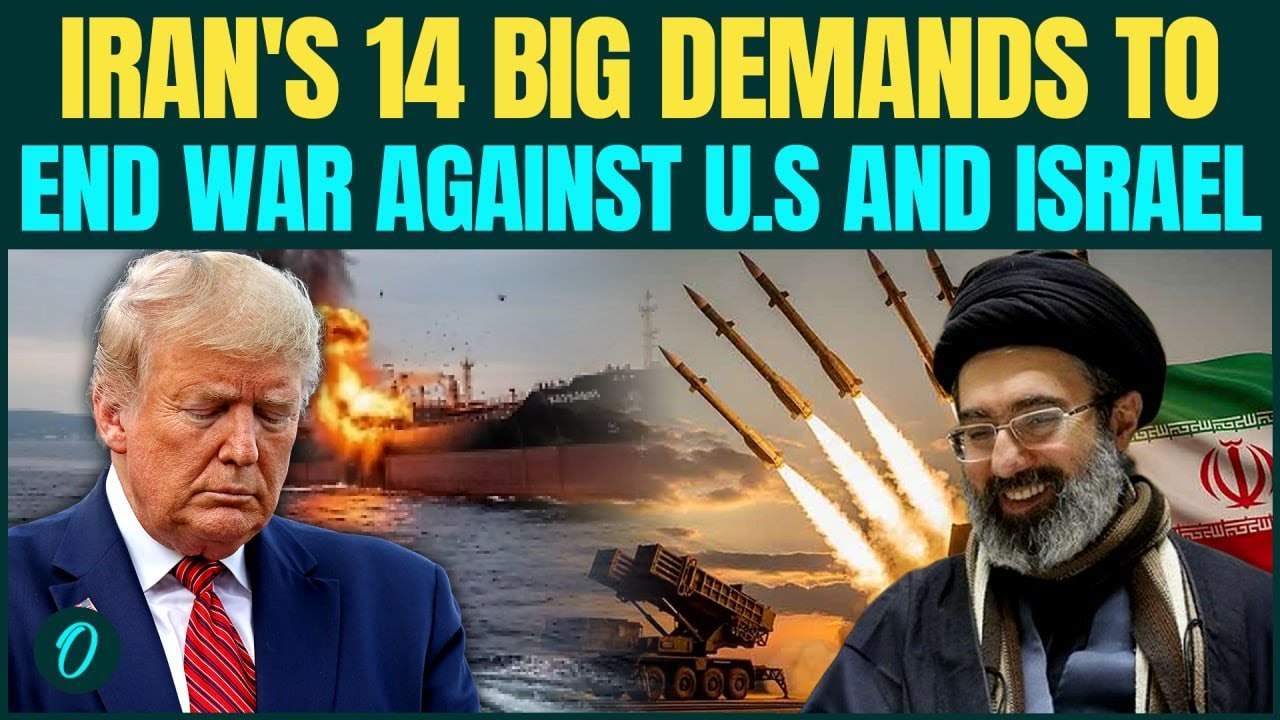
According to The Telegraph, one of Tehran’s biggest demands is a staggering $300 billion package tied to war damages, reconstruction, sanctions relief, and future investment commitments.
Meanwhile, Zero Hedge reported that despite renewed claims that a deal is near, Tehran remains unwilling to surrender leverage over the Strait of Hormuz, one of the world’s most important energy chokepoints.
Iran Seeking Massive Financial Package
According to The Telegraph, Iran is demanding approximately $300 billion as part of a broader settlement to end the conflict and restore stability in the Persian Gulf. The package reportedly includes compensation for war damage, economic recovery measures, and access to frozen Iranian assets held overseas.
Reuters has separately reported that negotiations have focused heavily on frozen Iranian funds. Iranian officials are reportedly seeking the immediate release of between $6 billion and $12 billion, while Washington wants any asset releases tied to verified Iranian compliance with future commitments.
According to Reuters, Iranian negotiators also want broader sanctions relief, including measures affecting oil exports and international banking transactions.
The financial issues have become one of the largest obstacles in the negotiations, with U.S. officials reportedly resisting large upfront transfers before Iran fulfills key obligations.
Strait of Hormuz Remains the Biggest Dispute
While nuclear issues receive much of the attention, several reports indicate that control of the Strait of Hormuz may be the most difficult issue to resolve.
The strategic waterway handles roughly one-fifth of global oil shipments and has been at the center of the conflict since the war began. Oil markets have reacted sharply to every development involving the strait. Reuters reported that oil prices recently fell after signs emerged that a peace agreement could reopen the shipping lane.
However, according to Zero Hedge, Tehran has shown little willingness to abandon its influence over Hormuz despite optimism from Washington that a deal is close. The outlet highlighted continuing disagreements regarding how the waterway would be managed after any peace agreement.
Reuters previously reported that Iran seeks a new governance arrangement for the strait rather than a return to the pre-war status quo. American negotiators, meanwhile, have pushed for unrestricted navigation without Iranian veto power or new toll systems.
Iranian state media has also stated that Tehran does not intend to surrender management authority over the waterway under the current draft agreement.
Nuclear Program Still Dividing Both Sides
The future of Iran’s nuclear program remains another major obstacle.
According to Reuters, the U.S. position includes dismantling significant portions of Iran’s nuclear infrastructure, eliminating highly enriched uranium stockpiles, and accepting long-term international inspections.
Iran has publicly rejected what it describes as “surrender” terms and has continued to seek a framework that preserves aspects of its nuclear program while securing economic benefits. Reuters previously reported that Tehran’s strategy has focused on easing economic pressure without making irreversible concessions.
The gap between those positions remains substantial despite ongoing negotiations.
Conflicting Narratives Emerging
One striking feature of the negotiations has been the dramatically different public descriptions coming from Washington and Tehran.
Reuters reported that U.S. officials believe the emerging agreement would achieve President Trump’s core objectives, including ending Iran’s pursuit of nuclear weapons and reopening the Strait of Hormuz.
Iranian officials, however, have portrayed the same negotiations very differently. According to reports cited by Zero Hedge, Tehran continues to emphasize sovereignty, control of Hormuz, sanctions relief, and access to frozen assets rather than major concessions on strategic issues.
The New York Post reported that President Trump publicly criticized Iranian officials after reports emerged claiming Tehran would retain uranium enrichment capabilities, maintain control of Hormuz, and receive billions in compensation. Trump dismissed those accounts and argued that misinformation was complicating the negotiations.
Regional Players Also Involved
The negotiations have expanded beyond Washington and Tehran.
Zero Hedge noted that Pakistan publicly welcomed progress in the talks, reflecting the role regional mediators have played throughout the conflict.
Reuters has reported that Gulf states, including the United Arab Emirates, have also been involved in efforts to reduce tensions and facilitate financial arrangements linked to a possible settlement. The UAE has denied some reports regarding asset transfers, but regional diplomacy has intensified as negotiations move forward.
What Happens Next?
As Reuters reported, negotiators appear closer to an agreement than at any point since the war began. A draft memorandum is reportedly being finalized, and discussions are continuing over implementation details.
Yet enormous differences remain. Iran continues to seek hundreds of billions of dollars in compensation and investment, sanctions relief, access to frozen assets, and a continued role in managing the Strait of Hormuz. The United States is demanding strict nuclear restrictions, freedom of navigation through Hormuz, and verifiable compliance before significant economic benefits are delivered.
For now, both sides are talking about peace. Whether they can bridge the remaining gaps may determine not only the future of the conflict, but also the stability of global energy markets and the wider Middle East.



