



















Mamdani Tapped Mayoral Perks for Coveted Knicks Seats and Softened Cost Estimate: Sources
By: Russ Spencer
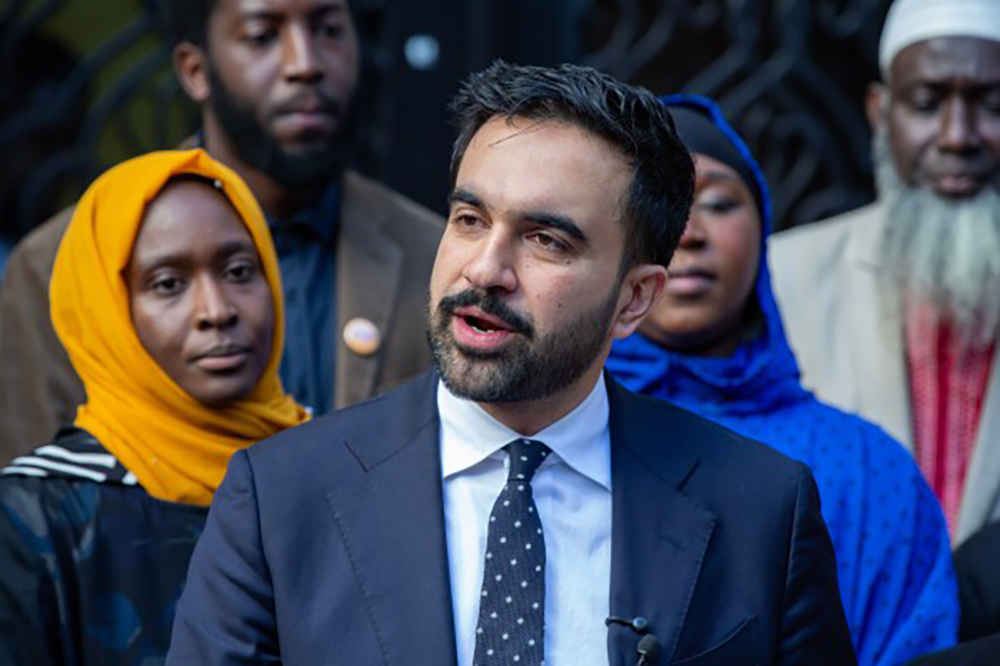
A night intended to celebrate one of the most memorable moments in recent New York sports history has instead generated political controversy after questions emerged regarding how Mayor Zohran Mamdani obtained tickets to the NBA Finals at Madison Square Garden and whether the circumstances surrounding the purchase could raise ethical concerns.
According to a report on Thursday in The New York Post, Mayor Mamdani attended Game 3 of the NBA Finals between the New York Knicks and the San Antonio Spurs on Monday evening after his office reportedly contacted Madison Square Garden seeking assistance in securing tickets for the highly coveted event.
The controversy centers not on whether the mayor paid for his ticket, but rather on the process by which the tickets were allegedly obtained and whether a public official’s request for access to seats at one of the most sought-after sporting events in recent New York history could create ethical questions under city guidelines.
The New York Post reported that Mamdani publicly stated he paid “roughly $1,000” for a standing-room ticket located in the upper reaches of the arena. However, according to sources cited by The New York Post who were familiar with the transaction, the actual cost of the ticket was reportedly closer to $750.
The discrepancy itself has not emerged as the principal issue. Rather, scrutiny has focused on allegations that the mayor’s staff contacted Madison Square Garden in advance and requested assistance obtaining multiple tickets for the game at a time when seats had become extraordinarily scarce and prices on secondary markets had surged to unprecedented levels.
The NBA Finals appearance represented a historic occasion for New York basketball fans. Demand for tickets reached extraordinary levels as the Knicks advanced deeper into postseason play, creating what many observers described as one of the hottest ticket markets the city has witnessed in decades.
According to The New York Post report, average ticket prices for Game 3 hovered around $7,500 on secondary markets, making attendance prohibitively expensive for many fans.
Against that backdrop, reports that the mayor was able to secure tickets through direct communication with Madison Square Garden have fueled questions regarding whether elected officials enjoy access unavailable to ordinary residents.
The New York Post reported that Madison Square Garden maintains a reserve pool of tickets traditionally made available to various VIP guests, including elected officials and other prominent public figures.
According to sources cited by The New York Post, representatives for the mayor allegedly contacted arena officials before the game and requested approximately six tickets while specifically asking for the least expensive options available.
Sources familiar with the matter reportedly indicated that Mamdani offered to pay for the tickets and did not request complimentary admission. Nevertheless, the manner in which the seats were obtained has become the focal point of discussion.
Critics argue that the ability to secure access to tickets through direct communication with venue officials represents a privilege unavailable to ordinary consumers who were forced either to compete through public sales channels or pay dramatically inflated resale prices.
The issue carries particular political significance because Mamdani has cultivated a public image centered on economic equality and opposition to what supporters and critics alike frequently describe as privileged access and insider arrangements.
The New York Post quoted one Democratic operative who criticized the circumstances. “Mr. Man of the People hates corporations until he needs favors from them for cheaper tickets than any other New Yorker could only dream of,” the operative reportedly said.
The comment reflects broader political tensions that have surrounded the mayor since his election.
Mamdani, a prominent democratic socialist, built much of his political appeal around criticism of concentrated wealth, corporate influence, and what he characterized during his campaign as a culture of insider privilege within city government. His rise to political prominence was fueled in large measure by promises to challenge established power structures and advocate on behalf of ordinary working New Yorkers. Consequently, any suggestion that he may have benefited from preferential treatment is likely to attract heightened scrutiny from political opponents and ethics watchdogs alike.
At the center of the controversy is guidance issued by New York City’s Conflict of Interest Board, commonly known as COIB. According to The New York Post report, an advisory opinion issued by the board appears to address circumstances involving requests for access to highly desirable events. The guidance reportedly notes that soliciting access to tickets for a particularly sought-after event could raise ethics concerns depending upon several factors.
Among those considerations are whether a public official identifies his or her government position during the request, whether the ticket provider has business before the official’s office, whether the tickets are unavailable to the general public, and whether a preexisting personal relationship exists between the parties.
The opinion cited by The New York Post contains particularly strong language warning public officials to proceed carefully when dealing with ticket-related matters. “Because of the clear opportunity for misuse of one’s position and because of the complexity of the issues relating to tickets, the Board strongly encourages public servants and agencies to contact the Board when faced with these questions,” the opinion states.
The advisory further warns: “Public servants who fail to do so act at their own peril.” Whether those guidelines apply to the circumstances surrounding the mayor’s attendance remains unclear.
The New York Post reported that representatives of the Conflict of Interest Board declined to offer a definitive determination when asked whether the transaction violated city ethics rules. Equally unclear is whether the mayor’s office consulted with COIB before seeking assistance from Madison Square Garden.
No public finding has been issued suggesting that any ethics violation occurred. As a result, the questions remain largely hypothetical and subject to interpretation.
Still, the controversy has attracted attention because it arrives only months after Mamdani entered City Hall promising to reform government culture and distance his administration from practices critics associated with prior administrations.
The New York Post report noted that former Mayor Eric Adams frequently faced criticism over his attendance at high-profile sporting events, including numerous Knicks games. Adams often occupied highly visible courtside seats and was repeatedly photographed alongside celebrities, business leaders, and influential figures.
In some instances, Madison Square Garden reportedly covered the cost of tickets in exchange for official appearances, including ceremonial duties connected to game-day activities. Those arrangements were reviewed by city ethics officials.
According to The New York Post report, the Conflict of Interest Board approved certain appearances while simultaneously imposing restrictions designed to prevent inappropriate interactions or benefits. One notable limitation reportedly prohibited Adams from entering the luxury suite of Knicks owner James Dolan. The comparison between the two mayors has become an unavoidable element of the current discussion.
Mamdani campaigned in part on promises to reject what many voters viewed as a culture of political privilege. Critics now argue that those standards should apply equally to the current administration.
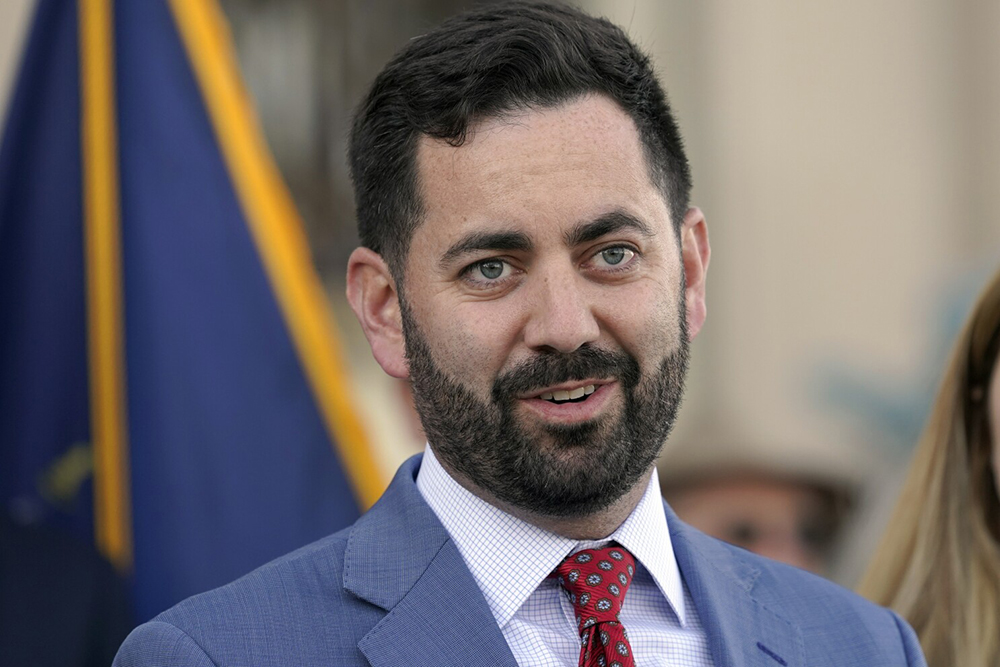
Supporters counter that there is a substantial distinction between receiving free access to events and paying for tickets, even if assistance was provided in obtaining them. Photographs from Monday’s game showed Mamdani seated high above the court alongside several elected officials, including outgoing State Senator Mike Gianaris, State Senator Gustavo Rivera, State Senator Julia Salazar, and City Council Member Ty Hankerson.
The image appeared to reinforce the mayor’s contention that he was not occupying luxury accommodations or enjoying elite courtside treatment.
State Senator Salazar reportedly told The New York Post that she paid approximately $900 after taxes and fees for her ticket. However, a source cited by the newspaper indicated that the pricing structure for the tickets obtained through Madison Square Garden may have involved a flat-rate arrangement.
The New York Post further reported that the process resembled a previous instance during the Knicks’ playoff run when Mamdani and Public Advocate Jumaane Williams attended another nearly sold-out game from upper-level seating. According to sources cited by the newspaper, those tickets also cost just under $1,000.
The controversy unfolds against the backdrop of soaring ticket prices that have transformed attendance at major sporting events into an increasingly exclusive experience. With the Knicks making a deep postseason run and advancing to the NBA Finals, demand for seats at Madison Square Garden reached extraordinary levels.
Secondary-market prices surged into the thousands of dollars, while celebrity attendance became a nightly spectacle. The New York Post has extensively documented the unprecedented demand surrounding the Finals and the increasingly exclusive atmosphere surrounding the event.
As a result, even relatively inexpensive tickets became difficult to obtain through ordinary channels. That reality has intensified debate regarding whether elected officials should receive any assistance securing access to events for which ordinary residents face significant barriers.
For now, no formal ethics complaint has been announced, and no determination has been made regarding whether city rules were violated. Madison Square Garden declined to comment on the matter, according to The New York Post.
The mayor’s office has maintained that Mamdani paid for his ticket and attended the game as a fan. Nevertheless, the episode illustrates how even seemingly routine decisions can generate outsized political consequences in a city where ethics, privilege, access, and public perception remain subjects of constant scrutiny.
As questions continue regarding the circumstances surrounding the ticket purchase, the controversy serves as an early reminder that public officials often find themselves judged not only by whether they follow the letter of the rules, but also by whether their actions align with the standards and expectations they set for themselves while seeking public office.



