












By Jared Evan
Peace Agreement Could Be Signed Within 24 Hours
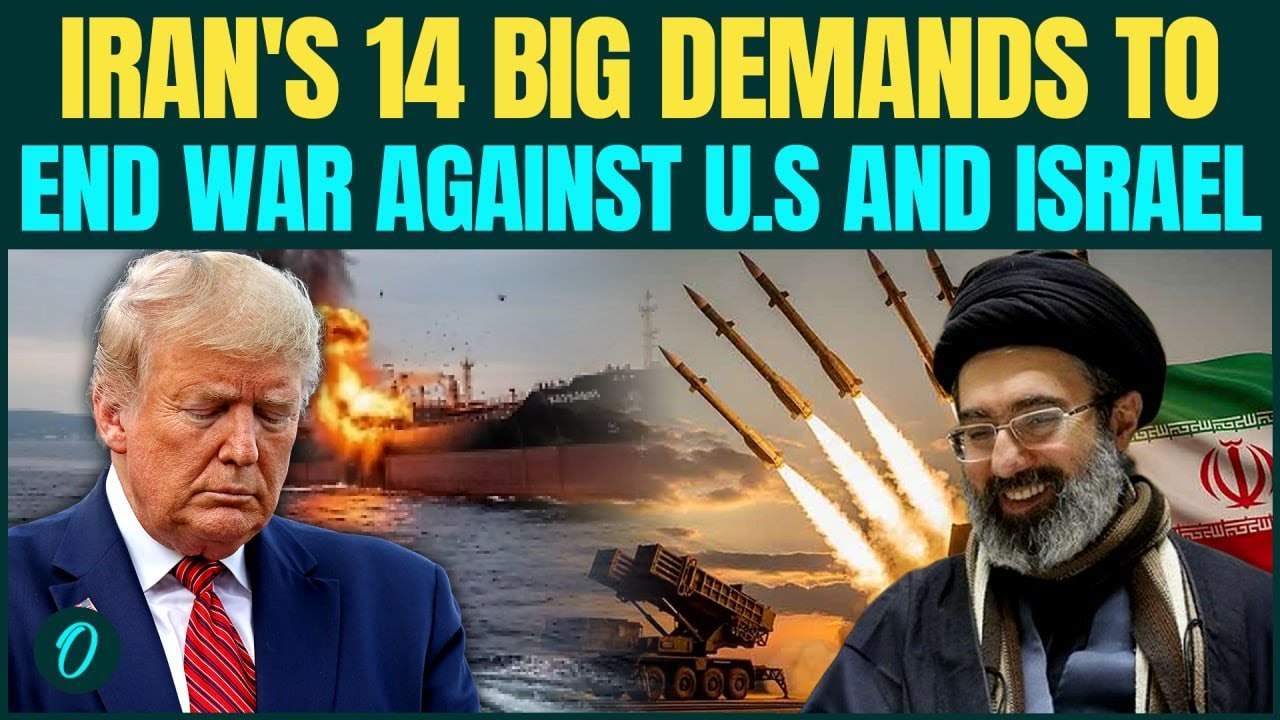
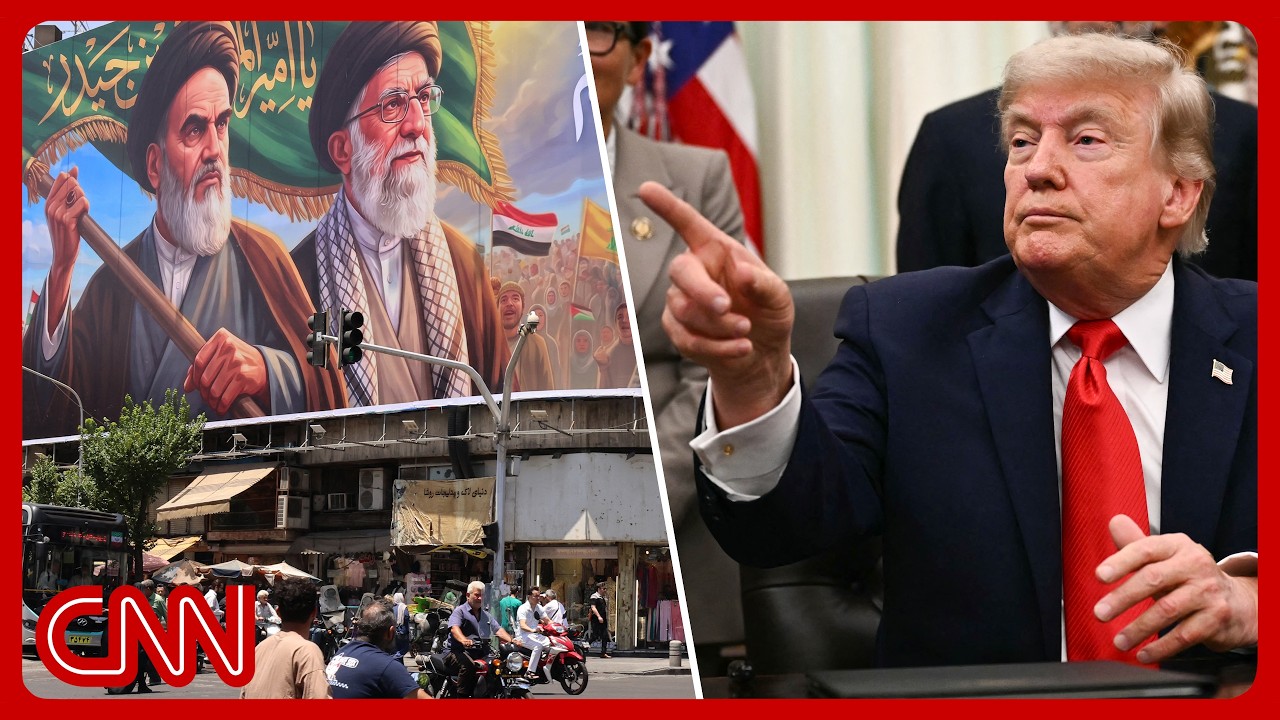
(Jewish Voice News) A major diplomatic breakthrough between the United States and Iran may be imminent, with mediators saying a peace agreement could be signed within the next 24 hours after months of negotiations and conflict.
According to Reuters, Pakistani Prime Minister Shehbaz Sharif announced Saturday that Washington and Tehran have agreed on a framework for a peace deal and that the final text has been completed. Sharif said an electronic signing ceremony is expected within the next day, followed by technical-level talks next week.
The development marks the strongest indication yet that the two sides are moving toward ending a conflict that has shaken the Middle East, disrupted energy markets, and threatened global shipping routes.
Pakistan Emerges as Key Mediator
Reuters reported that Pakistan has played a central role in facilitating negotiations between the United States and Iran. Sharif said a “final, agreed upon text” has already been reached and that preparations are underway for the next phase of diplomacy.
CBS News separately reported that Pakistan is preparing for an electronic signing of the agreement immediately after final approval is secured by both governments.
The expected memorandum of understanding would serve as the foundation for more detailed negotiations aimed at resolving long-standing disputes, including Iran’s nuclear program and regional security issues.
Iran Signals Progress but Urges Caution
While optimism has grown, Iranian officials have stopped short of confirming an immediate signing.
According to Anadolu Agency, Iranian Foreign Ministry spokesman Esmail Baghaei said a memorandum of understanding would not be signed immediately but acknowledged that an agreement could be reached in the coming days.
Al Jazeera also reported that Tehran has urged caution regarding reports of an imminent breakthrough, even as negotiations appear to be advancing.
That caution reflects the complex issues still under discussion and the fact that previous rounds of negotiations have failed to produce a lasting agreement.
Trump Administration Expresses Confidence
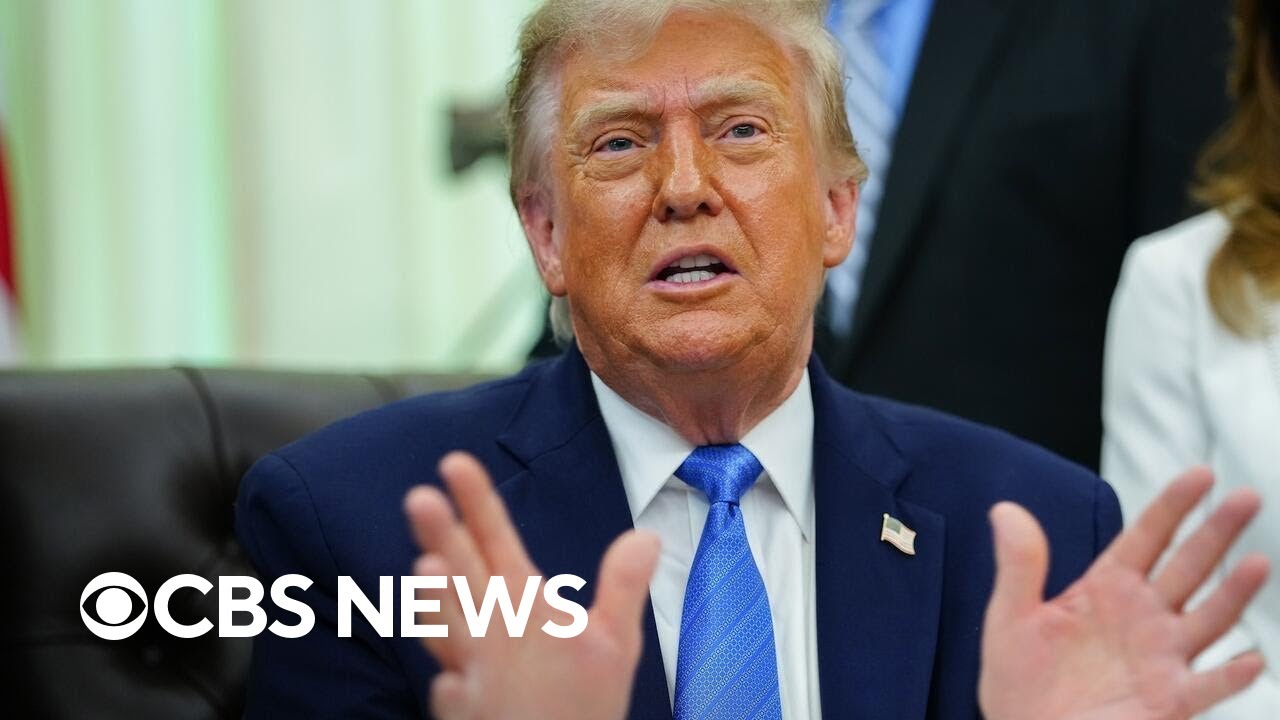
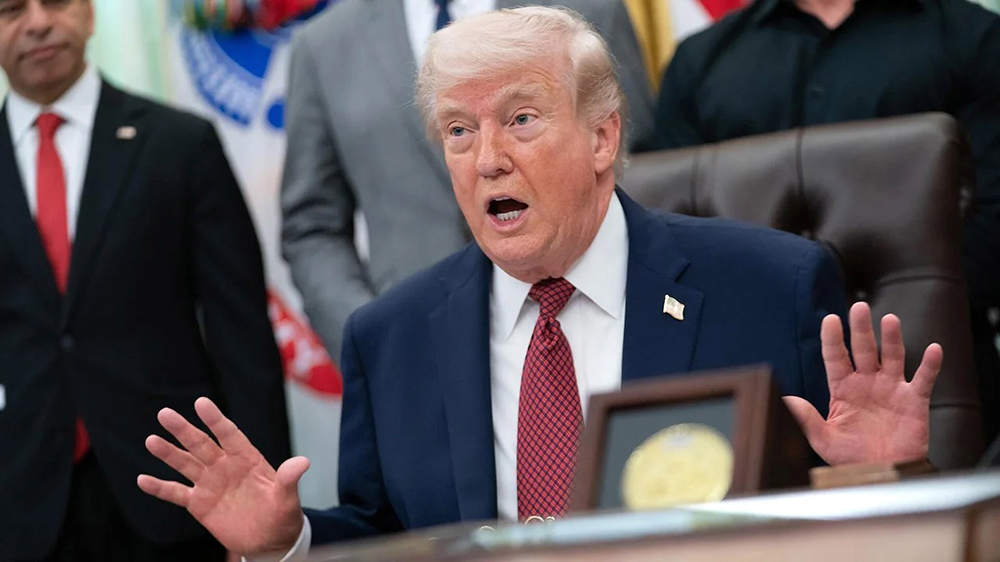
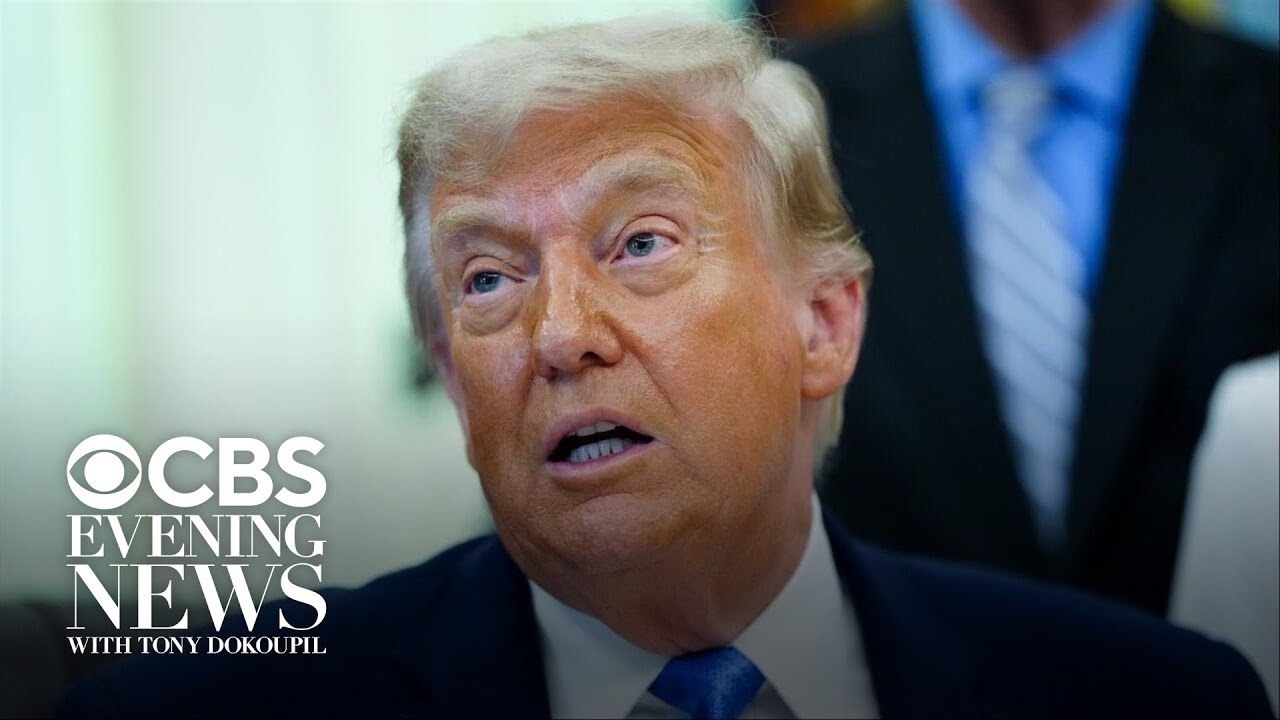
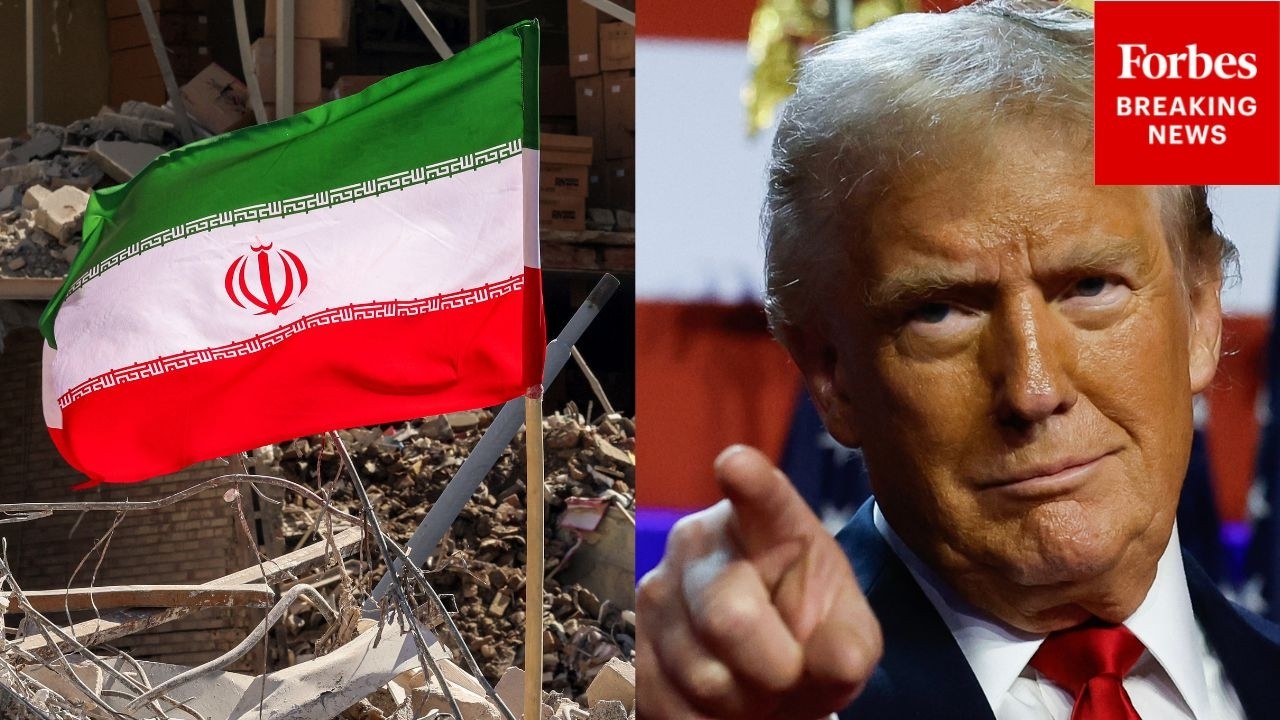
President Donald Trump has repeatedly signaled that a settlement is close.
CBS News reported that Trump recently described the negotiations as a “great settlement,” while senior administration officials have said they are increasingly confident that a deal will be finalized.
The New York Post reported that a senior White House official recently placed the chances of a successful agreement at approximately 85%, while emphasizing that negotiations remain ongoing.
Axios reported that the proposed agreement would extend the current ceasefire, reopen the Strait of Hormuz to commercial shipping, and launch a new round of negotiations concerning Iran’s nuclear activities.
Strait of Hormuz Remains a Major Focus
One of the most important elements of the proposed agreement involves the Strait of Hormuz, one of the world’s most critical oil shipping routes.
The conflict has disrupted traffic through the strategic waterway and contributed to volatility in global energy markets.
According to the Associated Press, reopening the Strait of Hormuz and restoring freedom of navigation are central components of the emerging agreement. AP reported that the deal could also include phased sanctions relief for Iran and a framework for addressing Tehran’s nuclear program during a 60-day negotiation period following the initial signing.
CBS News reported that oil prices fell sharply on growing expectations that a deal could reopen shipping lanes and reduce regional tensions.
Technical Talks Expected Next Week
Even if the memorandum is signed within days, negotiators acknowledge that significant work remains.
Reuters reported that technical-level discussions are expected to begin next week to address implementation details.
CBS News reported that negotiators envision a broader process that could last at least 60 days and potentially longer if both sides agree to extend discussions. Topics expected to be addressed include nuclear restrictions, sanctions relief, maritime security, and verification mechanisms.
A Potential Turning Point for the Middle East
The negotiations represent the most serious effort yet to end a conflict that has destabilized the region since early 2026.
While significant obstacles remain, reports from Reuters, AP, CBS News and Axios suggest that both Washington and Tehran are closer to a formal agreement than at any previous point in the negotiations. If finalized, the deal could reduce tensions across the Middle East, stabilize energy markets, and open the door to broader diplomatic engagement between the longtime adversaries.