


















Interfaith Rally Condemns Brooklyn Co-op’s Israel Boycott as Community Leaders Denounce BDS Campaign
By: Justin Winograd
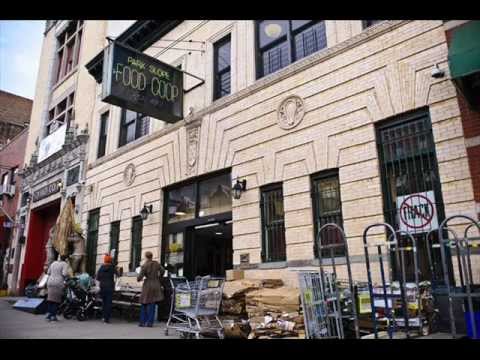
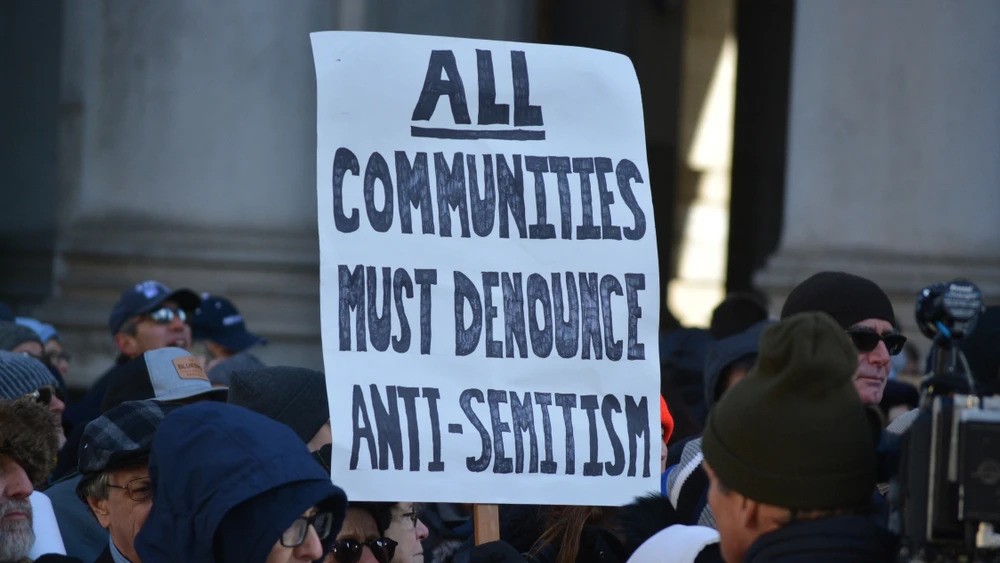
A diverse coalition of Jewish, Muslim, Christian, Hindu, and pro-Israel activists gathered outside Brooklyn’s Park Slope Food Coop on Thursday to denounce the cooperative’s recent decision to boycott Israeli products, transforming a neighborhood dispute into the latest flashpoint in the national debate over the anti-Israel Boycott, Divestment and Sanctions movement.
The demonstration, which drew approximately 75 participants despite sweltering summer temperatures, featured pointed criticism of the boycott campaign, passionate appeals for coexistence, and repeated warnings that efforts to isolate Israel economically represent a troubling manifestation of discrimination rather than legitimate political activism.
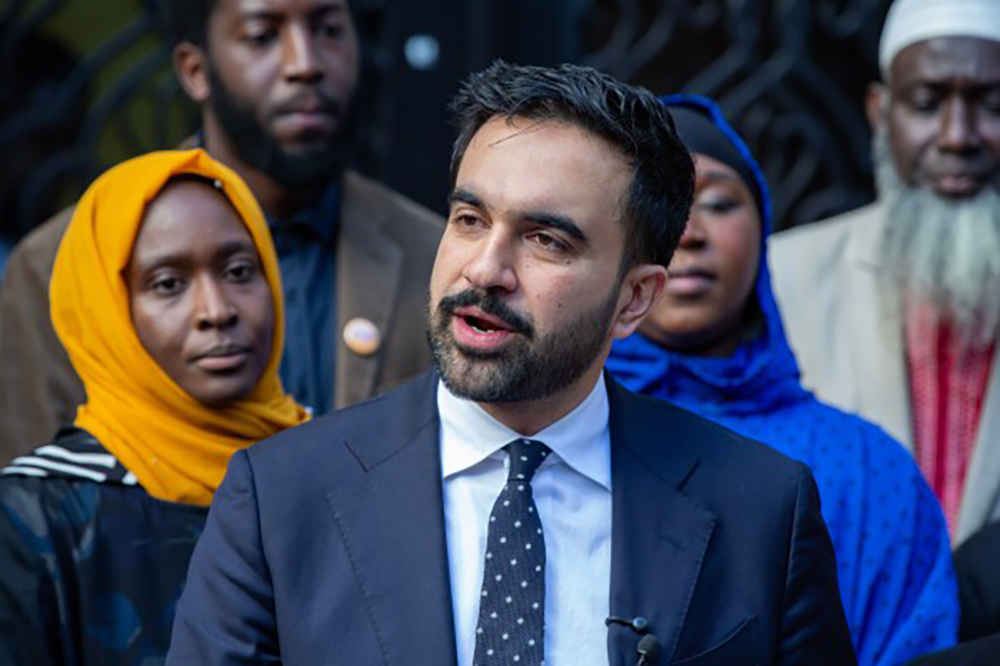
According to a report on Friday at The Jewish News Syndicate (JNS), one of the most memorable moments of the rally came when Sheikh Musa Drammeh, a prominent New York Muslim leader and founder of the Muslim-Israel Dialogue project, delivered a sharp rebuke of the BDS movement that was met with enthusiastic applause.
“BDS should stand for ‘blind, dumb and stupid,’” Drammeh declared, according to the JNS report. The remark drew an immediate reaction from those gathered outside the cooperative. “To support a boycott of Israel, you’ve got to be completely blind to Israel’s innovation, totally dumb not to benefit from it and completely stupid to deny the humanity of what Israel stands for,” Drammeh continued, as reported by JNS.
His comments underscored the central theme of the rally: opposition to efforts aimed at economically isolating Israel and criticism of what participants described as the increasing politicization of community institutions.
The demonstration took place less than three weeks after members of the Park Slope Food Coop approved a controversial measure to remove Israeli-made products from the store’s shelves.
According to the JNS report, participating members voted on May 26 to implement the boycott, with 67% supporting the measure. Members simultaneously approved a procedural change lowering the threshold for future boycott initiatives from a 75% supermajority requirement to a simple majority vote.
The boycott became effective the following day.
Founded in 1973, the Park Slope Food Coop has long been regarded as one of the nation’s most prominent member-owned grocery cooperatives. With more than 17,000 members, the organization has historically emphasized community engagement, sustainability, and cooperative economics.
The boycott affects a relatively limited number of Israeli products, including certain food items and personal-care products. Yet supporters and opponents alike acknowledge that the symbolic implications of the vote extend far beyond the specific merchandise involved.
JNS reported that many rally participants viewed the decision as part of a broader campaign to stigmatize Israel and marginalize members of the Jewish community who maintain ties to the Jewish state.
Among those attending the protest was Corinne Lang, a member of the Lubavitch Chassidic community in Crown Heights. Lang described her reaction to the boycott vote in deeply emotional terms. “It was like somebody kicked me in the stomach. It was shocking,” she told JNS.
She went on to characterize the measure as an expression of hostility toward Jews rather than a simple political statement. “It’s just Jew hatred. It’s antisemitism, plain and simple,” Lang said.
Despite her disappointment, Lang indicated that she intends to remain a member of the cooperative in order to participate in future elections and governance decisions. “There’s an election coming up, and I want to vote that the right people come in and straighten this place out,” she told JNS.
Lang suggested that efforts to boycott Israeli products had existed within the cooperative for years but had previously remained limited in scope. “There’s always been a movement here to boycott Israel, but it was smaller. It didn’t explode like this,” she said.
Although she plans to retain her membership, Lang noted that she has stopped shopping at the cooperative. “Now I go to Whole Foods,” she stated.
The controversy appears to have affected membership levels as well. According to JNS, a co-op employee identified only as Joe estimated that “a few hundred” members have resigned following the vote.
While cooperative officials have not publicly released precise membership figures connected to the boycott’s aftermath, anecdotal reports suggest the decision has generated significant divisions within the organization.
The rally itself was organized by the EndJewHatred initiative of the Lawfare Project together with a broad coalition of community organizations representing multiple faith traditions. Participants carried both American and Israeli flags while chanting slogans opposing the boycott movement.
The gathering highlighted the increasingly interfaith nature of some pro-Israel advocacy efforts, particularly in major metropolitan areas where supporters seek to frame opposition to BDS as a civil rights issue rather than solely a Jewish concern.
According to the JNS report, organizers argued that the cooperative’s actions may raise legal questions under New York State law.
Gerard Filitti, senior counsel at the Lawfare Project, emphasized that while the organization does not currently represent plaintiffs in connection with the Park Slope Food Coop matter, it remains concerned about the legal implications of the boycott. “The Lawfare Project does not currently represent any plaintiffs in the PSFC matter, but we strongly support efforts to challenge discriminatory boycotts masquerading as political activism,” Filitti told JNS.
He further noted that potential legal challenges could emerge in the future. “Boycotts like this raise serious civil rights concerns under New York law, and if affected members or companies seek representation, we would evaluate bringing a case,” Filitti stated.
The issue of legal liability has become an increasingly important aspect of debates surrounding BDS initiatives throughout the United States. Supporters of anti-boycott laws argue that economic campaigns targeting Israel can cross into discriminatory conduct, while proponents of BDS maintain that such actions constitute protected political expression.
The Park Slope dispute may ultimately become another chapter in that ongoing national conversation.
Not all reactions to the rally were supportive. JNS reported that several passersby shouted pro-Palestinian slogans and insults toward demonstrators. Participants responded in varying ways, with some engaging verbally while others ignored the interruptions.
Several police officers monitored the event from the perimeter, helping maintain order throughout the gathering. A former cooperative member who declined to identify himself told JNS that he terminated his membership immediately after the boycott vote.
For a decade, he explained, the cooperative had represented both affordability and community. “That was before the pandemic. Since then it has splintered,” he said.
He attributed much of that fragmentation to the increasingly political atmosphere surrounding the cooperative. “You go to the market, and you don’t want to deal with people giving you pamphlets and being political,” he told JNS. “It’s become too political.”
His remarks reflected a broader sentiment expressed by some critics of the boycott campaign who argue that grocery cooperatives should focus on food, affordability, and community service rather than geopolitical disputes.
The rally also featured remarks from representatives of other organizations, including advocates from Hindu community groups and prominent members of Brooklyn’s Syrian Jewish community. Among the speakers was activist Abraham Hamra, who delivered one of the gathering’s most forceful defenses of Israel. “You can try to boycott us. You can try to hurt us. But the Jew is no longer an easy target now that we have a state,” Hamra told the crowd, according to the JNS report.
His comments drew applause from participants. Hamra further urged supporters of the boycott to apply their principles consistently by avoiding technologies and innovations connected to Israeli research and development. “Inconvenience yourselves. Boycott the iPhone. Boycott Google. Boycott medical advances,” he said, referencing industries and technologies in which Israeli innovation has played a significant role. “We know you and won’t forget,” Hamra added. “We will continue and thrive.”
The demonstration highlighted the growing intensity of debates surrounding Israel, antisemitism, and political activism in New York City, home to one of the world’s largest Jewish populations.
For supporters of the boycott, the cooperative’s decision represents an effort to express solidarity with Palestinians and pressure Israel through economic means.
For opponents, many of whom spoke at Thursday’s rally, the measure symbolizes something far more troubling: an attempt to single out the world’s only Jewish state for economic punishment while fostering an atmosphere that many believe contributes to hostility toward Jewish communities.
As reported by JNS, the controversy surrounding the Park Slope Food Coop shows little sign of fading. With elections approaching, membership resignations mounting, and potential legal challenges looming, the dispute appears likely to remain a focal point in broader discussions about activism, community institutions, and the increasingly polarized discourse surrounding Israel in America.
For now, the sidewalks outside the cooperative have become a stage for a debate that extends well beyond Brooklyn—one touching on questions of civil rights, free expression, religious identity, and the future of one of the most contentious political movements in contemporary public life.



