























By: David Avrushmi
A memorandum of understanding between the United States and Iran is generating intense debate across Israel’s political, diplomatic, and security establishments, with one prominent Israeli analyst describing the emerging framework as a potential “strategic disaster” that could fundamentally alter the balance of power in the Middle East while granting Tehran sweeping concessions in exchange for what critics argue are limited commitments.
The controversy intensified after Iran’s state-affiliated Mehr News Agency, citing the Iranian Ministry of Foreign Affairs, published the complete text of a 14-clause Memorandum of Understanding between Washington and Tehran. The agreement, which is scheduled for formal signing in Geneva on June 19, has already become the subject of fierce scrutiny among Israeli observers, many of whom are questioning whether the framework adequately addresses Iran’s nuclear ambitions, ballistic missile capabilities, and support for regional proxy organizations.
The Israeli analyst argued that the arrangement appears heavily weighted in Iran’s favor, asserting that Tehran would emerge from the conflict with significant economic and strategic gains while making few meaningful concessions on issues that have long been considered central to Western security concerns.
The analyst characterized the agreement as particularly troubling because it would provide Iran with benefits that were not available before the conflict began.
“The most absurd part,” the analyst reportedly argued, “is that a war against Iran is ending with sanctions relief for Iranian oil sales,” a development that critics contend would provide Tehran with renewed access to substantial financial resources at a time when the regime has been under severe economic pressure.
The analyst further argued that the framework appears to offer little progress on several of the principal issues that have dominated international negotiations with Iran for years.
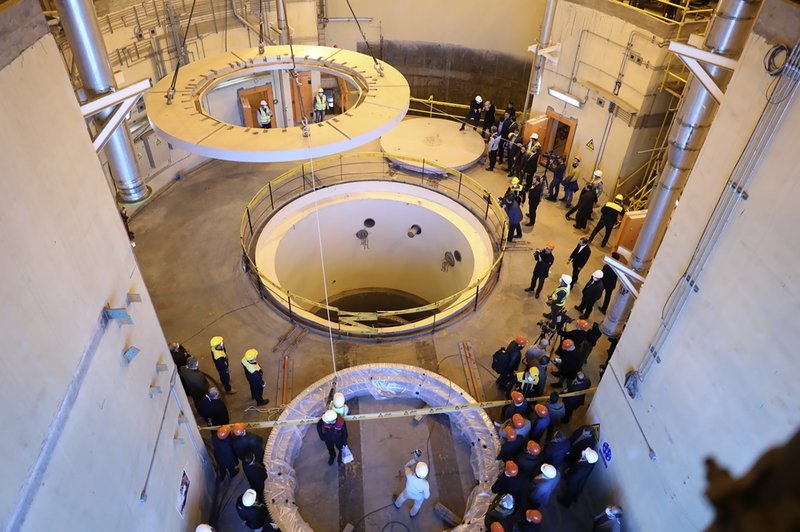
Among those concerns are Iran’s nuclear activities, its extensive ballistic missile program, and its support for regional proxy organizations operating throughout the Middle East.
At the center of the controversy are the provisions published by Mehr News Agency.
According to the Iranian publication, the first clause of the memorandum calls for a permanent and immediate cessation of hostilities across all fronts, including Lebanon. Supporters of such a provision could argue that ending active conflict represents an important step toward regional stability. Critics, however, contend that an immediate ceasefire may freeze existing strategic realities in place without addressing underlying security threats.
The second reported clause commits the United States to non-interference in Iran’s internal affairs and recognition of the sovereignty of the Islamic Republic. Such language reflects longstanding Iranian demands regarding foreign involvement in domestic Iranian matters and has been a recurring theme in diplomatic exchanges between Tehran and Western governments.
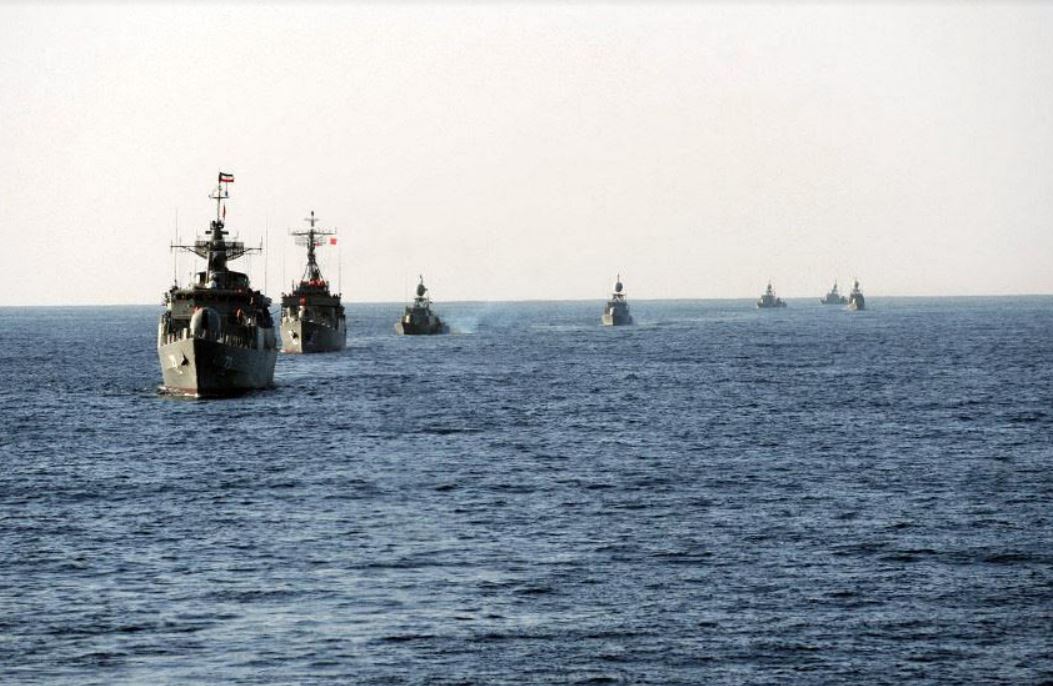
One of the most consequential reported provisions involves the lifting of military and economic restrictions. According to Mehr News Agency, the agreement would require the complete removal of the naval blockade within 30 days, while a separate clause reportedly commits the United States to withdrawing forces positioned around Iran.
Additional reported provisions would facilitate the reopening of the Strait of Hormuz under Iranian arrangements within 30 days. Given the strategic importance of the waterway—which serves as one of the world’s most critical energy transit corridors—any agreement affecting its operation would likely have profound implications for global energy markets and international shipping.
Particularly controversial among Israeli critics is the suspension of sanctions on Iranian oil exports, petrochemical products, and related industries.
According to Mehr News Agency, Iran would also receive full access to its financial resources under the proposed framework.
For years, sanctions targeting Iran’s energy sector have been among the most powerful tools employed by the United States and its allies to pressure Tehran economically. Opponents of the agreement argue that lifting such restrictions before securing substantial nuclear or military concessions could significantly strengthen the Iranian regime.
Perhaps the most striking reported provision involves reconstruction assistance.
According to Mehr News Agency, the United States and its allies would be expected to present reconstruction plans for Iran valued at no less than $300 billion.
That figure has attracted significant attention because of its extraordinary scale. Critics argue that such assistance would effectively provide a massive economic lifeline to Tehran while postponing resolution of key security disputes.
The memorandum establishes a 60-day negotiating period aimed at achieving a comprehensive final agreement focused primarily on nuclear issues and the removal of sanctions.
According to Mehr News Agency, those negotiations would address Iran’s enriched nuclear material, future enrichment activities, sanctions relief, and economic reconstruction.
Iran’s commitment under the Nuclear Non-Proliferation Treaty not to develop nuclear weapons is reportedly reaffirmed in the document. Iranian officials have consistently maintained that their nuclear program is intended for peaceful purposes, while Western governments and regional adversaries have long expressed concerns regarding the potential military dimensions of Tehran’s nuclear activities.
One of the most closely scrutinized provisions concerns frozen Iranian assets. According to Mehr News Agency, approximately $24 billion in blocked Iranian funds would be released during the 60-day negotiating period. The report further states that half of those funds would become available before negotiations formally begin.
Critics argue that releasing substantial financial resources before a final agreement is reached could diminish Western leverage during subsequent negotiations.
The memorandum also calls for the creation of a supervisory mechanism to oversee implementation and states that any final agreement would receive approval through a United Nations Security Council resolution. Yet the provision drawing perhaps the strongest criticism from Israeli analysts concerns the scope of future negotiations.
According to the text published by Mehr News Agency, discussions regarding Iran’s ballistic missile program and support for regional resistance groups would be definitively removed from the agenda.
That exclusion has generated particular concern among Israeli observers. For years, Israeli officials have argued that any comprehensive agreement with Tehran must address not only nuclear issues but also Iran’s missile capabilities and support for organizations such as Hezbollah, Hamas, and other armed groups operating throughout the region.
The analyst argued that excluding those subjects from negotiations would leave some of the most significant security concerns unresolved. According to that assessment, Iran would retain key elements of its regional influence network while receiving substantial economic and diplomatic benefits.
The debate surrounding the memorandum highlights broader divisions regarding the best path toward regional stability. Critics argue that agreements which provide immediate concessions without corresponding security guarantees risk emboldening adversarial actors.
The framework’s supporters may view it as a pragmatic effort to halt conflict, reopen critical shipping lanes, reduce regional tensions, and establish a foundation for future negotiations.
Its critics, meanwhile, see the reported terms as rewarding Iran while postponing resolution of the very issues that have fueled years of confrontation.
As diplomatic efforts continue and attention turns toward the scheduled June 19 signing in Geneva, the reported memorandum remains at the center of a growing geopolitical debate.
Whether the framework ultimately becomes a stepping stone toward broader regional stability or a source of renewed controversy will depend largely on the final details of the agreement, its implementation, and the outcomes of the negotiations that are expected to follow.
For now, according to the text published by Mehr News Agency, the reported memorandum has already succeeded in reshaping the conversation surrounding U.S.-Iran relations and raising profound questions about the future security architecture of the Middle East.
Below, are the 14 clauses in the Memorandum of Understanding (MoU) signed with the US are as follows:
1. Permanent and immediate cessation of war on all fronts, including Lebanon.
2. The US commitment to non-interference in Iran’s internal affairs and respect for the sovereignty of the Islamic Republic of Iran.
3. Complete lifting of the naval blockade within 30 days.
4. The US commitment to withdraw its forces from around Iran.
5. Reopening of the Strait of Hormuz within 30 days under Iranian arrangements.
6. Suspension of sanctions on the sale of oil, petrochemical products, and derivatives, and full access of Iran to its financial resources.
7. The necessity for the US and its allies to present reconstruction plans for Iran amounting to at least 300 billion dollars.
8. 60 days of negotiations to reach a final agreement based on nuclear issues and the complete lifting of primary, secondary, US sanctions, and UN Security Council and IAEA Board of Governors resolutions.
9. Reiteration of Iran’s commitment under the NPT treaty not to produce nuclear weapons.
10. During the negotiation period, the US has committed not to add forces in the region and not to impose new sanctions.
11. Release of 24 billion dollars of Iran’s blocked funds during the 60-day final negotiation period. Half of this amount must be made available to Iran before the start of negotiations.
12. Formation of a supervisory mechanism to implement the agreement.
13. The final agreement will be approved by a UN Security Council resolution.
14. Final negotiations will not begin before the release of half of Iran’s blocked funds, suspension of Iran’s oil sanctions, and lifting of the naval blockade, and the final agreement will only cover the fate of enriched materials and enrichment, lifting of sanctions, and Iran’s economic reconstruction plan. Discussions about Iran’s missile program and support for resistance groups are definitively removed from the agenda.



