





























|
Getting your Trinity Audio player ready...
|
By: Abe Wertenheim
Astoria, once known primarily as a working-class enclave of Greek tavernas, mom-and-pop storefronts, and union households, is fast becoming something very different: a proving ground for New York City’s most ascendant political faction, the Democratic Socialists of America. According to a report that appeared on Saturday in The New York Post, the race to replace Mayor-elect Zohran Mamdani in the State Assembly is shaping up to be one of the clearest illustrations yet of how dramatically the ideological center of gravity has shifted in northwest Queens.
The contest to claim Mamdani’s soon-to-be-vacant seat in the 36th Assembly District—which includes Astoria and parts of Long Island City—features three candidates, all women, all committed members of the DSA, and all running on platforms that push the boundaries of political radicalism even by New York City’s left-wing standards. For an area sometimes jokingly dubbed “the People’s Republic of Astoria,” the race marks not merely a special election but a referendum on what kind of politics will define the neighborhood’s future.
Zohran Mamdani, who has represented the district since 2021, will vacate the seat on January 1 when he is sworn in at City Hall. Under state law, Governor Kathy Hochul will have ten days to call a special election, with the race to occur within two months.
There are no Republicans running. There are no moderate Democrats running. There is only the left—and the further left.
Mamdani’s tenure as a state legislator was marked by ideological fervor but not legislative diligence. As The New York Post reported, he was absent for an astonishing 50 percent of legislative votes this year, including the one vote on the only bill he managed to pass. Yet his record has not deterred his loyalists; if anything, it appears to have emboldened them.
His close ally Diana Moreno—widely considered the frontrunner among the DSA-backed trio—dismissed concerns about Mamdani’s attendance record. She told The New York Post that Mamdani “exceeded [her] expectations” as a legislator. Moreno, who worked on Mamdani’s 2020 Assembly campaign, spoke fondly of him personally as well, recalling that the son of millionaire filmmaker Mira Nair and Columbia professor Mahmood Mamdani once regularly texted her to borrow $20 to do laundry when he ran out of cash.
The anecdote, which raised eyebrows even among seasoned political observers, encapsulates the curious intersection of privilege and performative austerity that has come to characterize much of the DSA’s political class in New York—a dynamic that The New York Post has scrutinized with increasing intensity.
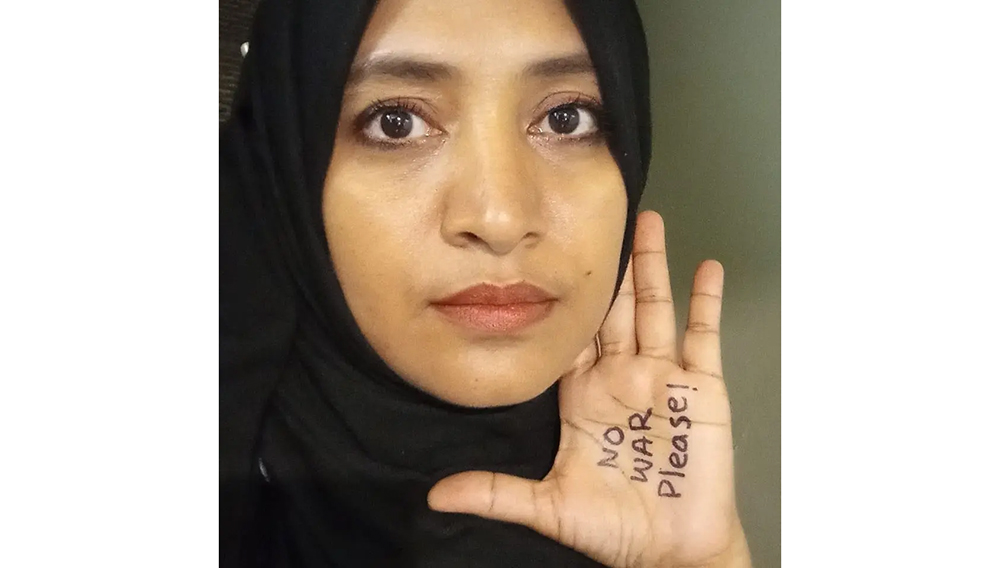
Perhaps the most ideologically extreme of the three candidates is Meherunnisa “Mary” Jobaida, a 45-year-old first-generation Bangladeshi American whose criminal justice platform pushes beyond even the most radical planks of the DSA’s preferred policies.
Jobaida explicitly calls for “decriminalizing all forms of poverty,” a phrase that translates in practice to eliminating arrests for fare evasion, unlicensed vending, and food theft.



