



























|
Getting your Trinity Audio player ready...
|
By: Robin Foster & Ernie Mundell
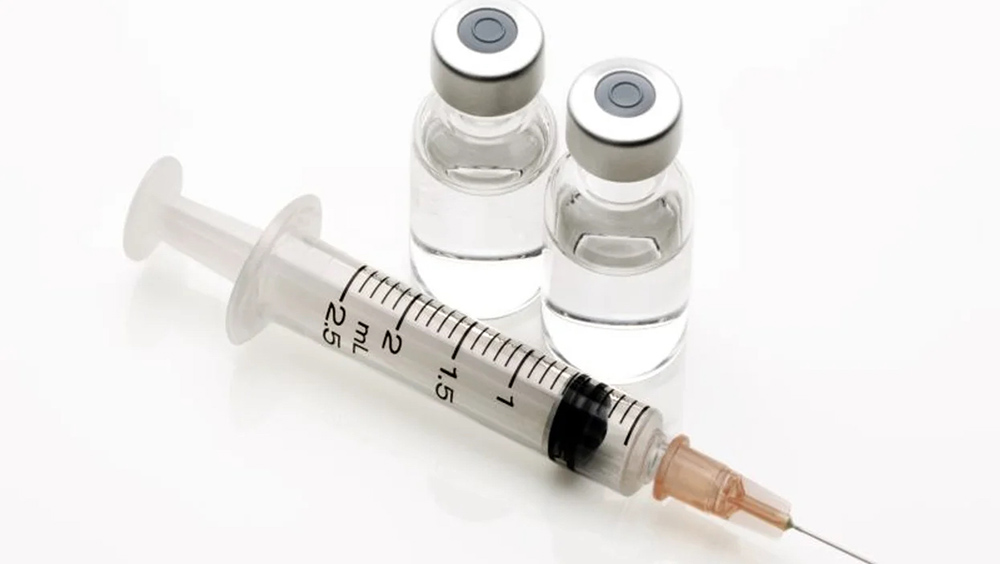
As U.S. officials ramped up efforts to vaccinate more Americans, scientists around the world wrestled with whether it would make sense to delay the second doses everyone will need so more people can be vaccinated more quickly.
Since even the first shot offers some protection, there are experts who believe that the fastest way to get the pandemic under control is to give first injections as widely as possible now, The New York Times reported. By Saturday, only 4.2 million Americans had gotten their first dose of vaccine, though that number is likely an underestimate because of reporting lags, the newspaper noted.
Dr. Anthony Fauci said Sunday that the country has fallen far short of its goal of vaccinating 20 million Americans by the end of 2020. But he also added that he’s seen “some little glimmer of hope” after 1.5 million doses were administered in the previous 72 hours, the Associated Press reported.
Fauci also said he was optimistic that the momentum will pick up by mid-January and that ultimately Americans will be vaccinated a at rate of 1 million per day.
“The goal of vaccinating 100 million people in the first 100 days [of 2021] is a realistic goal,” Fauci added.
Even so, any delays in vaccinations are troubling as a more infectious variant of the coronavirus has been detected in at least 33 countries, the Times reported. While Britain has already chosen to delay second doses of the Pfizer and AstraZeneca vaccines in an effort to try and vaccinate more people, U.S. health officials are so far opposed to the idea, the newspaper said.
However, one top official of Operation Warp Speed suggested yet another alternative on Sunday: Halve the dose of each shot of Moderna’s vaccine, to potentially double the number of people who could receive it.
Data from Moderna’s trials showed that people between 18 and 55 who received two 50-microgram doses had an “identical immune response” to the standard of two 100-microgram doses, Dr. Moncef Slaoui explained, the Times reported. Each vaccine would still be delivered in two doses given four weeks apart.
Slaoui said that Operation Warp Speed was discussing the dose-halving option with the U.S. Food and Drug Administration and Moderna. The company did not respond immediately to a request for comment, the Times reported.
Natalie Dean, a biostatistician at the University of Florida, agreed that there might be more data to support half-doses rather than delayed doses.
“There is a path forward if you can show that two lower doses yield a similar immune response,” Dean said.



