





























|
Getting your Trinity Audio player ready...
|
By Zachary Stieber
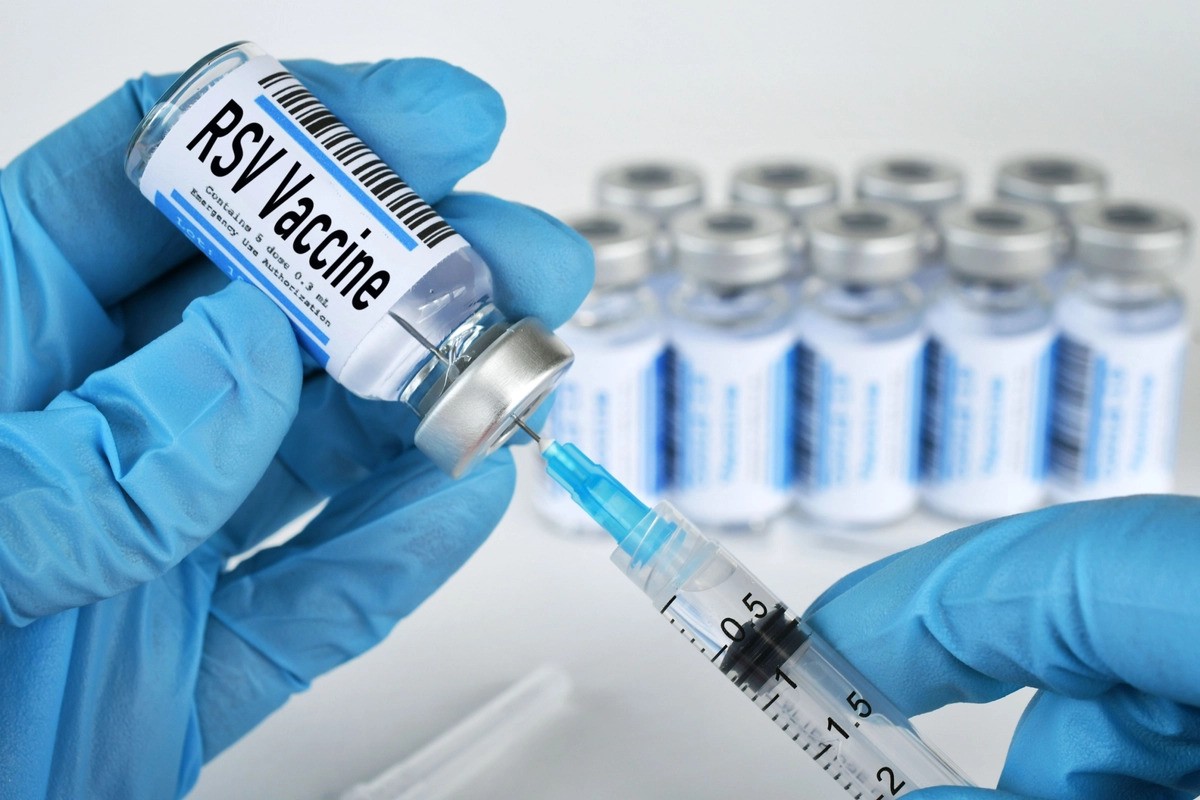
(Epoch Times) Pfizer’s vaccine against respiratory syncytial virus (RSV) may be associated with certain health problems in pregnant women, including hypertensive disorders, researchers said in a study published on April 21.
Ashley Michnick, a research scientist at Harvard Medical School, and researchers with Pfizer and other entities analyzed data from five systems, including CVS Health and Kaiser Permanente Northwest.
They analyzed pregnancies that occurred from Sept. 22, 2023, through Aug. 9, 2024, and found that pregnant mothers received Pfizer’s vaccine between 32 and 36 weeks of gestation. The number of included pregnancies was 13,619.
Compared with pregnant women who received a different vaccine, such as an influenza shot, during the same gestational weeks during the study period, the women who received the RSV vaccine were more likely to have pregnancy-associated hypertensive disorders, such as inpatient gestational hypertension.
The risk was also higher when the RSV vaccine recipients were compared with women who had given birth in previous years, or a historical comparator group.
The researchers also recorded an elevated risk for premature rupture of membranes among RSV vaccine recipients.
FDA Analyzing Safety of RSV Antibodies Approved for Young Children
Other outcomes, such as preterm birth, were not found to be elevated among the women who received the RSV vaccine, or RSVpreF.
The paper was published in JAMA Network Open, a journal of the American Medical Association.
The findings are largely consistent with previous research, including the Centers for Disease Control and Prevention’s analysis of data from one of its safety systems, and a study by some of the same researchers that found a higher but not statistically significant risk of hypertensive disorders among pregnant women who received Pfizer’s shot.
More cases of hypertension and gestational hypertension also occurred in RSVpreF recipients in a clinical trial than were recorded among recipients of a placebo.
The Food and Drug Administration approved the vaccine in 2023 for 32 through 36 weeks of pregnancy.
The vaccine, which had previously been available for older adults, is the only shot available for pregnant women. The CDC says that women should receive the shot during pregnancy, or as an alternative, their infants can receive a monoclonal antibody against RSV after being born.
Michnick and coauthors said that the data in the new paper do not prove the vaccine causes the problems.
“Statistically significant findings in these sequential analyses cannot confirm a causal association, given limited confounding control,” they wrote.
“A full epidemiological study, including adjustment for immunocompromising conditions, risk factors for pregnancy-associated hypertensive disorders and PROM, and finer control for gestational age at vaccination, is forthcoming and is expected to yield more precise and robust risk estimates for RSVpreF vaccination during pregnancy.”
Pfizer did not return a request for comment by the time of publication. The company provided funding for the study, and the conflict-of-interest disclosures noted that some of the researchers were employed by Pfizer while conducting the research.