



|
Getting your Trinity Audio player ready...
|
By: Fern Sidman
In a development that has reignited one of the most morally complex debates in the art world, the Netherlands is grappling with the future of a vast and invaluable trove of cultural treasures looted during one of history’s darkest chapters. As reported on Wednesday by The New York Times, a newly issued government commissioned report has proposed a controversial path forward for what is known as the Dutch Art Collection, a repository of thousands of artworks reclaimed in the aftermath of the Second World War yet still shadowed by unresolved questions of ownership, justice, and memory.
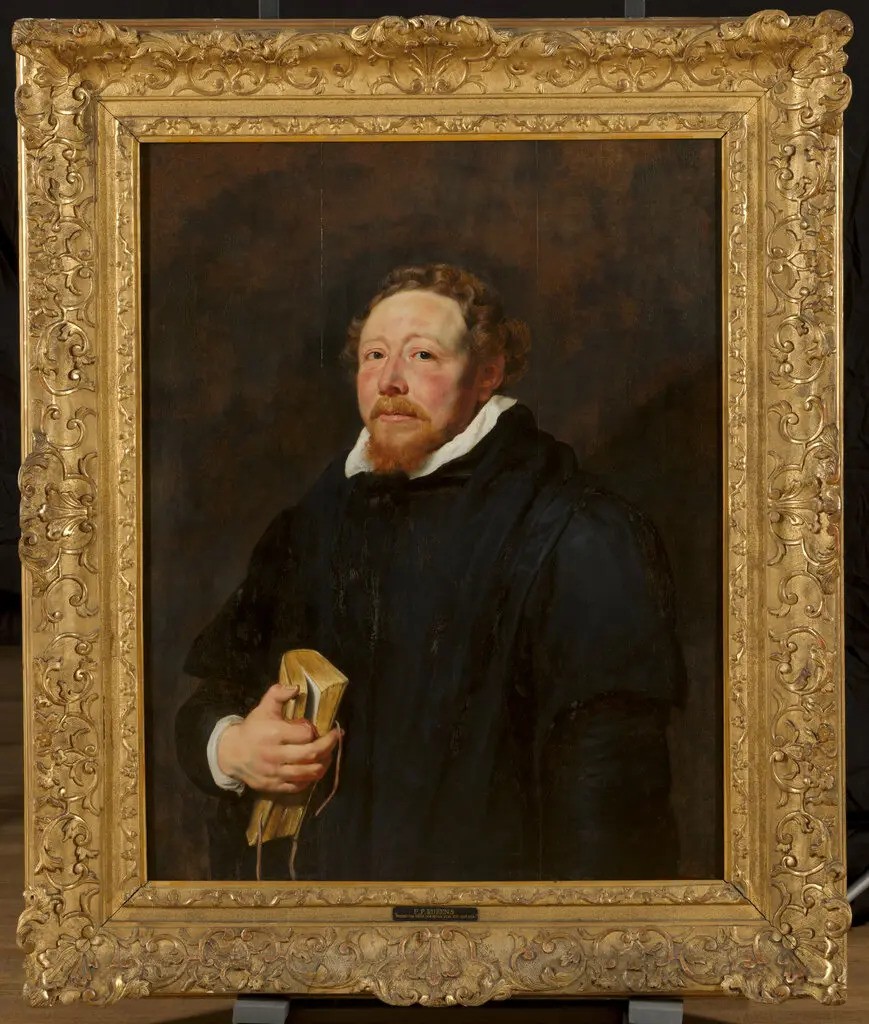
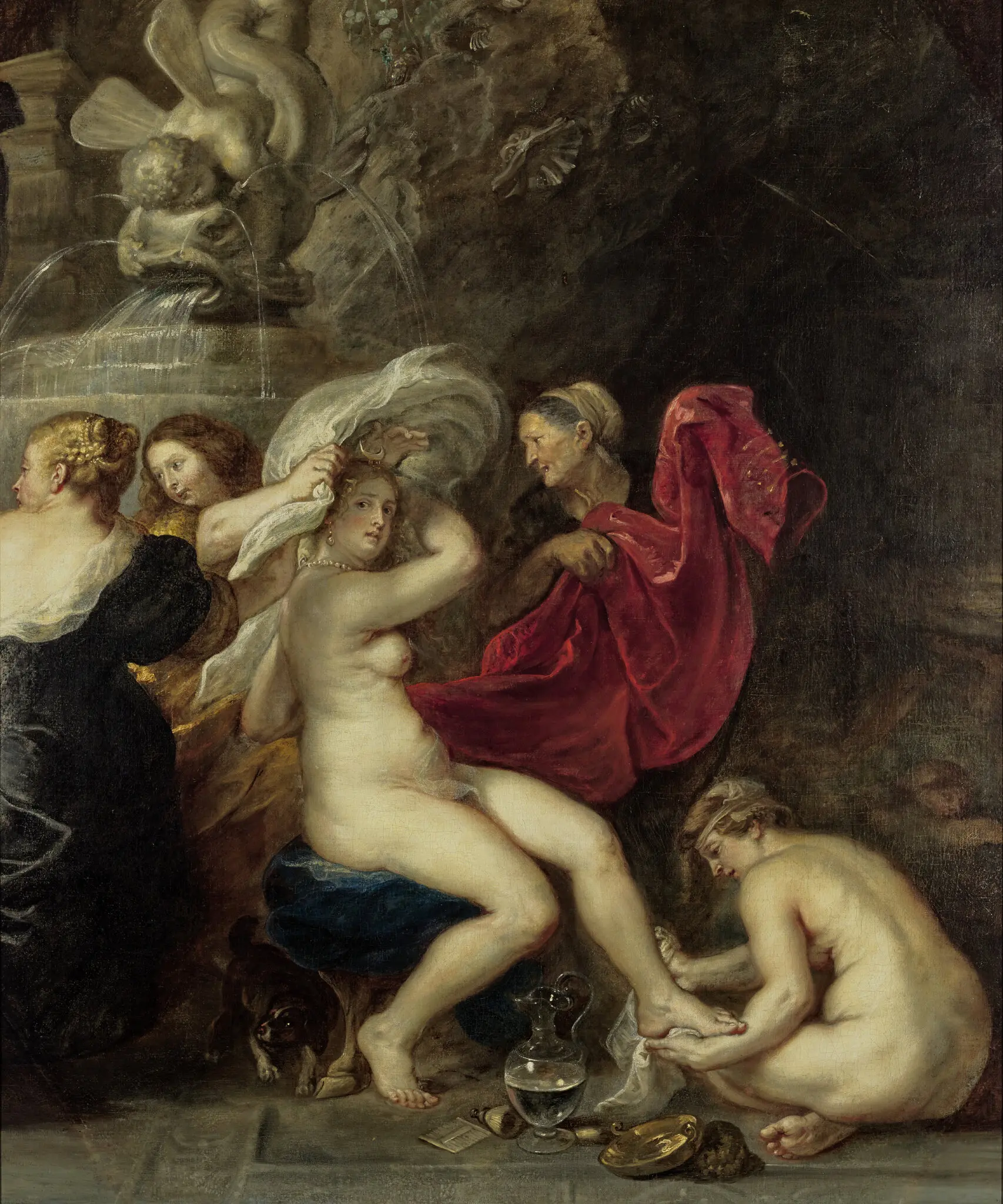
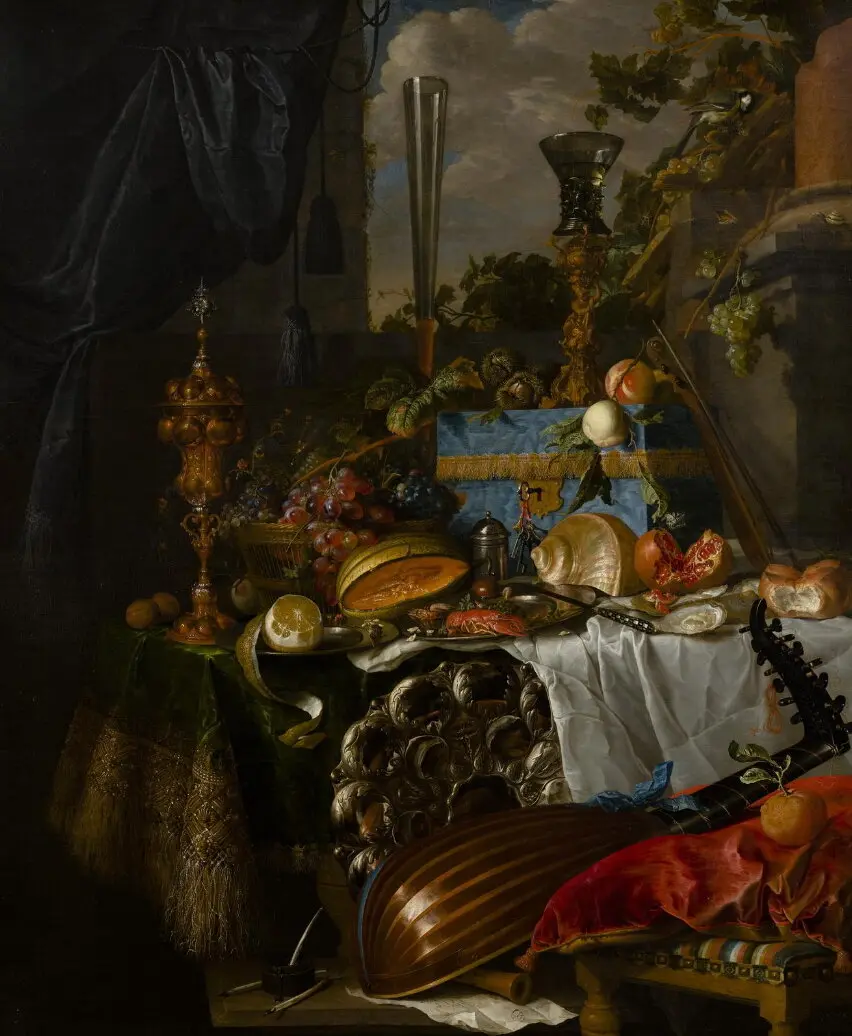
The collection, formally referred to as the Nederlands Kunstbezit collection, is no ordinary assemblage of artistic achievement. Valued in the millions and perhaps even the hundreds of millions of dollars, it encompasses an extraordinary range of objects, including tapestries, antique silver, and approximately 1500 oil paintings. Among these are masterpieces attributed to celebrated figures such as Rembrandt, Frans Hals, and Peter Paul Rubens. Yet despite its artistic significance, the collection’s true weight lies in its provenance: the majority of these works were seized from Jewish families during the Holocaust, often under conditions of coercion or outright theft.
The origins of the Dutch Art Collection are inseparable from the systematic plunder carried out by the Nazi regime across occupied Europe. Jewish collectors, dealers, and families were stripped not only of their livelihoods but of their cultural and personal heritage. Many of the individuals from whom these works were taken were deported to concentration camps and did not survive, leaving behind fragmented histories and, in many cases, no identifiable heirs.
Following the war, Allied forces undertook extensive efforts to recover looted cultural property and return it to its countries of origin. In the Netherlands, these recovered works were consolidated into a national collection, with the intention that they would eventually be restituted to their rightful owners. However, the process proved far more complicated than anticipated.
As The New York Times has documented, approximately 700 objects were returned to owners in the immediate postwar years, while an additional 1600 were sold at auction. Yet thousands of items remained unclaimed, either because heirs could not be located or because documentation proving ownership was incomplete or inaccessible. Over time, these works came to be labeled as “heirless” or “orphaned,” a designation that has remained both legally and ethically contentious.
Today, more than 3500 objects remain in the Dutch Art Collection, held under the stewardship of the Dutch Cultural Heritage Agency. Some are displayed in prominent institutions such as the Rijksmuseum in Amsterdam and the Bonnefanten Museum in Maastricht, while others are stored in facilities in Arnhem.
Despite their visibility, many of these works exist in a state of unresolved limbo. Their presence in museums often lacks explicit acknowledgment of their origins, and their legal status continues to be debated. The question of what constitutes a just resolution has grown increasingly urgent as the number of Holocaust survivors dwindles and the passage of time complicates efforts to trace ownership.
In an effort to address this longstanding dilemma, the Dutch government appointed a committee two years ago to examine potential solutions. Chaired by Lodewijk Asscher, the panel has now released a comprehensive report outlining what it describes as a feasible and forward looking approach.
The central recommendation is the establishment of a foundation under the auspices of the Dutch Jewish community, which would assume guardianship of the collection. This entity would be tasked not only with preserving the artworks but also with contextualizing their history and making them accessible to the public in a manner that acknowledges their origins.
The report suggests that the foundation be housed at the Jewish Museum in Amsterdam, where it could curate exhibitions, facilitate loans to other institutions, and develop educational programming. The Dutch state, in turn, would provide annual funding to support these activities, ensuring that the collection serves both cultural and commemorative purposes.
Asscher emphasized that the collection’s significance extends beyond its artistic value. It represents a narrative of loss, resilience, and the enduring consequences of injustice. By situating the works within this historical framework, the foundation would aim to foster greater understanding of the Holocaust and its legacy.
While the proposal has been welcomed by some as a meaningful step toward resolution, it has also drawn criticism from individuals and organizations representing potential heirs. For these critics, the plan falls short of addressing the fundamental issue of restitution.
Alfred Fass, a member of the Dutch Immigrants Association, expressed skepticism regarding the government’s commitment to locating heirs. He argued that the proposal effectively prioritizes the retention of the artworks within the Netherlands over the pursuit of justice for families whose property was taken.
Similarly, Gideon van der Sluis, representing the same organization, advocated for an alternative approach that would involve selling the collection and using the proceeds to benefit Holocaust survivors and their descendants. Such a plan, he suggested, would provide tangible support to those most directly affected by the historical injustices associated with the collection.
Legal experts have also weighed in on the debate. Niv Goldberg, who represents heirs of the art dealer brothers Nathan and Benjamin Katz, criticized the proposal as premature. He noted that many archives relevant to restitution claims have only recently been opened, potentially enabling new evidence to emerge.
Goldberg argued that closing the door on restitution at this stage would undermine efforts to achieve justice. He pointed out that relatively few works from the collection have been returned in recent decades, raising concerns about the effectiveness of existing processes.
The difficulties inherent in restituting looted art are well documented. In the Netherlands, the process has been shaped by a series of initiatives and reforms, including the establishment of the Origins Unknown Commission in the late 1990s. This body sought to reinvigorate restitution efforts in the wake of the Washington Conference on Holocaust Era Assets, which established international guidelines for addressing such claims.
Since then, approximately 500 artworks have been returned through the Dutch Restitution Committee. However, the pace of restitution has been uneven, and many claims have been rejected due to insufficient documentation or other factors.
The New York Times report noted that the scale of the challenge is compounded by the devastating impact of the Holocaust on the Dutch Jewish community. With nearly 80 percent of its members killed, the ability to trace ownership and identify heirs has been severely constrained.
Beyond the legal and financial dimensions of the debate lies a deeper question: how should societies remember and reckon with the injustices of the past? The Dutch Art Collection embodies this dilemma, serving as both a repository of cultural achievement and a testament to human suffering.
Rianne Letschert, the Dutch Minister of Education, Culture, and Science, underscored this dual significance in her response to the report. She described the collection as comprising objects that once formed part of everyday life, from paintings that adorned living rooms to items used in family celebrations. These artifacts, she noted, are among the last tangible traces of lives that were destroyed.
For proponents of the foundation model, preserving the collection within a public and educational framework offers a way to honor this history while ensuring that it remains accessible to future generations. By contrast, critics argue that true justice requires the return of property to its rightful owners, regardless of the practical challenges involved.
As the Dutch government prepares to present the committee’s recommendations to Parliament, the future of the Dutch Art Collection remains uncertain. The proposal represents a significant attempt to reconcile competing priorities, balancing the desire for restitution with the need to preserve and contextualize the collection.
The New York Times report characterized the situation as emblematic of broader debates within the international art world, where questions of ownership, ethics, and historical accountability continue to evolve. The outcome of this deliberation will likely influence not only the Netherlands but also other countries grappling with similar issues.
The Dutch Art Collection stands as a powerful reminder of both the heights of human creativity and the depths of human cruelty. Its future will be shaped by decisions that must navigate the complexities of history, law, and morality.
Whether through restitution, preservation, or a combination of both, the challenge is to ensure that these works do not merely endure as objects of aesthetic admiration but serve as enduring witnesses to a past that must never be forgotten. As The New York Times has made clear, the stakes are profound, encompassing not only the fate of priceless artworks but the integrity of the historical record itself.
