



|
Getting your Trinity Audio player ready...
|
By: Fern Sidman
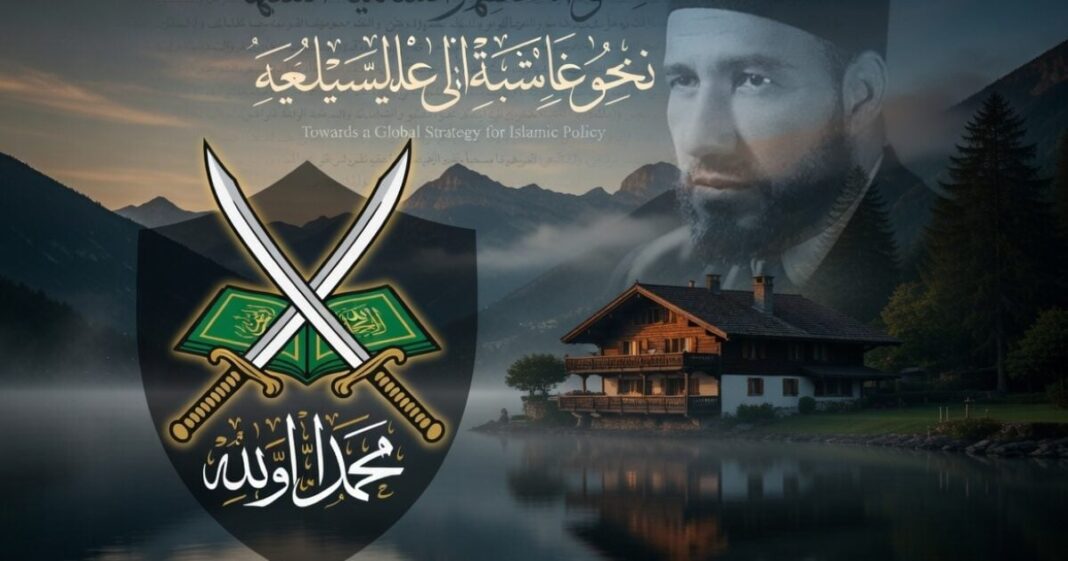
A far-reaching and deeply consequential report released by RAIR Foundation USA has thrust into the national spotlight a document described as a covert strategic blueprint for long-term ideological expansion within the United States. The document, known as “The Project,” is presented as a foundational text outlining a methodical, multi-generational plan attributed to the Muslim Brotherhood—one that has, according to the report, guided operations and influence campaigns for decades.
The findings, detailed extensively by RAIR Foundation USA, depict a sophisticated framework for societal transformation, executed not through overt conflict but through gradual institutional penetration and cultural reorientation. The report contends that this strategy has been quietly unfolding within American society, largely unnoticed by the broader public and insufficiently addressed by political leadership.
“The Project,” as described by RAIR Foundation USA, originated in 1982 and was later seized by Swiss authorities from the residence of a senior Muslim Brotherhood financier in the aftermath of the September 11 attacks. The document is portrayed as a comprehensive operational manual, setting forth a long-term vision for establishing ideological dominance through calculated, incremental steps.
Central to the document’s framework is a rejection of assimilation into Western societies. Instead, it advocates the construction of parallel structures that preserve and advance a distinct ideological identity. These structures, according to the report, are intended to operate alongside existing institutions while gradually exerting influence over them.
The blueprint also emphasizes the strategic use of geopolitical issues as rallying points. Among these, the question of Palestine is identified as a central theme, serving to mobilize support and unify disparate groups under a shared cause. The report highlights this element as a key mechanism for sustaining momentum and expanding reach.
Another significant component outlined in the document is the formation of temporary alliances with ideologically diverse groups, including leftist and Marxist movements. These alliances, as described in the RAIR Foundation USA report, are conceived as pragmatic partnerships aimed at weakening Western societal structures from within, thereby creating conditions conducive to broader transformation.
The report further details a systematic approach to institutional infiltration. This includes gaining footholds within educational, political, and cultural organizations, with the objective of influencing policy, shaping public discourse, and consolidating power at local and national levels. Over time, these efforts are intended to culminate in the gradual implementation of governance frameworks aligned with the document’s ideological vision.
A notable aspect of the strategy, as presented, is its emphasis on nonviolent methods. The report characterizes this approach as a form of “civilization-level engagement,” relying on persistence, organization, and strategic foresight rather than direct confrontation. This methodology, it suggests, has enabled the plan to advance steadily over an extended period.
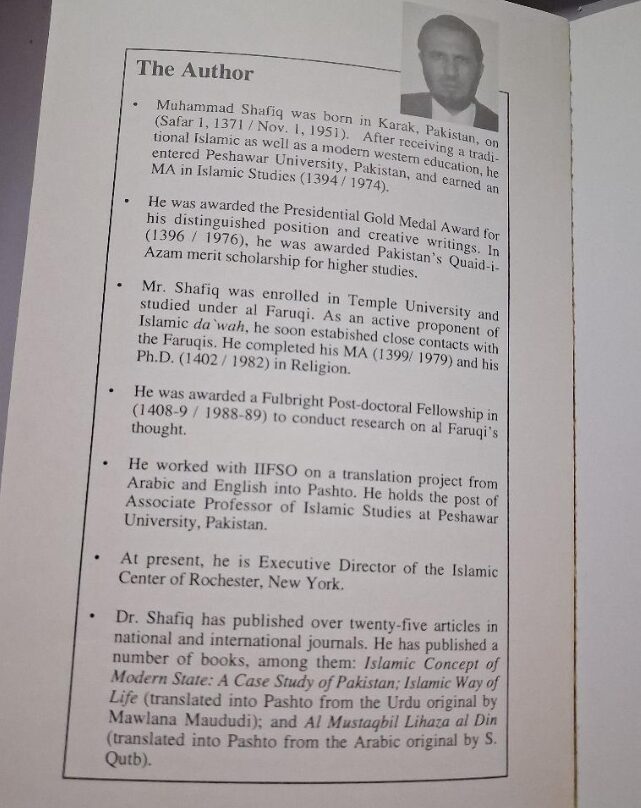
The report identifies a network of organizations within the United States that are described as central to the execution of this strategy. Among them is the International Institute of Islamic Thought, headquartered in Herndon, Virginia. According to the RAIR Foundation USA report, this institution has served as a key hub for intellectual and organizational activity, promoting concepts associated with the “Islamization of knowledge” and facilitating the development of successive generations of adherents.
The institute’s status as a tax-exempt nonprofit organization underscores the report’s broader assertion that the strategy operates within existing legal and institutional frameworks. This dynamic, it argues, has allowed the network to function openly while advancing its objectives over several decades.
In its analysis, RAIR Foundation USA situates the document within a wider constellation of organizations and movements. It identifies ideological and historical links between the Muslim Brotherhood and various groups that have emerged in different regions, emphasizing the breadth and continuity of the network.
The report underscores that the strategies outlined in “The Project” have been applied with consistency and discipline, contributing to the expansion of influence across multiple domains. It presents this continuity as evidence of a coherent and enduring vision, one that has adapted to changing circumstances while maintaining its core objectives.
The significance of the report was further amplified when RAIR Foundation USA formally introduced “The Project” into the United States Congressional Record during testimony delivered on February 10, 2026. This development marks a pivotal moment, bringing the document into the sphere of official governmental proceedings and ensuring its accessibility for legislative consideration.
By placing the document on record, the organization has sought to elevate awareness among policymakers and underscore the urgency of the issues it raises. The move effectively positions the report as a reference point for ongoing discussions about national security, ideological influence, and institutional resilience.
A defining characteristic of the blueprint, as detailed in the report, is its long-term orientation. Rather than pursuing immediate or dramatic transformations, the strategy emphasizes gradual progress over generations. This approach is designed to minimize resistance while steadily advancing toward its ultimate goals.
The report describes this methodology as one of calculated patience, in which incremental gains accumulate over time to produce substantial change. It portrays the strategy as both adaptive and resilient, capable of navigating shifting political and social landscapes without losing direction.
The publication of the report by RAIR Foundation USA has introduced a new dimension to the national conversation about security and governance. By presenting “The Project” as an operational blueprint with contemporary relevance, it frames the issue as one requiring immediate attention and decisive action.
The report’s findings highlight the importance of understanding the mechanisms through which influence can be exerted within open societies. They point to the need for vigilance in safeguarding institutional integrity and ensuring that governance structures remain aligned with foundational principles.
At the same time, the report emphasizes the role of public awareness in addressing such challenges. It suggests that recognition of the strategy’s existence and objectives is a critical first step in formulating an effective response.
As the details of “The Project” continue to circulate, its implications resonate across political, academic, and civic spheres. The document, as presented by RAIR Foundation USA, offers a comprehensive account of Muslim Brotherhood strategy that has unfolded over decades, shaping the contours of influence in subtle yet significant ways.r
The question now confronting policymakers and the public alike is how to respond to the realities outlined in the report detailing the inherent dangers of the Muslim Brotherhood agenda for the West. With the document now part of the Congressional Record, the issue has entered a new phase—one in which awareness must be translated into action.
In the final analysis, the report presents a portrait of a long-term Muslim Brotherhood strategy executed with precision and persistence. It is a narrative of ambition and organization, of incremental progress and enduring vision. Whether viewed as a warning or a call to action, its impact is unmistakable, and its presence in the national discourse is likely to endure for years to come.
