




























|
Getting your Trinity Audio player ready...
|
Tick Tock on 800 5th Avenue: $800M Transformation Displaces Elite Tenants in Miki Naftali’s Bldg & Reshapes Manhattan’s Luxury Market
By: Russ Spencer
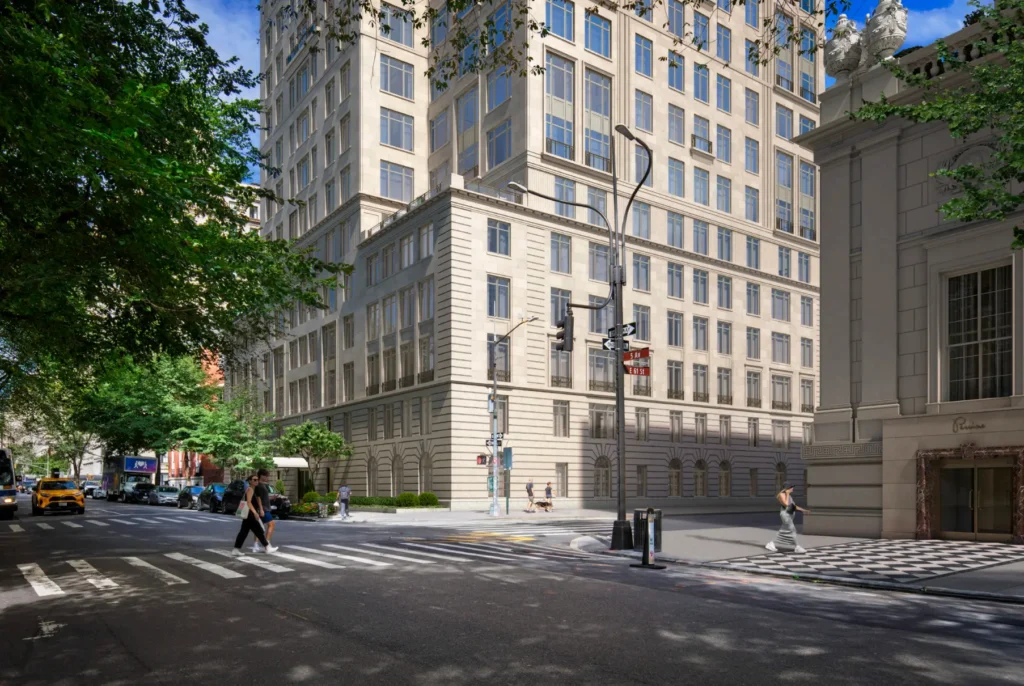
In the rarefied air of Manhattan’s Upper East Side, where discretion and continuity often define the rhythms of elite residential life, a seismic transition is underway—one that has sent shockwaves through both the luxury rental and sales markets. At the center of this upheaval stands 800 Fifth Avenue, a storied address overlooking Central Park, now poised to undergo a dramatic metamorphosis following its acquisition by developer Miki Naftali in a deal exceeding $800 million.
For decades, the building—originally developed in 1978 by Bernard Spitzer—represented the pinnacle of Upper East Side rental living. Its faux-limestone façade and expansive apartments with sweeping park views attracted a roster of affluent, long-term tenants who prized stability as much as prestige. Yet today, as extensively reported last week by The Real Deal, the building has become the epicenter of a forced exodus that is reshaping one of the most competitive real estate markets in the country.
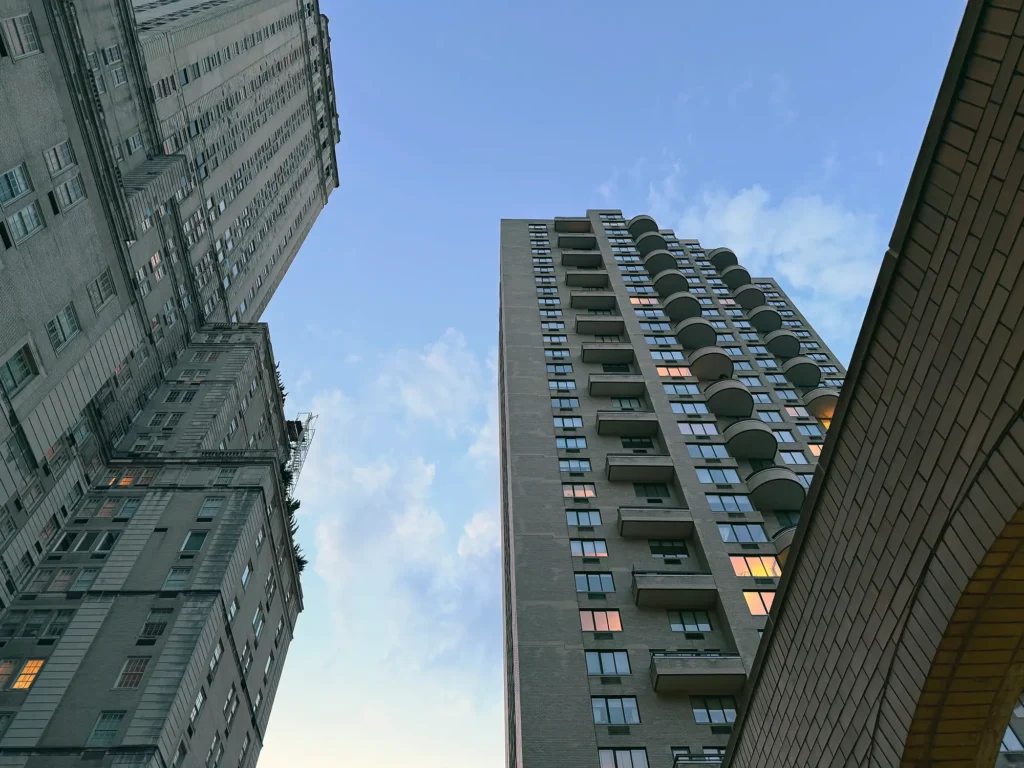
“It’s every broker’s dream,” remarked Brown Harris Stevens’ Lisa Simonsen, speaking to The Real Deal. But the “dream” she describes is layered with urgency and complexity. While attention has largely focused on the future—a Robert A.M. Stern-designed condominium tower expected to rank among the most expensive residential developments in New York City—the immediate reality is far more pressing: 208 rental units filled with wealthy tenants now facing imminent relocation.
“There is a sense of urgency,” Simonsen explained. “As brokers, often we may work with people for a year or two years or even longer. Whereas this is, you know, ‘tick tock.’ Everyone here has a very loud clock.” Her words, cited in The Real Deal report, capture the accelerated pace at which residents must now navigate a housing market that has little tolerance for hesitation.
The countdown began in earnest when Naftali entered into contract to acquire the property, signaling plans to partially demolish the existing structure and replace it with a 26-story ultra-luxury condominium tower. By last August, the building’s leasing office had closed its doors, according to former leasing director Kelly Greer, marking a definitive shift from long-term tenancy to transitional displacement. Since then, residents have been steadily approaching the expiration of their leases, with all occupants expected to vacate by the end of the year.
Legal protections appear limited in this context. As The Real Deal previously reported, “good cause eviction” laws are unlikely to apply, given that the building’s rental rates exceed thresholds that would otherwise restrict landlords from reclaiming units. This regulatory nuance has effectively cleared the path for a full-scale redevelopment, leaving tenants with little recourse beyond compliance.
A spokesperson for the project sought to emphasize continuity and communication during the transition. “As new owners of 800 Fifth Avenue, we have been in consistent communication with outgoing residents throughout this transition,” the representative stated, according to The Real Deal report. “We are making progress toward our investment in the building and look forward to sharing more about our vision for this property.”
Yet for many residents, the transition is anything but seamless. For some, it represents the first relocation in decades—a jarring departure from a lifestyle defined by permanence. “For many in the building… it’s the first time they’ve had to move in decades,” The Real Deal observed, underscoring the emotional and logistical challenges facing a population unaccustomed to the volatility of the broader housing market.
Compounding these challenges is the extraordinary tightness of the Upper East Side market, which has absorbed the influx of displaced tenants with limited capacity. “There’s nothing,” said The Agency’s Michael Birlya, as quoted in The Real Deal report. “The rental market is insane, the sales market is really picking up.”
Birlya’s assessment is borne out by recent transaction data. He cited a flexible 4-bedroom apartment on 84th Street and Third Avenue that had previously languished below asking price, only to secure a contract above asking within its first weekend back on the market. Such rapid turnarounds, once rare, have become increasingly common as demand outpaces supply.
The rental market, however, presents even steeper challenges. In the tightly defined corridor bounded by 60th Street and Park Avenue, only 21 apartments were available for rent at the time of reporting, according to StreetEasy data cited by The Real Deal. Meanwhile, townhouses in the area command monthly rents exceeding $50,000, placing them beyond the reach of even many affluent tenants accustomed to luxury living.
The disparity between past and present rental costs has proven particularly jarring for former residents of 800 Fifth Avenue. One client represented by Serhant’s Lisa Taubes experienced this firsthand. “I told her that her rent would be $12,000 to $15,000, and she was like, ‘Oh my God, I thought $8,000 was a lot,’” Taubes recounted to The Real Deal. “I am not paying that.”
Even those willing to adjust their expectations have encountered significant obstacles. Taubes described how her client ultimately abandoned the rental market altogether after losing out on a desired unit at 1015 Park Avenue, instead purchasing a two-bedroom, two-bathroom apartment at 870 Fifth Avenue for $1.7 million. “She initially didn’t want a low floor, but she is on the low floor,” Taubes noted, illustrating the compromises that even well-capitalized buyers are now forced to make.

For others, the search continues. Douglas Elliman’s Alexander Boriskin described a client still navigating the constrained market. “She’s been in the building for so long, she said, ‘I love the area, so maybe I should buy at this point,’” he told The Real Deal. The sentiment reflects a broader shift among displaced tenants, many of whom are reevaluating the relative merits of renting versus owning in an environment of escalating costs.
The transformation of 800 Fifth Avenue also highlights broader structural changes within Manhattan’s luxury housing sector. Once considered “the crème de la crème” of Upper East Side rentals, the building’s apartments have, over time, been eclipsed by newer ultra-luxury offerings. Developments such as Fasano Fifth Avenue—a private members club featuring twelve turnkey rental units—now command monthly rents as high as $175,000. One former 800 Fifth resident secured a unit at Fasano for precisely that amount, a dramatic increase from the sub-$30,000 rent previously paid for a comparable apartment.
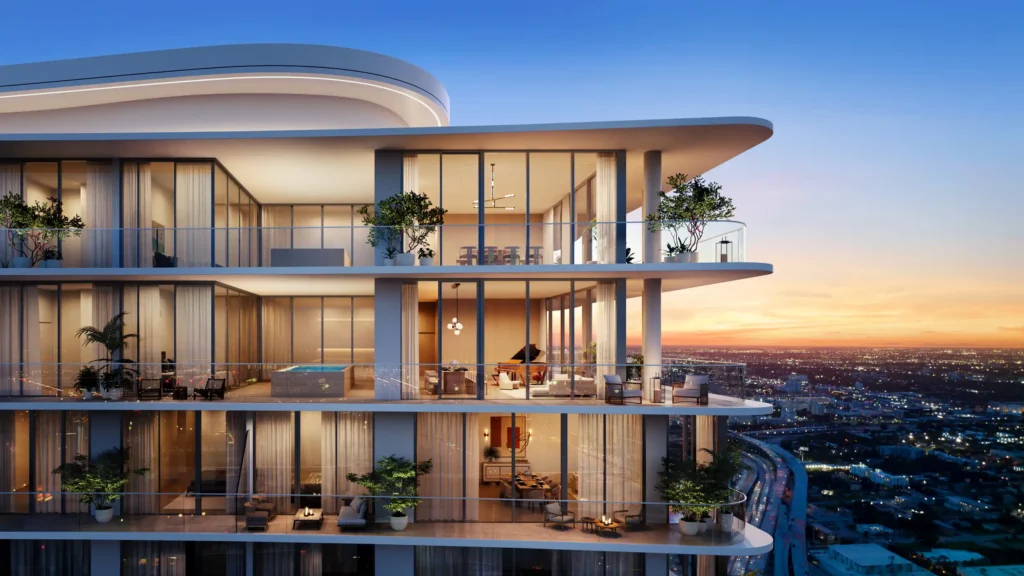
Similarly, condominium owners have increasingly entered the rental market, offering units at prices that far exceed traditional benchmarks. In December, an apartment at The Benson, located at 1045 Madison Avenue, rented for $95,000 per month. “I personally have never seen prices where they’re at,” said Douglas Elliman’s John Giannone, as quoted in The Real Deal report.
These developments have effectively redefined the upper limits of the market, creating a stratified landscape in which legacy rental buildings such as 800 Fifth Avenue no longer occupy the apex. Instead, they serve as transitional assets—valuable primarily for their redevelopment potential rather than their existing income streams.
For brokers, the exodus has created both opportunity and frustration. Recognizing the concentration of high-net-worth clients in a single building, many have sought to position themselves as intermediaries in the relocation process. Taubes, for example, undertook a targeted marketing campaign directed at 800 Fifth residents. “Unfortunately, when I sent out my marketing material, nobody answered me,” she admitted to The Real Deal, suggesting that even in a market driven by urgency, securing client engagement remains a challenge.
Ultimately, the transformation of 800 Fifth Avenue encapsulates a broader narrative of change within New York City’s real estate ecosystem. It is a story of capital flows reshaping the built environment, of long-standing communities giving way to new visions of luxury, and of a market that continues to evolve at a pace that challenges even its most seasoned participants.
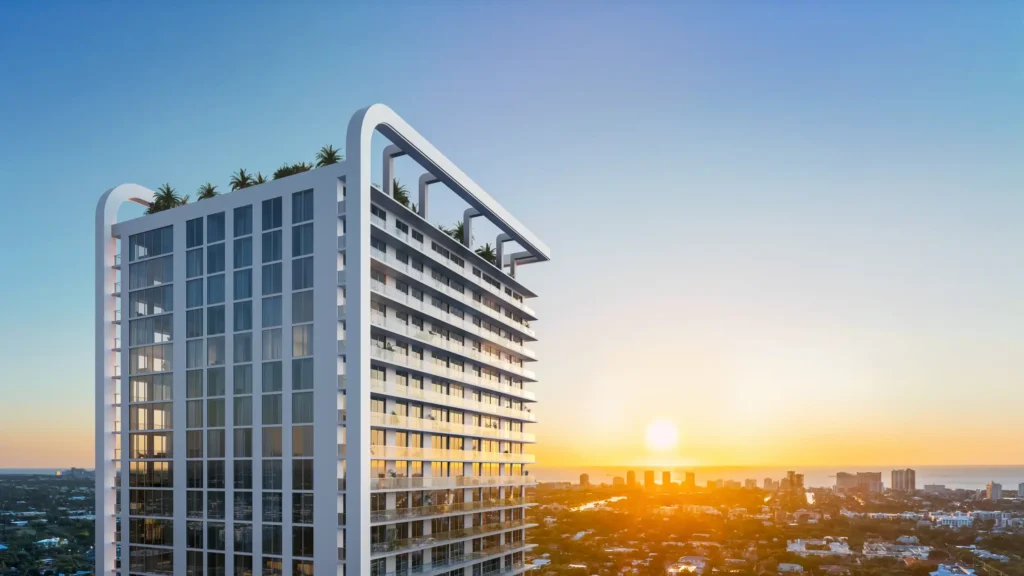
As demolition and redevelopment plans move forward, the building’s current incarnation will soon fade into memory, replaced by a new architectural statement designed to cater to the city’s wealthiest buyers. Yet the legacy of its tenants—their decades-long tenure, their sudden displacement, and their collective impact on the market—will endure as a testament to a moment of profound transition.
In the words of Lisa Simonsen, as echoed throughout The Real Deal’s coverage, the situation is defined by a singular, inescapable reality: “Everyone here has a very loud clock.”