



























|
Getting your Trinity Audio player ready...
|
By: Andrew Csrlson
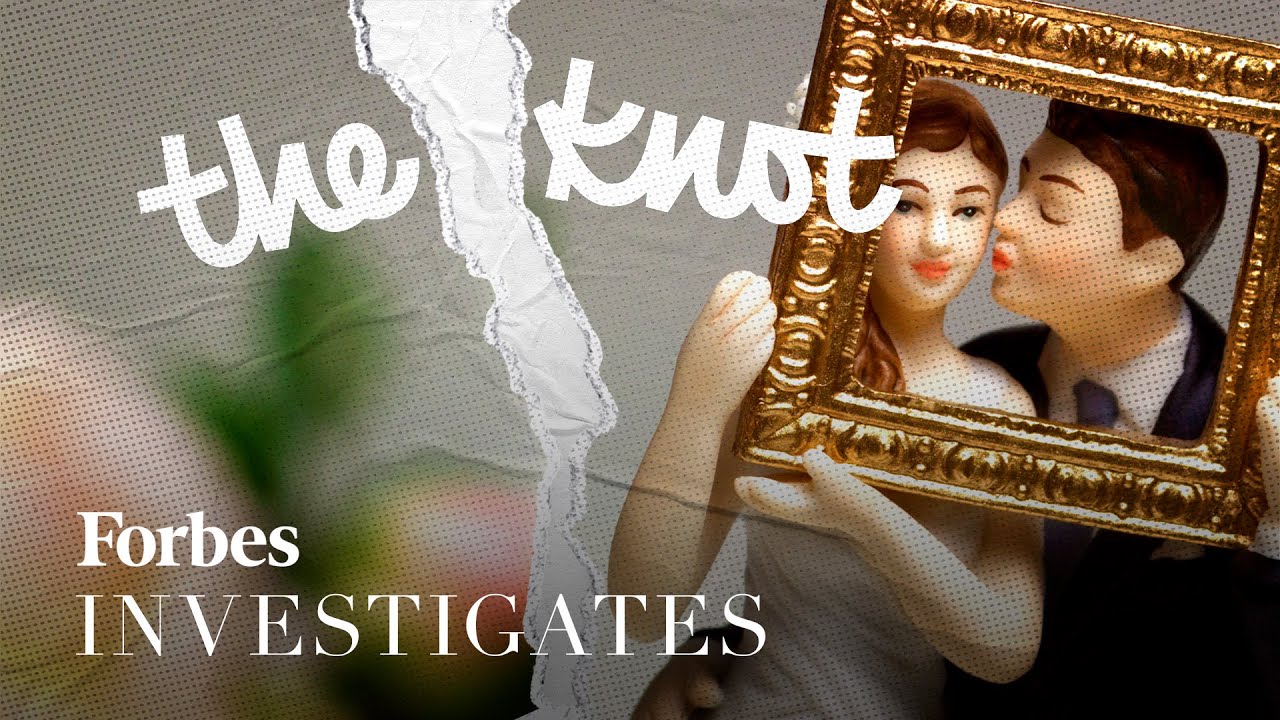
A storm is gathering over one of the most dominant players in the wedding planning industry, as federal regulators signal growing concern over allegations that the company may have engaged in deceptive practices affecting small business owners nationwide. At the center of the controversy is The Knot Worldwide, a digital marketplace whose influence over the modern wedding economy has become both a cornerstone of its success and, according to critics, a source of troubling imbalance.
In a development reported on Wednesday by The New York Post, Federal Trade Commission Chairman Andrew Ferguson has issued a pointed warning that the company’s alleged conduct could fall afoul of federal law. The letter, sent to Senator Chuck Grassley, underscores the seriousness with which regulators are now treating claims that have been quietly accumulating for months.
The controversy did not emerge overnight. According to The New York Post report, Senator Grassley’s office has received nearly 200 complaints from small business owners—many of them independent vendors such as photographers, DJs, florists, and dressmakers—who rely on digital platforms to reach prospective clients.
These complaints paint a picture of systemic issues rather than isolated grievances. Vendors allege that The Knot Worldwide provided them with low-quality or entirely fabricated leads, locked them into advertising agreements that were difficult to terminate, and failed to deliver on promised services.
Grassley, who chairs the Senate Judiciary Committee, has characterized the situation as a nationwide problem. “This is not a series of isolated incidents,” he stated, as cited by The New York Post. “America’s hardworking small business owners deserve fairness and honesty.”
The volume and consistency of these complaints appear to have prompted federal scrutiny, transforming what might have been dismissed as routine customer dissatisfaction into a matter of potential regulatory significance.
In his letter to Grassley, Ferguson acknowledged that the allegations, if substantiated, could constitute violations of Section 5 of the Federal Trade Commission Act, which prohibits unfair or deceptive business practices. “As you know, the conduct you describe can potentially violate laws the FTC enforces,” Ferguson wrote, according to The New York Post report.
While the FTC has not publicly confirmed the existence of a formal investigation, Ferguson’s language suggests that the agency is taking the matter seriously. He emphasized that protecting small businesses remains a priority, a statement that aligns with the commission’s broader mandate to ensure fair competition and transparency in the marketplace.
The New York Post report noted that the FTC’s involvement represents a significant escalation, potentially exposing The Knot Worldwide to legal and financial consequences if violations are proven.
At the heart of the controversy lies the company’s dominant position within the wedding planning ecosystem. The Knot Worldwide operates a suite of platforms—including The Knot, WeddingWire, WeddingPro, and Hitched—that collectively command a substantial share of the market.
For many small vendors, participation on these platforms is not merely advantageous but essential. As The New York Post has reported, the concentration of consumer traffic within these digital ecosystems leaves businesses with limited alternatives, effectively compelling them to engage with the company despite concerns about its practices.
This dynamic has led some critics to argue that the company’s market power creates conditions in which vendors may feel pressured to accept unfavorable terms or tolerate subpar service.
Among the most serious allegations are claims that vendors were provided with leads that were either fraudulent or of little practical value. In the context of online advertising, leads—potential customer inquiries—are a primary metric of success. If those leads are unreliable, the entire value proposition of the service is called into question.
The New York Post has detailed accounts from vendors who describe receiving inquiries that appeared automated, irrelevant, or otherwise lacking in authenticity. Such experiences have fueled suspicions that the platform may be inflating engagement metrics to justify its fees.
Another troubling allegation involves the difficulty of canceling advertising contracts. Vendors have reported being locked into agreements that were challenging to terminate, even when the promised benefits failed to materialize.
These claims, if proven, could constitute violations of consumer protection laws, particularly if the company failed to clearly disclose terms or misrepresented the nature of its services.
One of the most striking elements of the case involves a whistleblower complaint cited by Senator Grassley. According to The New York Post report, a small business owner alleged that a customer service representative advised her to create fake accounts and post fabricated reviews to enhance her business’s visibility.
The representative reportedly turned off a call recorder before making the suggestion, a detail that, if accurate, could raise serious questions about internal practices and oversight.
While such claims remain unproven, their inclusion in Grassley’s correspondence underscores the gravity of the concerns being raised. The idea that vendors might be encouraged to engage in deceptive practices not only undermines trust but also potentially implicates the platform itself in facilitating such behavior.
The Knot Worldwide has firmly denied any wrongdoing. In statements cited by The New York Post, company representatives have insisted that they do not engage in fraudulent or deceptive practices and are committed to supporting small businesses. “We are laser-focused on innovating to help wedding professionals grow their businesses,” a spokesperson said, emphasizing efforts to improve product quality, customer support, and safety standards.
The company’s response reflects a broader strategy of reassurance, seeking to maintain confidence among both vendors and consumers. However, the absence of detailed engagement with specific allegations has left some critics unconvinced.
Ferguson’s letter also referenced recent FTC actions against companies accused of similar misconduct. Notably, the commission secured a multibillion-dollar judgment against Amazon over issues related to subscription practices, requiring clearer disclosure of cancellation procedures.
The inclusion of this example, as reported by The New York Post, serves as a reminder of the FTC’s willingness to pursue significant penalties in cases involving widespread consumer harm.
If an investigation into The Knot Worldwide were to substantiate the allegations, the potential consequences could include financial penalties, mandated changes to business practices, and increased regulatory oversight.
Beyond the immediate case, the controversy raises broader questions about the role of digital platforms in shaping modern commerce. As industries increasingly migrate online, the power dynamics between platforms and participants have become a focal point of regulatory attention.
The New York Post report highlighted that small businesses, in particular, may be vulnerable to practices that exploit informational asymmetries or leverage market dominance. Ensuring that these businesses are treated fairly is not only a matter of individual justice but also of maintaining a healthy and competitive economy.
The wedding industry, often perceived as a realm of celebration and personal milestones, has in this instance become a microcosm of larger economic and regulatory challenges. The reliance on digital platforms for customer acquisition has transformed how vendors operate, introducing both opportunities and risks.
For many small business owners, the allegations against The Knot Worldwide resonate deeply, reflecting experiences that have long been discussed within industry circles but have only recently gained broader attention.
As the situation continues to unfold, the absence of definitive findings leaves many questions unanswered. Will the FTC launch a formal investigation? If so, what evidence will emerge, and how will it shape the future of the platform?
The New York Post’s reporting has brought these issues into the public eye, ensuring that they remain a subject of scrutiny and debate. For now, vendors, regulators, and the company itself find themselves at a crossroads, navigating a complex landscape of legal, ethical, and economic considerations.
In the final analysis, the case serves as a reminder that even in industries defined by celebration, the underlying structures of commerce demand vigilance, transparency, and accountability. Whether The Knot Worldwide can reaffirm trust—or whether it will face significant regulatory consequences—remains a question that will likely define the next chapter of this unfolding story.



