


















By: Fern Sidman
The numbers are staggering. The symbolism is devastating. The leadership vacuum is unmistakable.
According to recently released New York Police Department statistics, antisemitic hate crimes in New York City surged by 71% during May 2026 compared with the same month a year earlier. Jews, who comprise approximately 10% of the city’s population, were the targets of roughly 60% of all confirmed hate crimes during that period.
These figures should have triggered an immediate, forceful, and unequivocal response from City Hall.
Instead, New York City’s Jewish community continues to witness a mayor whose actions, priorities, and political messaging have repeatedly alienated, marginalized, and alarmed many of the very people he was elected to serve.
Mayor Zohran Mamdani’s defenders routinely insist that criticism of Israel is not antisemitism. That is patently false. The issue confronting New York today is not whether political disagreement with Israel should be permitted.
The issue is whether New York’s mayor has demonstrated the moral clarity necessary to confront the unprecedented surge of antisemitism unfolding under his watch. The evidence increasingly suggests that he has not.
Perhaps no recent event better illustrates the growing chasm between City Hall and New York’s Jewish community than Mamdani’s extraordinary decision to boycott the Israel Day Parade on Fifth Avenue—a civic tradition that every sitting New York City mayor had attended since its inception in 1964. His absence marked a dramatic break with more than six decades of mayoral precedent and generated widespread controversy across the political spectrum.
At a moment when Jewish New Yorkers were confronting record levels of antisemitic hostility, many viewed the parade not merely as a celebration of Israel but as an affirmation of Jewish identity, solidarity, and belonging within the city itself.
Yet Mamdani chose not to attend.
His explanation was that he objected to policies of the Israeli government. Critics, however, argued that the decision sent a far different message to New York’s Jewish population.
The reaction was swift. Jewish leaders publicly expressed disappointment and concern. Critics noted that governors, senators, former mayors, and elected officials from across the political spectrum participated in the event while New York City’s own mayor remained absent.
For many Jews, the issue was not foreign policy. It was solidarity. It was presence. It was leadership. And in their eyes, their mayor failed that test. The controversy surrounding the parade did not emerge in isolation. Rather, it represented the culmination of years of political positioning that has caused growing unease among Jewish New Yorkers.
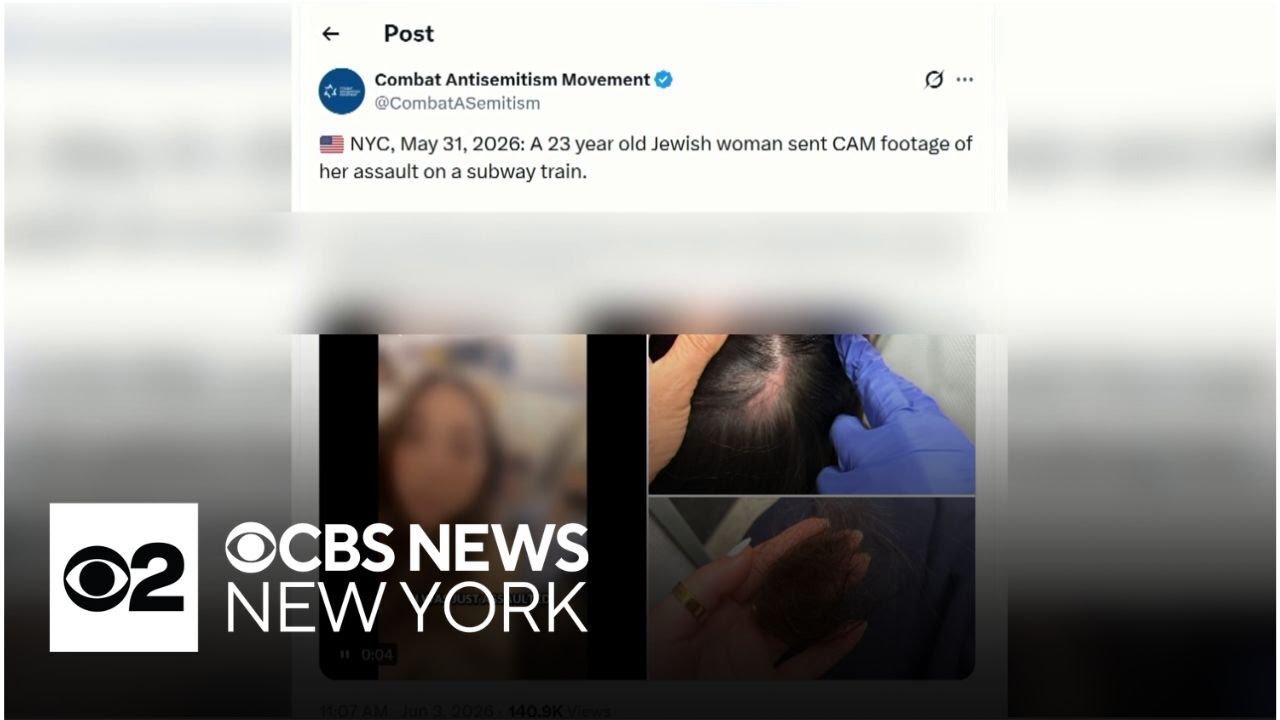
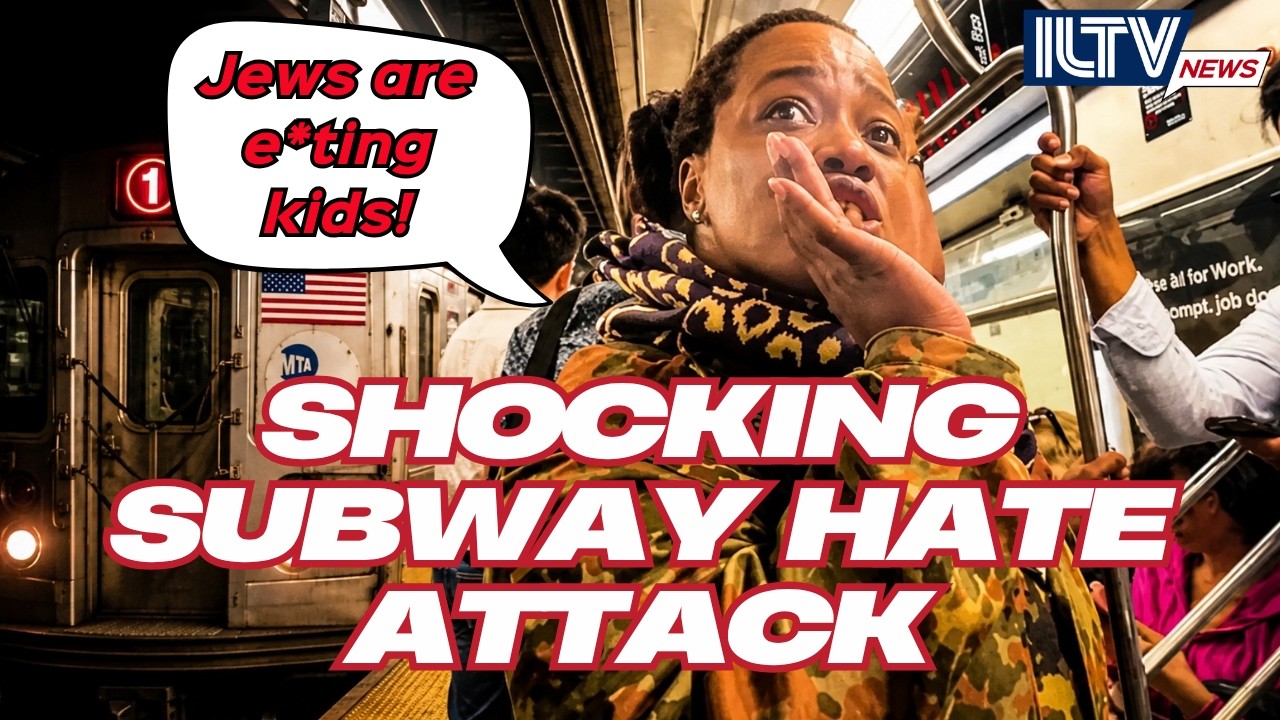
The perception of indifference deepened even further only days later following a horrifying antisemitic assault aboard a Manhattan subway train. A 23-year-old Orthodox Jewish woman was brutally attacked by Bronx resident Diana Smith, who, according to police and multiple news reports, shouted grotesque antisemitic slurs before allegedly choking the victim, throwing her to the ground, and ripping out a clump of her hair.
The victim later described the ordeal as a traumatic hate crime directed at her because she was visibly Jewish. Authorities charged Smith with hate-crime assault, hate-crime criminal obstruction of breathing, and aggravated harassment. Yet as the incident generated outrage across New York’s Jewish community, Mayor Mamdani faced mounting criticism for remaining publicly silent in the immediate aftermath of the attack.
Jewish organizations, community advocates, elected officials, and commentators questioned why the city’s chief executive had not forcefully condemned an assault that was emblematic of the alarming rise in antisemitic violence throughout the city. Critics argued that leadership during moments of crisis requires more than budget announcements and policy statements; it requires a visible moral response.
Silence, particularly from those entrusted with public leadership, is rarely interpreted as neutrality. When a young Jewish woman is attacked in broad daylight on a New York City subway while being subjected to medieval antisemitic blood-libel rhetoric, citizens expect their mayor to respond swiftly and unequivocally. The absence of such a response only reinforced the growing perception among Jewish New Yorkers that antisemitism is not receiving the urgency, visibility, and sustained attention that the crisis demands. At a moment when antisemitic incidents constitute a disproportionate share of all hate crimes in the city, that perception has become politically and morally consequential.
Long before he became mayor, Mamdani built much of his political identity around opposition to Israel. He openly described Palestinian issues as central to his political activism and repeatedly embraced rhetoric that many Jewish organizations viewed as deeply troubling.
Most notably, his refusal during earlier political campaigns to unequivocally condemn the phrase “Globalize the Intifada” became a flashpoint in the debate over his relationship with the Jewish community.
To many activists on the far left, the phrase may be viewed as a call for political resistance. To many Jews, however, it evokes memories of suicide bombings, murdered civilians, and years of terrorist violence directed at innocent men, women, and children. That distinction matters. Words matter. Symbols matter.
And when public officials repeatedly dismiss concerns raised by the overwhelming majority of a targeted minority community, trust inevitably deteriorates. The consequences of that deterioration are now visible throughout New York.
Jewish schools have intensified security measures. Synagogues operate under constant vigilance. Jewish students report growing hostility. Jewish neighborhoods increasingly find themselves the destinations of aggressive demonstrations. Jewish New Yorkers who once felt entirely secure now openly discuss fears that would have seemed inconceivable only a decade ago.
This is not a theoretical debate. It is a lived reality. Yet Mamdani’s response has consistently struck many observers as reactive rather than proactive. One of his first major acts as mayor was to reverse certain Israel-related executive orders implemented by his predecessor, including policies tied to the widely adopted International Holocaust Remembrance Alliance definition of antisemitism. That decision immediately generated concern among Jewish organizations and prompted accusations that City Hall was moving in the wrong direction at precisely the wrong moment.
The mayor insisted that he remained committed to combating antisemitism. But leadership is judged not merely by declarations. It is judged by confidence.
And confidence among Jewish New Yorkers appears increasingly fragile. The timing could hardly be worse. Since the October 7 attacks and the subsequent regional conflict, antisemitic incidents have surged not only globally but within New York City itself.
What makes the current situation particularly troubling is the perception among many Jews that their concerns are often met with skepticism or political qualification.
When Asian Americans face hate crimes, leaders rush to stand with them. When Black Americans face discrimination, leaders rightly condemn it. When Muslims face prejudice, elected officials mobilize immediately. But many Jewish New Yorkers increasingly feel that antisemitism alone is subjected to endless caveats, political calculations, and ideological filtering.
That perception is corrosive. And Mamdani has done little to dispel it. The Israel Day Parade controversy magnified this problem. Regardless of one’s views about Israeli politics, the parade has historically represented far more than a policy debate. It is a civic institution deeply intertwined with New York’s Jewish identity and with the city’s historic relationship with the Jewish state. Critics argued that the mayor’s refusal to participate was interpreted by many Jews not as a rejection of a foreign government but as a rejection of a community gathering at a time of extraordinary vulnerability.
The symbolism was impossible to ignore. Thousands marched. The governor attended. Former mayors attended. Community leaders attended. The mayor did not.
For many observers, the absence spoke louder than any speech. Supporters of Mamdani argue that he has remained consistent. That may be true.
But consistency alone is not a virtue if it produces division, alienation, and distrust. A mayor’s responsibility extends beyond ideological purity. A mayor must unify. A mayor must reassure. A mayor must represent every community. And perhaps most importantly, a mayor must understand when symbolism carries enormous weight.
This was one of those moments. Instead of healing divisions, Mamdani widened them. Instead of building trust, he weakened it. Instead of demonstrating solidarity with a frightened community, he reinforced the perception that Jewish concerns occupy a lower place on his hierarchy of priorities.
No responsible observer can claim that any single politician causes hate crimes. Criminals bear responsibility for their own actions. But political leaders absolutely influence civic culture. They establish moral boundaries. They define what is acceptable. They determine whether targeted communities feel protected or abandoned. That is where Mamdani’s record deserves intense scrutiny.
Because while antisemitic incidents climb, while Jewish institutions harden security, while Jewish families express growing fear, New York’s mayor continues to generate controversy not for standing too firmly with Jews but for repeatedly distancing himself from them.
The 71% increase in antisemitic hate crimes should have been a wake-up call. Instead, it has become an indictment of failed leadership. New York’s Jewish community deserves more than carefully crafted statements. It deserves more than political nuance. It deserves more than symbolic gestures after the damage has already been done. It deserves a mayor who recognizes that antisemitism is not merely another policy issue. It is a moral emergency.
And until City Hall begins treating it as such, questions surrounding Mayor Mamdani’s judgment, priorities, and leadership will continue to intensify. The statistics are alarming. The public frustration is growing. And the trust that has been lost will not be easily restored.



