















Tehran halts diplomatic negotiations amid rising Israel conflict
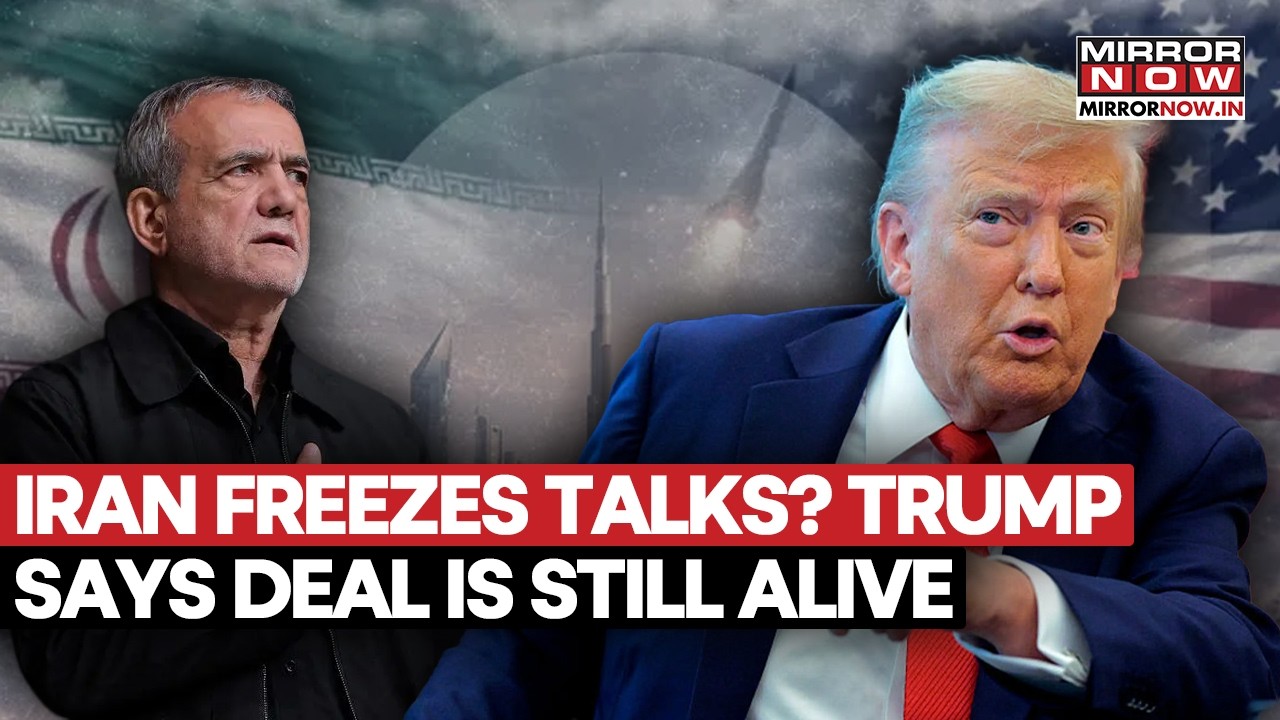
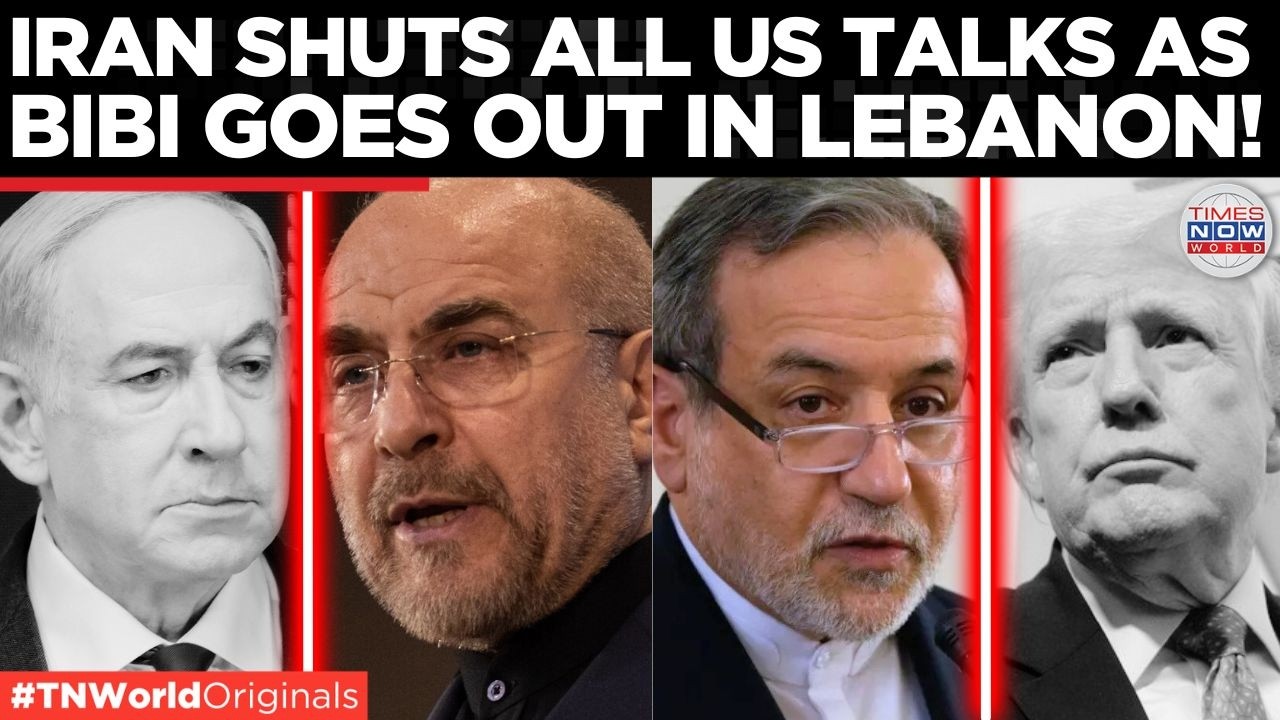
(TJV NEWS) Iran has reportedly froze or suspended key nuclear-related talks with the United States, marking a major setback for already fragile diplomatic efforts, as tensions with Israel surge and fears of regional escalation intensify.
The decision to effectively stall or freeze negotiations comes as Iran links any return to diplomacy with a halt in Israeli military activity, particularly in Gaza and Lebanon, according to regional reporting cited by multiple outlets including the Jerusalem Post and UK-based coverage referenced by the Daily Express.
Iranian officials have signaled that no further progress on nuclear discussions is possible while Israeli operations continue, deepening the diplomatic deadlock at a critical moment for Middle East stability.
Israel conflict becomes central condition for Iran’s negotiation freeze
Iran’s stance increasingly ties the future of nuclear diplomacy to the battlefield, with Tehran insisting that Israeli military actions are the primary barrier to any renewed talks with Washington.
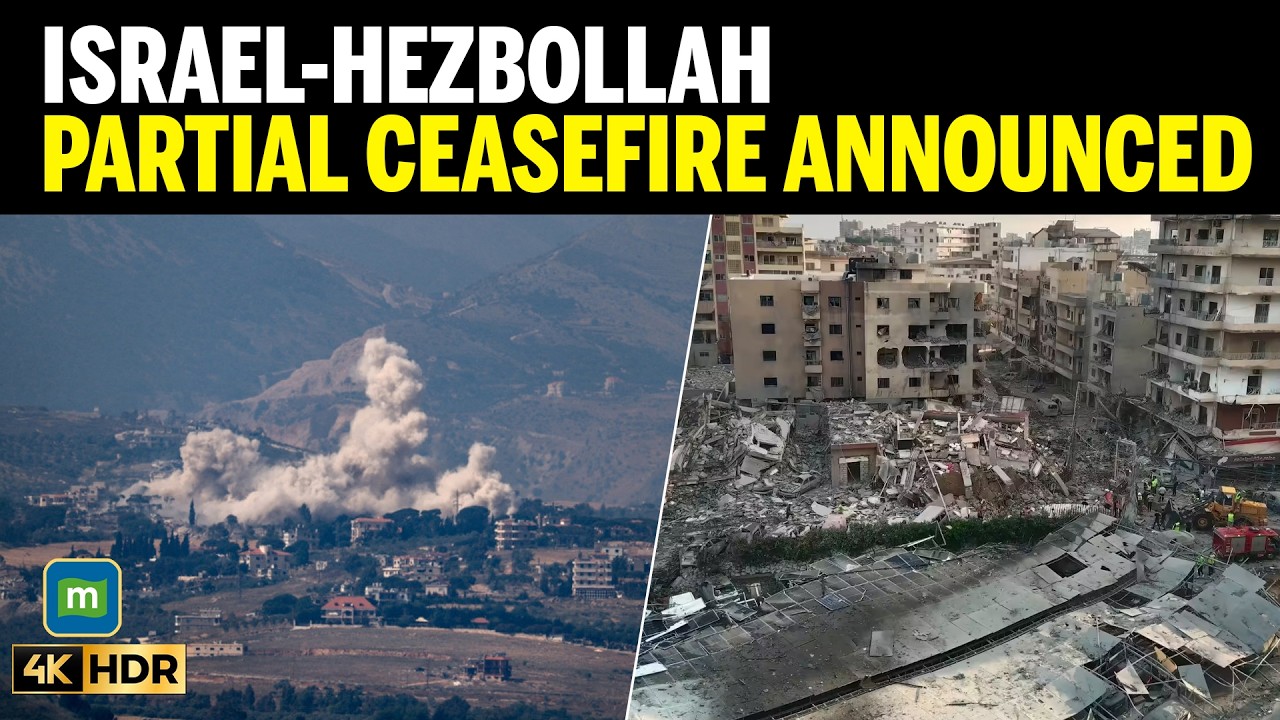
Israeli defense operations against Iran-aligned forces in the region, particularly Hezbollah in Lebanon, have become a core point of contention.
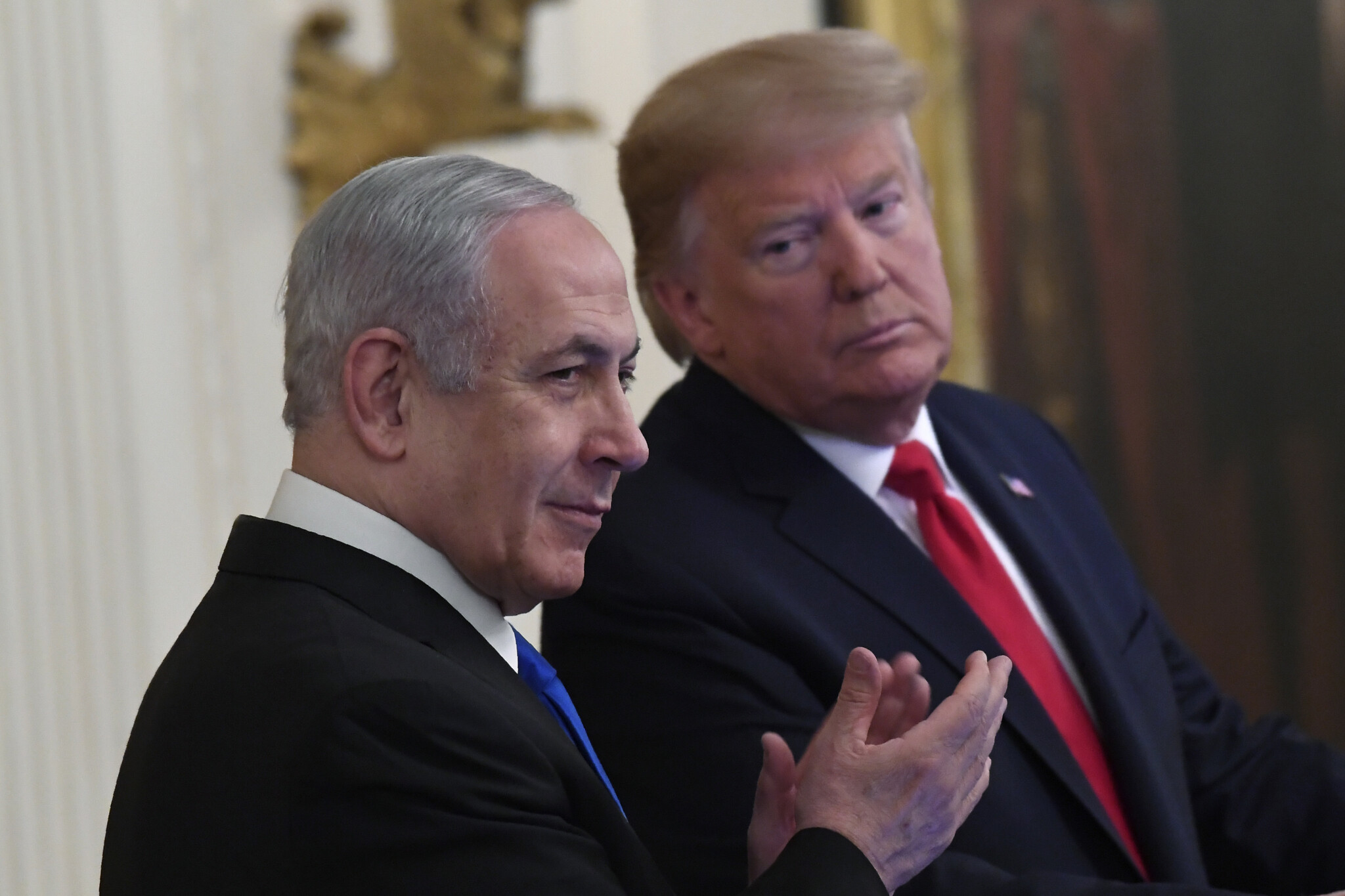
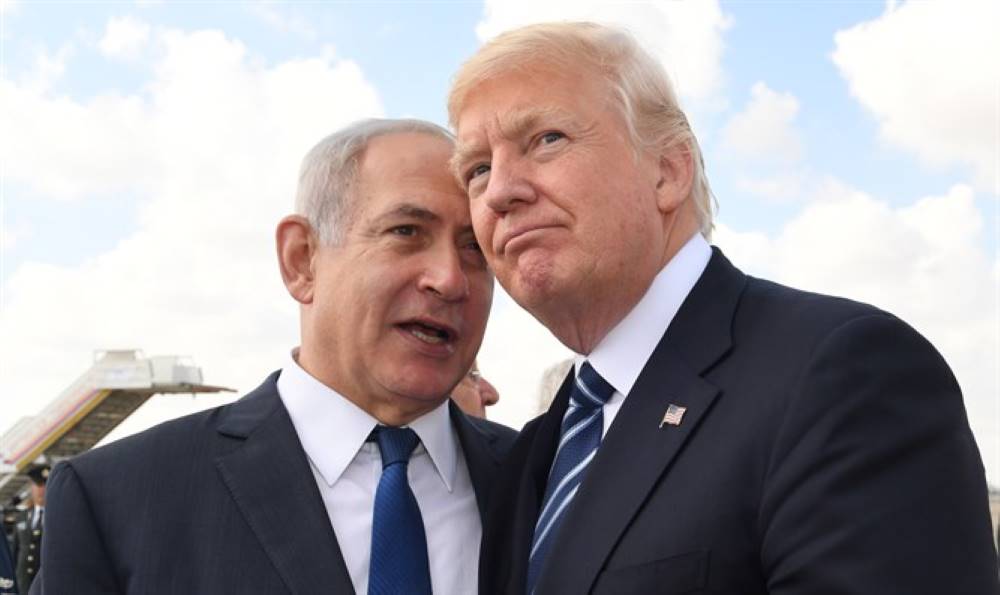
Iran has argued that the United States is unable or unwilling to restrain Israel, and therefore cannot be a reliable negotiating partner at this stage, effectively freezing back-channel diplomacy.
Western diplomats cited in reporting warn that this linkage between Israel’s military campaign and nuclear negotiations has collapsed what little momentum remained in U.S.–Iran discussions.
“Horror threat” rhetoric intensifies against Israel
Alongside the diplomatic breakdown, Iranian-linked messaging has escalated sharply, with warnings described by international media as a “horror threat” toward Israel.
Iranian officials and affiliated military voices have issued warnings of expanded retaliation scenarios targeting Israel and potentially U.S. interests in the region if strikes continue.
The rhetoric includes threats of:
- Broader missile retaliation against Israel
- Expansion of regional proxy operations
- Potential targeting of strategic infrastructure tied to Israel’s security network
Israeli defense officials, as cited in Jerusalem Post reporting, believe Iran is simultaneously hardening its military posture while its diplomatic channels remain frozen, raising the risk of miscalculation.
Jerusalem Post reporting highlights growing Israeli concern
Israeli security assessments referenced by the Jerusalem Post emphasize that Iran’s combination of negotiation freeze and aggressive rhetoric reflects a shift toward confrontation rather than compromise.
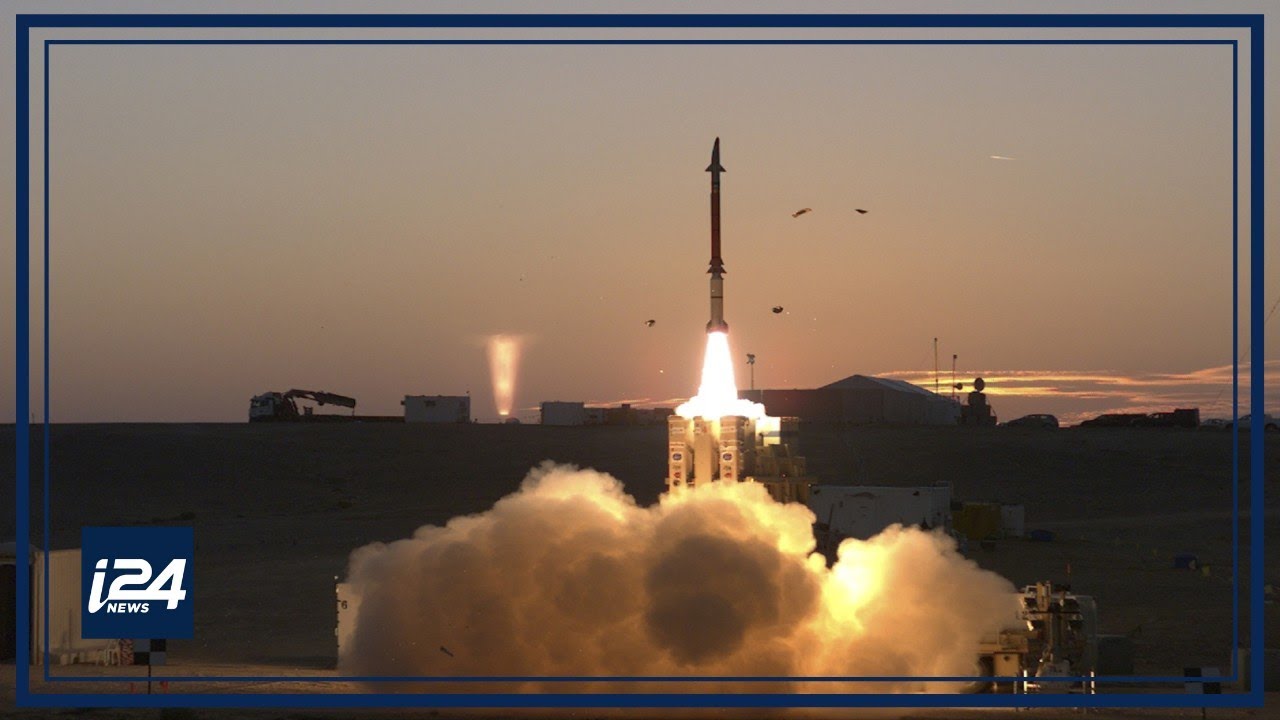
Defense analysts in Israel warn that Iran continues to refine its missile and drone capabilities, and that any breakdown in diplomacy increases the likelihood of a wider regional conflict involving multiple fronts.
Officials also express concern that Iran’s strategy increasingly blends:
- Nuclear leverage through stalled diplomacy
- Proxy warfare via regional allied groups
- Direct missile and drone threats against Israel
Strait of Hormuz and global energy risks add pressure
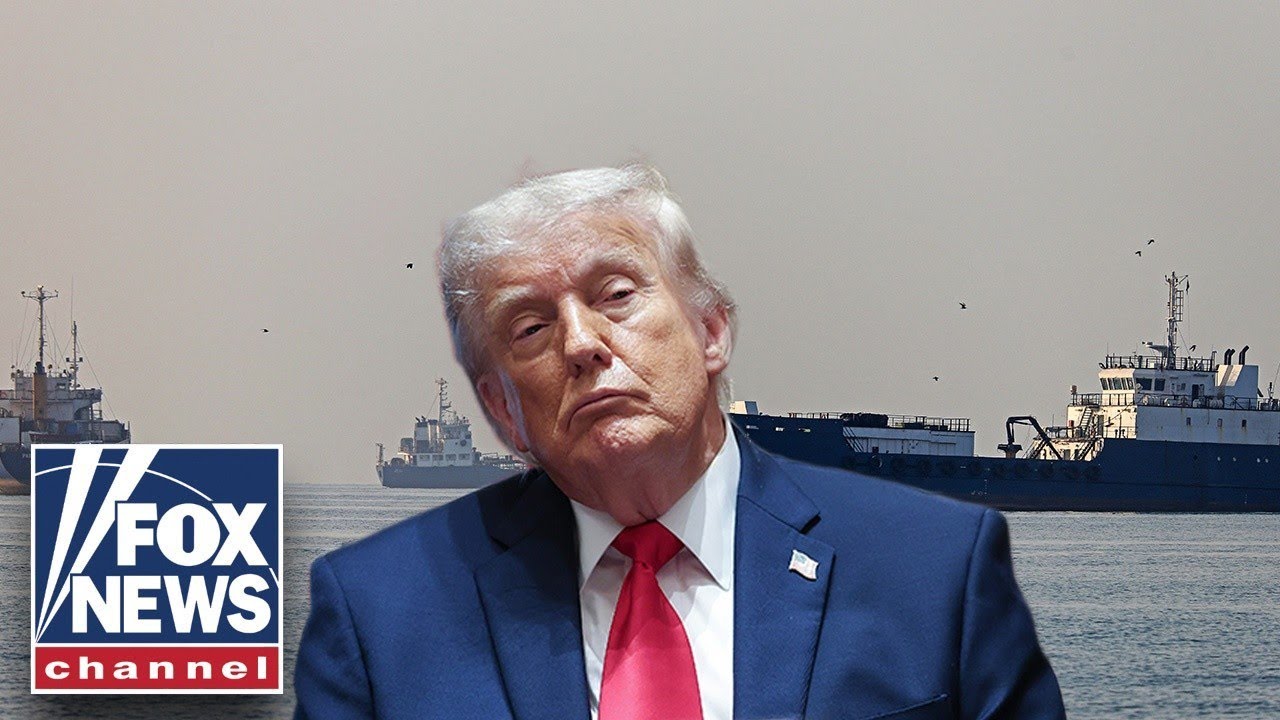
The crisis is further complicated by renewed Iranian signals regarding the Strait of Hormuz, a critical global oil shipping corridor.
Analysts warn that if tensions continue escalating, Iran could again use maritime disruption as leverage, potentially triggering:
- Sharp increases in global oil prices
- Supply chain shocks
- Broader international economic instability
This raises the stakes of the diplomatic freeze well beyond the Israel–Iran confrontation alone.
Diplomatic breakdown leaves region on edge
With nuclear talks stalled, trust between Iran and the United States at a low point, and Israel–Iran tensions escalating, diplomatic observers say the region is entering a dangerously unstable phase.
Efforts to restart negotiations remain uncertain, as both sides continue to condition progress on the other’s actions—particularly regarding Israel’s military operations.
For now, the combination of:
- Frozen nuclear diplomacy
- Escalating Israeli-Iranian hostility
- Increasingly aggressive rhetoric
has created what analysts describe as a high-risk standoff with no clear off-ramp.
Outlook: escalating rhetoric, frozen diplomacy, rising risk
The convergence of collapsed talks and intensifying threats against Israel suggests the Middle East is entering a new phase of uncertainty.
Without renewed diplomatic engagement, security experts warn the situation could shift from rhetorical escalation into direct multi-front confrontation, with Israel and Iran at the center of a widening regional crisis.



