














|
Getting your Trinity Audio player ready...
|
Iran Signals New Revisions to Emerging Nuclear Framework as Trump Pushes for Tougher Terms
Tehran Warns It Is Prepared for Diplomatic Breakdown While Washington Seeks Stronger Guarantees on Nuclear Restrictions and Regional Security
By: Tzirel Rosenblatt
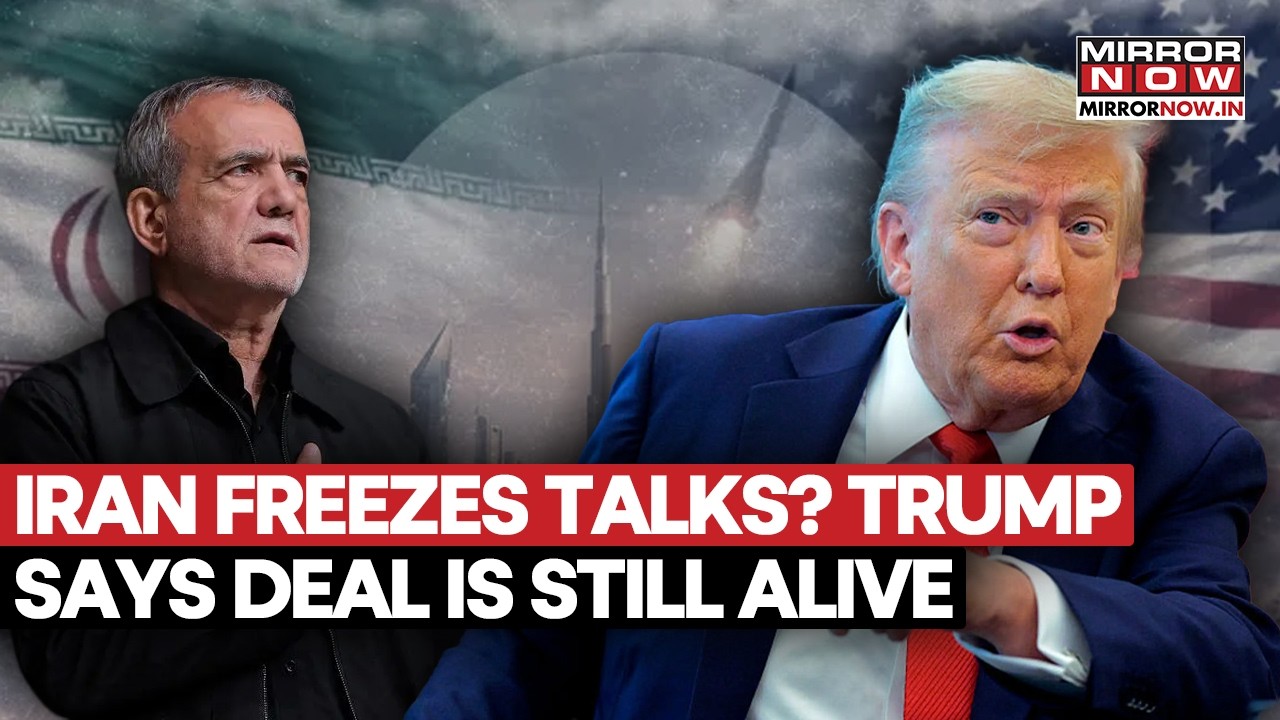
Diplomatic maneuvering between the United States and Iran entered a new and increasingly consequential phase on Sunday as reports emerged that Tehran is preparing a fresh set of revisions to a preliminary agreement under discussion with Washington, even as President Donald Trump presses for more stringent conditions related to Iran’s nuclear activities and regional conduct.
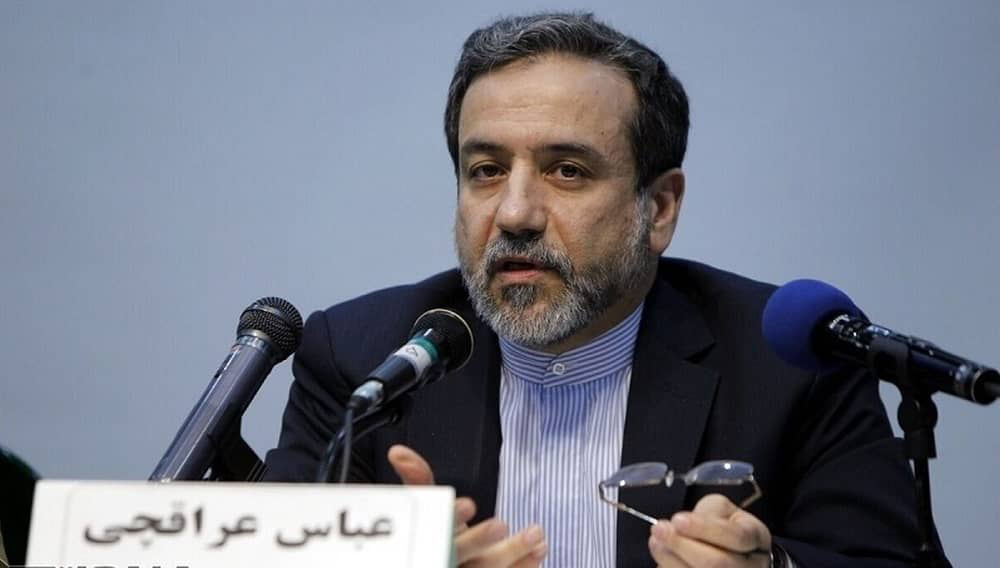
According to a report published by the Tasnim News Agency, a media outlet closely associated with the Islamic Revolutionary Guard Corps and influential conservative factions within the Iranian political establishment, Iranian negotiators are actively drafting amendments to the proposed framework following recent requests from the White House for additional modifications.
The development underscores the fluid and uncertain nature of negotiations that many observers view as among the most strategically significant diplomatic efforts currently underway in the Middle East.
While both sides continue to exchange proposals through indirect channels, neither Washington nor Tehran has indicated that a final agreement is imminent. Instead, statements from officials and reports from both Tasnim News Agency and Axios suggest that substantial differences remain over key issues involving nuclear restrictions, enriched uranium stockpiles, sanctions relief, and broader regional security concerns.
According to Tasnim News Agency, an individual familiar with the ongoing discussions confirmed that Iranian officials are preparing their own revisions to the draft agreement.
The source emphasized that negotiations remain active and that no final understanding has yet been reached.
“Iran will make its own revisions to the text, and nothing is final yet,” the unnamed source told Tasnim News Agency.
The statement reflects Tehran’s determination to remain actively involved in shaping the final structure of any agreement rather than simply responding to American proposals.
Iranian officials have repeatedly stressed that any arrangement must preserve what they describe as the rights and interests of the Iranian people while avoiding concessions they view as incompatible with national sovereignty.
As a result, the negotiating process has evolved into an increasingly detailed exchange of competing drafts, amendments, and counterproposals.
Beyond confirming that negotiations continue, the source cited by Tasnim News Agency also delivered a stark warning regarding the potential consequences of a breakdown in diplomacy.
According to the report, Tehran remains prepared for the possibility that negotiations could fail entirely.
The source emphasized that Iran has contingency plans in place should talks collapse and hostilities resume. “Iran is fully prepared for a situation in which there are no understandings,” the source warned.
That statement reflects a recurring theme in Iranian messaging throughout the negotiation process.
While Iranian officials have expressed a willingness to continue discussions, they have simultaneously sought to project confidence and resilience, emphasizing that Tehran will not negotiate from a position of weakness.
The warning also serves as a reminder of the broader strategic context surrounding the talks.
Although diplomacy remains active, the possibility of renewed confrontation continues to loom in the background, influencing calculations on both sides.
The latest report from Tasnim News Agency
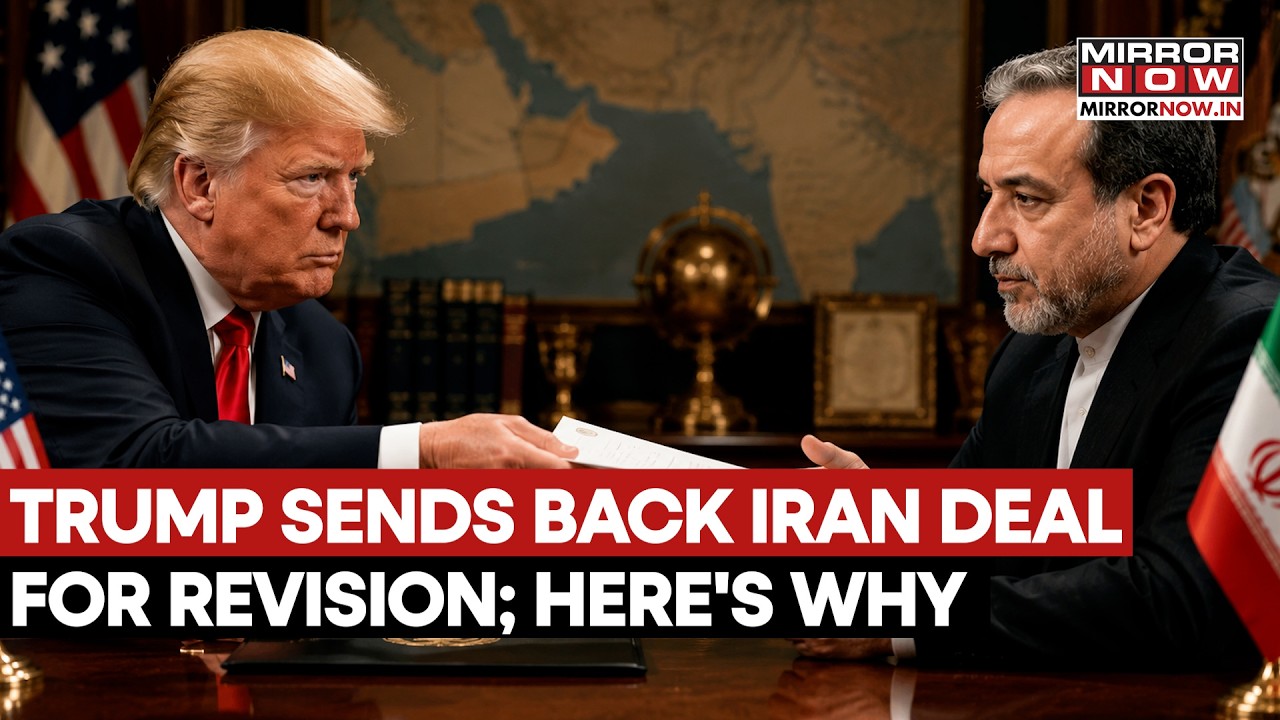
follows revelations published by Axios, which reported that President Trump recently requested a series of targeted modifications to the preliminary agreement assembled by American and Iranian negotiators.
According to Axios, those directives were issued during a high-level meeting held inside the White House Situation Room on Friday.
The meeting reportedly brought together senior national security officials and advisers to evaluate the emerging framework and determine whether additional safeguards were necessary before proceeding further.
Sources cited by Axios indicated that Trump wants stronger and more specific commitments incorporated into the agreement before granting his approval.
The president reportedly believes that several of the most critical issues should be addressed more directly and earlier in the process rather than postponed to subsequent negotiations.
The initial memorandum of understanding established a broad commitment by Iran not to pursue nuclear weapons but left many of the most technically complex issues unresolved, as was noted in the Axios report.
The framework reportedly envisioned a subsequent 60-day diplomatic period during which negotiators would tackle specific questions involving Iran’s nuclear infrastructure and future restrictions.
Among the principal issues scheduled for later discussion were the disposition of Iran’s enriched uranium stockpile and limitations on future enrichment activities.
While supporters of the framework viewed it as a useful starting point, critics reportedly argued that postponing such critical matters could create uncertainty and complicate implementation.
It is precisely those concerns that appear to have motivated Trump’s latest intervention.
According to Axios, the president is seeking to move several of those unresolved issues into the initial agreement itself.
Sources familiar with the discussions indicated that Trump wants clearer commitments regarding enriched uranium, more detailed compliance mechanisms, and stronger enforcement provisions.
Rather than relying primarily on future negotiations, the administration reportedly wants to establish concrete parameters from the outset.
Officials cited by Axios said the goal is to eliminate ambiguity and ensure that any agreement produces measurable and verifiable results.
This approach reflects the administration’s broader emphasis on enforceability and accountability.
White House officials reportedly believe that clearly defined obligations and timelines are essential to preventing misunderstandings and disputes later in the implementation process.
The president himself offered additional insight into his thinking during an interview with his daughter-in-law, Lara Trump, broadcast on Fox News on Saturday evening.
During the interview, Trump expressed confidence that the United States would ultimately achieve its objectives in the negotiations.
According to his remarks, Washington remains committed to securing guarantees that Iran will never obtain a nuclear weapon.
“We’ve defeated their military, essentially defeated their military,” Trump stated.
At the same time, he indicated that diplomacy remains his preferred course of action. “I would rather get a deal because we can open the strait immediately upon signing,” he explained.
The president then identified what he considers the central requirement of any agreement. “The one guarantee that I have to have is that there will be no nuclear weapons,” he stressed.
One of the most notable aspects of Trump’s comments was his insistence that he is under no pressure to rush the negotiations.
Rather than emphasizing speed, the president suggested that patience could ultimately produce a stronger and more durable agreement.
Trump indicated that while certain economic benefits could result from a successful deal, he remains focused primarily on achieving the correct outcome rather than the fastest one.
His comments suggest that the administration is prepared to continue negotiations for as long as necessary to secure what it views as adequate safeguards.
That position may complicate the timetable envisioned by some mediators but could also strengthen Washington’s bargaining position by signaling a willingness to continue discussions rather than accept terms deemed insufficient.
The significance of the negotiations extends far beyond the immediate concerns of Washington and Tehran.
A successful agreement could reshape regional security dynamics, influence global energy markets, and affect diplomatic relationships throughout the Middle East.
Conversely, a collapse in negotiations could increase uncertainty and potentially reignite tensions that have repeatedly threatened broader instability.
The discussions are occurring against a backdrop of persistent concerns regarding Iran’s nuclear capabilities, regional military activities, and strategic influence.
For American policymakers, preventing nuclear proliferation remains a central objective.
For Iranian officials, preserving national sovereignty and securing economic relief continue to be critical priorities.
Reconciling those goals remains the fundamental challenge confronting negotiators.
Despite ongoing dialogue, considerable obstacles remain.
The reports from both Tasnim News Agency and Axios indicate that negotiators continue to debate some of the most sensitive elements of the agreement.
Iran is preparing new revisions. The United States is demanding stronger commitments. Neither side appears prepared to abandon its core positions. At the same time, both governments continue to engage through diplomatic channels, suggesting that neither has yet concluded that negotiations are futile.
The coming days may prove decisive as revised proposals move back and forth between the parties.
Whether those exchanges ultimately produce a final agreement remains uncertain.
What is clear, however, is that the negotiations have entered a particularly critical stage. With Washington seeking stronger guarantees and Tehran insisting on preserving its rights and interests, the diplomatic process now hinges on whether both sides can bridge their remaining differences and transform a preliminary framework into a lasting and enforceable agreement.
For now, the outcome remains unresolved, and the world continues to watch closely as one of the most consequential diplomatic negotiations of the current era unfolds.



