

























|
Getting your Trinity Audio player ready...
|
By: Fern Sidman
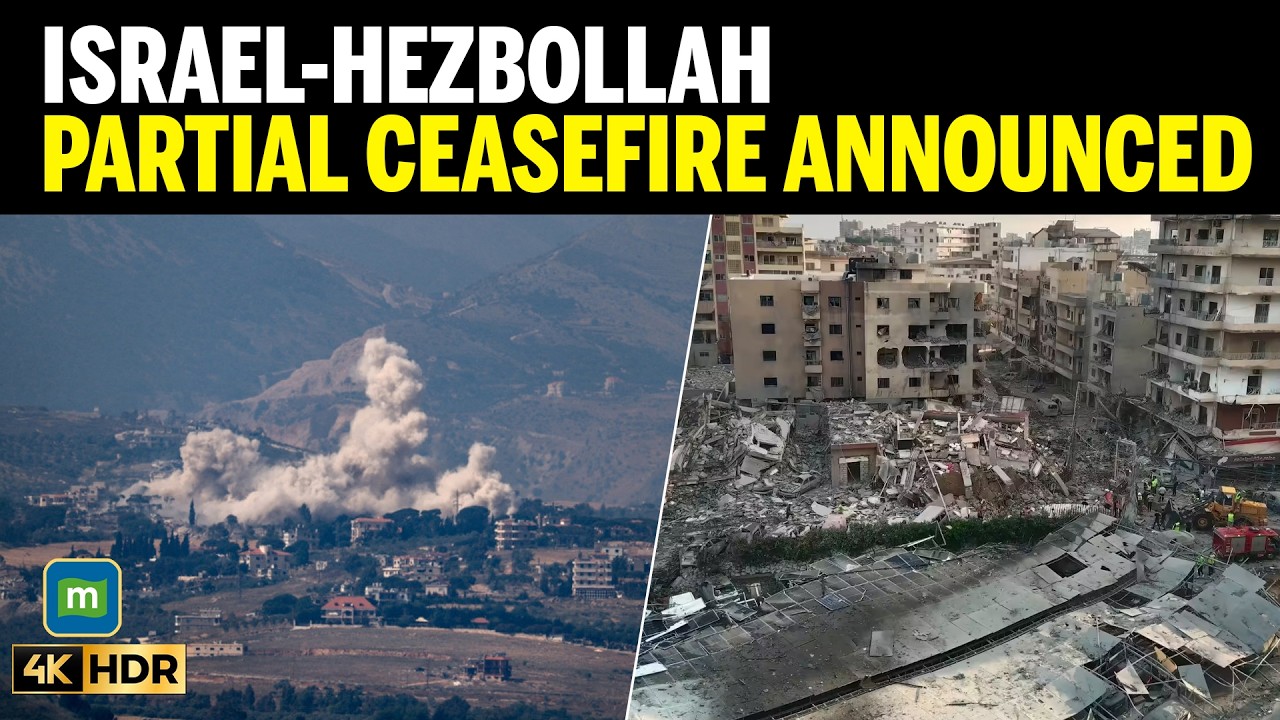
Northern Israel endured a day of sustained rocket and drone attacks from Lebanon on Sunday as the Israel Defense Forces intensified a major ground offensive deep inside southern Lebanon, marking one of the most significant escalations along the northern front in recent months. According to a report on Sunday by the Tazpit Press Service (TPS) communities throughout the Galilee were repeatedly forced into shelters as warning sirens echoed across the region while Israeli troops advanced into strategically vital Hezbollah-controlled territory beyond the Litani River.
The simultaneous military developments underscored the increasingly volatile nature of the conflict between Israel and Hezbollah, with Israeli leaders signaling their intention to establish a deeper security buffer inside Lebanon while Hezbollah responded with a barrage of rockets, drones, and other attacks aimed at civilian and military targets in northern Israel.
Throughout the day, residents of communities stretching across the Western Galilee, Upper Galilee, and Galilee Panhandle experienced recurring air raid alerts. According to the TPS report. emergency warning systems were activated repeatedly as Hezbollah intensified its efforts to challenge Israeli military operations underway north of the border.
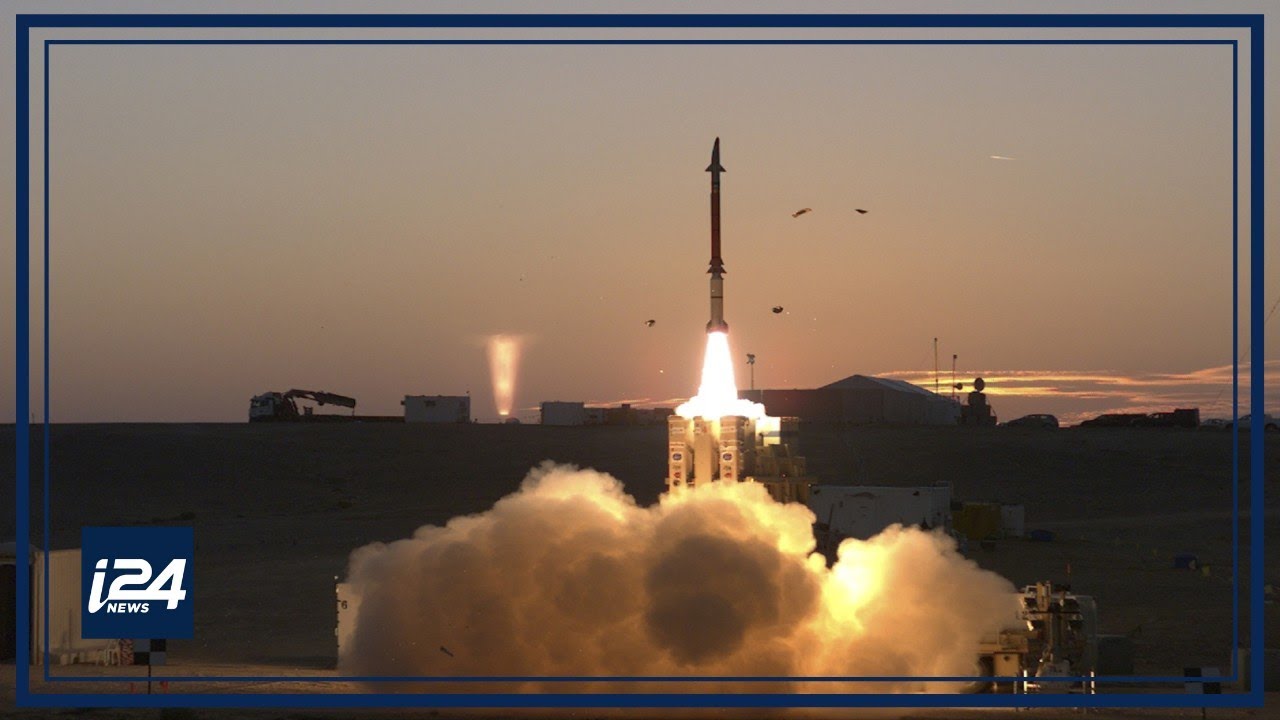
The Israel Defense Forces reported that several projectiles launched from Lebanese territory were successfully intercepted by Israel’s layered air defense systems. Other rockets landed in open areas without causing injuries or significant damage. Despite the absence of reported casualties, the attacks forced thousands of civilians to repeatedly seek shelter, disrupting daily life across large portions of northern Israel.
In addition to rocket attacks, Hezbollah continued employing unmanned aerial vehicles in an apparent effort to test Israeli defenses and target military positions near the border.
According to the information provided in the TPS report, an apparent Hezbollah drone struck an Israeli military installation in the Western Galilee during the afternoon hours. Military officials confirmed the incident but stated that no injuries had occurred.
The Israel Defense Forces indicated that the event remained under investigation while emphasizing that several additional drones launched from Lebanon had been intercepted before reaching their intended targets.
The increasing use of drones has become a growing concern for Israeli defense planners, who view such systems as a critical component of Hezbollah’s evolving arsenal. The organization has invested heavily in unmanned aerial capabilities over recent years, allowing it to conduct surveillance, gather intelligence, and potentially carry out precision attacks against both military and civilian infrastructure.
Municipal authorities throughout northern Israel issued repeated advisories urging residents to remain close to protected spaces and follow Home Front Command directives.
Mobile phone alerts were distributed throughout the day, reminding residents that the security situation remained fluid and potentially dangerous.
The attacks coincided with a dramatic expansion of Israeli military operations inside southern Lebanon.
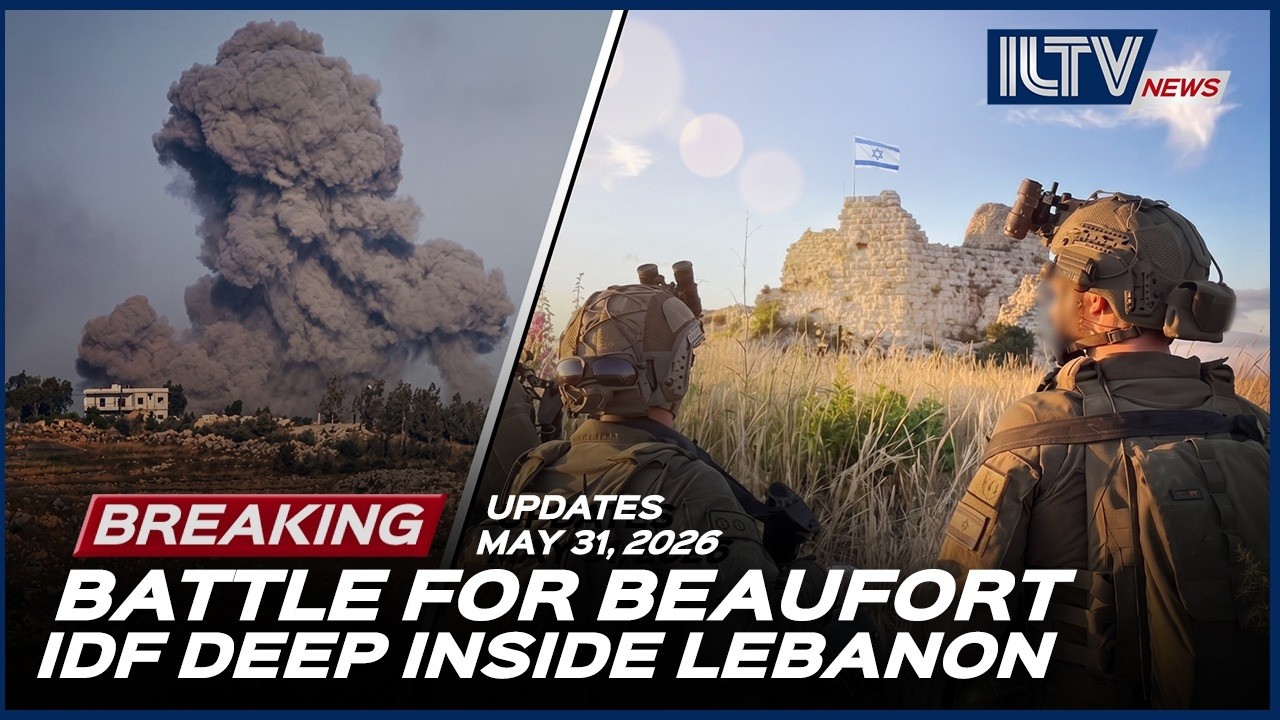
Earlier Sunday, the IDF announced that Israeli forces had successfully crossed the Litani River and secured control over the strategically important Beaufort Ridge and the nearby Wadi al-Saluki region during a multi-day military operation.
According to the TPS report, Israeli commanders described the mission as part of a broader effort aimed at dismantling Hezbollah’s military infrastructure, degrading its operational capabilities, and removing threats to northern Israeli communities.
The Litani River has long occupied a central place in Israeli security doctrine concerning Lebanon. Situated approximately 30 kilometers north of Israel’s border, the river has historically been viewed as a natural geographic barrier that could help limit Hezbollah’s military activities if effectively controlled.
For decades, Israeli security planners have regarded Hezbollah’s presence south of the Litani as a direct threat to Israeli civilians living in border communities. The latest operation represents one of the most significant Israeli advances into southern Lebanon since the current conflict intensified.
Military analysts cited in the TPS report emphasized the strategic significance of the Beaufort Ridge, which overlooks vast areas of southern Lebanon and northern Israel.
The mountaintop position is perhaps best known for its historic Crusader-era fortress, a landmark that has witnessed centuries of conflict due to its commanding geographical location. For Hezbollah, the ridge has served as an important operational hub because of its elevated vantage point and its value for surveillance, intelligence gathering, and military coordination.
The Israel Defense Forces stated that Hezbollah operatives used the area to direct attacks against Israeli forces and civilian communities.
Military officials further indicated that troops were actively targeting launch infrastructure responsible for firing hundreds of rockets and projectiles toward Israeli territory over recent years. Israeli forces reportedly encountered and dismantled numerous military installations, weapons storage facilities, observation posts, and other infrastructure during the operation.
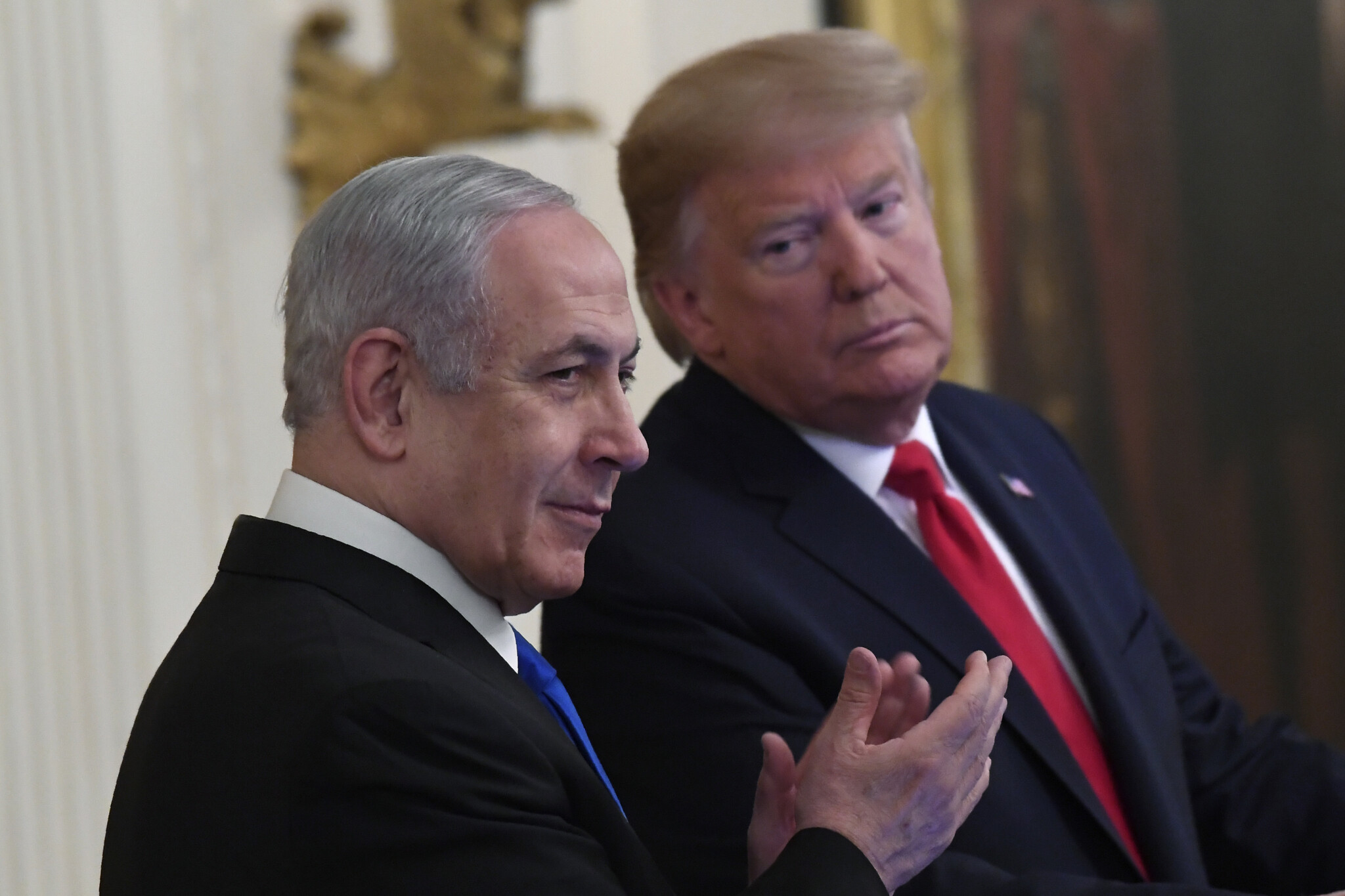
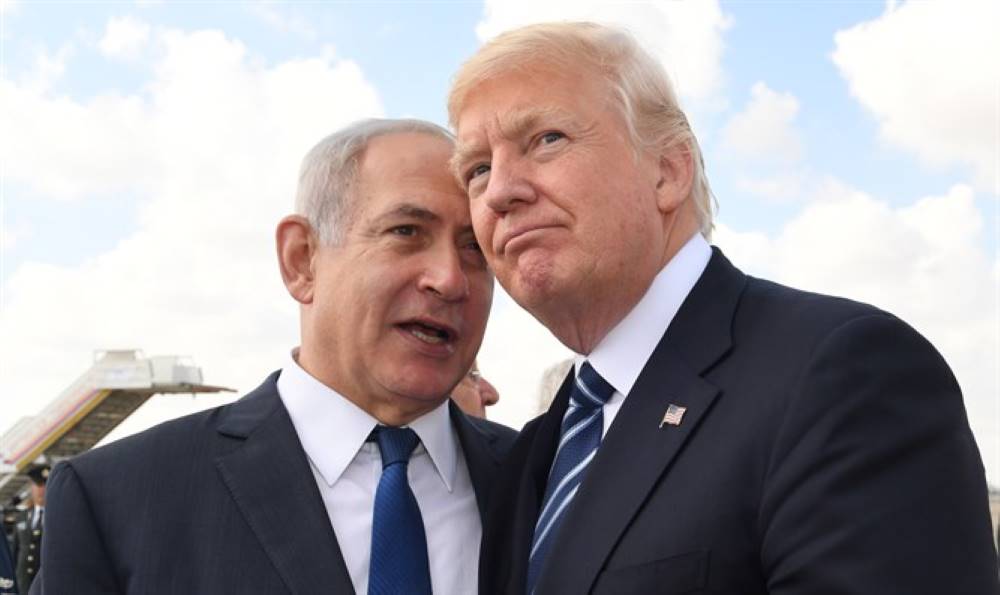
Prime Minister Benjamin Netanyahu praised the operation in unusually emphatic terms, portraying it as a turning point in Israel’s strategy against Hezbollah.
Calling the offensive “a dramatic stage and a dramatic change in the policy we are leading,” Netanyahu revealed that he had personally instructed military commanders to expand operations into areas previously dominated by Hezbollah. “Tonight, our heroic soldiers captured the Beaufort post,” Netanyahu declared, according to remarks cited by TPS. “They proudly raised the flag of the State of Israel and the flag of the Golani Brigade,” he said.
The Prime Minister continued by highlighting the broader operational achievements. “Our forces crossed the Litani, seized commanding areas and captured the Beaufort ridge,” Netanyahu stated. “Now my directive is to deepen and expand our hold in places that were under Hezbollah’s control.”
The remarks signaled a potentially long-term shift in Israeli military posture within southern Lebanon.
Netanyahu framed the operation as part of a broader effort to restore security for residents displaced or threatened by Hezbollah attacks. “It will take more time, but we will return security to the residents of the north exactly as we did for the residents of the south,” he said. “It will take time, but we will complete the mission.”
The comments reflected the Israeli government’s growing emphasis on establishing conditions that would allow northern residents to live without the constant threat of rocket attacks, anti-tank missile strikes, and drone incursions.
Since the outbreak of hostilities, many communities near the Lebanese border have experienced repeated disruptions, evacuations, and security restrictions. Government officials have increasingly argued that only sustained military pressure can eliminate Hezbollah’s ability to threaten Israeli civilians.
The capture of Beaufort Ridge carries powerful historical symbolism for Israel. According to the TPS report, the IDF first seized the strategic position during the 1982 First Lebanon War. Israeli forces maintained a military outpost there for nearly two decades until Israel’s withdrawal from southern Lebanon in 2000.
The site subsequently became one of Hezbollah’s most celebrated symbols, frequently featured in the organization’s propaganda and narratives of resistance. Its recapture therefore represents not only a tactical achievement but also a symbolic blow to Hezbollah’s prestige.
Military historians noted that the area has repeatedly changed hands throughout modern Middle Eastern history due to its exceptional strategic importance.
The offensive is not limited to Beaufort and Wadi al-Saluki.
TPS reported that Israeli troops are also operating near Nabatieh, one of Hezbollah’s most important strongholds in southern Lebanon. The city has long served as a central hub for Hezbollah’s political, logistical, and military activities.
Military officials indicated that forces remain prepared to expand operations into additional areas if operational requirements dictate. Israeli commanders reportedly view continued pressure against Hezbollah infrastructure as essential to preventing future attacks on northern Israeli communities.
As operations intensified, the IDF renewed evacuation warnings directed at Lebanese civilians living near Hezbollah positions. Arabic-language military spokesman Colonel Avichay Adraee issued a public statement urging residents to distance themselves from Hezbollah personnel, facilities, and weapons caches.
“In light of the Hezbollah terror organization’s violation of the ceasefire agreement and its targeting of the Israeli home front, the Israel Defense Forces is compelled to act against it forcefully, particularly in your areas,” Adraee said.
His warning reflected the military’s longstanding practice of notifying civilians before major operations whenever possible. “Anyone who is near Hezbollah operatives, its facilities, or its weapons is putting their life at risk,” Adraee cautioned. “Any building used by Hezbollah for military purposes may become a target.”
The statement underscored the increasingly dangerous environment confronting civilians throughout southern Lebanon as military operations continue to expand.
As night fell over northern Israel and southern Lebanon, the day’s events suggested that the conflict may be entering a significantly more intensive phase.
According to the TPS report, Israeli forces appear determined to establish deeper operational control over strategically important territory while simultaneously degrading Hezbollah’s military infrastructure.
Meanwhile, Hezbollah has demonstrated that it retains the capability to launch sustained rocket and drone attacks against Israeli territory despite ongoing Israeli military pressure.
The coming days are likely to determine whether the current offensive remains geographically limited or evolves into a broader confrontation with far-reaching implications for both countries.
For now, residents on both sides of the border remain caught between escalating military operations and an increasingly uncertain security landscape, while political and military leaders continue to prepare for what may become a prolonged and consequential chapter in the conflict between Israel and Hezbollah.



