





















|
Getting your Trinity Audio player ready...
|
By: Yisroel David
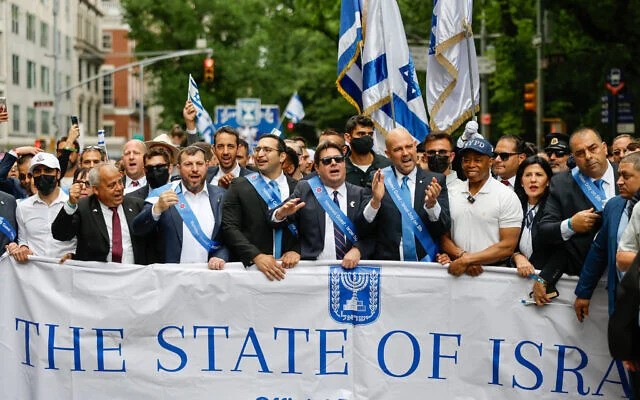
A high-profile Israeli parliamentary delegation led by Knesset Speaker Amir Ohana delivered a forceful message of unity and resolve during New York City’s annual Israel Day Parade on Sunday, using the occasion not only to celebrate Israel’s enduring ties with American Jewry but also to sharply criticize New York City Mayor Zohran Mamdani for his decision to boycott the event.
NYC—ISRAEL DAY—Knesset Speaker Amir Ohana blasted NYC Mayor Zohran Mamdani for skipping the Israel Day Parade, accusing him of “despicably fueling the flames of hatred in the city against Israel and its Jewish residents.”
“You will not intimidate us. The attempt to uproot our… https://t.co/BZmxuNJzm4
— Mossad Commentary (@MOSSADil) May 31, 2026
According to a report on Sunday by World Israel News, Ohana accused Mamdani of contributing to an increasingly hostile atmosphere toward Israel and the Jewish community in New York, charging that the mayor was “despicably fueling the flames of hatred in the city against Israel and its Jewish residents.”
The remarks came as thousands of marchers, community leaders, elected officials, clergy members, students, and supporters of Israel filled Fifth Avenue for one of the largest pro-Israel gatherings outside the Jewish state. This year’s parade carried added political significance following Mamdani’s decision not to attend, making him the first New York City mayor to abstain from participating in the event since 1964.
As reported by World Israel News, Israeli officials viewed the mayor’s absence as a development requiring a visible and unified response from Jerusalem. In reaction, Ohana not only joined the delegation personally but also expanded its size considerably, transforming what is typically a routine parliamentary representation into a major demonstration of bipartisan Israeli solidarity.
According to the information provided in the World Israel News report, the delegation ultimately included 13 lawmakers drawn from both governing coalition parties and opposition factions, reflecting a rare display of national consensus amid Israel’s often-contentious political landscape.
The expanded mission included lawmakers representing a broad spectrum of Israeli political thought, emphasizing that support for Israel’s relationship with Diaspora Jewry transcends partisan divisions.
Among those participating were Likud Knesset Member Afif Abed, Yesh Atid Knesset Member Meir Cohen, and Yisrael Beytenu Knesset Member Oded Forer. The delegation was further strengthened by the participation of Heritage Minister Amichai Eliyahu and Minister for the Negev, Galilee, and National Resilience Yitzhak Wasserlauf.
The presence of senior cabinet ministers alongside lawmakers from competing political parties underscored what organizers and participants described as the paramount importance of maintaining strong bonds between Israel and Jewish communities abroad.
According to the World Israel News report, Knesset officials indicated that Ohana’s decision to attend personally was intended to send a powerful signal of support and solidarity in the face of growing challenges confronting Jewish communities worldwide.
The Knesset explained that the enlarged delegation was designed to “express complete and uncompromising unity in Israel’s strength against its enemies at home and abroad.”
At the center of the day’s political controversy was Mayor Zohran Mamdani’s refusal to participate in the parade.
Mamdani’s absence generated extensive discussion among parade participants and community leaders, many of whom viewed the event as more than a political gathering. For decades, the parade has served as a celebration of Jewish identity, cultural heritage, and the historic relationship between Israel and the United States.
Ohana’s criticism was among the strongest public rebukes directed at the mayor by a senior Israeli official.
“You will not intimidate us,” Ohana declared in a statement cited by **World Israel News**.
“The attempt to uproot our connection to this space through lies and violence will not succeed and will be met here and everywhere with a powerful, united Zionist fist,” he continued.
The comments reflected broader concerns among many participants regarding what they perceive as growing hostility toward Israel and rising antisemitism in Western societies.
According to the World Israel News report, Israeli officials regard such developments as requiring a firm and unapologetic response.
Ohana’s remarks resonated with many attendees who viewed the parade not only as a celebration but also as an affirmation of Jewish resilience and self-determination.
The controversy surrounding Mamdani has extended well beyond his decision to skip the parade.
As noted by World Israel News, critics have pointed to the mayor’s previously expressed support for the Boycott, Divestment and Sanctions movement, commonly known as BDS.
The movement seeks to apply economic, political, and cultural pressure on Israel and has long been a source of intense debate within international political circles. Supporters describe BDS as a form of political activism, while opponents argue that it unfairly singles out Israel and undermines the Jewish state’s legitimacy.
As was reported by World Israel News, Mamdani has also drawn criticism for statements regarding Israel’s identity as a Jewish state, positions that have heightened tensions between his administration and many members of New York’s Jewish community.
Those disagreements formed an unmistakable backdrop to Sunday’s proceedings.
While parade organizers emphasized unity and celebration, the political implications of the mayor’s absence remained a recurring topic throughout the day.
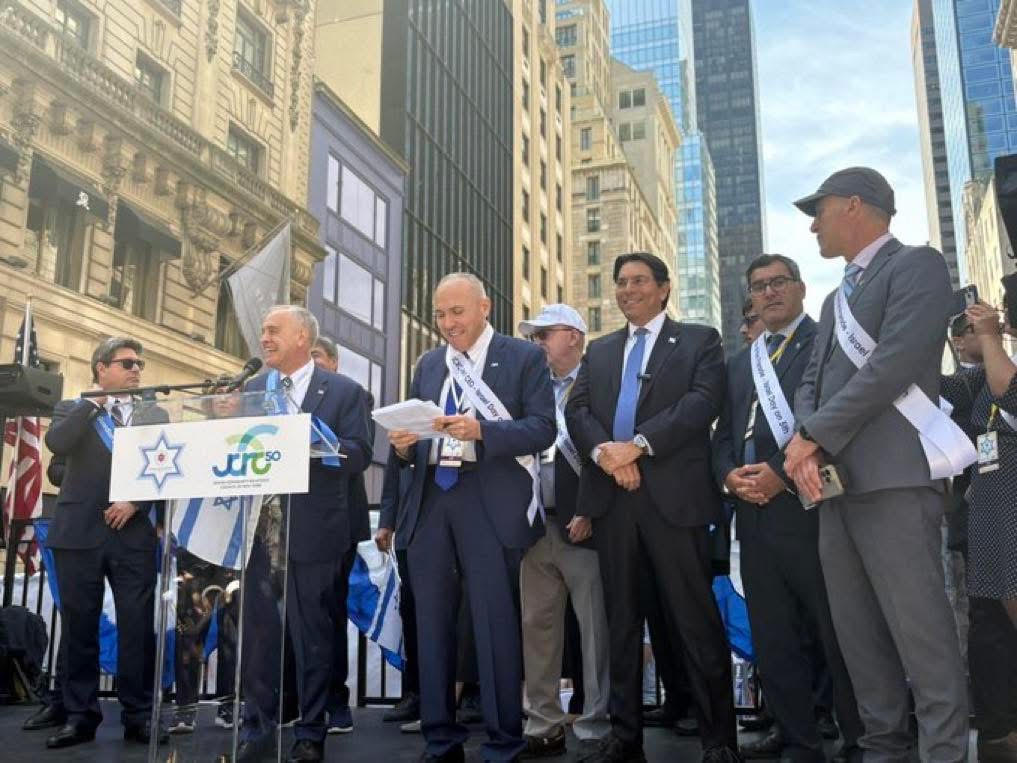
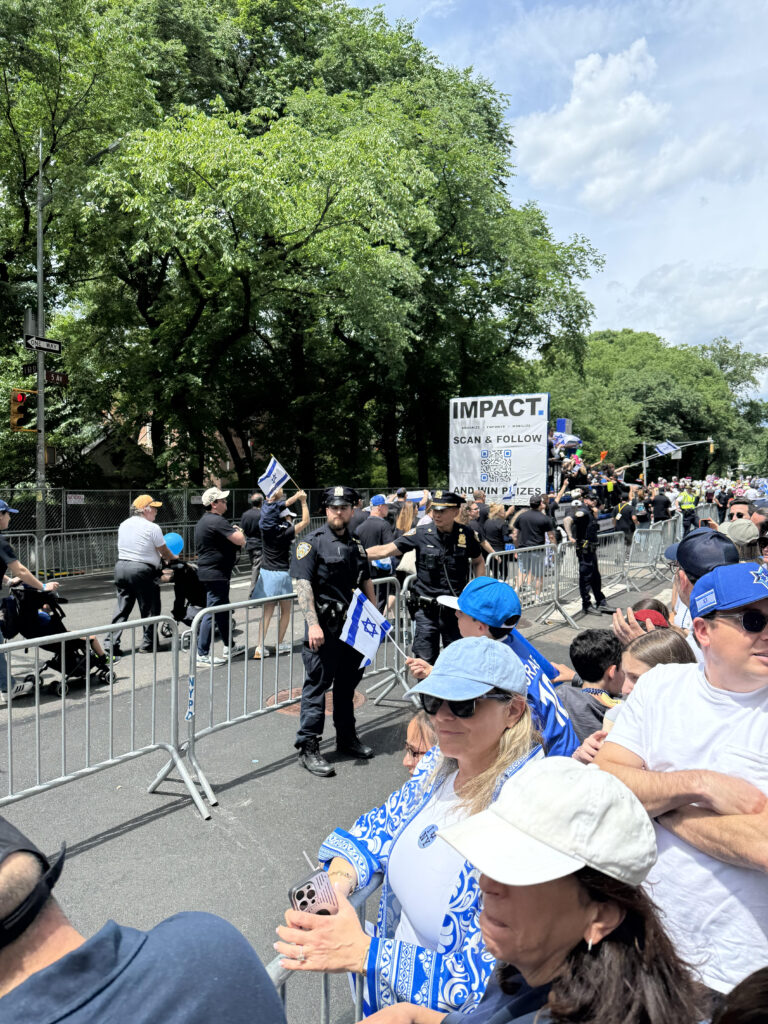
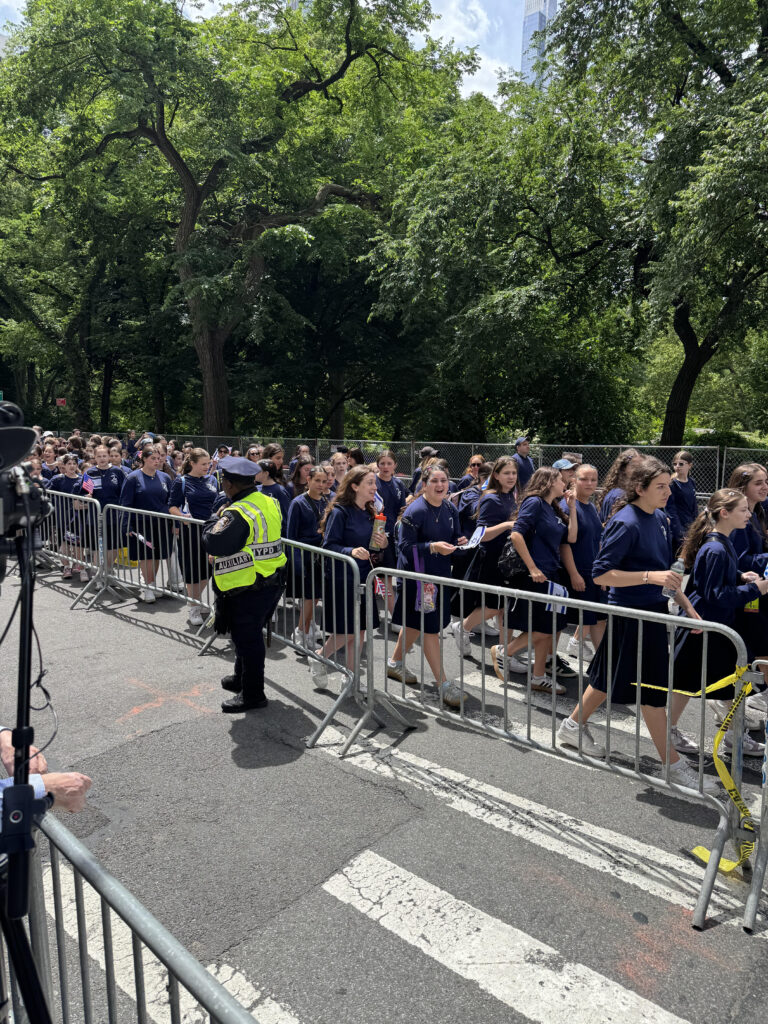
Despite the political controversy, the dominant atmosphere along Fifth Avenue was one of pride, solidarity, and communal celebration. Participants carried Israeli and American flags, while marching bands, youth organizations, schools, synagogues, civic groups, and cultural associations filled the route with music and pageantry.
Knesset Member Yitzhak Kreuzer of Otzma Yehudit emphasized the positive spirit of the event while reflecting on the delegation’s participation. “We were here with supporters of the State of Israel, holding our heads high and marching with Israeli flags with great pride,” Kreuzer said.
His comments echoed sentiments expressed by many participants who viewed the parade as a visible affirmation of Jewish identity during a period marked by heightened tensions and security concerns.
For many marchers, the event represented an opportunity to demonstrate support for Israel while also celebrating the contributions of Jewish communities to American civic life.
The annual Israel Day Parade has long occupied a unique place within the relationship between Israel and North American Jewry.
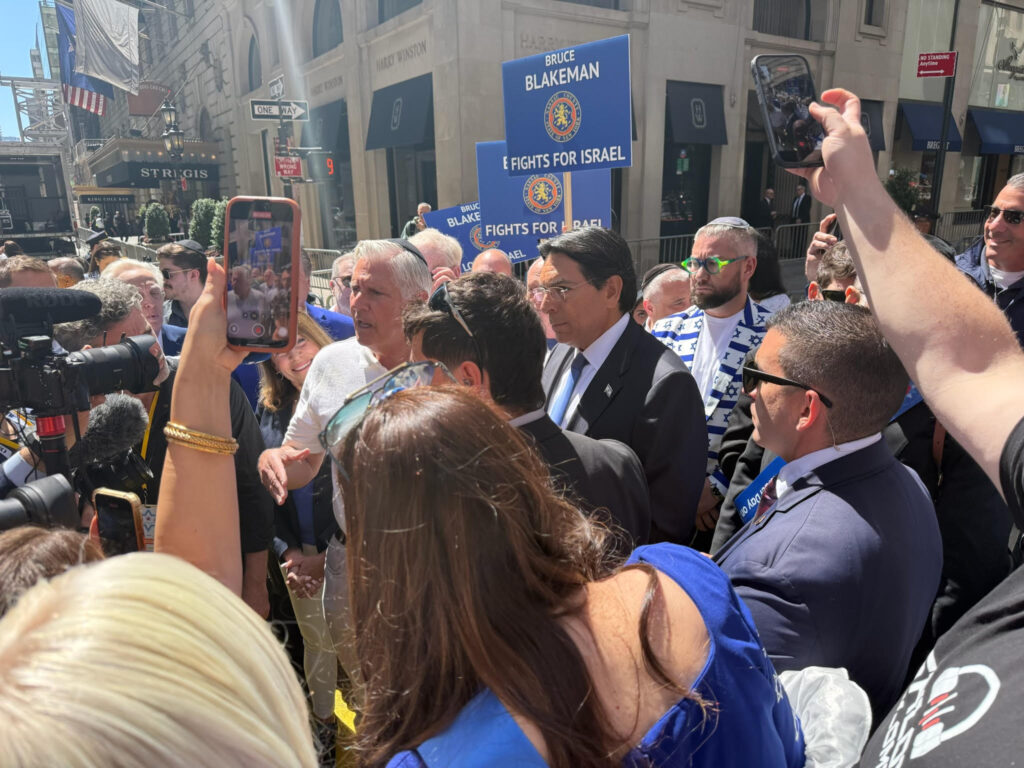
Organized by the UJA-Federation of New York and the Jewish Community Relations Council, the event serves as one of the most prominent public expressions of solidarity between Israel and Jewish communities in the United States.
Organizers stressed that the parade continues to attract participants from diverse religious, ethnic, and cultural backgrounds, highlighting broad support for the relationship between the two democracies.
The event brings together not only Jewish participants but also members of other faith communities, elected officials, civic leaders, and supporters of Israel from across the political spectrum. That inclusiveness was visible throughout the day as crowds lined Fifth Avenue to watch the procession.
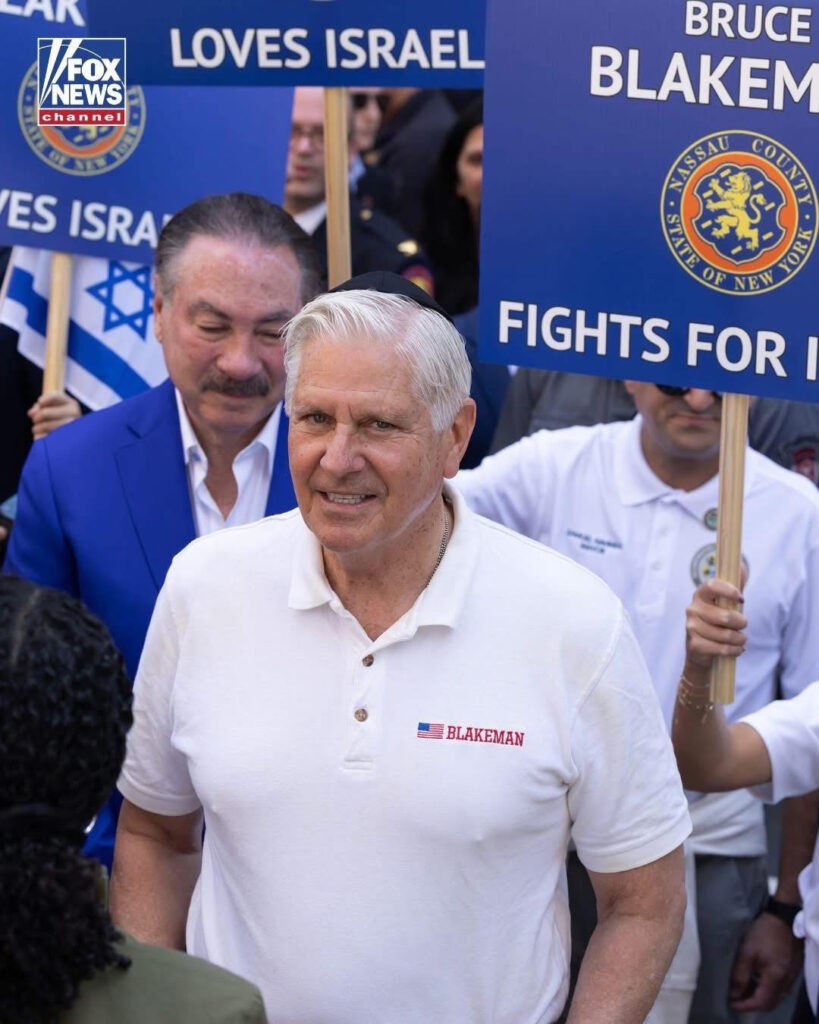
This year’s parade ultimately became more than an annual celebration.
The participation of a large bipartisan Israeli delegation transformed the event into a symbolic statement about national unity, Diaspora engagement, and the determination of Israelis and American Jews to maintain strong bonds despite political disagreements and external challenges.
According to the World Israel News report, Israeli leaders viewed their presence as an affirmation that the connection between Israel and Jewish communities abroad remains both resilient and indispensable.
Ohana’s remarks, though sharply critical of Mamdani, were framed within a broader message emphasizing solidarity and perseverance.
For many attendees, the sight of senior Israeli officials marching alongside thousands of supporters reinforced the enduring strength of the relationship between Israel and the Jewish diaspora.
As the procession moved along Fifth Avenue beneath a sea of Israeli and American flags, participants celebrated not only the State of Israel but also the enduring partnership that has linked Jerusalem and New York for generations.
In that sense, the 2026 Israel Day Parade will likely be remembered not merely for political controversy, but for the powerful display of unity and determination presented by Israel’s parliamentary leadership and the thousands of supporters who joined them on one of New York City’s most iconic avenues.



