






















|
Getting your Trinity Audio player ready...
|
By: Fern Sidman
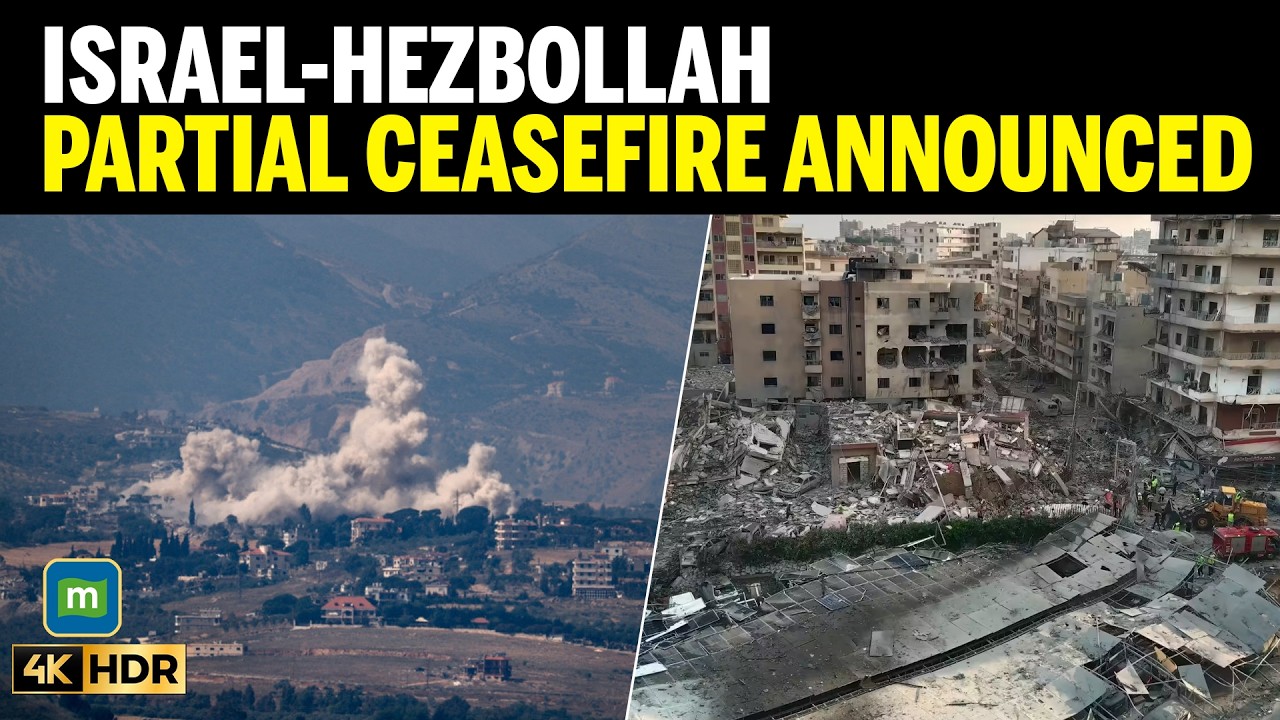
Prime Minister Benjamin Netanyahu has ordered the Israel Defense Forces to dramatically intensify military operations against Hezbollah in Lebanon, signaling what Israeli officials described to VIN News on Monday as the effective end of previous operational limitations imposed under the increasingly fragile ceasefire arrangement brokered with international mediation.
The directive, delivered amid mounting frustration within Israel’s political and military leadership over relentless Hezbollah provocations, marks one of the most consequential escalations along the northern front since the outbreak of the broader regional conflict following the Hamas atrocities of October 2023.
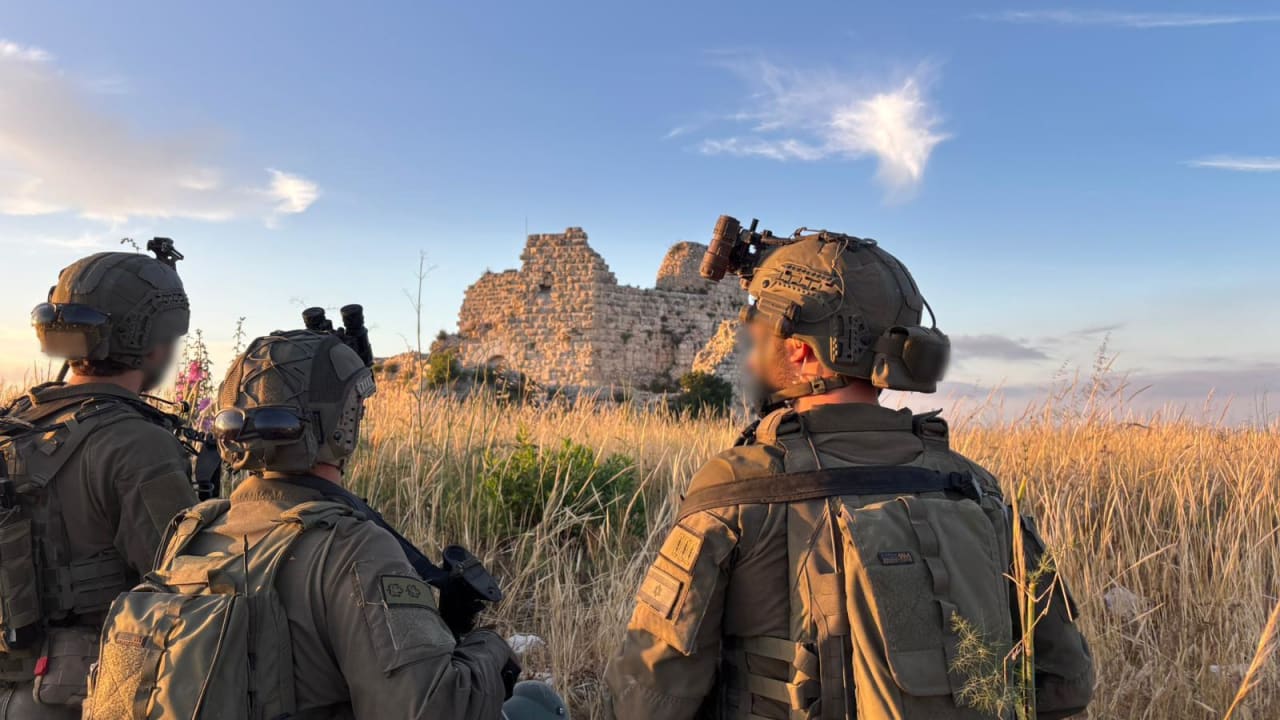
According to officials cited by VIN News, Netanyahu instructed the IDF to proceed with what was characterized as a “full attack” against Hezbollah infrastructure, command systems, rocket-launching positions, drone facilities, and logistical networks throughout southern Lebanon and potentially beyond.
“No more restraints,” one senior official familiar with the decision told VIN News. “This is a full attack to dismantle the threat.”
The statement encapsulated the growing sentiment within Jerusalem that the policy of calibrated retaliation and limited deterrence had failed to halt Hezbollah’s increasingly aggressive military posture along Israel’s northern frontier.
For months, Israeli officials have accused the Iranian-backed Shiite terrorist organization of systematically violating the ceasefire through sustained rocket fire, drone infiltrations, surveillance activity, weapons deployments, and attacks targeting Israeli military positions and civilian communities near the border.
Israeli security officials cited by VIN News alleged that Hezbollah has launched more than 1,000 drones and hundreds of rockets into Israeli territory since mid-April alone, despite the supposed truce intended to stabilize the border region.
Those attacks, according to Israeli military analysts, have gradually eroded confidence inside Israel that diplomatic arrangements alone can prevent Hezbollah from rebuilding and expanding its operational capabilities.
The renewed offensive also reflects intensifying domestic pressure on Netanyahu’s government from displaced residents of northern Israel, many of whom have spent months unable to return safely to their homes due to persistent Hezbollah threats.
Entire communities along the northern border remain partially evacuated, with schools disrupted, businesses shuttered, and civilian life severely destabilized by the continuing danger of missile attacks and armed infiltration attempts.
Netanyahu has repeatedly insisted that Israel cannot tolerate the existence of a heavily armed Iranian proxy entrenched along its northern border with the ability to paralyze large sections of the country through sustained rocket bombardment.
Speaking publicly Saturday night, the prime minister emphasized that Israel’s strategic objective remains the restoration of long-term security conditions that would permit displaced Israelis to return home safely.
Israeli officials increasingly argue that Hezbollah’s military entrenchment in southern Lebanon represents not merely a tactical nuisance, but a profound strategic threat directly orchestrated by Tehran.
Hezbollah possesses one of the largest non-state missile arsenals in the world, with intelligence estimates suggesting the organization maintains tens of thousands of rockets, precision-guided munitions, attack drones, anti-tank systems, and sophisticated surveillance capabilities.
Israeli defense officials have repeatedly warned that Hezbollah’s expanding arsenal has transformed southern Lebanon into what they describe as an Iranian forward operating base aimed at surrounding Israel with interconnected fronts of pressure.
The latest escalation appears designed to fundamentally alter that equation.
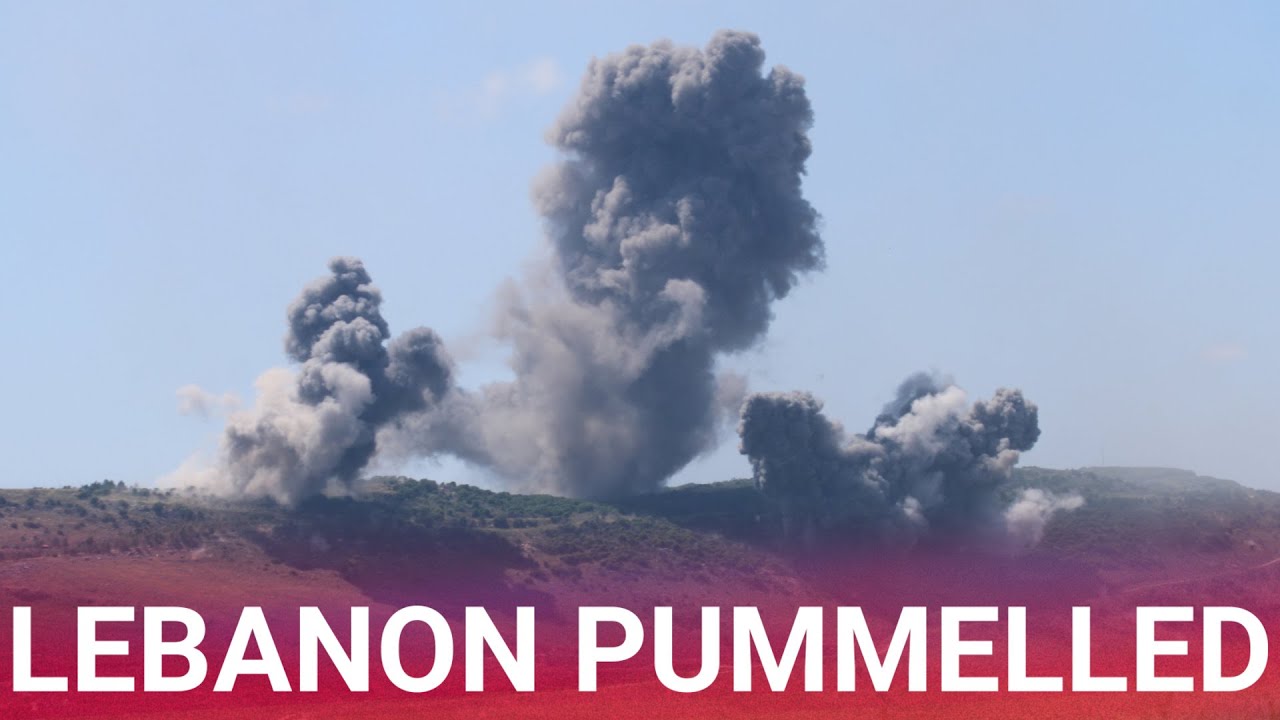
According to reports carried by VIN News, Israeli strikes in recent days have already inflicted significant damage on Hezbollah infrastructure, including weapons depots, communications facilities, launch sites, and command centers throughout southern Lebanon.
Lebanese media outlets reported extensive Israeli airstrikes overnight following Netanyahu’s directive, with explosions observed across multiple areas believed to house Hezbollah assets.
The IDF has not publicly disclosed the full scope of the new campaign, but defense analysts believe the military is preparing for sustained offensive operations intended to degrade Hezbollah’s operational capacity on a much broader scale than previous retaliatory strikes.
Military observers note that the shift in Israeli policy appears closely connected to mounting concerns that Hezbollah has interpreted earlier restraint as weakness.
Israeli officials have privately argued for weeks that limited retaliatory actions failed to establish meaningful deterrence against Hezbollah’s increasingly audacious attacks.
Instead, according to Israeli assessments, Hezbollah continued probing Israeli defenses while attempting to normalize sustained low-intensity warfare along the border.
That calculus now appears to have changed dramatically.
“This is no longer about symbolic responses,” one Israeli security source reportedly told VIN News. “The objective is to restore strategic deterrence and eliminate the immediate operational threat.”
Hezbollah, for its part, denied accusations that it violated the ceasefire agreement and instead accused Israel of deliberately escalating tensions to widen the conflict.
The organization issued statements condemning Israeli strikes as acts of aggression while maintaining that its military activities were defensive in nature.
However, Israeli officials dismissed those claims outright, arguing that Hezbollah’s sustained attacks left Jerusalem with little alternative but to respond forcefully.
The broader geopolitical implications of the escalation are enormous.
Any sustained Israeli offensive against Hezbollah risks drawing Lebanon deeper into regional conflict while simultaneously increasing the possibility of direct Iranian involvement.
Iran has long viewed Hezbollah as one of its most strategically valuable regional proxies and a central pillar of its broader deterrence architecture against Israel and the United States.
The organization serves not only as a military force inside Lebanon but also as a crucial extension of Iran’s regional influence network stretching across Iraq, Syria, Yemen, and Gaza.
Consequently, Israeli efforts to substantially weaken Hezbollah inevitably carry broader regional ramifications.
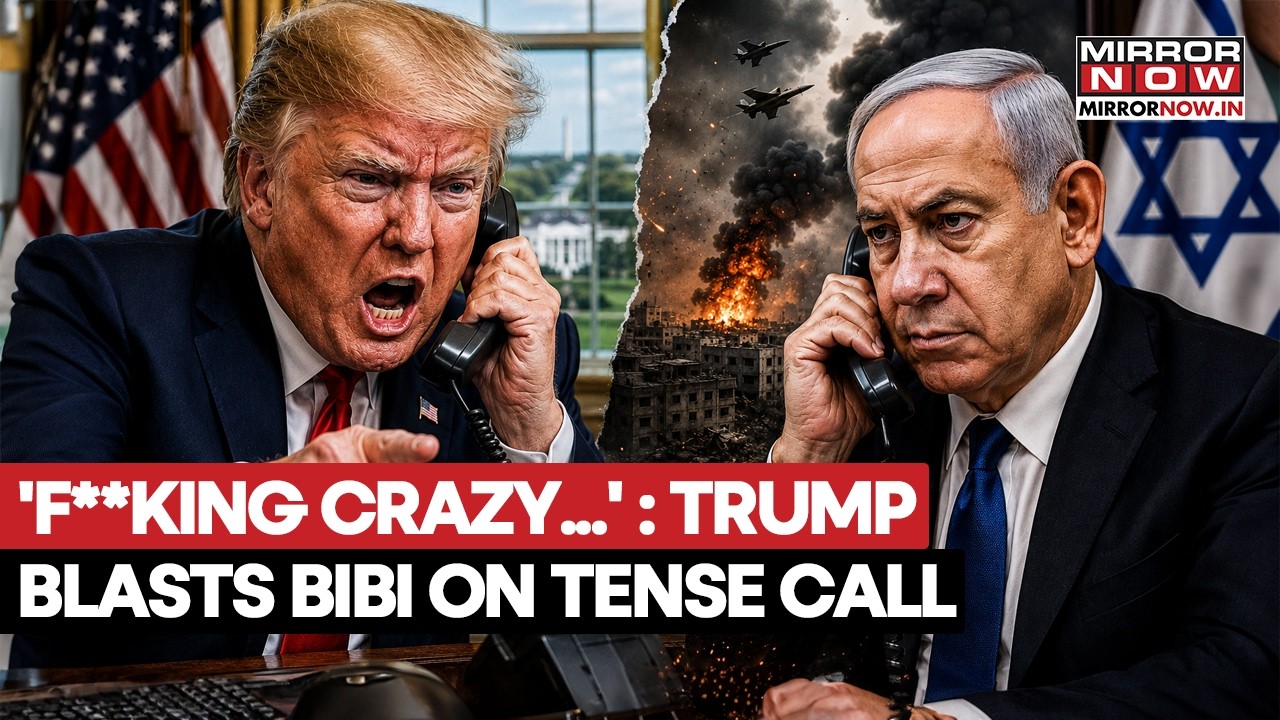
American officials, while reaffirming Israel’s right to self-defense, have simultaneously urged caution to prevent the conflict from spiraling into a wider regional war.
Washington remains deeply concerned that uncontrolled escalation between Israel and Hezbollah could ignite a multi-front confrontation involving Iranian-backed militias throughout the Middle East.
Nevertheless, U.S. officials have also acknowledged Hezbollah’s repeated provocations and its extensive violations of the ceasefire framework.
The Biden and Trump administrations alike have consistently designated Hezbollah as a terrorist organization and recognized the severe threat its missile capabilities pose to Israeli civilians.
Netanyahu’s decision also reflects broader strategic lessons drawn by Israel since the October 7 Hamas massacre.
Israeli security doctrine has undergone profound recalibration in the aftermath of those attacks, with growing emphasis on preemptive action, aggressive deterrence, and the elimination of emerging threats before they metastasize into larger catastrophes.
Many within Israel’s security establishment argue that years of partial containment strategies against Hamas and Hezbollah ultimately emboldened those organizations rather than restraining them.
The new northern campaign therefore appears rooted in a determination to avoid repeating what Israeli officials increasingly view as past strategic mistakes.
The emotional dimension inside Israel cannot be overstated.
Northern residents displaced for months by Hezbollah attacks have become increasingly vocal in demanding decisive government action.
Communities once thriving with tourism, agriculture, and commerce now exist under the constant shadow of missile alerts and drone incursions.
For many Israelis, the prolonged inability to safely inhabit large swaths of their own country has become politically and psychologically intolerable.
Netanyahu’s government faces immense pressure to demonstrate that Israeli sovereignty and civilian security can be restored decisively.
The prime minister himself has framed the struggle in existential terms, repeatedly emphasizing that Israel cannot permit Iranian-backed terrorist organizations to dictate life along its borders.
Military analysts caution, however, that any expanded confrontation with Hezbollah would likely prove far more dangerous and destructive than previous rounds of fighting.
Unlike Hamas, Hezbollah possesses extensive battlefield experience acquired during years of combat involvement in Syria, as well as significantly more advanced weaponry.
Israeli intelligence estimates suggest Hezbollah’s missile arsenal is capable of striking deep into Israel’s population centers and strategic infrastructure.
At the same time, Israeli airpower, intelligence capabilities, and missile defense systems remain vastly superior to those available during earlier conflicts.
Israeli military officials appear increasingly convinced that delaying confrontation only permits Hezbollah to grow stronger.
That assessment now seems to be driving Jerusalem’s operational calculations.
For the moment, the region stands at an extraordinarily precarious crossroads.
Whether Netanyahu’s decision produces restored deterrence or triggers broader regional escalation remains uncertain. What is increasingly clear, however, is that Israel’s leadership has concluded the status quo along the northern border is no longer sustainable.
As VIN News reported, Israeli officials now appear determined to fundamentally alter the security equation confronting Hezbollah — even at the risk of wider conflict.
For Israel’s displaced northern residents, the government insists the objective is straightforward: ensuring that families driven from their homes by rockets, drones, and fear can finally return under conditions of genuine and lasting security.



