
















|
Getting your Trinity Audio player ready...
|
By: Fern Sidman
As negotiations between Washington and Tehran appear to accelerate toward what could become one of the most consequential diplomatic arrangements in the modern Middle East, Israeli leaders are signaling profound unease over elements of the emerging framework, while simultaneously reaffirming that the Jewish state will preserve complete operational freedom against any threat posed by Iran or its regional proxies.
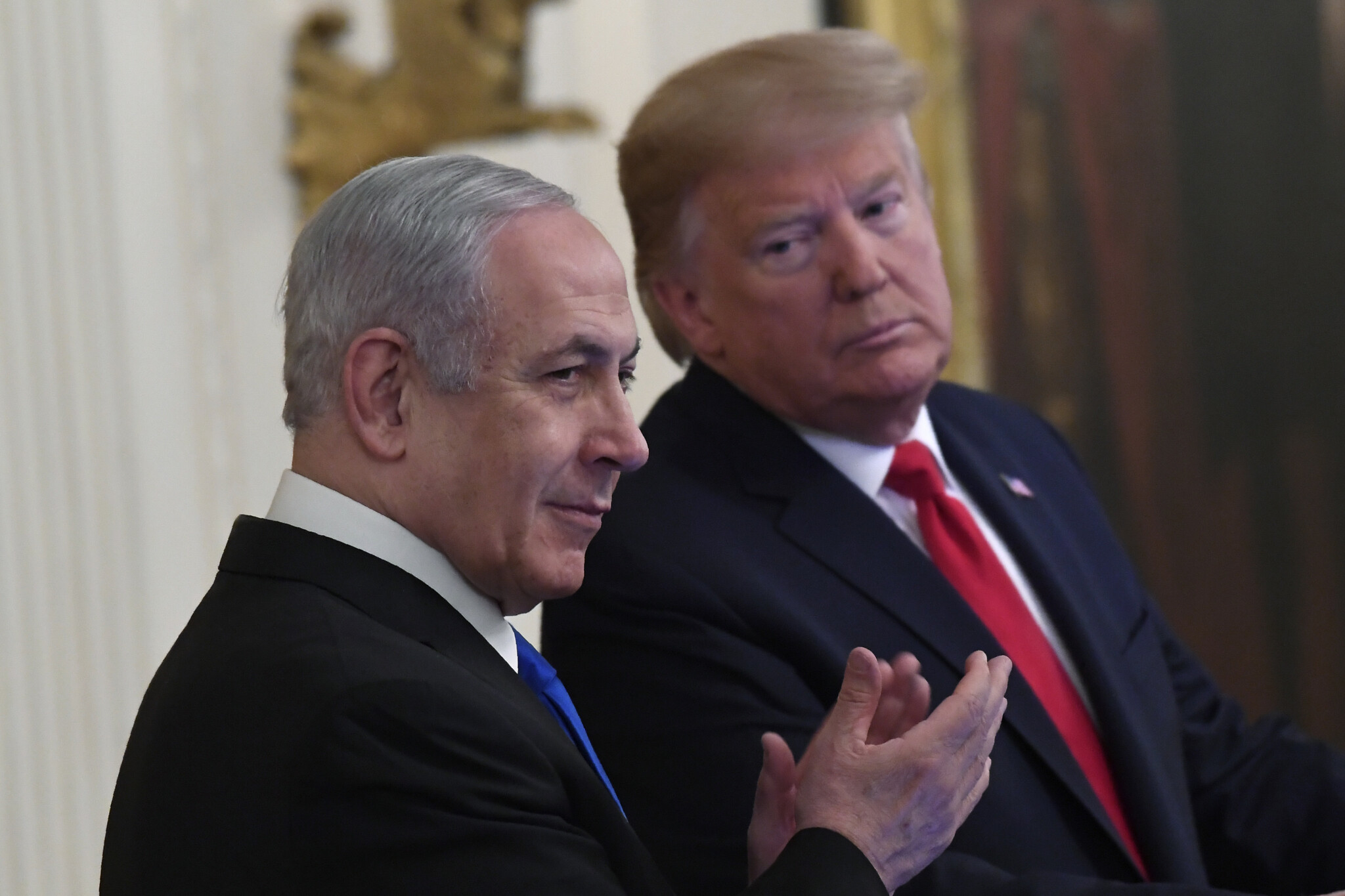
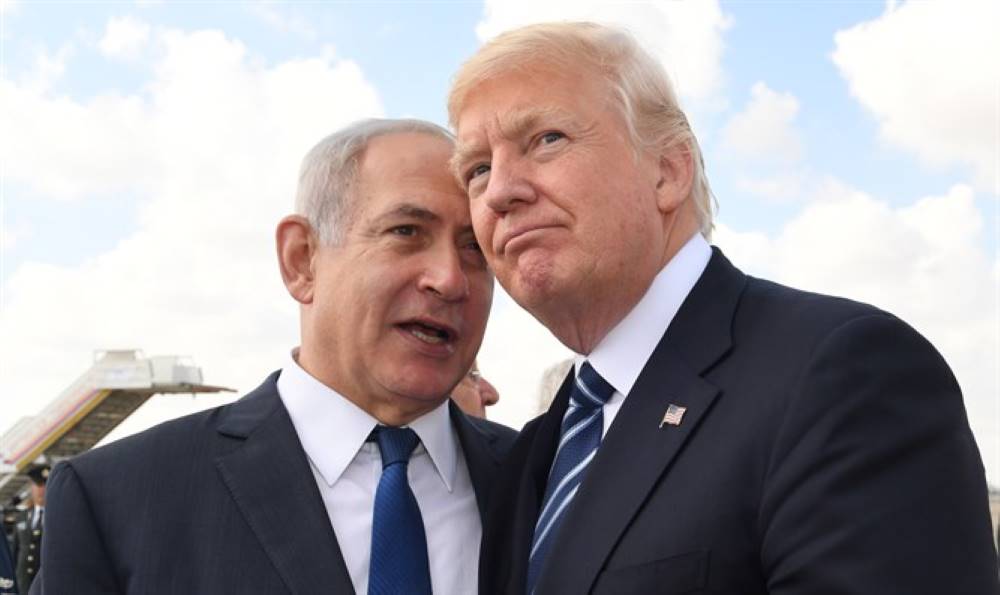
According to a report by The Jewish News Syndicate (JNS), an Israeli political source stated on Sunday that Prime Minister Benjamin Netanyahu conveyed directly to President Trump during a phone conversation that Israel “will maintain freedom of action against threats in all arenas, including Lebanon,” even as the United States continues intensive talks with the Islamic Republic regarding a possible memorandum of understanding.
The remarks underscored the increasingly delicate strategic balance unfolding behind closed doors as the Trump administration attempts to secure a diplomatic arrangement capable of ending hostilities, reopening the Strait of Hormuz, stabilizing global energy markets, and restraining Iran’s nuclear ambitions without triggering a broader regional conflagration.
At the same time, the statements revealed that Jerusalem remains deeply skeptical of any agreement that could leave Tehran with residual nuclear infrastructure, financial relief, or enhanced geopolitical legitimacy.
According to the JNS report, the Israeli political source emphasized that the White House has been keeping Jerusalem closely informed regarding the status of the negotiations and that President Trump reiterated his longstanding support for Israel’s right to defend itself against threats emanating from Iran and its allied terrorist organizations.
“The premier in that discussion stressed that Israel will maintain freedom of action against threats in all arenas, including Lebanon, and President Trump reiterated his support for this principle,” the source said.
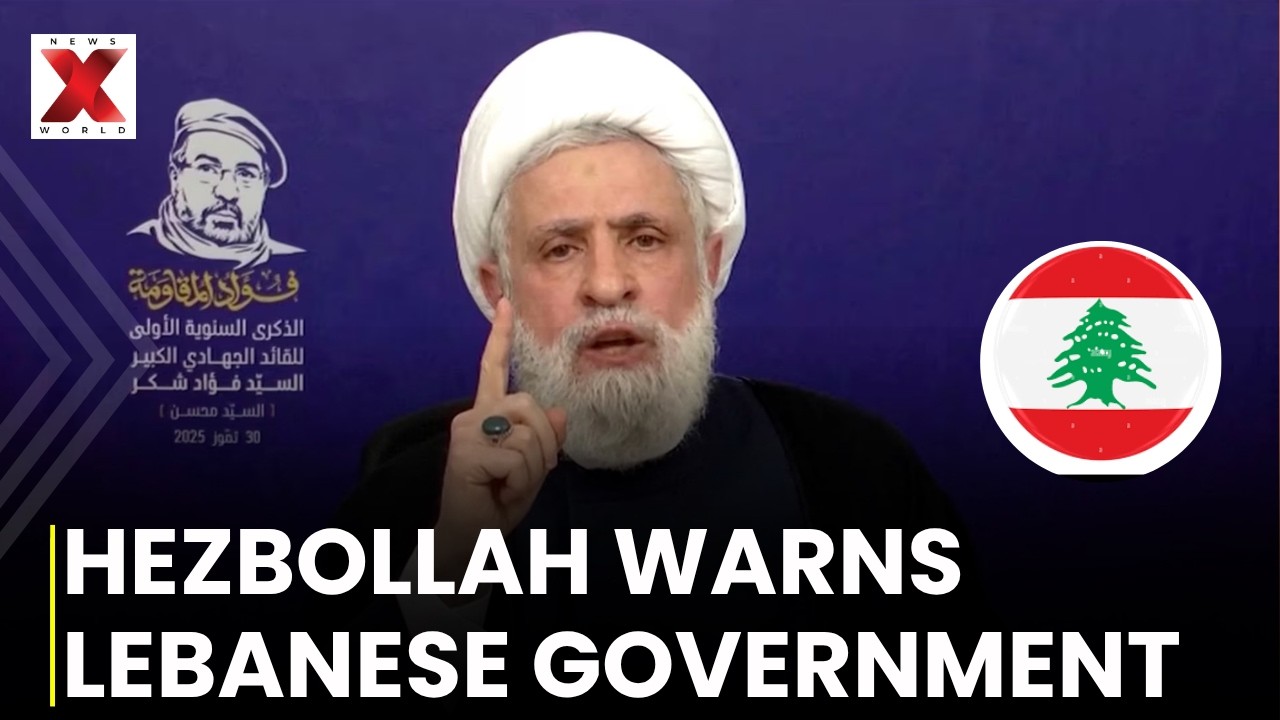
The reference to Lebanon was particularly significant given the ongoing tensions involving Hezbollah, the Iranian-backed Shiite terrorist organization that has engaged in repeated military confrontations with Israel along the northern border.
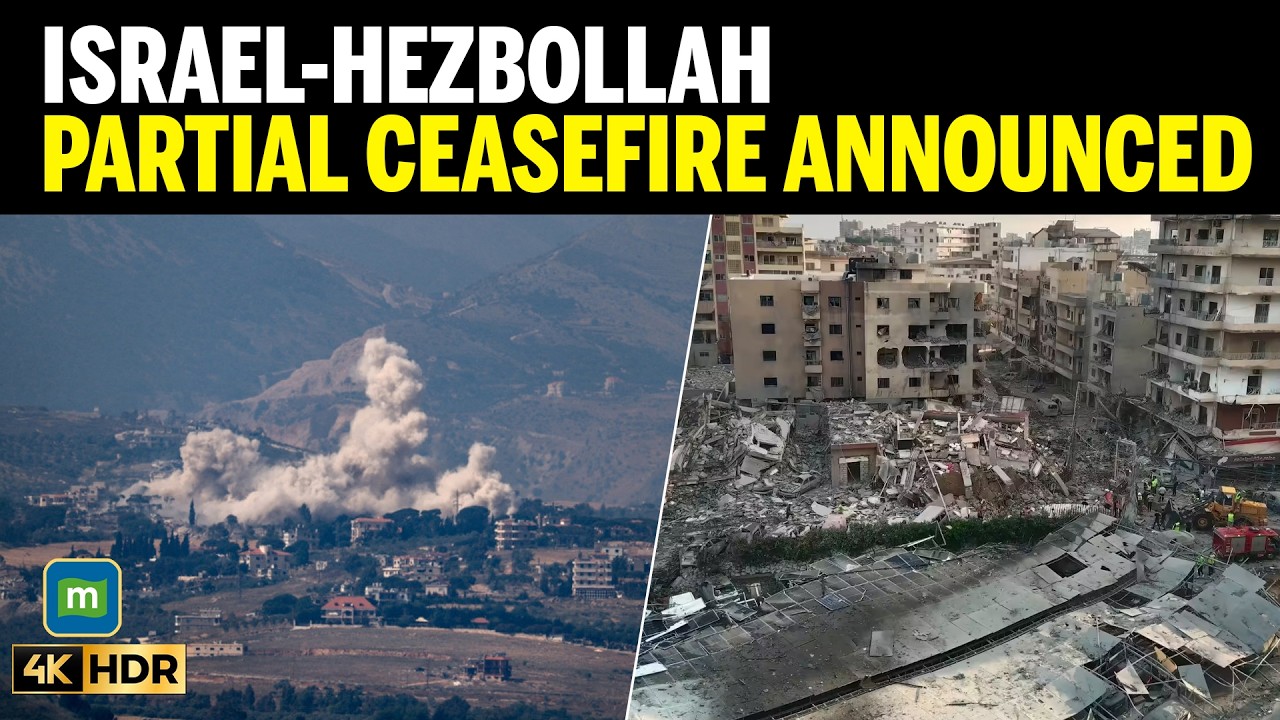
Reports surrounding the proposed framework suggest that a draft memorandum of understanding may contain provisions effectively ending the war between Israel and Hezbollah during an initial ceasefire period, a component that has reportedly triggered considerable concern within Israel’s political and defense establishments.
The Israeli source also stressed that Trump remained unwavering regarding the central American demand that Iran dismantle its nuclear program and relinquish its stockpile of highly enriched uranium, as was reported by JNS.
“Trump made clear that he will stand firm in the negotiations on his consistent demand for the dismantling of Iran’s nuclear program and the removal of all enriched uranium from its territory, and that he will not sign a final agreement without these conditions being met,” the source stated.
That declaration comes amid mounting criticism from pro-Israel lawmakers, security analysts, and conservative political figures who fear that any premature diplomatic breakthrough could repeat the catastrophic failures of the 2015 Obama-era nuclear accord.
Under that previous agreement, critics argued, Iran received substantial sanctions relief while preserving key aspects of its nuclear infrastructure and expanding its regional influence through proxies such as Hezbollah, Hamas, and various Shiite militias across Iraq and Syria.
Now, nearly a decade later, those fears are resurfacing with renewed intensity.
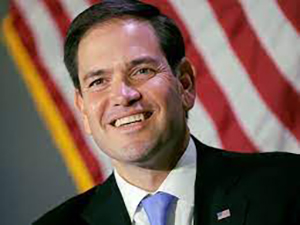
Secretary of State Marco Rubio added to speculation surrounding an imminent breakthrough during remarks delivered Sunday while visiting India. “I do think perhaps there is the possibility that in the next few hours the world will get some good news,” Rubio said.
Yet despite the administration’s cautiously optimistic tone, major questions remain unresolved.
According to a report at Axios, cited by JNS, the emerging agreement would reportedly include several dramatic provisions: the reopening of the Strait of Hormuz, the lifting of the U.S. naval blockade on Iranian ports, sanctions waivers permitting Tehran to resume oil sales, and an Iranian commitment to negotiate over its nuclear enrichment program.
The arrangement would reportedly begin with a renewable 60-day memorandum of understanding during which both sides would de-escalate military tensions while pursuing broader negotiations.
Under the proposed framework, Iran would reportedly remove naval mines from the Strait of Hormuz and allow unrestricted commercial passage through the critical global energy corridor without imposing tolls.
In exchange, the United States would ease aspects of its economic and maritime pressure campaign.
Most significantly, according to the Axios report, Tehran would commit to permanently abandoning efforts to obtain nuclear weapons and begin negotiations concerning the suspension of uranium enrichment and the elimination of its stockpile of highly enriched uranium.
Yet even as those details circulated publicly, Iranian officials appeared to contradict key components of the proposal.
A senior Iranian official told Reuters on Sunday that Tehran had not agreed to surrender its enriched uranium stockpile and insisted that the nuclear issue was not included within the preliminary framework currently under discussion.
“The nuclear issue will be addressed in negotiations for a final agreement and are therefore not part of the current deal,” the Iranian official said. “There has been no agreement over Iran’s highly enriched uranium stockpile to be shipped out of the country.”
That contradiction immediately intensified concerns among Israeli lawmakers and Iran hawks in Washington who fear Tehran may be attempting to secure sanctions relief and strategic breathing room without making irreversible concessions regarding its nuclear capabilities.
Likud lawmaker Tally Gotliv voiced blunt skepticism regarding the viability and wisdom of the proposed arrangement. “We’ve been in this situation several times before, and I do not see how the agreement currently on the table could be signed, despite all the noise surrounding it,” Gotliv told JNS. “This would be a bad agreement—one that does not serve the interests of the United States, not just ours. I do not see it being signed,” she added.
Her remarks reflected broader apprehension within segments of Israel’s governing coalition that Tehran may once again exploit diplomacy as a mechanism for delaying confrontation while preserving its strategic infrastructure.
Those concerns are compounded by Iran’s extensive record of concealment, deception, and incremental nuclear advancement over the past two decades.
According to reports cited by JNS, Netanyahu raised several concerns during his conversation with Trump, particularly regarding provisions related to Hezbollah and regional security arrangements.
However, both American and Israeli officials described the exchange as respectful and constructive.
One American official reportedly stressed that any arrangement involving Lebanon would not constitute a unilateral ceasefire preventing Israeli military responses.
Instead, Israel would retain the right to act if Hezbollah attempted to rearm or launch attacks.
That caveat appears particularly critical given Hezbollah’s immense missile arsenal and Iran’s longstanding strategy of using proxy organizations to pressure Israel while maintaining plausible deniability.
Fox News also reported Sunday that the developing framework specifies that U.S. military forces would remain positioned near Iran for at least 30 days, a provision apparently designed to preserve deterrence and ensure compliance during the initial phase of the agreement.
Still, many Israeli officials remain unconvinced.
Likud lawmaker Moshe Passal delivered one of the starkest warnings in comments to JNS, emphasizing that Israel ultimately cannot outsource its survival to any foreign power, regardless of alliance or friendship.
“It’s not over until it’s over. You can’t know what will happen,” Passal said. “I trust President Trump, who said he will not compromise on the nuclear issue, and I hope he won’t.”
Yet Passal quickly added a sobering historical reminder deeply rooted in Jewish memory and Israeli strategic doctrine. “But as I’ve said many times, a nation of which six million people were destroyed not so long ago must face its fate alone,” he declared.
The statement reflected the enduring Israeli conviction that existential threats cannot be delegated entirely to international guarantees or diplomatic assurances.
“Even if the U.S. reaches an agreement that is not good for Israel, we cannot allow Iran to possess nuclear weapons,” Passal continued. “Therefore, we need to be in a situation where, with or without President Trump, we know how to destroy Iran’s capabilities.”
Passal expressed confidence in Israel’s long-term survival while simultaneously voicing grave concern about the prospect of negotiating with the Iranian regime.
“I trust that Israel and the Jewish people will endure forever,” he said. “How will this happen? What will happen? In what form? I don’t know, but I hope they do not sign this deal because it is like signing a deal with Hitler.”
“These are the greatest terrorists in the world,” Passal added. “The costs will be painful, but we should not surrender to Iran.”
Such rhetoric underscores the extraordinary stakes surrounding the negotiations.
For Israel, the issue extends far beyond diplomacy or sanctions policy. It touches the core of national survival, historical trauma, and strategic doctrine shaped by generations of existential warfare.
For the Trump administration, meanwhile, the challenge lies in securing a deal strong enough to withstand scrutiny from congressional Republicans, Israeli allies, Gulf states, and domestic critics while avoiding another costly regional war.
President Trump has repeatedly insisted that any agreement reached under his administration would differ fundamentally from the Obama-era nuclear deal, which he abandoned during his first term.
According to the Israeli source cited by JNS, Netanyahu expressed appreciation during the call for Trump’s “longstanding and exceptional commitment to Israel’s security.”
Whether that commitment ultimately translates into a framework acceptable to Jerusalem remains uncertain.
As negotiations continue and contradictory reports emerge from Washington, Tehran, and Jerusalem, the region now waits anxiously to determine whether diplomacy can genuinely neutralize Iran’s nuclear ambitions — or merely postpone a larger and more dangerous confrontation still looming on the horizon.



