











|
Getting your Trinity Audio player ready...
|
By: Fern Sidman
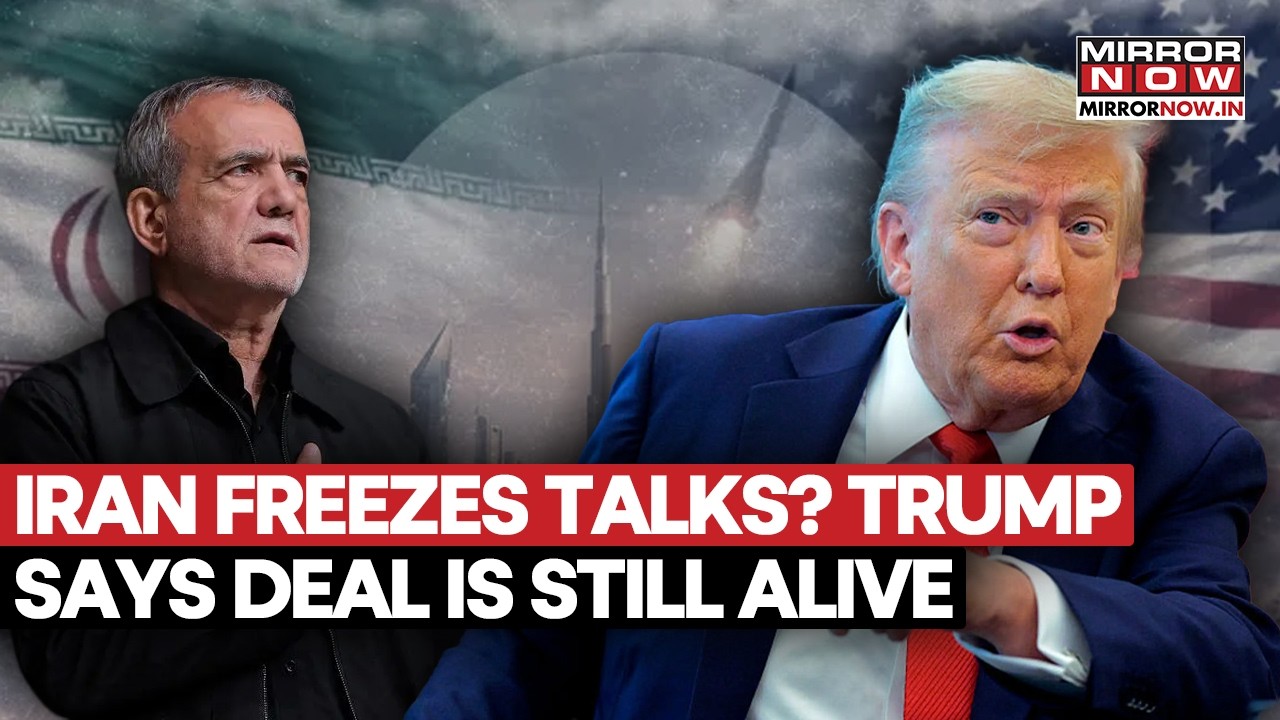
A growing divide has emerged within Republican foreign policy circles as lawmakers, former Trump administration officials, and conservative commentators clash over the contours of a proposed memorandum of understanding intended to conclude the escalating confrontation with Iran. While several influential Republican figures have warned that the developing framework risks empowering the Islamic Republic both economically and strategically, allies of President Trump and senior administration officials have mounted a vigorous defense of the negotiations, insisting the president remains firmly committed to an “America First” doctrine that will not compromise United States or Israeli security interests.
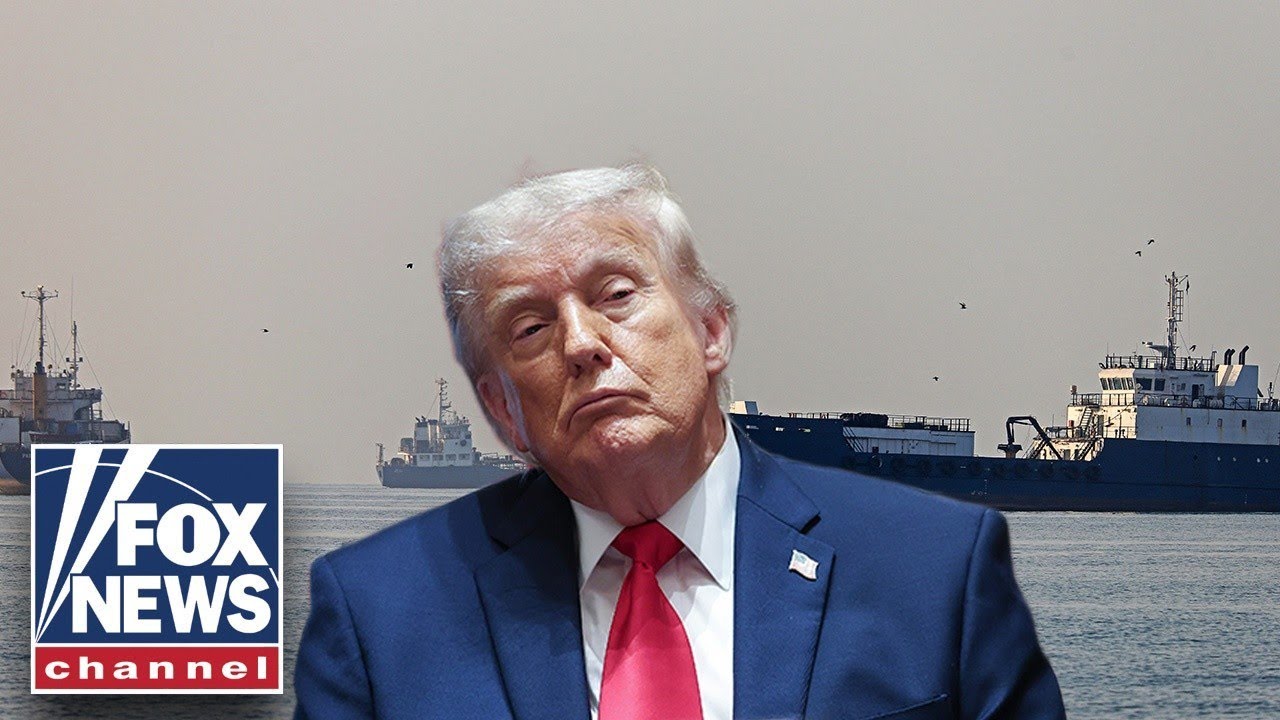
The intensifying debate, which has rapidly become one of the defining geopolitical disputes inside the conservative movement, reflects deep anxieties surrounding the possibility that Tehran could emerge from the negotiations with preserved nuclear capabilities, renewed access to billions of dollars in financial assets, and continued influence over one of the world’s most strategically vital maritime corridors — the Strait of Hormuz.
According to a report on Sunday by World Israel News, the disagreement intensified after details began circulating regarding a potential diplomatic framework aimed at ending the current Iran conflict while reopening critical regional shipping lanes and establishing broader negotiations over Tehran’s nuclear program and regional activities.
The reported proposal immediately generated alarm among several senior Republican lawmakers who argued that any agreement leaving the Iranian regime in a strengthened strategic position would represent a profound geopolitical error.
Among the most outspoken critics was Senator Ted Cruz of Texas, who publicly expressed serious reservations about the direction of the negotiations and warned that the administration risked undermining the very objectives achieved through military pressure against Tehran.
“I am deeply concerned about what we are hearing about an Iran ‘deal,’ being pushed by some voices in the administration,” Cruz wrote in a sharply worded post on X.
Cruz nevertheless praised President Trump’s prior military actions against Iran, describing them as a defining moment of the president’s second term.
“The most consequential decision of his second term,” Cruz wrote, referring to Trump’s military campaign targeting Iranian assets and infrastructure.
However, the Texas senator cautioned that the diplomatic outcome now under discussion could potentially negate those battlefield achievements if Tehran were permitted to retain meaningful regional leverage.
“If the result of all that is to be an Iranian regime — still run by Islamists who chant ‘death to America’ — now receiving billions of dollars, being able to enrich uranium & develop nuclear weapons, and having effective control over the Strait of Hormuz, then that outcome would be a disastrous mistake,” Cruz declared.
The senator’s comments captured the fears of many Republican foreign policy hawks who view Iran not merely as a hostile adversary but as a fundamentally expansionist regime whose ideological and military ambitions cannot be moderated through diplomatic accommodation.
Cruz’s warning was echoed by Senator Lindsey Graham, another longtime advocate of aggressive measures against Tehran and one of the Republican Party’s most influential national security voices.
Graham warned that any arrangement allowing Iran to preserve the capability to threaten Gulf shipping or energy infrastructure could permanently alter the regional balance of power in a manner deeply detrimental to Israel and America’s Arab allies.
“This combination of Iran being perceived as having the ability to terrorize the Strait in perpetuity and the ability [to] inflict massive damage to Gulf oil infrastructure is a major shift of the balance of power in the region and over time will be a nightmare for Israel,” Graham wrote.
The South Carolina senator’s remarks reflected broader concerns among pro-Israel conservatives who fear that even a temporary easing of pressure on Tehran could allow the Islamic Republic to regroup economically and militarily while continuing to support proxy organizations throughout the Middle East.
Former Secretary of State Mike Pompeo also entered the debate with unusually forceful criticism of the framework reportedly being negotiated.
Pompeo, who served as one of the chief architects of the Trump administration’s original “maximum pressure” campaign against Iran during Trump’s first term, openly challenged whether the current proposal genuinely aligned with “America First” principles.
“The deal being floated [is] … Not remotely America First,” Pompeo wrote.
He then outlined what he believed should constitute the administration’s proper strategic objectives regarding Tehran.
“It’s straightforward: Open the damned strait. Deny Iran access to money. Take out enough Iranian capability so it cannot threaten our allies in the region.”
“Overdue. Let’s go,” Pompeo concluded.
The comments illustrated the growing unease among portions of the Republican national security establishment who fear that diplomatic momentum may be overtaking strategic caution.
Yet while criticism intensified from some conservative quarters, Trump allies and senior administration figures moved aggressively to defend the president’s negotiating strategy and counter accusations that the White House was preparing to grant concessions to Tehran.
According to the World Israel News report, administration officials insisted that critics lacked access to the full details of the negotiations and argued that Trump remained fully committed to preventing Iran from obtaining nuclear weapons or threatening regional stability.
The president himself attempted to calm conservative anxieties by emphasizing that no final agreement had yet been completed and that negotiations remained ongoing.
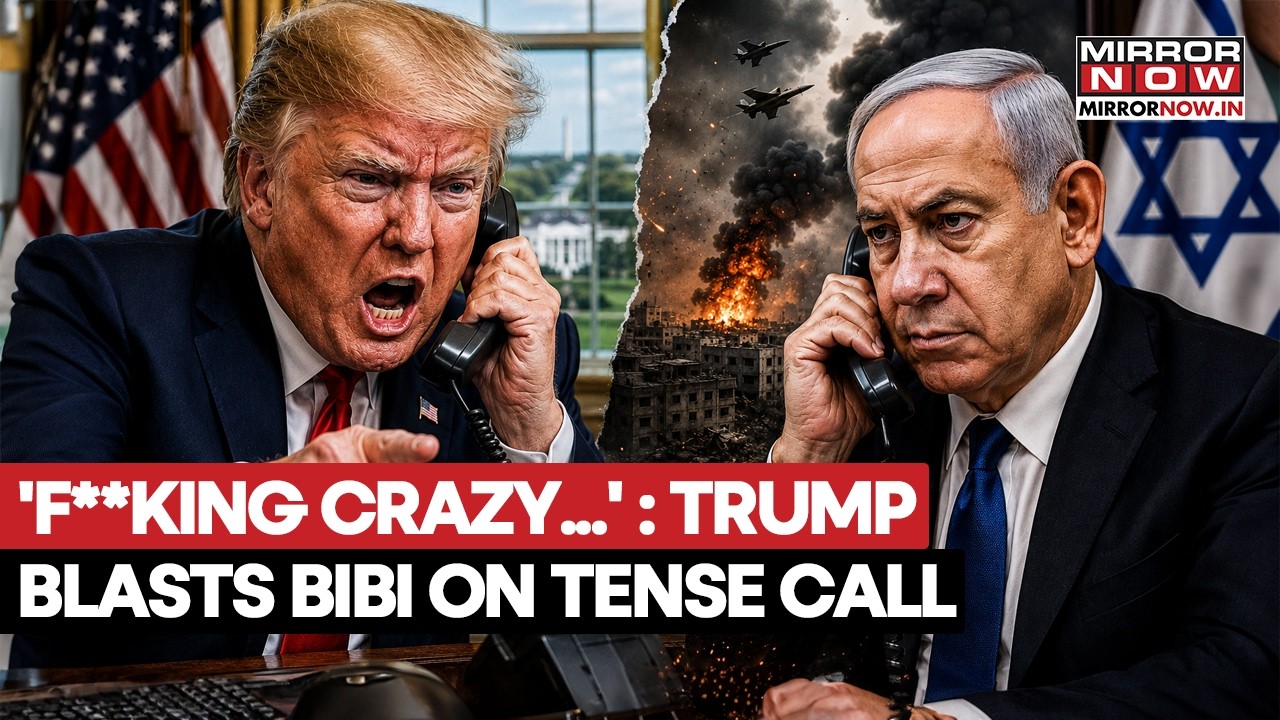
Trump stated that the proposed arrangement aimed at ending the conflict and reopening the Strait of Hormuz was “largely” complete, though still subject to additional negotiations and final details.
At the same time, some of Trump’s closest political allies launched direct public attacks against Republican critics of the proposal.
White House Communications Director Steven Cheung and outside Trump adviser Alex Bruesewitz reportedly pushed back aggressively against conservative lawmakers and commentators expressing skepticism about the negotiations.
The administration’s defenders argued that Trump’s critics were prematurely attacking a diplomatic framework they had not fully seen or understood.
Supporters further contended that Trump’s record on Iran demonstrated conclusively that he would never accept an agreement resembling the Obama-era nuclear accord, which many conservatives continue to regard as one of the most damaging foreign policy decisions in recent American history.
Conservative media personalities and commentators also rallied behind the administration, urging Republicans to trust Trump’s judgment and allow the president flexibility in pursuing what they described as a uniquely “America First” resolution to the crisis.
As reported by World Israel News, several conservative voices instructed critics to “leave the real work to the professionals” and provide Trump with the “space to find an America First solution.”
That defense reflected a growing sentiment among portions of Trump’s political base that the president’s unconventional negotiating style often requires tactical ambiguity, strategic pressure, and public unpredictability in order to achieve favorable outcomes.
Supporters also pointed to Trump’s long record of publicly criticizing the Obama nuclear agreement and his repeated insistence that Iran would never obtain nuclear weapons under his leadership.
The administration has further emphasized that economic sanctions and military pressure against Tehran remain fully intact pending any finalized agreement.
Indeed, Trump himself has continued pairing diplomatic overtures with overt military signaling.
Recent Truth Social posts from the president included dramatic warnings directed toward Tehran, including one featuring an image of a bomb mounted beneath a fighter jet accompanied by the phrase, “THANK YOU FOR YOUR ATTENTION TO THIS MATTER!”
That post was widely interpreted as a warning that the administration remains fully prepared to resume military operations if Iran attempts to stall negotiations or violate any eventual agreement.
The broader dispute unfolding inside Republican circles reveals the complex political terrain Trump must navigate as he attempts simultaneously to prevent a wider regional war, maintain pressure on Tehran, reassure Israel, and satisfy competing factions within the conservative movement.
For some Republican hawks, only the total dismantlement of Iran’s nuclear infrastructure and military capabilities would constitute an acceptable outcome.
Others, however, argue that Trump’s combination of military pressure and diplomatic leverage may ultimately produce a more durable strategic advantage than prolonged warfare.
The debate also reflects lingering scars from the Obama administration’s 2015 Joint Comprehensive Plan of Action, which remains deeply unpopular among most Republicans and many pro-Israel advocates.
Critics of that agreement argued it granted Tehran sanctions relief and financial resources while merely delaying — rather than eliminating — the Islamic Republic’s nuclear ambitions.
Consequently, any suggestion that Iran could emerge from the current negotiations with economic benefits or preserved nuclear capabilities inevitably triggers fierce backlash from conservative national security circles.
Meanwhile, Israeli officials continue monitoring developments with profound concern.
Many within Israel’s security establishment reportedly remain deeply skeptical regarding whether Tehran can be trusted to comply fully with any agreement or genuinely abandon its nuclear ambitions.
Those concerns have intensified amid reports that portions of the proposed framework could involve phased sanctions relief and the eventual thawing of Iranian assets held abroad.
Still, administration officials insist the negotiations are structured specifically to prevent Iran from exploiting the agreement while ensuring that the Islamic Republic remains under immense strategic and economic pressure.
According to reports cited by World Israel News, the White House believes the current framework differs fundamentally from prior agreements because it allegedly requires Iran to relinquish critical elements of its enriched uranium stockpile and submit to stringent oversight mechanisms.
Whether those assurances will ultimately satisfy skeptical Republicans remains uncertain.
For now, however, the emerging diplomatic framework has exposed one of the most significant foreign policy divisions inside the Republican Party since Trump returned to office.
As negotiations continue, the debate is likely to intensify further — particularly if additional details emerge regarding sanctions relief, uranium enrichment provisions, or Iran’s future regional influence.
At stake is not merely the future of the current conflict, but the broader strategic architecture of the Middle East and the question of whether diplomacy, military force, or some combination of both can successfully contain one of America’s most dangerous adversaries.
And as World Israel News reported, the political battle surrounding the negotiations may ultimately prove nearly as consequential as the agreement itself.