
















|
Getting your Trinity Audio player ready...
|
By: Fern Sidman
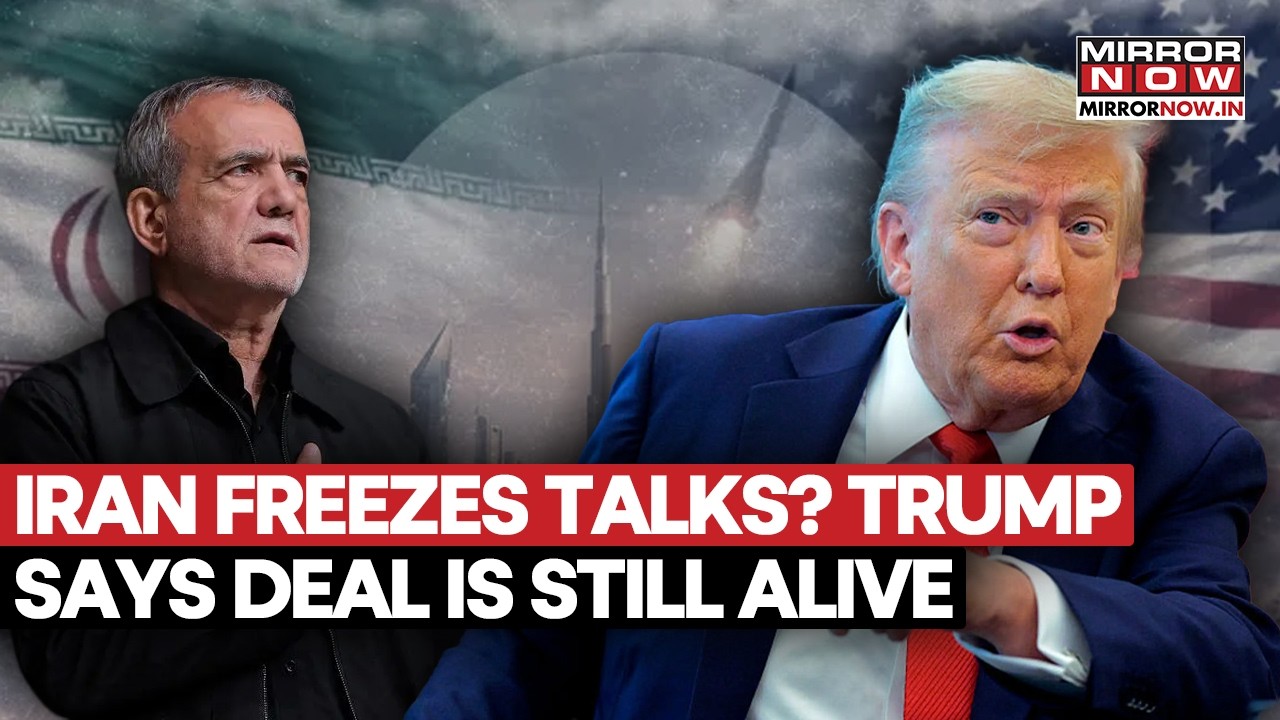
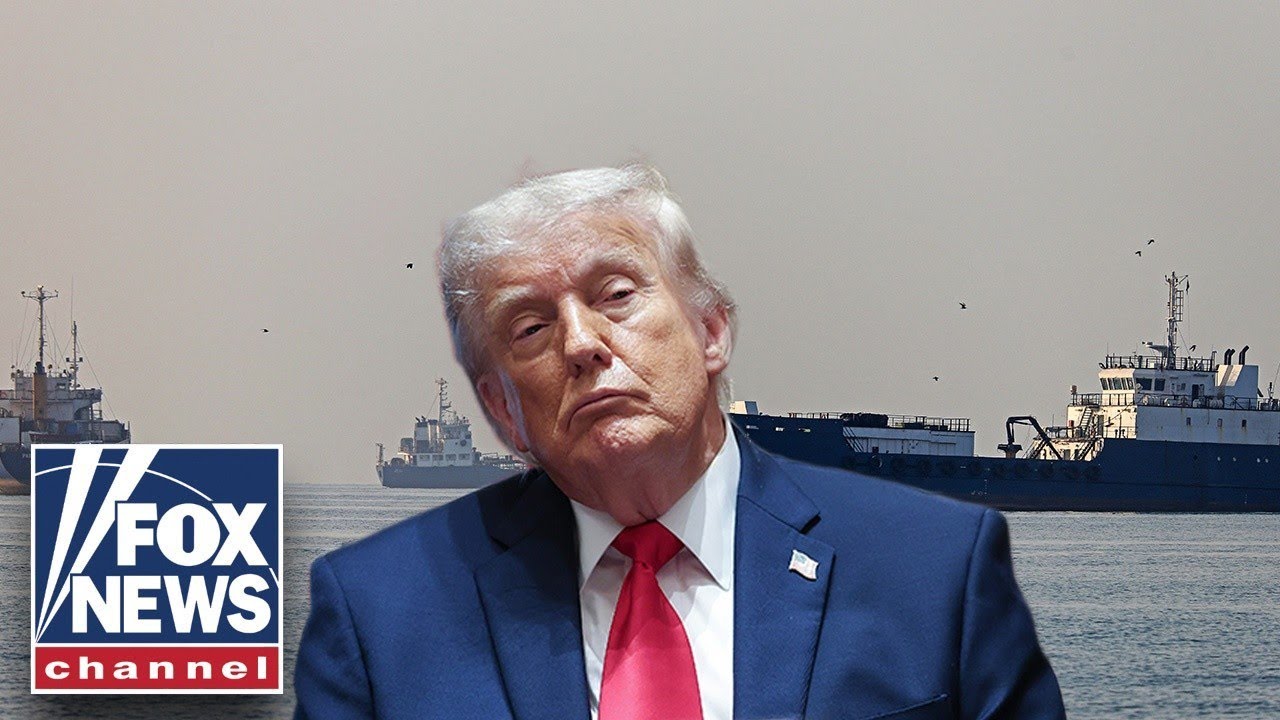
President Trump has launched an ambitious new diplomatic initiative aimed at dramatically reshaping the political architecture of the Middle East, urging leaders of several Arab and Muslim nations to expand the Abraham Accords and formally establish peace agreements with Israel as part of a broader regional settlement following the emerging cease-fire framework with Iran.
According to a detailed Axios report citing two senior United States officials familiar with the high-level discussions, Trump used a Saturday conference call with leaders from across the Middle East and the Muslim world to press for a historic wave of normalization agreements once the current confrontation involving Iran reaches a formal conclusion.
The call, described by Axios as one of the most consequential regional diplomatic conversations of Trump’s current presidency, reportedly included leaders from Saudi Arabia, the United Arab Emirates, Qatar, Pakistan, Turkey, Egypt, Jordan, and Bahrain.
During the conversation, Trump framed the expansion of the Abraham Accords as a central strategic objective for the post-conflict Middle East, arguing that the regional realignment first initiated during his first administration could now evolve into a transformational geopolitical order encompassing much of the Arab and Muslim world.
At the center of Trump’s vision, according to Axios, remains the possibility of a normalization agreement between Israel and Saudi Arabia — long regarded by American and Israeli officials as the crown jewel of Middle Eastern diplomacy.
Yet despite the administration’s optimism, the proposal immediately exposed the immense political and ideological complexities that continue to surround relations between Israel and several major Muslim-majority states.
According to Axios, Trump informed the assembled leaders that nations which had not yet established diplomatic relations with Israel should do so after the Iran conflict concludes.
The request reportedly produced a moment of palpable silence on the call.
Axios cited officials who said leaders from Saudi Arabia, Qatar, and Pakistan appeared visibly surprised by the directness and timing of Trump’s proposal.
“There was a pause on the line,” one United States official familiar with the discussion told Axios.
Trump, according to the report, then attempted to lighten the atmosphere with humor, jokingly asking whether everyone was still present on the call.
Nevertheless, the President reportedly continued pressing forward with the proposal, underscoring what administration officials describe as his belief that the Iran crisis has created a rare strategic opening for an entirely new regional diplomatic framework.
One American official told Axios that several leaders ultimately expressed broad support for Trump’s efforts to secure a deal ending the confrontation with Iran.
“They all said we are with you on this deal,” the official reportedly stated. “And if it doesn’t work, we will be with you too.”
That comment reflected not only support for Trump’s negotiations with Tehran, but also growing anxiety among Gulf states regarding the prospect of prolonged military escalation involving Iran, attacks on critical energy infrastructure, and continued instability surrounding the Strait of Hormuz.
Trump’s diplomatic initiative appears deeply interconnected with the administration’s parallel negotiations concerning Iran’s nuclear program and broader regional security arrangements.
As Axios reported, the President views the potential conclusion of the Iran conflict as an opportunity not merely to reduce tensions temporarily, but to fundamentally restructure the balance of power throughout the Middle East.
The Abraham Accords, first brokered during Trump’s original presidency, normalized relations between Israel and several Arab states, including the United Arab Emirates, Bahrain, Morocco, and Sudan.
At the time, supporters hailed the accords as one of the most significant diplomatic breakthroughs in modern Middle Eastern history, arguing they shattered longstanding assumptions that normalization with Israel could only occur after resolution of the Palestinian issue.
Trump now appears intent on dramatically expanding that framework.
As reported by Axios, the President informed regional leaders that his senior envoys — including Jared Kushner and Steve Witkoff — would continue pursuing discussions regarding normalization agreements in the coming weeks.
Kushner, who played a central role in negotiating the original Abraham Accords, remains closely associated with the administration’s regional diplomatic strategy.
The effort reflects Trump’s longstanding belief that economic integration, strategic partnerships, and shared security interests can ultimately supersede decades of ideological hostility between Israel and portions of the Arab world.
The proposal also highlights the administration’s growing emphasis on Saudi Arabia as the pivotal state capable of transforming the entire regional landscape.
Saudi Crown Prince Mohammed bin Salman has for years been viewed in Washington as potentially open to normalization with Israel under certain conditions.
However, Axios reported that Saudi officials have become significantly more cautious during the past year amid intensifying regional tensions and the continuing war in Gaza.
According to the report, Trump personally raised the issue of Saudi participation in the Abraham Accords during a White House meeting with Mohammed bin Salman last November.
The Saudi Crown Prince reportedly resisted the proposal at the time.
Saudi officials continue insisting that any normalization agreement with Israel must include what they describe as an “irreversible and time-bound path” toward the creation of a Palestinian state — a condition strongly opposed by significant portions of Israel’s current governing coalition.
This divergence remains one of the central obstacles confronting Trump’s regional ambitions.
Israeli and American officials cited by Axios reportedly believe Saudi Arabia is unlikely to make substantial movement toward normalization before Israel’s national elections scheduled for September and before the formation of a new Israeli government.
Those political realities create enormous uncertainty surrounding the timeline and viability of Trump’s initiative.
Nevertheless, administration officials appear determined to maintain momentum.
On Sunday, Trump reinforced the diplomatic campaign publicly through a Truth Social post praising Middle Eastern nations for their “support and cooperation” and expressing optimism that ties throughout the region would deepen through future participation in the Abraham Accords.
Most strikingly, the President also suggested that Iran itself could theoretically join the Abraham Accords at some future stage — an idea that would require the Islamic Republic formally recognizing the State of Israel.
While such a scenario currently appears extraordinarily remote given decades of Iranian hostility toward Israel, the statement underscored the expansive nature of Trump’s broader diplomatic vision.
Supporters of the administration argue that Trump is attempting to engineer a historic geopolitical realignment capable of permanently marginalizing extremist forces throughout the region.
Critics, however, question whether the proposal adequately addresses the profound ideological, political, and religious tensions that continue shaping Middle Eastern politics.
The diplomatic effort has already generated strong reactions inside Washington.
Senator Lindsey Graham, one of Trump’s closest allies on foreign policy issues, enthusiastically endorsed the proposal in a Sunday statement posted on X.
According to Axios, Graham described the potential expansion of the Abraham Accords as one of the most consequential opportunities in modern regional history.
“If Arab and Muslim countries agreed to join the Abraham Accords as part of negotiations to end the conflict with Iran,” Graham reportedly argued, the result could become “one of the most consequential developments in the region’s history.”
Graham also warned regional governments that rejecting Trump’s proposal could significantly affect future relations with the United States.
The senator’s comments reflected the view among many Republican foreign policy hawks that the current regional crisis presents an extraordinary opportunity to consolidate a broad anti-Iranian strategic alliance encompassing Israel and major Sunni Arab powers.
At the same time, substantial skepticism persists both inside and outside the region.
Some analysts question whether normalization efforts can meaningfully advance while the Palestinian issue remains unresolved and anti-Israel sentiment continues intensifying throughout portions of the Arab world.
Others note that domestic political constraints facing leaders in Saudi Arabia, Qatar, Pakistan, and elsewhere could severely limit their willingness to move publicly toward Israel absent dramatic changes on the Palestinian front.
Yet Trump appears convinced that the shifting strategic environment — particularly growing regional concerns regarding Iran’s ambitions — has created unprecedented incentives for cooperation with Israel.
Indeed, the administration reportedly views the Iran negotiations and the Abraham Accords expansion effort as deeply interconnected.
The logic underlying Trump’s approach appears rooted in the belief that a stable post-conflict regional order requires both containing Iran and simultaneously integrating Israel more fully into Middle Eastern political and economic structures.
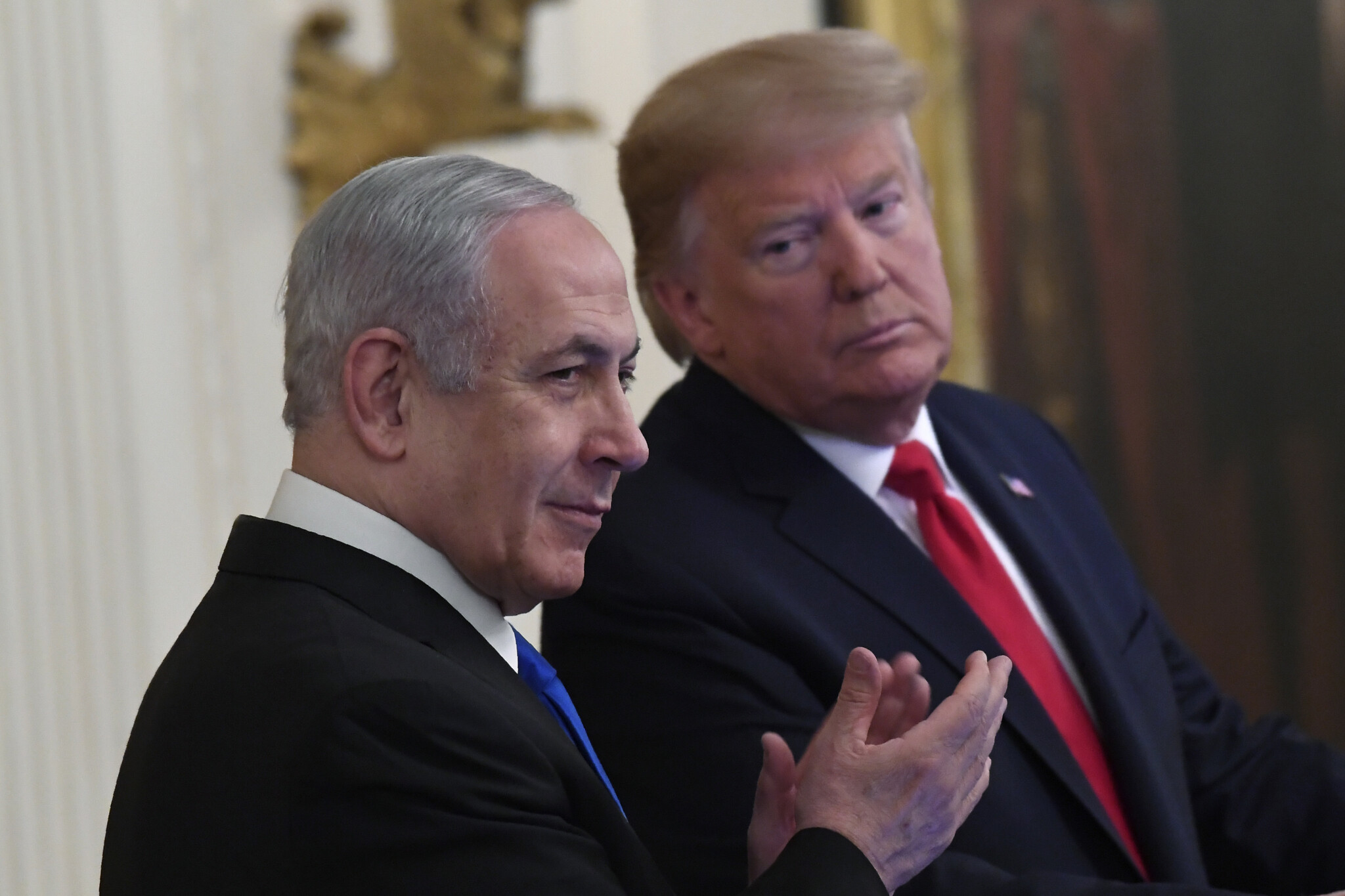
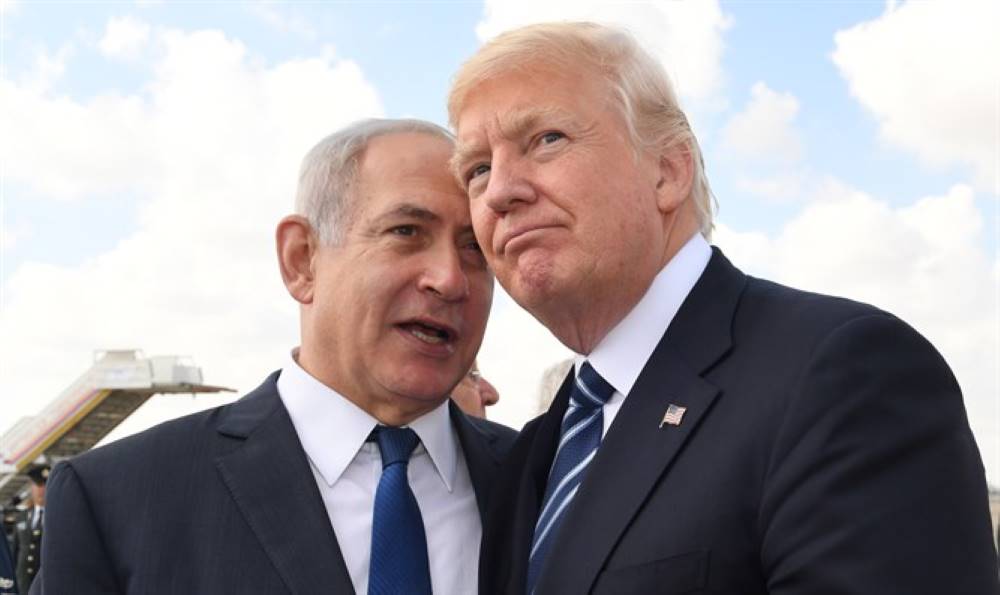
Axios reported that Trump informed the assembled leaders he planned to speak with Israeli Prime Minister Benjamin Netanyahu following the conference call and expressed hope that Netanyahu might eventually participate in a similar regional discussion.
That aspiration itself reflects how dramatically the diplomatic landscape has evolved since Trump’s first term in office.
Just a decade ago, the prospect of Israeli leaders openly engaging in multilateral discussions with Saudi Arabia, Qatar, and other Muslim-majority states would have been almost unimaginable.
Now, despite continuing tensions and political obstacles, such conversations increasingly appear within the realm of serious diplomatic possibility.
Still, major challenges remain.
The war in Gaza, Israeli domestic politics, Palestinian demands for statehood, Iranian regional influence, and competing strategic calculations among Gulf states all continue complicating efforts toward broader normalization.
Furthermore, several governments involved in the discussions must balance strategic interests with deeply sensitive domestic public opinion regarding Israel and the Palestinian issue.
For Trump, however, the moment represents an opportunity to secure what could become one of the defining diplomatic legacies of his presidency.
The administration increasingly appears determined to position the Abraham Accords not merely as isolated bilateral agreements, but as the foundation for an entirely new Middle Eastern political order built around economic cooperation, shared security interests, and collective resistance to Iranian influence.
Whether that vision ultimately materializes remains uncertain.
But according to Axios, Trump has now made unmistakably clear that he views the conclusion of the Iran conflict not as an endpoint, but as the opening chapter in a much broader effort to redraw the strategic map of the Middle East.