







|
Getting your Trinity Audio player ready...
|
By: Fern Sidman
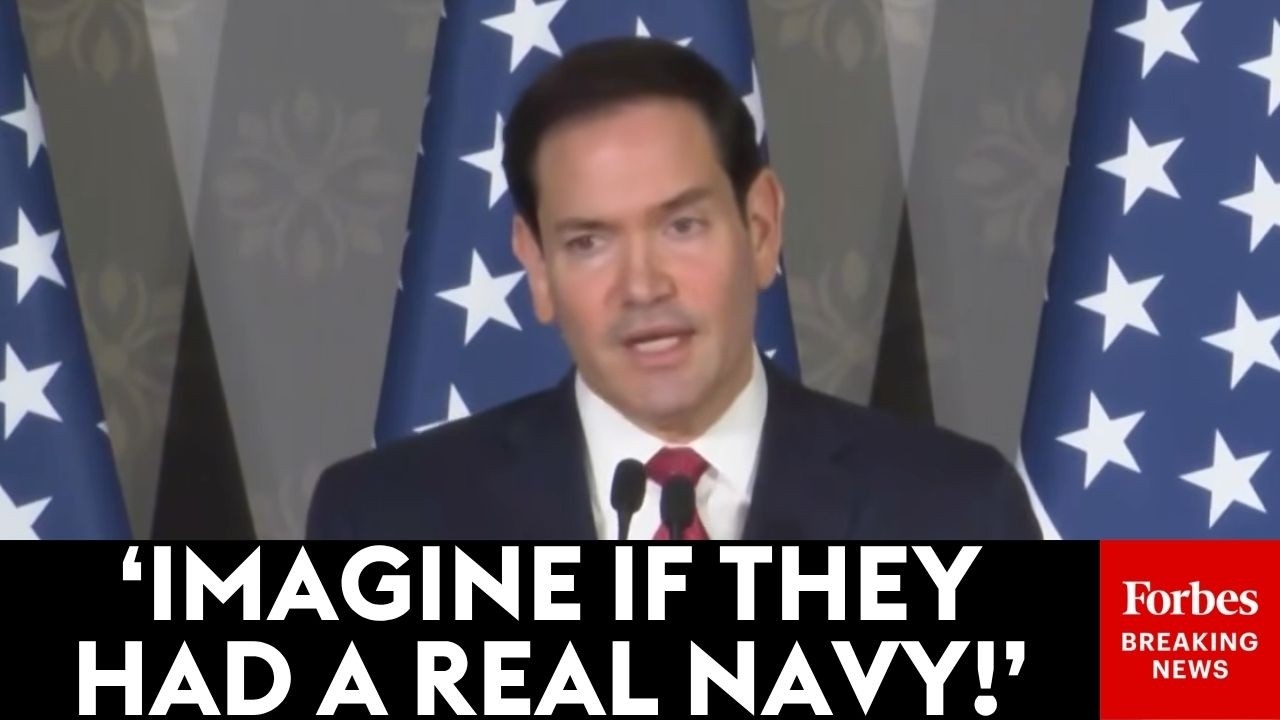
Secretary of State Marco Rubio delivered an unequivocal defense of President Trump’s Iran policy this week, forcefully dismissing allegations that the administration is weakening its posture toward the Islamic Republic and insisting that the United States will never permit Tehran to acquire a nuclear weapon, as reported on Sunday by VIN News.
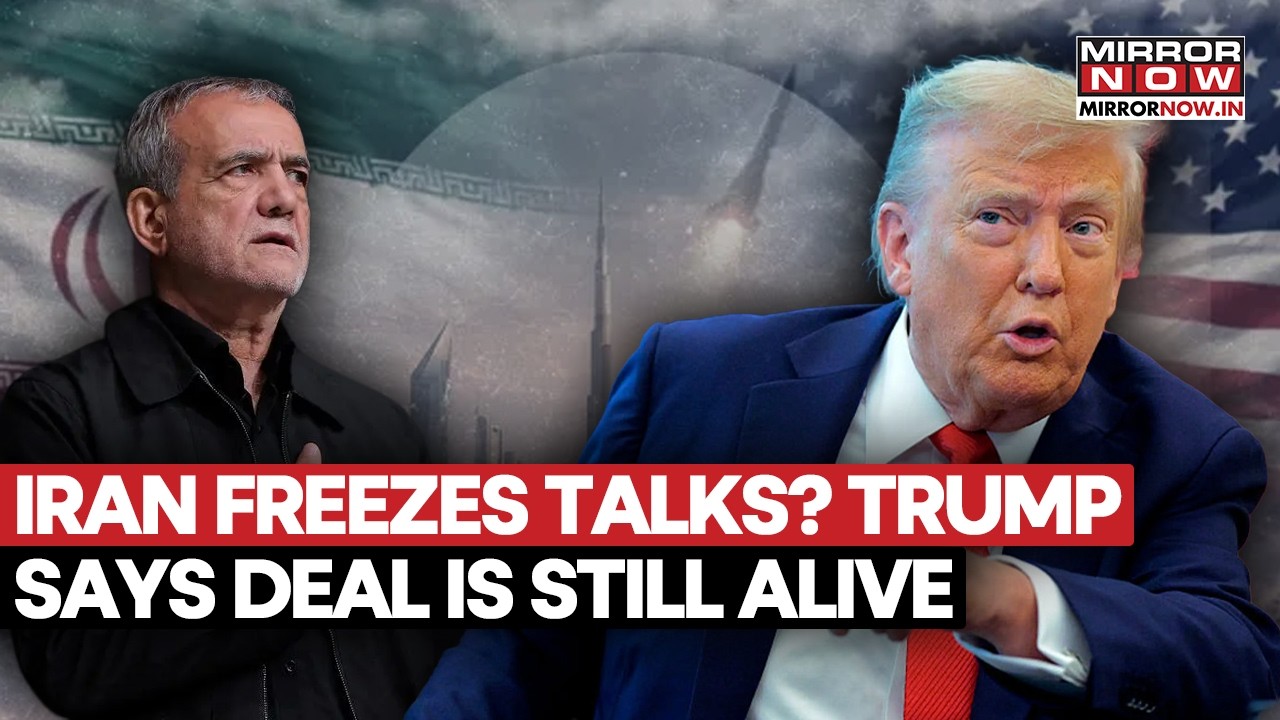
Rubio’s remarks came amid intensifying debate in Washington and across international diplomatic circles regarding ongoing discussions surrounding Iran’s nuclear ambitions, regional instability in the Middle East, and speculation over the possibility of a broader agreement intended to reduce tensions between Tehran and the West.
In comments that reflected both strategic defiance and political certainty, Rubio categorically rejected accusations that President Trump would ever agree to an arrangement strengthening Iran’s nuclear capabilities.
“The idea that somehow this president, given everything he’s already proven he’s willing to do, is going to somehow agree to a deal that ultimately winds up putting Iran in a stronger position when it comes to nuclear ambitions is absurd,” Rubio declared.
“That’s just not going to happen,” he added emphatically.
According to the VIN News report, Rubio’s forceful defense of the administration emerged in response to growing criticism from some conservative national security voices and Iran hawks who fear that diplomatic discussions with Tehran could eventually evolve into concessions resembling previous nuclear agreements negotiated under earlier administrations.
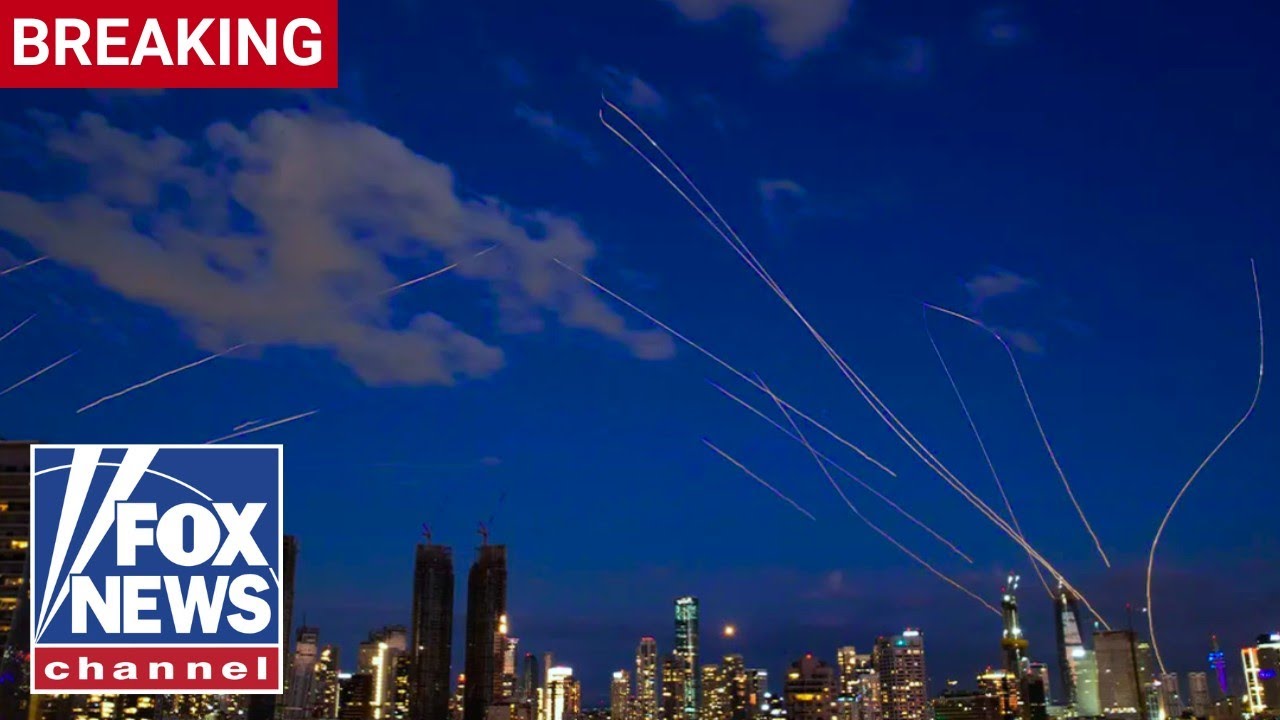
Those concerns have intensified in recent weeks amid reports suggesting that discussions involving regional intermediaries and international negotiators have accelerated following escalating military confrontations involving Iran, Israel, and American strategic interests throughout the Middle East.
Rubio, however, sought to eliminate any ambiguity regarding the administration’s position.
“Iran will never possess a nuclear weapon, certainly not as long as Donald Trump is President of the United States,” Rubio said.
The statement represented one of the clearest and most uncompromising declarations yet from a senior administration official concerning Washington’s strategic red lines regarding Tehran’s nuclear program.
According to the VIN News report, Rubio’s comments were also intended to counter allegations that the administration may be retreating from what some analysts and commentators have described as “Operation Epic Fury,” a term reportedly used in reference to prior American operations and pressure campaigns targeting Iran’s nuclear infrastructure and regional military networks.
Critics of renewed diplomatic engagement with Tehran have warned that any perceived easing of sanctions or military pressure could embolden the Iranian regime, particularly at a moment when regional tensions remain extraordinarily volatile.
Rubio directly challenged those assertions.
Far from portraying the administration as conciliatory, the secretary of state framed President Trump as uniquely willing to employ decisive force when necessary while simultaneously pursuing diplomacy from a position of strength.
Supporters of the administration argue that Trump’s prior actions against Iran demonstrate precisely that approach.
Most notably, they point to the January 2020 drone strike that eliminated Iranian General Qasem Soleimani, the powerful commander of the Islamic Revolutionary Guard Corps’ Quds Force. That operation fundamentally altered regional dynamics and remains one of the defining moments of Trump’s Middle East foreign policy legacy.
Administration allies argue that no president willing to authorize such a strike could credibly be accused of weakness toward Tehran.
Rubio’s remarks appeared carefully calibrated to reinforce precisely that perception.
By emphasizing “everything he’s already proven he’s willing to do,” Rubio was unmistakably invoking Trump’s record of direct confrontation with the Iranian regime.
According to the VIN News report, the secretary’s comments also reflected growing administration sensitivity to criticism emerging from segments of the Republican Party that remain deeply distrustful of any negotiations involving Iran.
For many conservatives, memories of the Obama-era Joint Comprehensive Plan of Action remain politically and strategically traumatic.
Republicans overwhelmingly opposed that agreement, arguing it provided Iran with sanctions relief and economic resources while merely delaying — rather than permanently dismantling — Tehran’s pathway toward nuclear weapons capability.
Trump himself withdrew the United States from the agreement during his first term, describing it as catastrophically flawed and excessively favorable to the Iranian regime.
Now, as new diplomatic efforts reportedly gain traction, administration officials appear eager to reassure skeptics that no comparable arrangement is being contemplated.
Rubio’s rhetoric left little room for uncertainty.
“That’s just not going to happen,” he reiterated.
The secretary’s language also reflected broader concerns regarding Iran’s increasingly advanced nuclear infrastructure.
International monitoring agencies and Western intelligence services have repeatedly warned that Tehran has accumulated highly enriched uranium at levels placing the regime alarmingly close to weapons-grade capability.
Such developments have fueled fears among American allies, particularly Israel and Gulf Arab states, that the region could face a dramatic strategic transformation if Iran crosses the nuclear threshold.
Israeli officials in particular have consistently described a nuclear-armed Iran as an existential threat.
Within that context, Rubio’s comments were likely intended not only for domestic audiences but also for nervous American allies abroad.
VIN News reported that Rubio’s declaration came amid mounting criticism suggesting the administration might be easing pressure on Iran or undermining previous efforts to degrade its nuclear infrastructure.
The secretary rejected that narrative outright.
Instead, he portrayed the administration as firmly committed to preventing Tehran from obtaining nuclear weapons capability under any circumstances.
The issue remains enormously consequential geopolitically.
Iran’s nuclear ambitions have shaped Middle Eastern strategic calculations for more than 2 decades, influencing military alliances, energy markets, intelligence operations, and regional proxy conflicts stretching from Lebanon and Syria to Iraq and Yemen.
American policymakers across multiple administrations have wrestled unsuccessfully with the question of how to permanently halt Tehran’s nuclear program while avoiding catastrophic regional war.
Rubio’s comments suggest the Trump administration believes it can simultaneously maintain diplomatic engagement while preserving overwhelming pressure and deterrence.
Whether such a balance proves sustainable remains uncertain.
Iranian officials have repeatedly insisted that their nuclear program is intended exclusively for peaceful civilian purposes, though Western governments and many independent analysts remain deeply skeptical.
At the same time, Iran continues supporting a network of heavily armed regional proxy organizations, including Hezbollah in Lebanon, Hamas in Gaza, Shiite militias in Iraq, and Houthi forces in Yemen.
Those relationships have intensified concerns among American and Israeli officials that a nuclear-capable Iran would dramatically destabilize the region and embolden anti-Western militant networks.
Rubio’s forceful rhetoric therefore reflects not merely campaign messaging or political positioning, but a broader strategic doctrine emphasizing deterrence through strength.
For supporters of the administration, that doctrine distinguishes Trump sharply from previous presidents whom they accuse of pursuing excessive accommodation with adversarial regimes.
Critics, however, argue that uncompromising rhetoric alone cannot substitute for coherent long-term strategy and warn that escalating pressure could increase the risk of direct military confrontation.
Nonetheless, Rubio appeared determined to project confidence rather than caution.
His remarks conveyed an image of an administration fully aware of the stakes involved and unwilling to tolerate ambiguity regarding America’s strategic intentions.
According to the VIN News report, Rubio’s comments have already reverberated throughout political and diplomatic circles, particularly among pro-Israel organizations and national security conservatives closely monitoring the administration’s handling of Iran.
Many of those groups have repeatedly emphasized that any agreement allowing Iran to retain substantial nuclear infrastructure or enriched uranium stockpiles would be unacceptable.
Rubio’s statements appeared specifically designed to reassure those constituencies.
The secretary’s rhetoric also underscored the central role Iran policy is likely to play in the broader political environment heading into future election cycles.
Trump has long framed himself as uniquely capable of projecting American strength abroad while avoiding prolonged military entanglements.
Rubio’s comments reinforced that narrative by presenting the administration as simultaneously tough, pragmatic, and strategically disciplined.
Whether diplomacy ultimately succeeds or collapses, the administration clearly intends to maintain a public posture of maximum resolve.
As VIN News reported, Rubio left absolutely no doubt about the administration’s official position.
“Iran will never possess a nuclear weapon, certainly not as long as Donald Trump is President of the United States,” he declared.
That statement now stands as one of the administration’s clearest public commitments regarding one of the most dangerous and consequential geopolitical crises confronting the modern world.