























|
Getting your Trinity Audio player ready...
|
Edited by: TJVNews.com
In a development that may well signal a transformative shift in the architecture of American healthcare delivery, labor leaders, medical executives, and public officials gathered in Lower Manhattan to inaugurate what has been described as the largest direct healthcare contract of its kind in the United States. The partnership—linking the 32BJ Health Fund with Northwell Direct, in collaboration with Northwell Health and the Realty Advisory Board on Labor Relations, Inc.—has been hailed by participants as a pioneering model designed to reduce costs, enhance access, and fundamentally recalibrate the relationship between patients, providers, and payers.
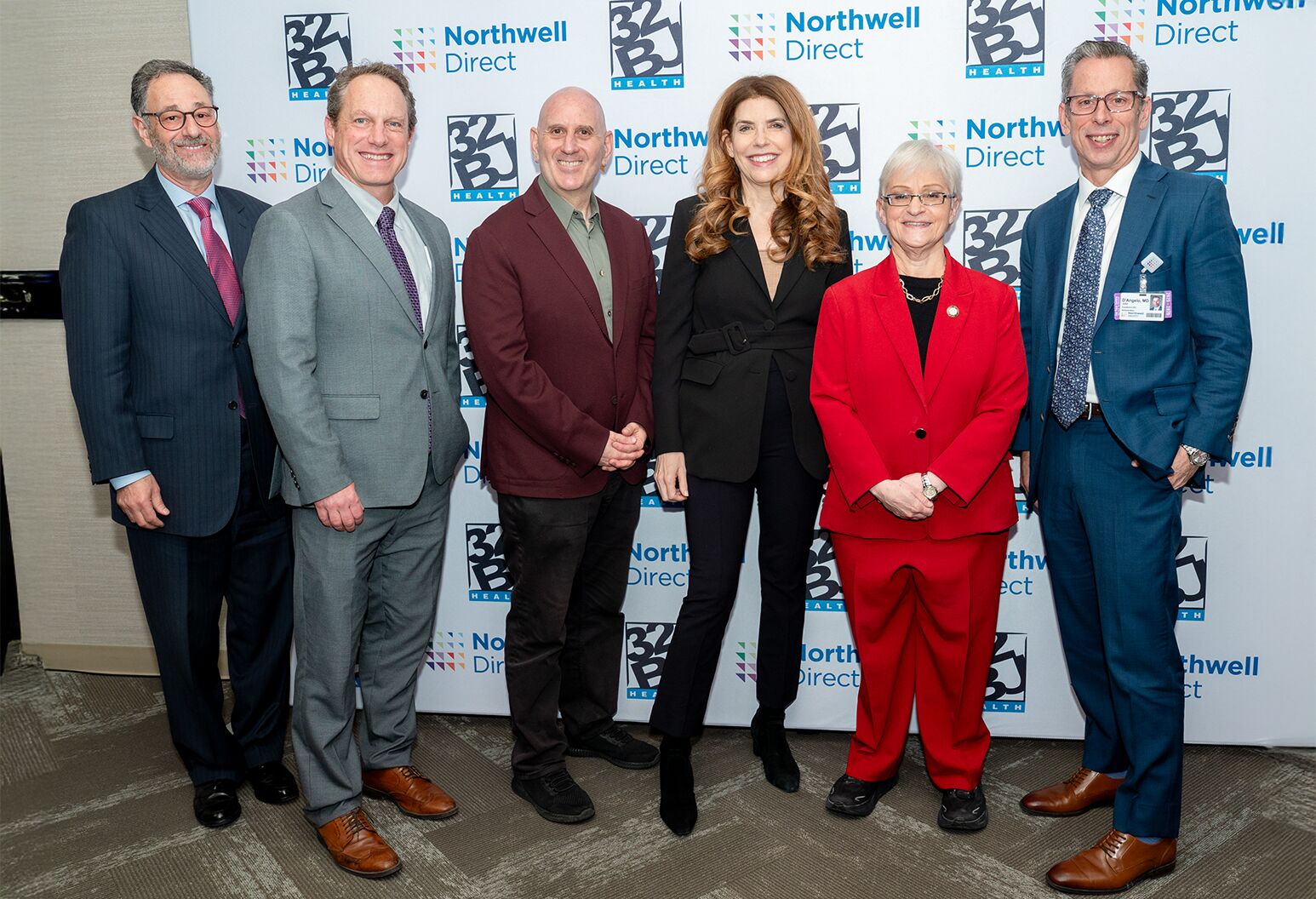
The ceremonial launch, held at Northwell Greenwich Village Hospital, marked not merely the operational commencement of a new contractual framework, but the culmination of a strategic effort to address one of the most persistent challenges confronting working Americans: the escalating cost and complexity of healthcare. At its core, the initiative seeks to streamline care delivery, eliminate bureaucratic inefficiencies, and place patients—particularly union members and their families—at the center of a more responsive and accessible system.
The scope of the partnership is substantial. Through this direct contracting arrangement, members of the 32BJ Health Fund will gain access to an expansive network of approximately 43,000 healthcare providers. Notably, thousands of Northwell-affiliated physicians and facilities will be available at a $0 copay, a feature that underscores the program’s emphasis on affordability. Equally significant are the projected financial implications: the partnership is expected to generate savings of approximately 20 percent for the Health Fund, translating to an estimated $46,000,000 in the first year alone.
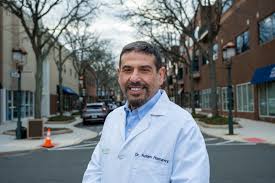
For union leadership, the agreement represents a decisive victory in the ongoing struggle to secure high-quality, affordable healthcare for working families. Manny Pastreich, President of 32BJ SEIU, articulated this perspective with unmistakable clarity.
“This partnership is a major victory for our members and their families,” Pastreich declared. “At a time when healthcare costs continue to rise for working people, we are expanding access to high-quality care while lowering costs and making the system easier to navigate. Our members now have more options, more support and access to thousands of providers at low or no copay. This partnership proves that innovation in healthcare can work for working people.”
Pastreich’s remarks reflect a broader recognition that traditional healthcare models—often characterized by fragmented networks, opaque pricing, and administrative complexity—have struggled to meet the needs of both patients and employers. By contrast, the direct-to-employer model embraced by Northwell Direct seeks to bypass many of these inefficiencies, creating a more streamlined and transparent system.
John D’Angelo, MD, President and Chief Executive Officer of Northwell Health, emphasized the transformative potential of this approach, framing the partnership as a departure from conventional paradigms.
“What we are celebrating today is far bigger than a traditional healthcare agreement,” D’Angelo stated. “This partnership represents a new model for how healthcare can be delivered more efficiently, more transparently and with patients at the center. By working directly together, we are removing unnecessary administrative barriers while expanding access to high-quality care for the people who keep New York running every day.”
The elimination of what D’Angelo described as “unnecessary administrative barriers” is a central feature of the initiative. By reducing the layers of intermediaries that often complicate care delivery, the partnership aims to facilitate more direct and meaningful interactions between patients and providers. This, in turn, is expected to improve care coordination, accelerate treatment timelines, and enhance overall patient outcomes.
Nick Stefanizzi, Chief Executive Officer of Northwell Direct, underscored the broader implications of the initiative, suggesting that it could serve as a template for healthcare reform on a national scale.
“This is what healthcare collaboration should look like,” Stefanizzi remarked. “The Built for Health partnership creates meaningful savings for the Health Fund, expanded access and affordability for members, and a better care delivery experience for providers. What has been built here has the potential to serve as a national blueprint for addressing the affordability crisis facing healthcare systems, employers and workers across the country.”
The notion of a “national blueprint” is particularly noteworthy, as it positions the partnership not merely as a localized innovation, but as a potential model for systemic change. In an era marked by rising healthcare expenditures and growing dissatisfaction with existing frameworks, the success or failure of such initiatives will likely be closely scrutinized by policymakers, industry leaders, and labor organizations alike.
Howard Rothschild, President and Chief Executive Officer of the Realty Advisory Board on Labor Relations, Inc., highlighted the collaborative nature of the agreement, emphasizing the alignment of interests among labor, healthcare providers, and employers.
“The scale and impact of this partnership cannot be overstated,” Rothschild said. “This agreement ensures that our members continue to receive access to world-class healthcare while helping create long-term sustainability for the Health Fund. It represents a shared commitment between labor, healthcare leadership and employers to build a system that better serves workers and families.”
Rothschild’s remarks point to a critical dimension of the initiative: its emphasis on sustainability. By achieving significant cost savings while maintaining—or even enhancing—quality of care, the partnership seeks to address the financial pressures that have increasingly strained both employer-sponsored health plans and public resources.
Public officials in attendance echoed these sentiments, framing the initiative as a timely and necessary response to the challenges facing New York City’s residents. Council Speaker Julie Menin emphasized the urgency of addressing rising healthcare costs, particularly for working families.
“New Yorkers are struggling with rising healthcare costs, so partnerships that expand access and lower costs for working families are incredibly important,” Menin stated. “By bringing together providers and labor in a way that prioritizes affordability, transparency, and quality care, Northwell Direct and the 32BJ Health Fund are creating a model that can make a real difference for workers and their families.”
Council Member Lynn Schulman, Chair of the Health Committee, offered a similarly emphatic endorsement, highlighting the dual focus on affordability and access.
“Affordability and access are the two biggest challenges facing healthcare today, and this partnership tackles both head-on,” Schulman said. “As a co-sponsor of legislation creating the Office of Healthcare Accountability, this collaboration between Northwell Direct and the 32BJ Health Fund is a prime example of how we can deliver a practical, common-sense solution that lowers costs for working families while expanding their care options. Hopefully, this sets the bar for other healthcare institutions.”
Council Member Harvey Epstein further underscored the significance of the initiative’s local roots, noting its potential to influence broader policy discussions.
“I’m proud that this groundbreaking partnership between 32BJ Health Fund and Northwell Direct, the largest direct contracting agreement of its kind in the country, is rooted right here in Lower Manhattan,” Epstein said. “This milestone represents a real solution to rising healthcare costs, lowering costs for 32BJ members while expanding access to quality, coordinated care. It’s an innovative model for healthcare affordability in New York City and one worth applauding and encouraging others to follow.”
Beyond the policy and economic dimensions, the partnership also carries profound implications for individual patients. Sandy Balwan, MD, Chief Medical Officer of Northwell Direct, emphasized the human impact of reducing financial barriers to care.
“As a practicing physician, I see every day how the cost of care weighs on patients’ decisions about whether to seek treatment,” Balwan explained. “This partnership changes that, lowering out-of-pocket costs for 32BJ members and giving them a true guide through their healthcare journey. When you remove that friction, patients get care sooner, and that’s when medicine works best.”
Balwan’s observations highlight a critical but often overlooked aspect of healthcare economics: the extent to which cost considerations influence patient behavior. By reducing or eliminating copayments for a substantial portion of services, the partnership aims to encourage earlier and more consistent engagement with the healthcare system, thereby improving outcomes and reducing the need for more costly interventions.
For members of the 32BJ union, the benefits of the new arrangement are already tangible. Alfreda Simpkins, a long-standing member, offered a personal perspective on the significance of the initiative.
“I’ve been a proud 32BJ member for 25 years,” Simpkins said. “Like a lot of working New Yorkers, I’ve had my share of health challenges. Knowing I can get great care from Northwell doctors and hospitals — especially right here on Long Island — with no copay and someone to help me navigate the system, is a huge relief for my family and me.”
Simpkins’ testimony encapsulates the core promise of the partnership: not merely to reduce costs, but to provide a more humane and navigable healthcare experience. The inclusion of care navigation services, virtual care options, and specialized clinical support is intended to address the often bewildering complexity of modern healthcare, offering patients a clearer and more supportive pathway through the system.
As the partnership moves from launch to implementation, its long-term impact will depend on a range of factors, including patient engagement, provider participation, and the ability to sustain cost savings without compromising quality. Yet, even at this early stage, the initiative has already garnered significant attention as a potential harbinger of broader change.
In a healthcare landscape frequently characterized by fragmentation and inefficiency, the 32BJ–Northwell partnership stands as an ambitious attempt to chart a different course—one defined by collaboration, transparency, and a renewed focus on the needs of patients.
Whether this model can be successfully replicated on a larger scale remains to be seen. However, as the leaders gathered in Greenwich Village made clear, the stakes could hardly be higher. In the words of those who have championed the initiative, the goal is nothing less than to redefine how healthcare is delivered in the United States—transforming a system often criticized for its complexity and cost into one that is more accessible, more efficient, and more equitable for all.



