





























|
Getting your Trinity Audio player ready...
|
The Escalating Cost of Jewish Education: Elite Jewish Day Schools Confront a Tuition Crisis as Families Struggle to Keep Pace
By: Yisroel David
Across the United States and Canada, Jewish day school education has increasingly become one of the most formidable financial obligations confronting Jewish families. What was once viewed as a communal priority accessible to broad segments of the Jewish population has, in many communities, evolved into a staggering economic undertaking that now rivals — and in some cases exceeds — the annual tuition costs of prestigious universities.
As schools release tuition schedules and projected fee structures for the 2026-2027 academic year, a sobering reality has emerged: the cost of Jewish education continues its relentless ascent, placing extraordinary pressure on middle-class and even upper-middle-class households determined to provide their children with intensive Jewish and general studies education.
From New York and New Jersey to California, Florida, Illinois, Maryland, Texas, Massachusetts, Georgia, Pennsylvania, Ohio, and Quebec, tuition at many of the nation’s most prominent Jewish high schools and yeshivot now ranges from approximately $30,000 to more than $55,000 annually before transportation, books, security assessments, lunch programs, technology fees, fundraising obligations, and extracurricular costs are even factored into the equation.
The financial magnitude of this trend has triggered increasingly urgent conversations within the Jewish communal world regarding sustainability, accessibility, philanthropy, and the long-term future of Jewish continuity in North America.
Among the schools reflecting the upper tier of tuition costs is Milken Community School in California, where annual tuition for the 2026-2027 academic year is expected to exceed $55,000. Widely regarded as one of the premier Jewish high schools on the West Coast, Milken has built a reputation for academic rigor, advanced facilities, and extensive extracurricular programming. Administrators and supporters argue that the school’s tuition reflects both the quality of instruction and the extraordinary operational expenses associated with maintaining elite educational standards in Los Angeles.
Similarly, The Ramaz School in New York continues to rank among the most expensive Modern Orthodox educational institutions in the United States, with projected tuition and fees for upper school students approaching or surpassing $60,000 annually. Ramaz, long associated with Manhattan’s affluent Orthodox Jewish community, remains a symbol of academic prestige and intensive Jewish scholarship.
The Leffell School in New York, formerly known as Solomon Schechter School of Westchester, also reflects the broader trend of escalating tuition expenditures. Combined educational costs for high school students are now estimated to exceed $50,000 annually when mandatory fees are included.
In California, Shalhevet High School, YULA High School, de Toledo High School, Valley Torah High School, and Southern California Yeshiva High School all represent institutions grappling with the intersection of educational excellence and economic strain. Tuition at many of these schools now ranges between approximately $35,000 and $50,000 per year depending on grade level and programmatic offerings.
At YULA High School, a flagship Modern Orthodox institution in Los Angeles, families routinely confront annual educational expenditures comparable to private university tuition. School officials frequently emphasize that robust financial aid programs remain central to maintaining accessibility.
Charles E. Smith Jewish Day School in Maryland likewise reflects the intensifying financial pressures facing Jewish educational institutions. Tuition for upper school students has climbed steadily in recent years and now hovers around the upper-$40,000 range. School administrators throughout the Jewish educational landscape have consistently attributed rising costs to security enhancements, faculty salaries, inflationary pressures, technology integration, mental health services, and expanded student support systems.
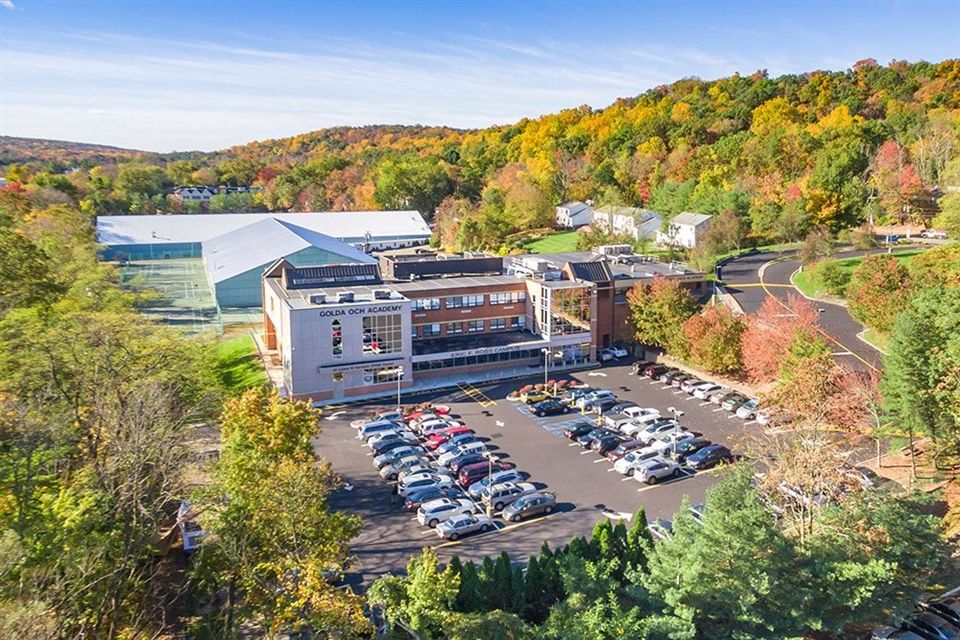
Golda Och Academy in New Jersey remains one of the region’s leading pluralistic Jewish high schools, with tuition estimates for 2026-2027 expected to approach approximately $50,000 annually. Meanwhile, The Frisch School in Paramus, New Jersey — a cornerstone institution within the Modern Orthodox community — now imposes tuition obligations that can exceed $40,000 annually before ancillary expenses.
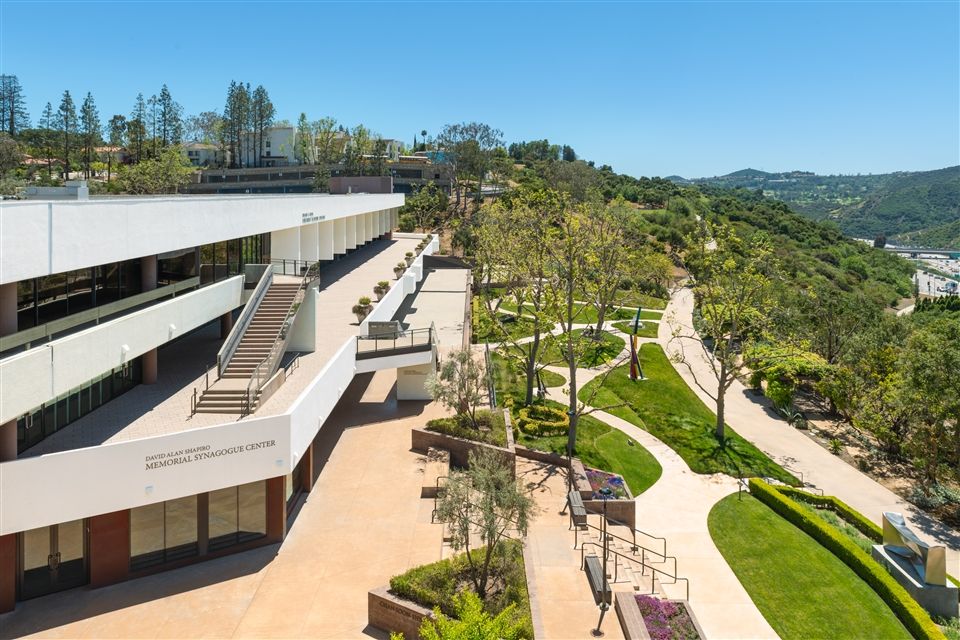
The tuition for the Rochelle Zell Jewish High School in Illinois is approximately $42,000–$46,000.
The tuition for Solomon Schechter School of Manhattan in New York is approximately $48,000–$52,000
The tuition for the SAR Academy and High School in New York is approximately $48,000–$55,000
The tuition for the Schechter Boston school in Massachusetts is approximately $38,000–$44,000
The tuition for the North Shore Hebrew Academy in New York is approximately $32,000–$42,000.
The tuition for the Maimonides School in Massachusetts is approximately $40,000–$47,000
The tuition for the Hebrew Academy of Nassau County in New York is approximately $28,000–$38,000
The tuition for the Valley Torah High School in California is approximately $30,000–$36,000
The tuition for the Donna Klein Jewish Academy in Florida is approximately $33,000–$38,000
The tuition for The Weber School in Georgia is approximately $33,000–$37,000
The tuition for The Torah Academy of Bergen County in New Jersey is approximately $31,000–$36,000
The tuition for the Kohelet Yeshiva in Pennsylvania is approximately $28,000–$35,000
The tuition for the Akiba Yavneh Academy in Texas is approximately $28,000–$34,000
The tuition for the Berman Hebrew Academy in Maryland is approximately $30,000–$38,000
The tuition for the Ida Crown Jewish Academy in Illinois is approximately $25,000–$32,000
The tuition for the Fuchs Mizrachi School in Ohio is approximately $25,000–$34,000
The tuition for the Robert M. Beren Academy in Texas is approximately $24,000–$30,000
The tuition for the Southern California Yeshiva High School in California is approximately $22,000–$28,000
The tuition for the Hillel Academy of Pittsburgh in Pennsylvania is approximately $20,000–$28,000
The tuition for The Katz Yeshiva High School in Florida is approximately $30,000–$38,000
The tuition for the Hebrew Academy of Montreal in Quebec is approximately CAD $18,000–CAD $26,000.
YESHIVAH OF FLATBUSH
The 2026–2027 tuition structure at Yeshivah of Flatbush offers a revealing window into the increasingly formidable economic realities confronting Orthodox Jewish families in Brooklyn. While the school’s published tuition figures already appear substantial, they represent only a fraction of the true annual cost borne by parents. Once a constellation of ancillary expenses—ranging from transportation and books to extracurricular programming and daily student life—are fully accounted for, the financial commitment expands dramatically, often reaching levels that rival elite private education nationwide.
Yeshivah of Flatbush, long regarded as one of the premier Orthodox institutions in New York City, has cultivated a distinguished reputation for its rigorous dual-curriculum model, Hebrew immersion, Zionist ethos, and comprehensive college preparatory track. Serving students from early childhood through Grade 12, the institution occupies a central place within the Sephardic Jewish community. Yet, as school administrators and families alike acknowledge, the cost of sustaining such a multifaceted educational enterprise has escalated significantly in recent years.
For the 2026–2027 academic year, tuition for high school students begins at $44,250 for Grade 9 and rises to $45,750 for Grades 10 through 12. These figures are accompanied by additional mandatory charges, including a $1,500 registration fee per student, a $2,000 family fee, and a $1,200 security fee. Families opting to pay via credit or debit card incur an additional 3% surcharge. While the school emphasizes that financial assistance is available based on demonstrated need, the baseline costs alone underscore the magnitude of the financial undertaking.
Transportation constitutes one of the most immediate and variable expenses. Depending on whether families rely on private bus services, public transportation, or carpool arrangements, annual costs for high school students typically fall between $1,500 and $3,000, with a realistic average of approximately $2,500. For many families in Brooklyn, where commuting distances and logistics can be complex, this expense is both unavoidable and substantial.
Educational materials present another significant outlay. Although some resources are incorporated into tuition, families frequently purchase textbooks, Judaic works, workbooks, and general school supplies independently. These costs, often underestimated, can reach approximately $900 annually per student.
Beyond the classroom, Yeshivah of Flatbush is known for its extensive programming, which includes school trips, Shabbatonim, leadership seminars, and various enrichment initiatives. While these experiences are widely regarded as integral to the educational mission, they carry an additional financial burden. Annual expenditures for such programming can conservatively reach $1,500 per student, though costs may climb higher depending on participation levels.
Yossie Levine video
Extracurricular activities further augment the overall expense. Participation in sports teams, academic clubs, music programs, and other after-school pursuits can cost families an estimated $1,200 annually. For highly engaged students, this figure may be considerably higher.
Technology has emerged as another indispensable yet costly component of modern education. Students are increasingly required to utilize laptops, software platforms, and digital tools, resulting in an estimated annual expense of $750 when accounting for device depreciation, subscriptions, and maintenance. This reflects a broader shift toward technology-driven learning environments, which, while beneficial academically, impose additional financial demands on families.
Daily living expenses within the school environment also contribute to the cumulative cost. Even for families that prepare meals at home, many students purchase lunch or snacks on campus. Over the course of a school year, these expenditures can total approximately $1,200.
When these supplementary costs are aggregated alongside tuition and mandatory fees, the true annual expense becomes strikingly clear. For high school students, the combined cost typically ranges between $58,000 and $65,000 per year.
The financial implications become even more pronounced for households with multiple children. A family with several students enrolled simultaneously may face annual educational expenses approaching $200,000.
Despite these challenges, Yeshivah of Flatbush continues to emphasize the availability of tuition assistance. For many middle-income families, such support has become essential rather than optional. As such, It has been reported that Yeshivah of Flatbush has offered over $15 million in tuition assistance programs for families that qualify.
MAGEN DAVID YESHIVAH
2026–2027: High School Tuition and Mandatory Fees Reveal Full Financial Picture
The newly released 2026–2027 tuition schedule for Magen David Yeshivah provides a detailed and, in many respects, striking portrait of the financial obligations facing families with students in the high school division. While the base tuition figure may initially appear relatively uniform across grade levels, a closer examination of the institution’s comprehensive fee structure reveals a far more substantial total cost of attendance once mandatory charges are incorporated.
For all students in Grades 9 through 12, the published base tuition is set at $25,000 annually. However, as the school’s official schedule makes clear, this figure represents only a portion of the overall financial commitment. The category designated as “other mandatory fees” comprises the majority of the expense and varies by grade level, reflecting the escalating costs associated with advanced programming, academic resources, and institutional operations.
Luz Rose Video
For Grade 9 students, these additional mandatory fees amount to $29,450, bringing the total annual cost to $54,450. In Grade 10, the financial burden rises further, with mandatory fees of $32,450 and a total annual cost of $42,450. The upward trajectory continues in the upper grades, where both Grade 11 and Grade 12 students incur $32,950 in mandatory fees, resulting in a total yearly expense of $42,950 per student.
The institution explicitly notes that these “other mandatory fees” encompass a wide array of educational and operational components, including but not limited to books, academic programs, classroom supplies, maintenance, and related institutional costs. This expansive definition underscores the reality that the majority of the tuition burden is embedded within these supplementary charges rather than the base tuition itself.
Beyond these grade-specific totals, families must also account for a series of additional fixed fees that apply across the student body. A registration fee of $1,500 per student is required upon contract signing, though the school offers a $500 discount for those who complete full registration, including payment and scheduling, by March 10. This incentive structure introduces a modest opportunity for cost reduction, albeit within a narrow timeframe.
Further mandatory charges include an $800 building fund contribution per student, a $1,200 security assessment, and, for students in Grades 4 through 12, a $360 technology fee. When aggregated, these additional costs total $3,860 per high school student, exclusive of the base tuition and previously listed mandatory fees.
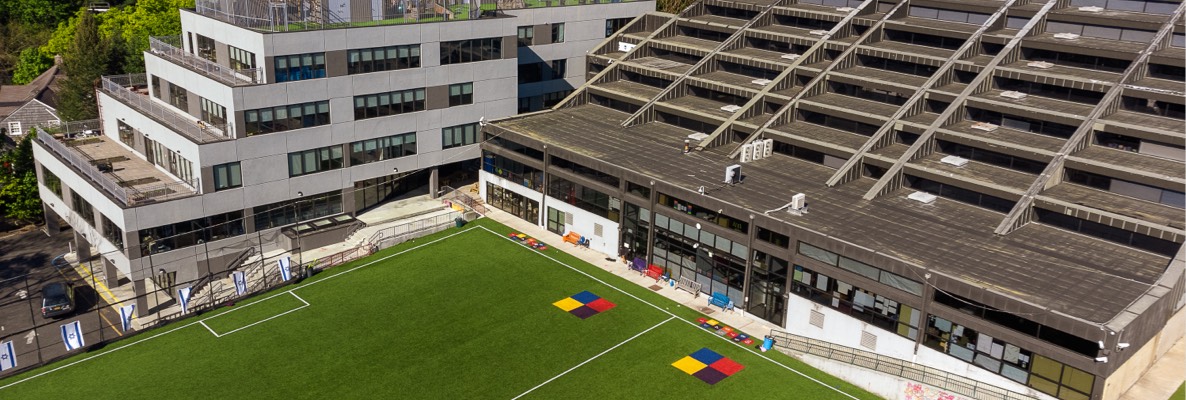
Taken together, the full financial obligation for a high school student at Magen David Yeshivah becomes considerably more substantial than the initial tuition figure might suggest. For example, a Grade 12 student faces a combined cost of approximately $46,810 when factoring in base tuition, mandatory fees, and additional charges, assuming no registration discount is applied. Even with the discount, the overall expense remains firmly above $46,000 annually.
It is also notable that the school provides lunch to all students from pre-playgroup through Grade 8 at no additional charge, though this benefit does not extend to the high school division, where ancillary daily expenses may still arise.
The tuition schedule further emphasizes the institution’s commitment to providing financial assistance to families in need, with awards distributed based on demonstrated financial circumstances.
HILLEL YESHIVA
Hillel Yeshiva, located in Ocean Township, New Jersey, stands as a prominent educational institution within the Sephardic Jewish community of Monmouth County, offering a comprehensive dual curriculum that integrates both general academic studies and rigorous Judaic instruction. As one of the region’s most established Jewish day schools, its tuition structure reflects both the breadth of its educational offerings and the operational demands associated with sustaining a high-caliber academic environment.
Annual tuition at Hillel Yeshiva generally ranges between $15,000 and $25,000, depending on the student’s grade level. While the school does not publicly list a single standardized tuition rate across all divisions, widely reported figures indicate that the upper end of this range—approximately $25,000—represents the cost of enrollment for many students, particularly at the secondary level. In contrast, tuition for younger students in preschool and elementary grades typically falls within a lower band, often ranging from $15,000 to $20,000 annually. This graduated structure reflects both the differing resource requirements across grade levels and a broader effort to align tuition with programmatic intensity.
Founded in 1950, Hillel Yeshiva has grown into a substantial educational institution, currently serving approximately 920 coeducational students from kindergarten through Grade 12. Its longevity and scale have positioned it among the top 20% of private schools in New Jersey, both in terms of enrollment size and institutional history. As a member of the National Society of Hebrew Day Schools, the school adheres to a framework that emphasizes both academic rigor and the preservation of Jewish identity and tradition.
One of the defining features of Hillel Yeshiva is its notably low student–teacher ratio of 6:1, supported by a faculty of approximately 147 educators. This ratio enables a level of individualized attention that is often cited as a distinguishing characteristic of private Jewish education. Such staffing levels, however, also contribute significantly to the overall cost structure, as maintaining a robust and specialized faculty—particularly within a dual-curriculum system—requires substantial financial investment.
At the high school level, the institution offers a diverse array of advanced academic opportunities, including 15 Advanced Placement courses. These programs are designed to prepare students for competitive college admissions and to foster intellectual engagement across a wide range of disciplines. The inclusion of such offerings further underscores the school’s commitment to academic excellence, while simultaneously adding to the operational costs that are ultimately reflected in tuition rates.
Despite these financial realities, Hillel Yeshiva places a strong emphasis on accessibility through its tuition assistance and scholarship programs. The school provides financial aid based on demonstrated need, a policy that has become increasingly essential as the cost of private Jewish education continues to rise. For many families within the community, such assistance serves as a critical mechanism for ensuring that a yeshiva education remains attainable.
In sum, the tuition framework at Hillel Yeshiva encapsulates the broader economic dynamics of contemporary Jewish day school education. While the annual cost—reaching up to $25,000—represents a significant financial commitment, it is inextricably linked to the institution’s expansive academic programming, low student–teacher ratio, and dual curricular mission. For families who choose to enroll, the investment is often viewed not merely as an educational expense, but as a commitment to both academic achievement and the preservation of religious and cultural identity.




1 Comment
Pinchas M Lando
May 19, 2026Interesting that no mention is made of the Yeshiva day schools across the country.