

















The Leaked Iran Memorandum Raises Profound Questions About American Strategy
Few developments in international diplomacy generate more controversy than a sudden shift from military confrontation to negotiated accommodation. If the memorandum of understanding between the United States and Iran reflects the framework currently under discussion, then Americans deserve a serious and transparent debate about its implications, costs, benefits, and strategic consequences.
If the broad outlines of the framework are accurate, critics of the agreement are justified in asking difficult questions about whether the United States is securing meaningful concessions in exchange for potentially significant economic, diplomatic, and strategic concessions of its own.
The central issue is not whether peace is desirable. It is.
The central issue is whether the reported terms represent a durable peace achieved through strength or a temporary pause achieved through concession.
Supporters of the emerging agreement argue that the framework could reduce tensions, reopen critical maritime trade routes, stabilize global energy markets, and create a pathway toward broader negotiations. Those are legitimate objectives. After all, prolonged military conflict carries enormous costs in human lives, economic disruption, and geopolitical uncertainty.
Yet diplomacy should never be evaluated solely on the basis of ending a crisis in the short term. It must also be judged by the incentives it creates for future behavior.
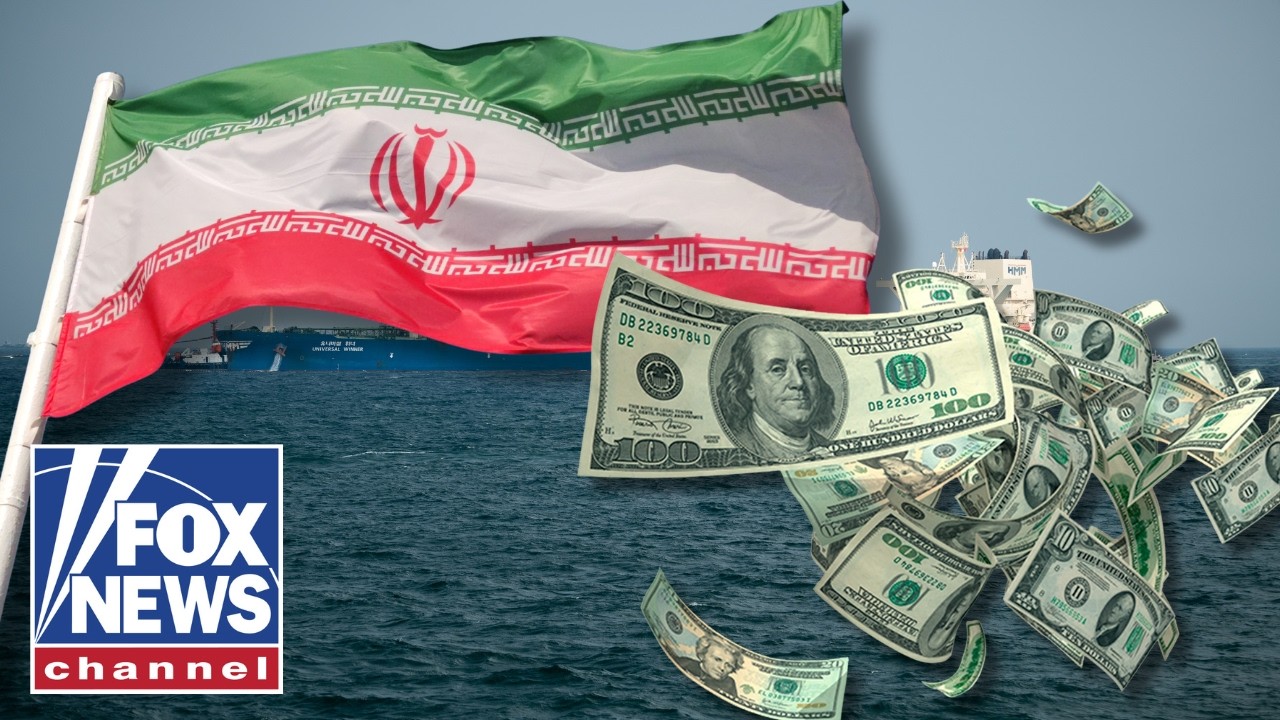
If reports regarding the memorandum prove accurate, one of the most consequential elements would involve sanctions relief and expanded economic access for Iran.
Critics view this as a potentially significant transfer of leverage.
For decades, economic sanctions have represented one of Washington’s principal tools for influencing Iranian behavior. Whether one believes those sanctions have been effective or ineffective, there is little dispute that they have constituted a major source of American bargaining power.
The concern expressed by opponents of the reported agreement is straightforward: once sanctions are lifted and assets are released, that leverage becomes substantially more difficult to reassemble.
Former United Nations Ambassador Nikki Haley articulated a version of this argument when she reportedly criticized the possibility of immediate sanctions relief. “There should be zero sanctions relief day one,” she argued.
Similarly, former Trump adviser Steve Bannon reportedly warned against surrendering economic pressure before a comprehensive agreement has been finalized.
Their concern reflects a broader principle of statecraft: leverage is often most valuable before it is used.
Another issue attracting scrutiny involves reports that the memorandum does not immediately resolve the question of Iran’s enriched uranium stockpiles. Supporters of the framework argue that such matters are intended to be addressed in subsequent negotiations. Critics counter that postponing difficult questions can create incentives for future delay and ambiguity.
If the objective is to ensure long-term stability, skeptics argue, then clarity regarding nuclear issues should be among the earliest achievements rather than among the final subjects left for later discussion.
To be fair, diplomacy frequently unfolds in stages. Major agreements are rarely achieved in a single negotiation. Interim frameworks, confidence-building measures, and phased implementation schedules are common features of international diplomacy.
Nevertheless, the question remains whether the current framework, as reported, provides sufficient guarantees to justify the concessions being contemplated.
Perhaps the most politically sensitive issue concerns reports that the United States and its partners may eventually participate in large-scale economic development initiatives involving Iran. Some accounts have suggested reconstruction and development figures reaching into the hundreds of billions of dollars. Whether those figures ultimately prove accurate remains uncertain. Yet the political symbolism is unmistakable.
Many Americans would understandably ask why a country that recently stood on the brink of major military confrontation should become the recipient of substantial international economic investment. Supporters respond that economic integration can reduce future conflict. Critics respond that economic integration without adequate safeguards can strengthen adversaries rather than moderate them.
History offers examples supporting both perspectives. That is precisely why the issue deserves rigorous public scrutiny rather than slogans.
Another aspect of the debate involves the broader strategic message being sent to allies and adversaries alike.
For decades, American foreign policy has relied heavily upon credibility. Allies need confidence that American commitments will endure. Adversaries need confidence that American warnings carry weight. The challenge facing any administration is balancing flexibility in negotiations with consistency in strategic messaging.
If major concessions are perceived as occurring without corresponding achievements, critics fear that future adversaries may conclude that sufficient pressure can compel Washington to compromise.
Supporters of the agreement reject that interpretation. They argue that preventing war, lowering energy prices, restoring maritime commerce, and reducing regional instability are themselves strategic achievements. From that perspective, diplomacy should not be judged by how much pressure is maintained but by whether national interests are advanced.
That argument deserves consideration. After all, successful foreign policy is not measured by the volume of sanctions imposed or military assets deployed. It is measured by outcomes.
The challenge is determining whether the outcomes promised by this framework are likely to materialize. The domestic political implications are equally significant.
The emerging debate has revealed divisions within conservative circles that are often obscured during periods of partisan unity. One faction emphasizes restraint, economic stability, and avoiding prolonged military commitments.
Another emphasizes leverage, deterrence, and maintaining maximum pressure until broader objectives are achieved. These divisions are not new. They have existed within American foreign policy debates for decades. What makes the current moment unusual is that they are unfolding within a coalition broadly supportive of President Trump.
The administration therefore faces a difficult task. It must persuade skeptics that the agreement strengthens rather than weakens America’s strategic position. It must demonstrate that any sanctions relief produces measurable reciprocal benefits.
It must show that future negotiations will address unresolved concerns rather than merely postpone them. Most importantly, it must explain why the agreement serves long-term American interests rather than simply resolving an immediate crisis.
Transparency will be essential.
The longer the public debate relies upon leaks, rumors, partial disclosures, and competing interpretations, the more difficult it becomes to build confidence in the outcome.
Congress deserves access to the details. The American public deserves access to the details. International partners deserve clarity regarding implementation.
Diplomatic agreements endure not because leaders declare them successful but because they withstand scrutiny. Supporters of the memorandum may ultimately prove correct.
Perhaps the agreement will reduce tensions, strengthen economic stability, and create a foundation for lasting peace. History contains examples of diplomatic breakthroughs that initially faced widespread skepticism.
Yet critics also raise legitimate concerns. The questions they are asking are not unreasonable.
What exactly is being conceded? What exactly is being gained? How will compliance be verified?
What happens if negotiations stall? What leverage remains available if commitments are not honored? Those questions should not be dismissed as partisan attacks. They are the fundamental questions that accompany every consequential diplomatic agreement.
If the memorandum ultimately becomes a formal accord, it may prove to be an important achievement. Or it may become an example of the dangers associated with granting major concessions before obtaining lasting guarantees.
At this moment, the answer remains uncertain. What is certain is that the stakes are enormous. The agreement, if finalized, would influence not only U.S.-Iran relations but also energy markets, regional security, nuclear diplomacy, alliance structures, and the broader balance of power in the Middle East. That reality demands something more serious than celebration or condemnation. It demands transparency, scrutiny, and an honest national debate.
Before Americans are asked to embrace the agreement, they deserve to know exactly what it contains—and exactly what it will cost.



