




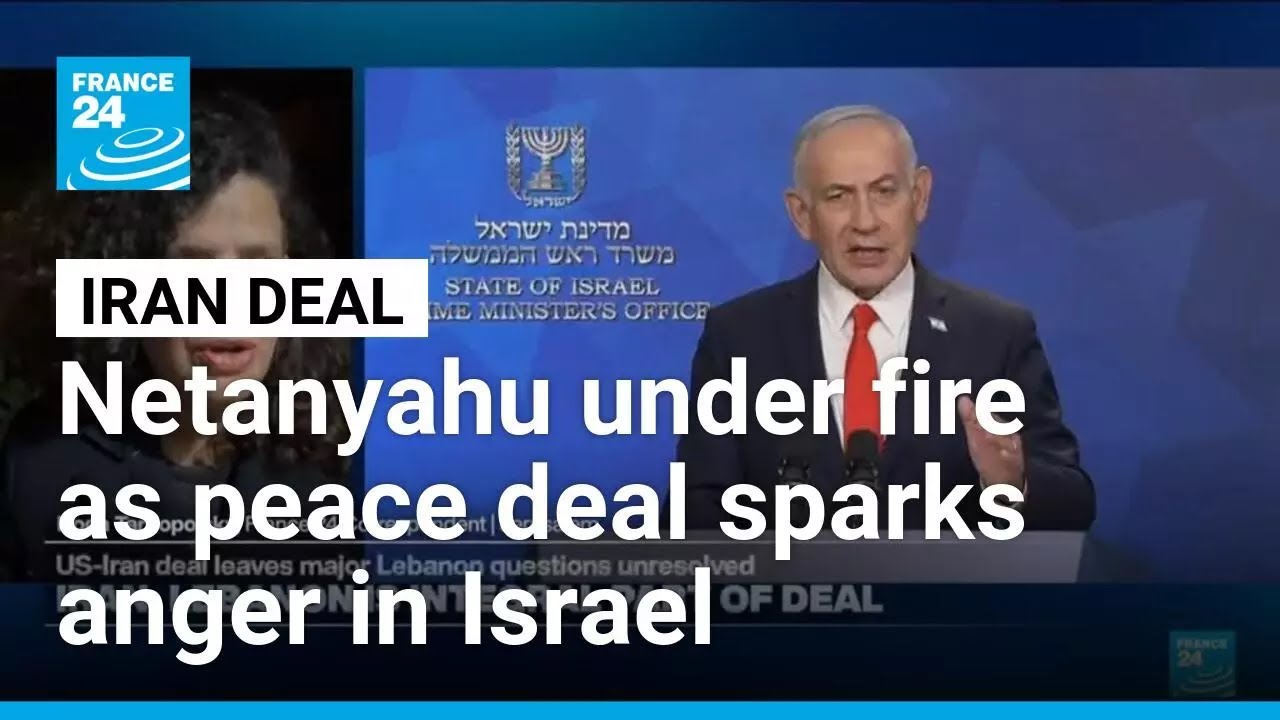
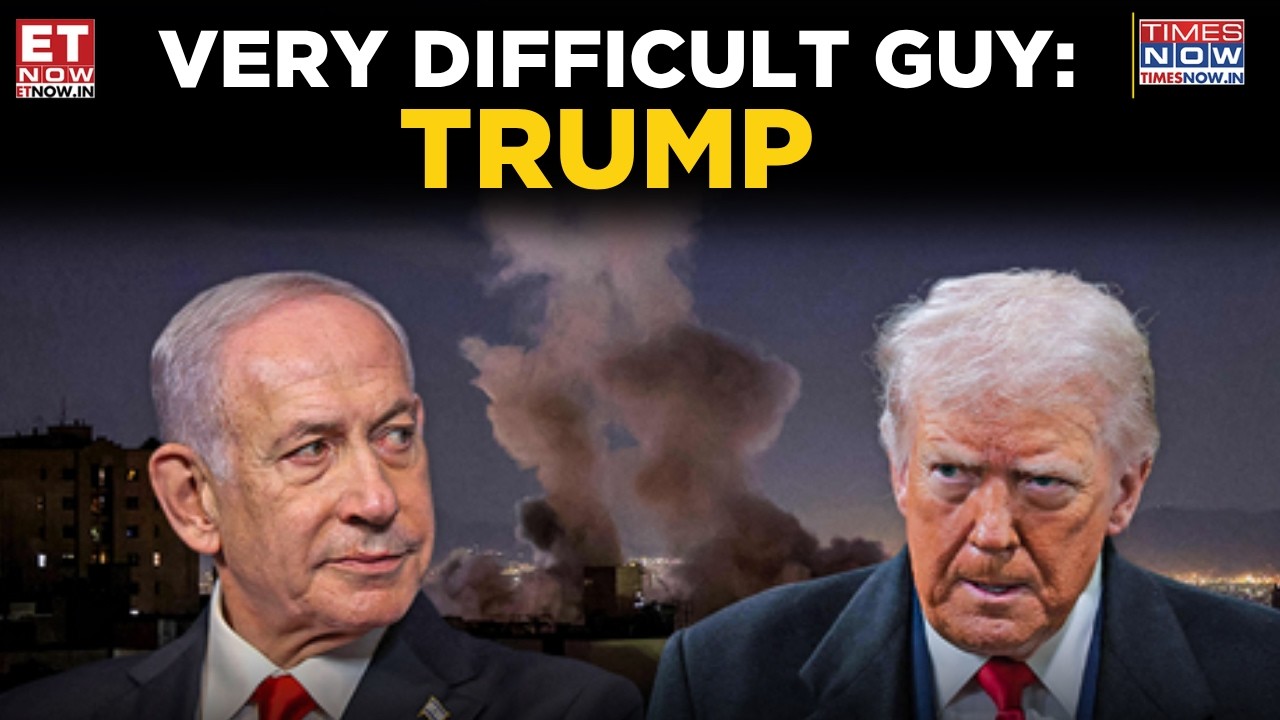



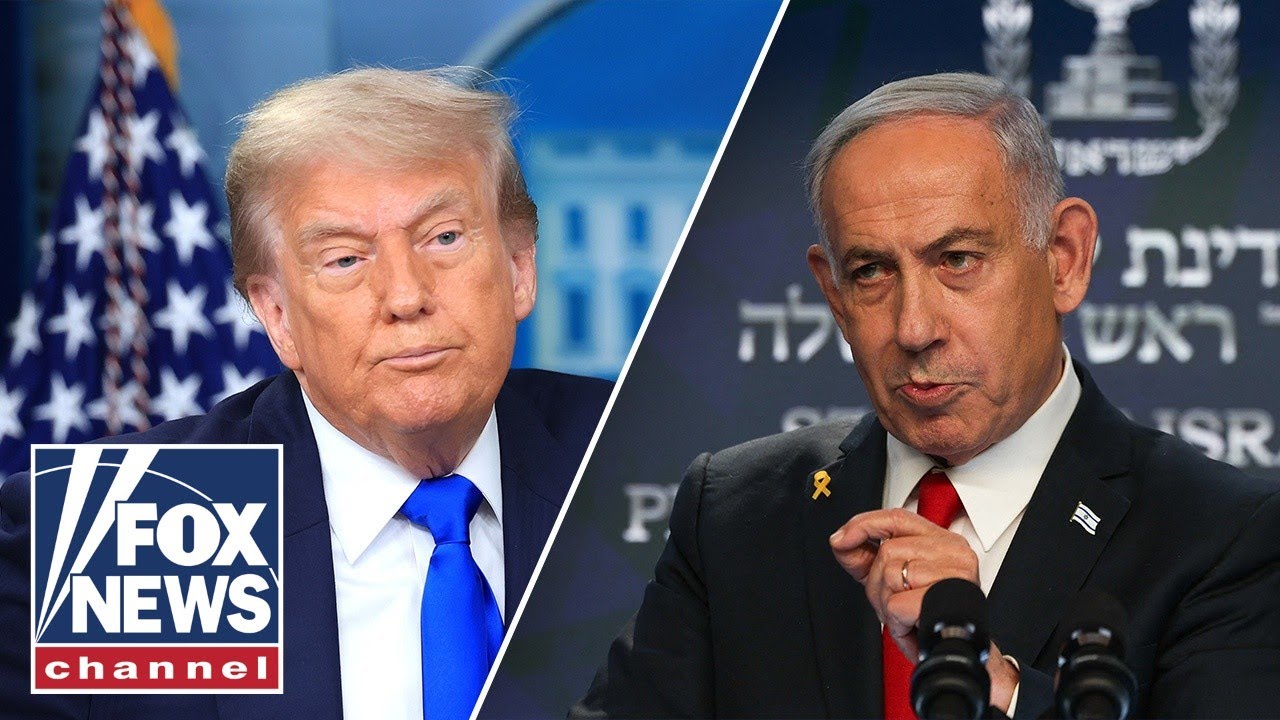












(AP) — Israelis from across the political spectrum reacted angrily Monday to the news of an initial deal between the U.S. and Iran, calling it a disaster for Israel and directing their fury at one man: Prime Minister Benjamin Netanyahu.
As of early Monday evening, Netanyahu had yet to release a statement about the deal between the U.S. and Iran that extend their tenuous ceasefire and lead to the reopening of the Strait of Hormuz. But other Israeli government officials, rivals, politicians and commentators were quick to criticize the deal, marking a sort of informal referendum on the premier’s tenure ahead of elections this fall.
Critics say the prime minister led President Donald Trump into the war with Iran while overpromising what it could achieve, and Trump now might be dragging Israel out of the conflict before it feels ready. They say Netanyahu misjudged Trump’s appetite for a protracted conflict, was outflanked by Iran in negotiations and grew increasingly sidelined by the region’s other major players.
“Israel is paying the price of Netanyahu’s hubris and blindness, and the price of the manipulations that he tried to pull on Trump,” former Prime Minister and Netanyahu rival Ehud Barak said in an interview with Israel’s public broadcaster Monday. “Iran emerged stronger; Israel emerged weaker. That is Netanyahu’s strategic responsibility. He failed.”
“It can be fixed, it must be fixed,” he wrote. “Netanyahu can no longer fix it, we will do it.”
Iran deal could hamper Israel’s operation in Lebanon
Even though Israel isn’t party to the deal, it finds itself in something of a quagmire, in part because it invaded southern Lebanon after Iran-backed Hezbollah fired missiles at northern Israeli towns during the first week of the war.
As negotiations progressed and Trump increasingly sought a way out of war, he grew furious over Israel’s strikes in Beirut, warning they could jeopardize an agreement. In the end, the president decided to end the Iran conflict, even if it curtailed Israel’s options in Lebanon.
That has left Netanyahu in a precarious situation. His relationship with Trump may require downscaling a military campaign in Lebanon that is widely popular in Israel.
“It’s going to be very hard to resist that,” Shapiro said. “And that gives a lot of power to control this dynamic to Hezbollah, and essentially to Iran.”
Indeed, some of the more hawkish members of Netanyahu’s ruling coalition have slammed the new deal and urged the prime minister to continue the Lebanon campaign, even if it upsets the U.S. and risks scuttling the agreement.
In Lebanon, the deal left the future of Israel’s campaign uncertain. But in Iran, the deal tied Netanyahu’s hands before he met his war goals.
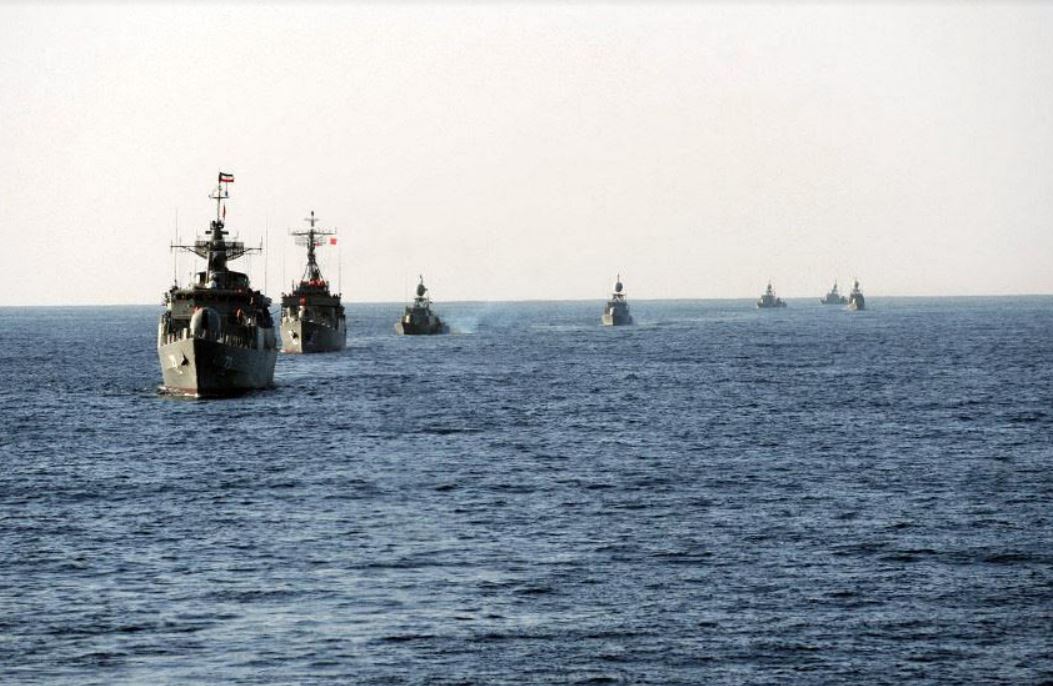
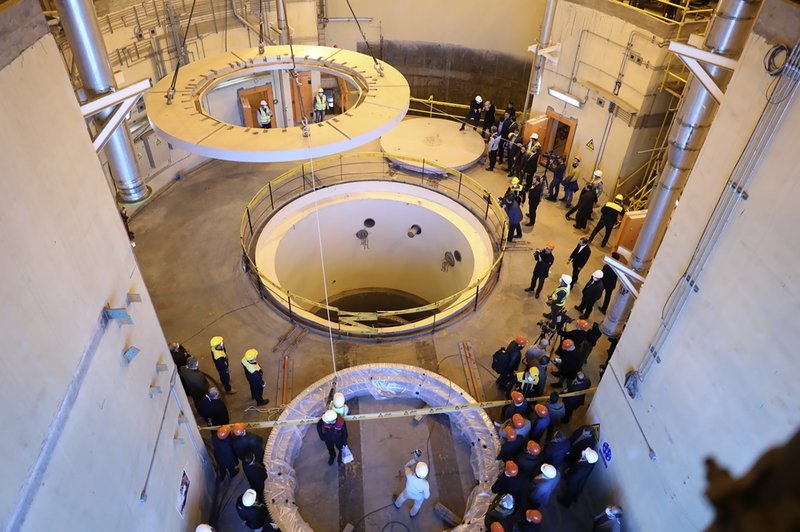
Tehran has been able to exert control over the Strait of Hormuz, one of the world’s most important waterways, choking global trade and driving up prices for basic needs worldwide. It is also unclear how much damage was done to Iran’s nuclear infrastructure and ballistic missile program.
“Israel believes that the war delayed the Iranian nuclear program, but did not change its objectives,” political commentator Anna Barsky wrote for Ma’ariv, a major Hebrew daily newspaper. She said Israeli officials are also worried that under its deal with the U.S., Iran could receive a major influx of cash.
“Trump signs an agreement that funnels billions to the Ayatollahs’ regime, leaves the nuclear infrastructure intact, preserves the ballistic threat as is, and throws a lifeline to the murderous regime in Tehran,” Yair Golan, center-left party leader and former general, posted on X.



