










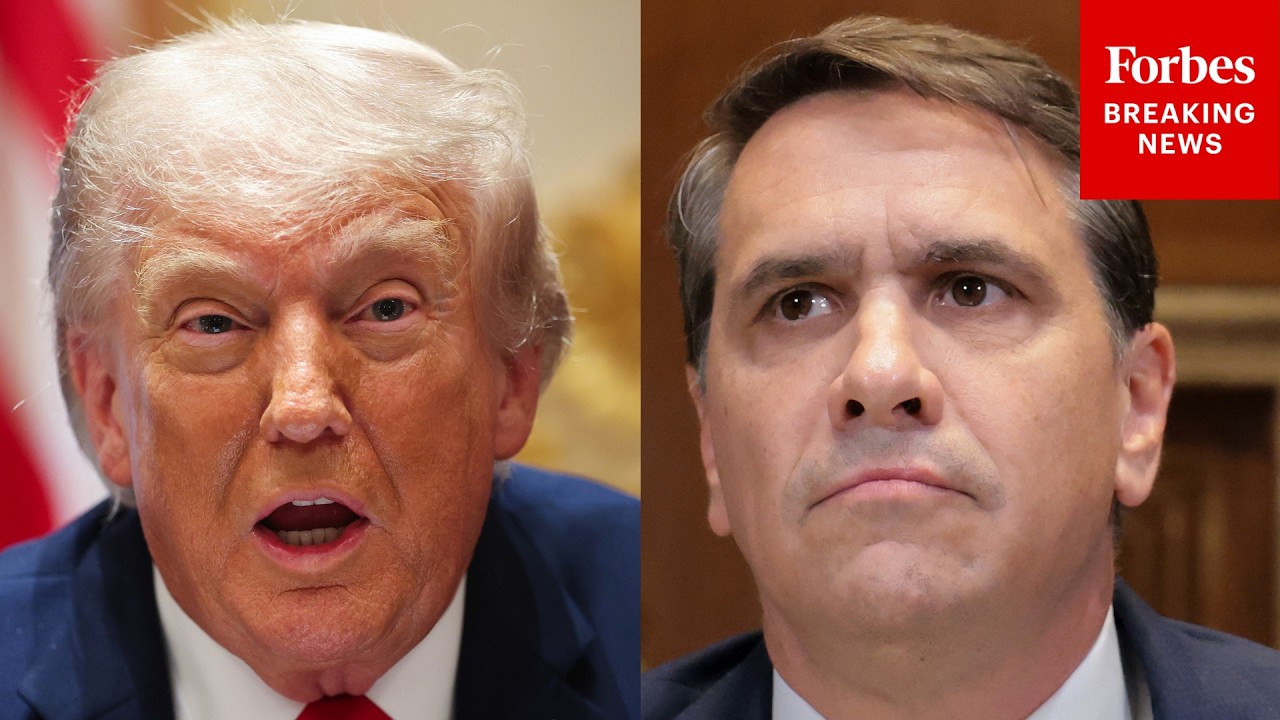








(TJV NEWS) President Donald Trump announced that Iran has agreed to reopen the Strait of Hormuz under a 60-day toll-free transit period, marking a major breakthrough in efforts to restore global shipping through one of the world’s most critical energy corridors.
The announcement comes as hundreds of commercial vessels remain stranded or delayed in the Persian Gulf, waiting for safe passage through the strait, which handles roughly 20% of global oil and liquefied natural gas shipments.
Trump said the agreement forms part of a broader U.S.-Iran ceasefire framework aimed at ending months of conflict and restoring maritime traffic, according to reporting across multiple outlets including The Guardian and Axios.
Trump: Iran to allow free passage for 60 days before fee system begins
Under the terms described by Trump and detailed in international reporting, Iran will allow ships to pass through Hormuz without paying transit fees for 60 days, while technical and security arrangements are finalized.
After that initial period, Tehran is expected to implement a formal fee-based system for passage, with earlier diplomatic reports indicating charges could be structured per shipment or per barrel of oil transported. Reuters has previously reported Iranian officials describing future charges as “service fees” tied to maritime management and security operations rather than traditional tolls.
The phased approach is intended to gradually restore shipping flows while negotiations continue over long-term governance of the strait.
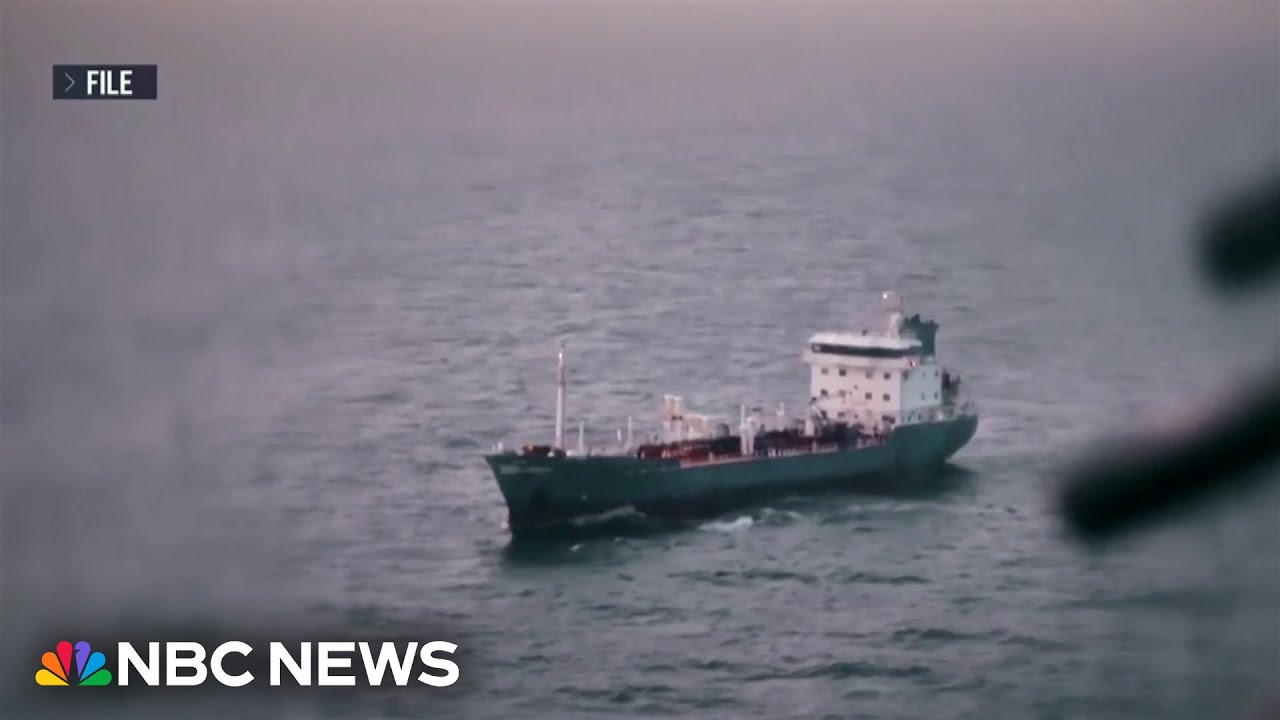
Hundreds of ships still stuck in Persian Gulf limbo
Despite the diplomatic breakthrough, shipping through the Strait of Hormuz has not fully resumed.
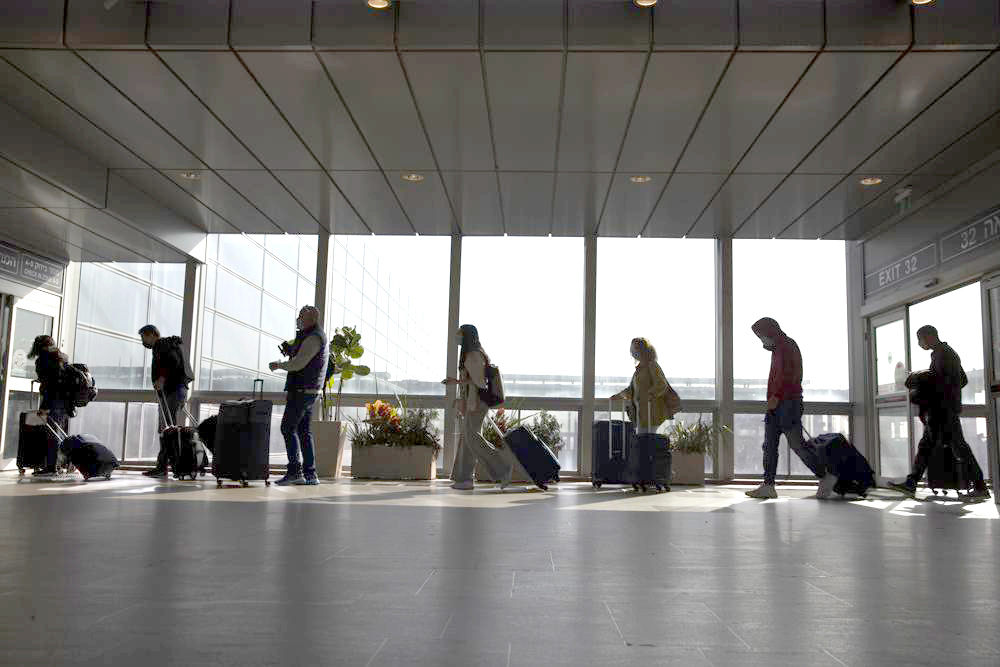
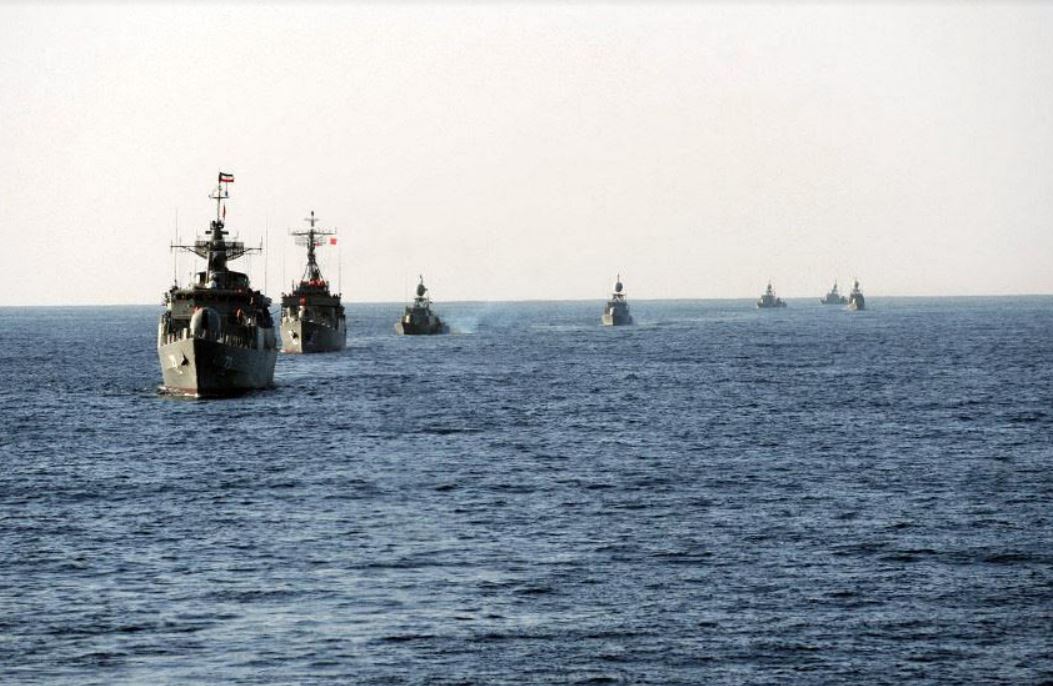
Industry and shipping intelligence reports cited in multiple outlets indicate that hundreds of vessels—including oil tankers and cargo ships—remain waiting in or near the Gulf, unable to safely transit due to lingering security concerns, mine risks, and insurance restrictions.
Reuters and AP reporting note that even with the ceasefire agreement in place, maritime insurers and ship operators remain cautious, and full normalization could take weeks or longer depending on security verification and clearance operations.
Trump frames deal as key breakthrough in ending Iran conflict
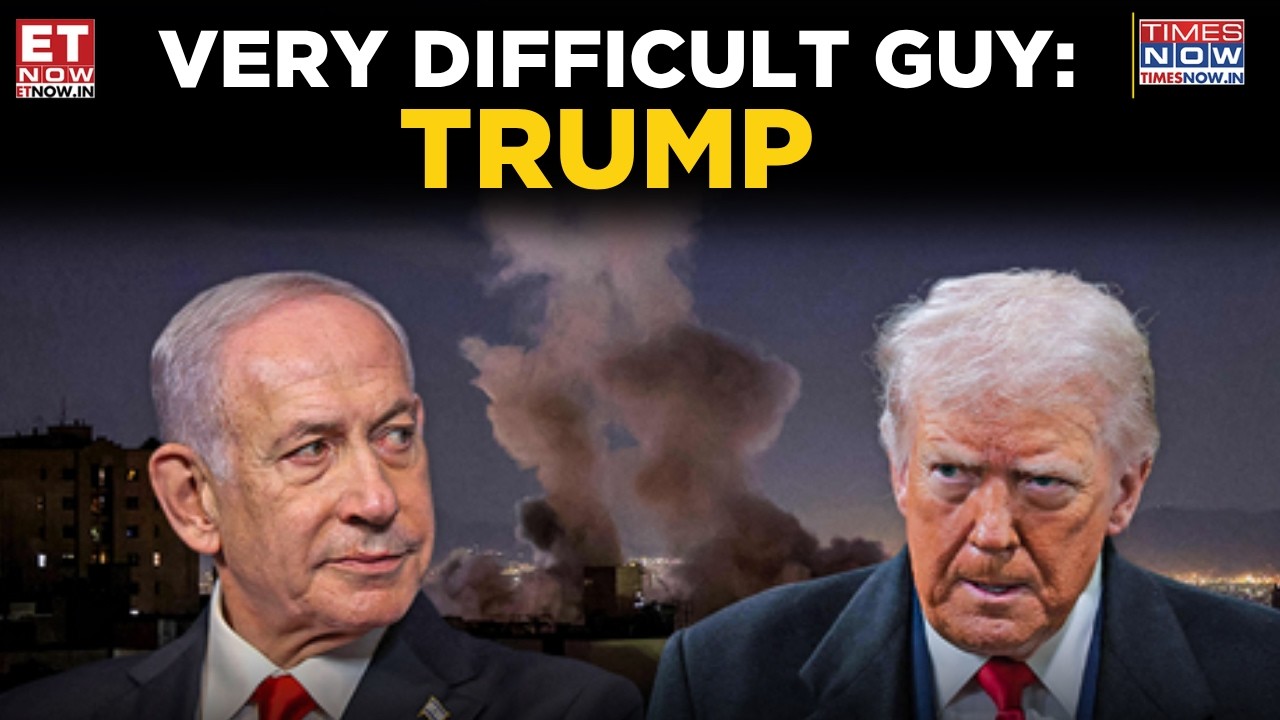
Trump has portrayed the agreement as part of a broader diplomatic push to end hostilities with Iran and reopen global trade routes disrupted during months of conflict.
The deal reportedly includes:
- A 60-day ceasefire framework
- Phased reopening of the Strait of Hormuz
- Negotiations on nuclear-related issues
- Potential sanctions relief and frozen asset discussions
According to Axios and The Guardian, the agreement was signed as a memorandum of understanding involving U.S. and Iranian officials, with additional international mediation.
Oil markets react sharply to reopening announcement
Global energy markets responded immediately to Trump’s announcement, with oil prices falling on expectations that shipping flows could normalize.
The NY Post reported that Brent crude and WTI both dropped sharply, while U.S. equities surged on hopes of restored global supply chains.
Analysts say the Strait of Hormuz—long considered the world’s most sensitive oil chokepoint—remains a key driver of global price volatility, and even partial reopening has significant market impact.
Strategic waterway still fragile despite agreement
While the announcement marks a major diplomatic shift, significant uncertainties remain.
Key unresolved issues include:
- Long-term control and governance of the strait
- Whether Iran or a joint authority manages transit
- Enforcement of maritime security and mine clearance
- Transition from toll-free access to fee-based shipping
- Insurance and risk assessments for global carriers
Reuters and other analysts warn that the agreement, while stabilizing in the short term, does not fully resolve underlying geopolitical tensions in the region.
Bottom line
Trump’s announcement of a 60-day toll-free transit period through the Strait of Hormuz signals one of the most significant steps yet toward reopening global shipping lanes disrupted by conflict.
But with hundreds of ships still stranded and major security questions unresolved, the world’s most important oil chokepoint remains in a cautious and incomplete recovery phase rather than a full return to normal operations.



