



















By: Chaya Abecassis
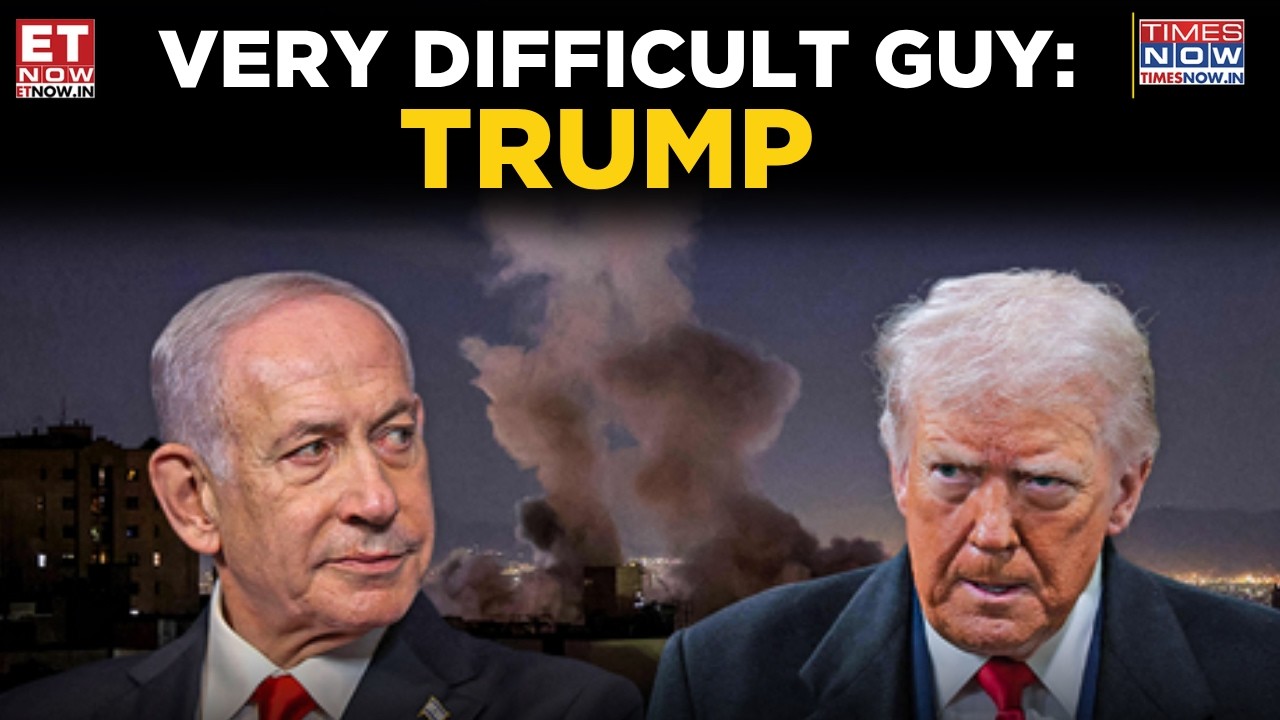
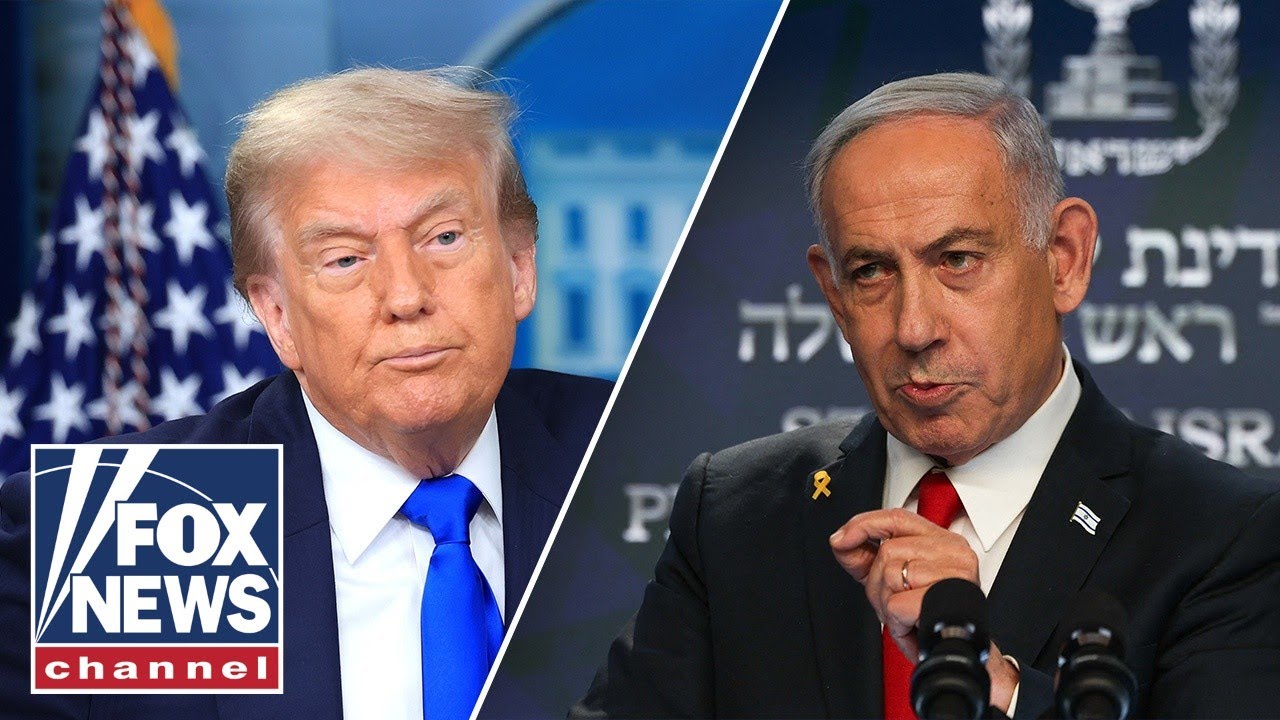
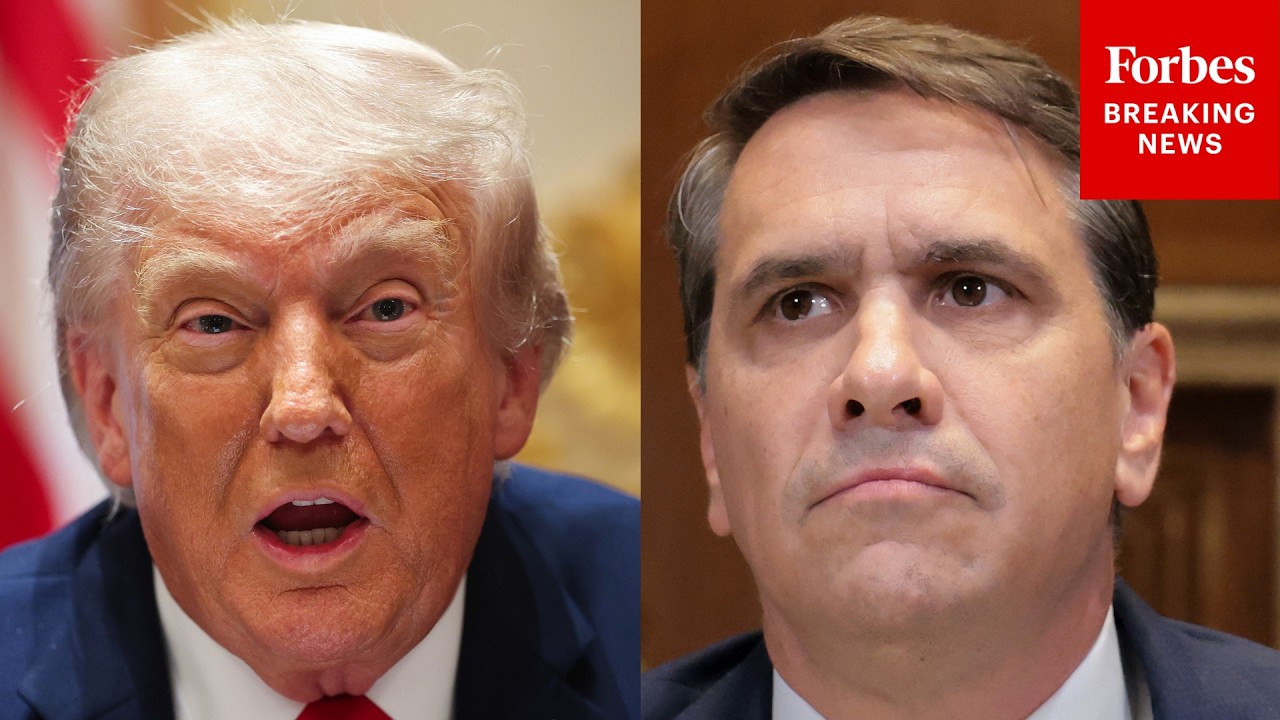
A rare public display of tension between the United States and Israel has emerged amid ongoing diplomatic efforts involving Iran, with President Donald Trump reportedly describing Israeli Prime Minister Benjamin Netanyahu as a “very difficult guy” while defending his administration’s approach toward Tehran.
According to a report on Sunday at VIN News, Trump made the remarks during an interview with The New York Times, where he sought to justify an emerging understanding between Washington and Iran that has generated significant concern among Israeli officials and security analysts.
The comments represent one of the most candid public critiques Trump has directed toward Netanyahu since returning to the White House and underscore what appears to be a widening strategic divergence between Washington and Jerusalem regarding the future of Iran’s nuclear program and the broader security architecture of the Middle East.
According to the VIN News report, Trump argued that his administration’s diplomatic initiative is fundamentally designed to prevent Iran from obtaining a nuclear weapon, insisting that the approach ultimately serves Israel’s long-term interests despite objections from Netanyahu and other Israeli leaders.
The president’s remarks arrive at a particularly consequential moment in regional diplomacy, as policymakers, intelligence officials, and military planners throughout the Middle East closely monitor developments surrounding negotiations with the Islamic Republic.
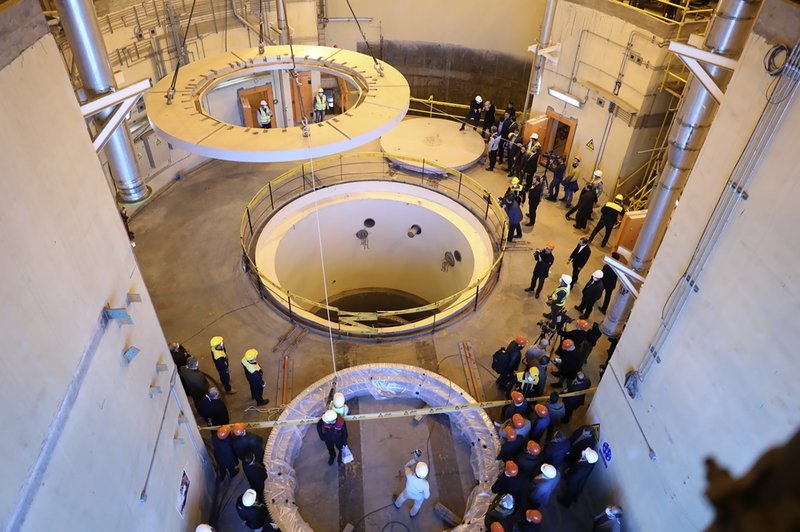
For years, Iran’s nuclear ambitions have represented one of the most contentious issues in international affairs. Successive American administrations, Israeli governments, European powers, and regional actors have debated the proper balance between diplomacy, economic pressure, deterrence, and military preparedness in addressing Tehran’s nuclear activities.
According to the VIN News report, Trump remains convinced that diplomacy can achieve meaningful results while preserving the option of military action should negotiations ultimately collapse.
The president reportedly emphasized that military measures remain available if Iran fails to honor commitments or if negotiations toward a comprehensive agreement break down.
That dual-track approach—combining diplomatic engagement with the implicit threat of force—has become a recurring feature of Trump’s foreign policy strategy.
Yet the reported comments also highlight a significant difference in perspective between Washington and Jerusalem.
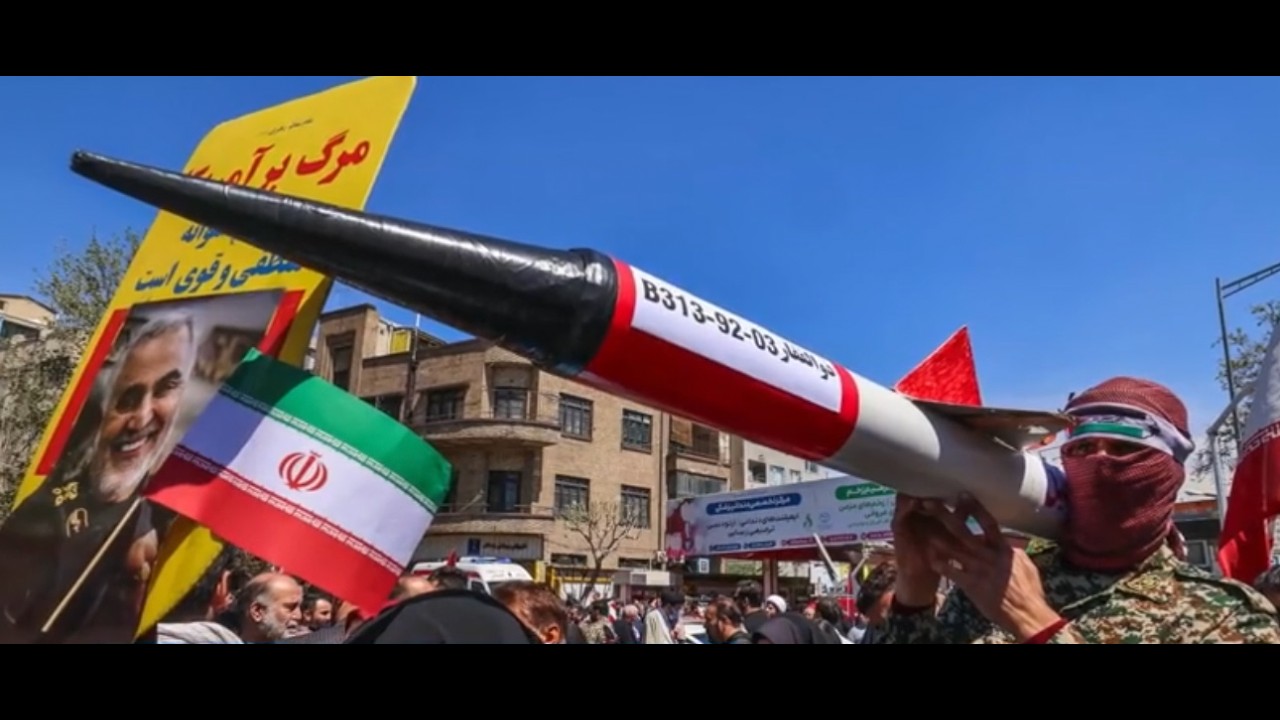
Israeli officials have consistently maintained that any agreement involving Iran must permanently and verifiably prevent Tehran from developing nuclear weapons capabilities. Israeli policymakers have also argued that negotiations cannot be limited solely to nuclear matters but must address broader security concerns, including ballistic missile development, regional military activity, and support for proxy organizations throughout the Middle East.
According to the VIN News report, those concerns have fueled growing unease within Israeli political and security circles regarding the trajectory of current diplomatic efforts.
For Israel, the Iranian challenge extends beyond enrichment levels and nuclear inspections. Israeli officials have repeatedly described Tehran’s regional influence network as an integral component of the broader threat landscape confronting the Jewish state.
Consequently, any diplomatic framework perceived as addressing only part of the challenge is likely to encounter skepticism among Israeli decision-makers.
Trump’s characterization of Netanyahu as a “very difficult guy” therefore carries significance beyond personal chemistry. Throughout much of their political careers, Trump and Netanyahu were widely viewed as close allies who shared similar perspectives on numerous regional issues. Their cooperation during Trump’s first administration included high-profile policy initiatives that fundamentally altered the diplomatic landscape of the Middle East.
As a result, public disagreements between the two leaders inevitably attract substantial attention.
Trump nevertheless argued that the current diplomatic effort should be viewed through the lens of regional stability rather than political disagreement. The president reportedly expressed confidence that continued negotiations could produce a more secure Middle East while reducing the likelihood of future military confrontation.
Such optimism, however, stands in contrast to concerns voiced by many Israeli officials who remain wary of Tehran’s intentions. The debate reflects a broader philosophical divide that has long characterized discussions about Iran.
One school of thought maintains that sustained diplomacy, economic incentives, and international monitoring mechanisms can effectively constrain Iranian nuclear ambitions while avoiding war. Another perspective argues that Tehran has historically used negotiations to gain time, reduce international pressure, and preserve strategic capabilities.
These competing viewpoints continue to shape policy discussions in capitals across the globe. VIN News reported that Trump’s comments come as negotiators attempt to advance a framework that supporters believe could serve as the foundation for a more comprehensive arrangement in the future.
Whether such efforts ultimately succeed remains uncertain. International diplomacy involving Iran has historically been marked by periods of progress followed by setbacks, with disagreements frequently emerging over verification procedures, enforcement mechanisms, sanctions relief, and compliance requirements.
The current negotiations are unfolding against an especially volatile regional backdrop.
Recent military confrontations, proxy conflicts, maritime disputes, and economic pressures have contributed to a climate of heightened uncertainty throughout the Middle East. In that environment, even relatively modest diplomatic developments can carry substantial geopolitical implications.
According to the VIN News report, Trump remains convinced that engagement with Tehran offers the best opportunity to prevent nuclear proliferation while reducing the risk of broader conflict.
At the same time, the president’s warning that military action could resume if negotiations fail underscores the fragile nature of the diplomatic process. For investors, diplomats, military planners, and regional governments, the stakes could hardly be higher.
The future direction of U.S.-Iran relations will influence energy markets, regional alliances, defense planning, and the strategic calculations of numerous countries throughout the Middle East and beyond. The reported disagreement between Trump and Netanyahu therefore represents more than a personal dispute between two veteran political leaders. Rather, it reflects fundamental questions regarding how best to confront one of the most enduring and consequential security challenges of the modern era.
Israeli leaders continue to insist that any final arrangement must eliminate the possibility of a nuclear-armed Iran and address wider regional threats. Trump, meanwhile, appears to believe that diplomacy remains capable of achieving those objectives while avoiding another military conflict in an already turbulent region.
As negotiations continue and policymakers assess the implications of emerging agreements, the relationship between Washington and Jerusalem may face additional tests. Yet despite the apparent tensions, both nations continue to share a stated commitment to preventing Iran from obtaining nuclear weapons and preserving regional security.
Whether diplomacy can bridge the gap between those shared objectives and differing strategic approaches remains one of the defining questions confronting the Middle East today.
For now, according to VIN News, Trump’s unusually blunt assessment of Netanyahu and his vigorous defense of engagement with Iran have brought those differences into public view, highlighting the complex and often delicate balance between alliance management, diplomacy, and national security in an increasingly uncertain world.



