



















By Jared Evan
Trump’s Iran Deal Under Scrutiny as Critics Draw Comparisons to Obama’s Nuclear Accord
(Jewish Voice News) President Donald Trump’s emerging nuclear and peace framework with Iran is drawing increasing comparisons to the 2015 Obama-era Joint Comprehensive Plan of Action (JCPOA), with supporters arguing it offers stronger safeguards while critics contend it may ultimately provide Tehran with benefits that rival—or even exceed—those granted under the original agreement.
According to Bloomberg, questions are mounting over whether the Trump administration’s proposed deal can achieve its stated goal of preventing Iran from developing a nuclear weapon while avoiding some of the shortcomings critics associated with the Obama agreement.
The debate comes as Washington and Tehran prepare for what could be a pivotal 60-day negotiation period following a ceasefire and preliminary memorandum of understanding designed to reduce tensions after months of conflict. Reuters reported that the framework would temporarily reopen the Strait of Hormuz and create a path toward broader negotiations over Iran’s nuclear program and regional activities.
What Made the Obama Deal Different?
The Obama administration’s 2015 JCPOA placed limits on Iran’s uranium enrichment, reduced stockpiles of enriched uranium, and subjected Iranian facilities to international inspections in exchange for sanctions relief.
Supporters argued the agreement significantly delayed Iran’s ability to produce a nuclear weapon and provided unprecedented monitoring of its nuclear facilities. Opponents, including Trump, argued the deal merely delayed Iran’s nuclear ambitions while providing billions of dollars in sanctions relief that could be used to support Tehran’s regional influence.
Trump withdrew the United States from the JCPOA in 2018, calling it a “one-sided” agreement and launching a “maximum pressure” sanctions campaign against Iran.
Why Some Analysts Say Trump’s Deal May Resemble Obama’s
Bloomberg reported that some analysts see similarities between the emerging Trump framework and the Obama-era accord, particularly if sanctions relief becomes a major incentive for Tehran.
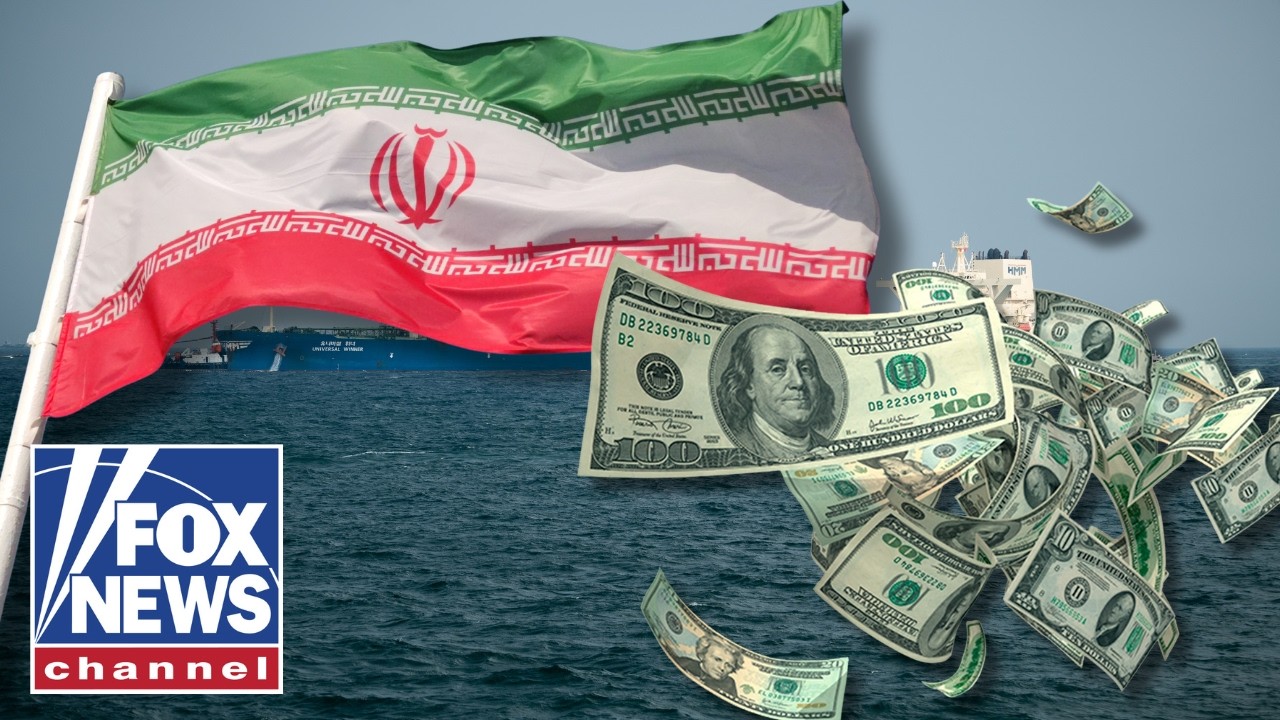
Under the current proposal, Iran could potentially regain access to significant oil revenue if negotiations progress. Axios reported that the framework may allow Iran to sell oil during the 60-day negotiating window and could eventually unlock broader sanctions relief if a final agreement is reached. Critics argue these economic incentives resemble key aspects of the JCPOA.
A major point of contention involves reports of a possible $300 billion reconstruction and development fund tied to a final agreement. Supporters view the fund as a performance-based incentive designed to encourage compliance, while critics argue it could provide Tehran with substantial economic benefits. Reuters and Axios both reported that details remain under negotiation and no final agreement has yet been signed.
Supporters Say Trump Has More Leverage
Backers of the Trump administration’s approach argue the current negotiations are taking place under dramatically different circumstances than those that existed in 2015.
Unlike the Obama administration, Trump entered talks after years of sanctions pressure and following a military campaign that significantly weakened Iran’s missile infrastructure and military capabilities, according to Reuters. Supporters contend that Tehran is negotiating from a weaker position than it did during the JCPOA talks.
They also point to Trump’s insistence that Iran can never obtain a nuclear weapon and argue that any final deal would require stricter compliance mechanisms than the Obama agreement.
Critics Warn Iran Could Gain Strategic Advantages
Not everyone is convinced.
The New York Post reported that analysts at the Institute for the Study of War warned portions of the draft agreement could leave Iran in a stronger strategic position if economic relief arrives before major concessions are secured. Critics have also expressed concern that some provisions remain vague regarding enforcement mechanisms and Iran’s future nuclear activities.
Additional criticism has emerged from conservative commentators and lawmakers who argue that any agreement allowing sanctions relief before permanent nuclear restrictions are implemented risks repeating mistakes they associate with the Obama-era deal.
The Key Question: Better Than Obama’s Deal?
At this stage, the answer remains unclear.
The Obama administration’s agreement was a finalized, detailed accord that included specific nuclear restrictions and inspection provisions. Trump’s framework, by contrast, remains under negotiation, with many of its most important provisions yet to be finalized.
Whether the Trump administration ultimately delivers a tougher agreement—or one that resembles aspects of the deal Trump abandoned eight years ago—will likely depend on the final terms governing uranium enrichment, inspections, sanctions relief, and enforcement mechanisms.
For now, the comparison between the two agreements is becoming one of the central foreign policy debates in Washington as negotiators race to transform a temporary framework into a permanent accord. Reuters reported that the next 60 days could determine whether the current ceasefire evolves into a comprehensive nuclear and security agreement or becomes another chapter in the long-running dispute over Iran’s nuclear ambitions.



