















By: Fern Sidman
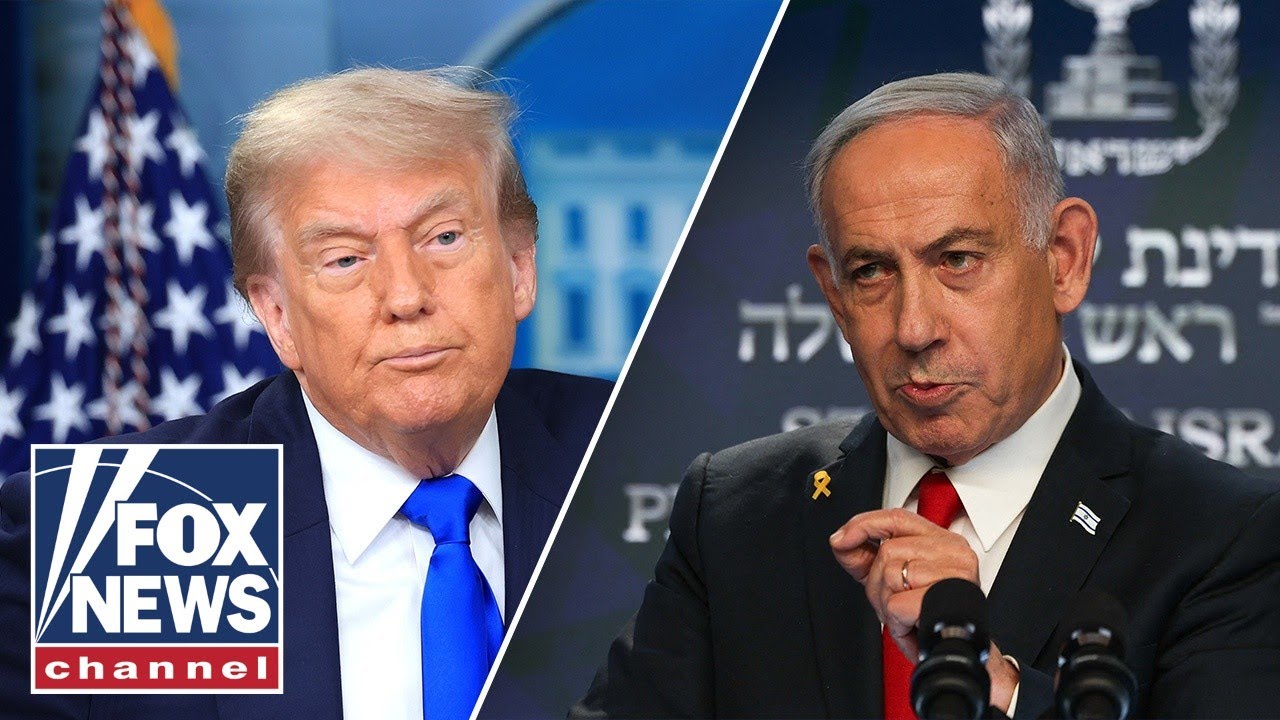
As debate intensifies over the Trump administration’s emerging diplomatic framework with Iran, new reports suggest that significant divisions have surfaced within the highest levels of the United States government, with several senior national security officials allegedly expressing deep reservations about the agreement and its long-term implications.
According to a report on Tuesday by The Daily Express US, President Trump is weighing the future of certain administration officials who opposed the agreement, a development that has fueled speculation about internal tensions regarding one of the most consequential foreign-policy initiatives of his presidency.
The reported disagreements center on the administration’s memorandum of understanding with Iran, an arrangement designed to establish a pathway toward broader negotiations concerning Tehran’s nuclear activities while simultaneously addressing maritime commerce and regional stability.
As details of the framework continue to emerge, questions surrounding enforcement mechanisms, sanctions policy, Iran’s intentions, and the role of Congress have become focal points of an increasingly intense debate.
According to The Daily Express US report, sources familiar with discussions inside the administration indicated that some senior officials raised concerns about the agreement during internal deliberations.
Those reports suggest that certain members of the president’s national security team questioned whether Iran’s public commitments accurately reflected its private intentions.
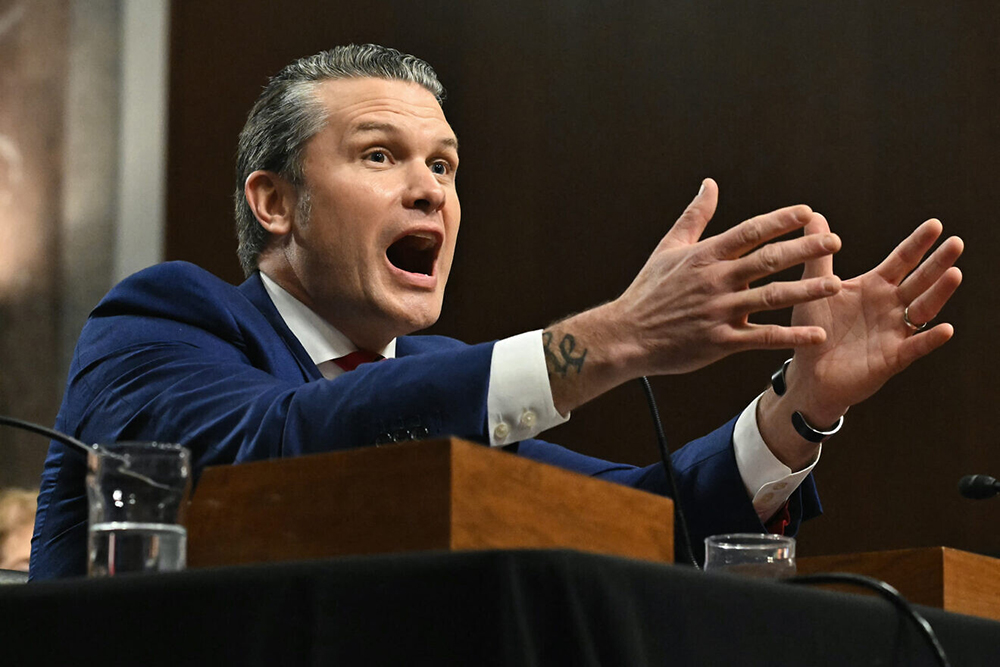
One source cited by Israel Hayom reportedly stated, “The debate has been settled. Anyone who opposed it could pay a personal price.” The Daily Express US reported that officials allegedly discussed as potential targets of presidential dissatisfaction included senior national security figures such as Defense Secretary Pete Hegseth and CIA Director John Ratcliffe.
While no official announcement regarding personnel changes has been made, the reports have intensified scrutiny surrounding the administration’s internal policy deliberations.
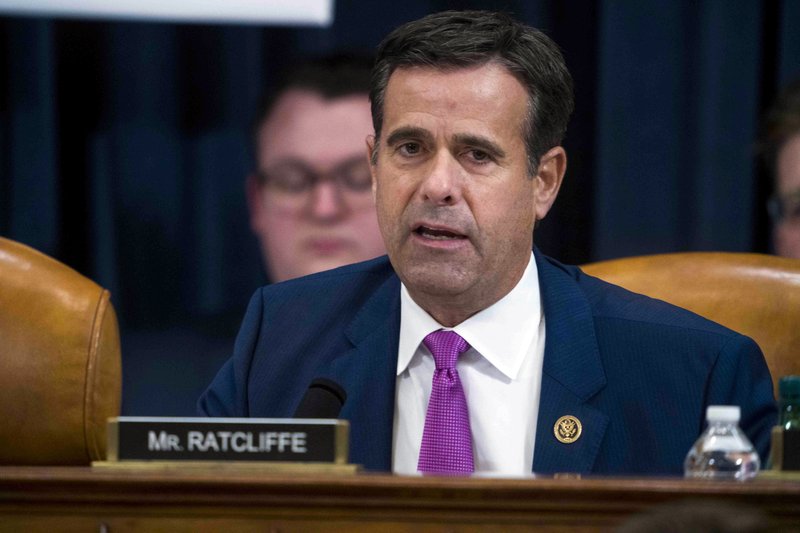
At the center of the controversy are reported intelligence assessments presented to the president by CIA Director John Ratcliffe.
According to reporting referenced by The Daily Express US, Ratcliffe briefed Trump and senior administration officials regarding intelligence suggesting that Iranian leaders may have been discussing the agreement internally in ways that differed from their public statements.
According to an Axios report, Ratcliffe warned that “the intelligence reflects that the Iranian intentions are not in line with their commitments under the deal.” That assessment reportedly became a significant point of discussion during high-level policy meetings.
The Daily Express US report noted that concerns surrounding Iranian compliance have historically represented one of the most contentious issues in any negotiation involving Tehran. For decades, American policymakers across multiple administrations have wrestled with questions about verification, transparency, and enforcement regarding Iran’s nuclear ambitions.
The reported intelligence briefing appears to have revived many of those longstanding concerns.
According to The Daily Express US report, Secretary of Defense Pete Hegseth and Secretary of State Marco Rubio were among those who reportedly expressed caution regarding the agreement. Reports cited by the publication indicate that both officials raised questions about whether Tehran would ultimately comply with key obligations. Specifically, concerns reportedly focused on whether Iran would genuinely dismantle existing enriched uranium stockpiles and refrain from future enrichment activities.
According to reporting from The Independent referenced by The Daily Express US, both officials conveyed those concerns directly to President Trump during Oval Office discussions. The publication noted that Rubio has maintained a more measured public posture regarding the agreement than some of his colleagues.
While reportedly sharing concerns about Iranian compliance, Rubio has largely avoided direct criticism of the president’s diplomatic initiative. Observers view that approach as reflecting both policy caution and political discipline within an administration navigating a highly sensitive foreign-policy challenge.
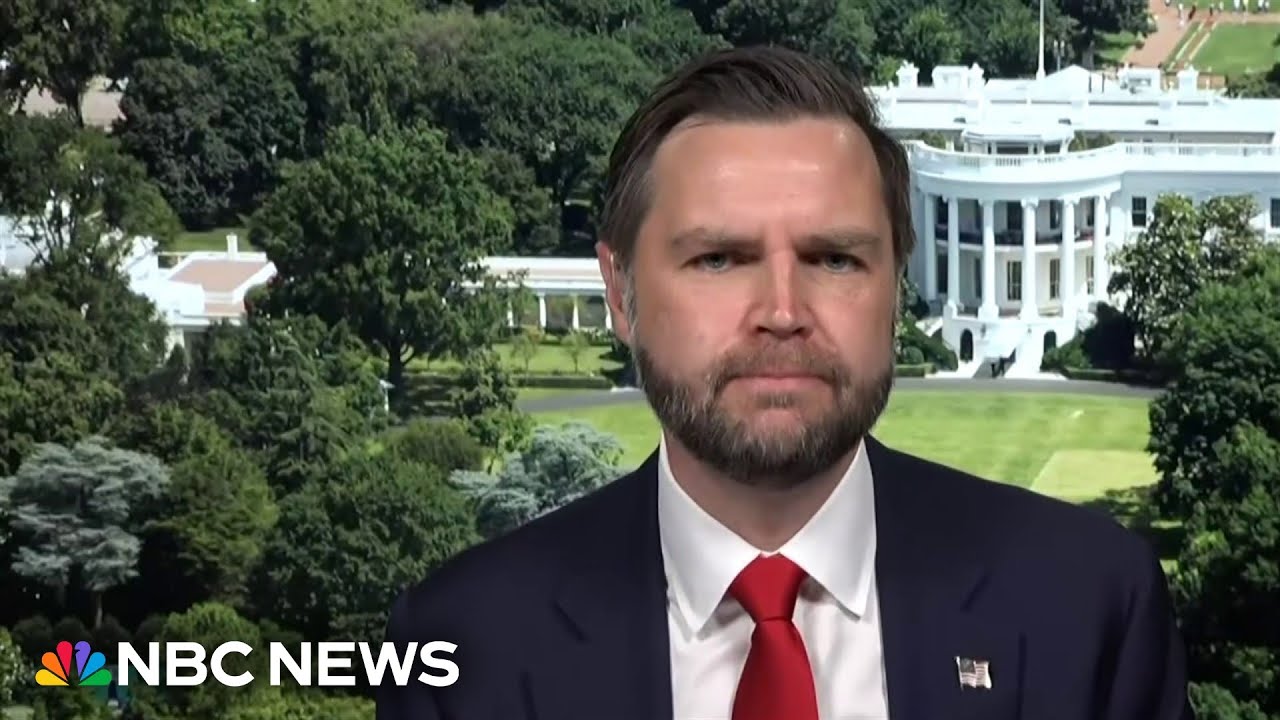
The Daily Express US reported that the debate inside the administration reflects fundamentally different assessments regarding Iran’s trajectory and the most effective means of influencing its behavior. Vice President JD Vance, special envoy Steve Witkoff, and Jared Kushner reportedly emerged as leading advocates for the agreement.
According to reports cited by The Daily Express US, supporters of the framework argued that expectations of imminent regime collapse were unrealistic. Instead, they reportedly maintained that diplomatic engagement offered the most practical path toward limiting nuclear risks while reducing the likelihood of broader regional conflict. The publication noted that proponents also pointed to pressure from Gulf nations seeking stability and economic predictability throughout the region.
According to these arguments, a diplomatic framework could provide a mechanism for managing tensions while preserving leverage during future negotiations.
Opponents within the administration reportedly advanced a very different analysis. The Daily Express US cited reports indicating that Hegseth, Rubio, and other officials within the Defense and State Departments argued that Iran was already experiencing significant pressure from sanctions and economic deterioration. According to reporting referenced from the Mirror U.S., these officials believed that maintaining or increasing pressure could eventually compel Tehran to make more substantial concessions. Some reportedly argued that continued economic isolation could force the regime into a position of strategic weakness. Others believed that sanctions represented one of Washington’s most powerful negotiating tools and should not be relinquished prematurely.
The disagreement ultimately reflects a broader foreign-policy question that has shaped American policy toward Iran for decades: whether diplomacy or pressure offers the most effective route toward preventing nuclear proliferation and curbing regional destabilization.
The Daily Express US also reported that Treasury Secretary Scott Bessent urged caution regarding sanctions relief. According to accounts cited by the publication, Bessent warned that once sanctions are lifted, restoring them could prove politically and diplomatically difficult. That concern has long occupied policymakers involved in sanctions regimes.
Critics frequently argue that economic pressure represents leverage that should be surrendered only after measurable compliance has been demonstrated. Supporters of diplomatic engagement counter that sanctions relief often serves as an essential incentive for negotiations.
According to The Daily Express US report, the debate became particularly relevant because reopening maritime commerce through the Strait of Hormuz could require at least some degree of sanctions adjustment. The strategic waterway remains one of the most important energy corridors in the world, and any changes affecting its operation carry significant implications for global markets.
The controversy has also attracted attention on Capitol Hill. According to the report in The Daily Express US, South Carolina Senator Lindsey Graham expressed cautious interest in the agreement while simultaneously warning that critical questions remain unanswered. “I am pleased to hear the memorandum of understanding with Iran to allow the Strait of Hormuz to open has been agreed to,” Graham stated.
However, he quickly added a note of caution. “I will be watching closely the ensuing negotiations regarding Iran’s nuclear program and other matters,” he said. The South Carolina senator emphasized concerns about differing interpretations of the agreement. “I am somewhat concerned that Iran’s view of the agreement seems different than what the American negotiating team is claiming,” Graham stated.
Those remarks echo broader concerns voiced by analysts who argue that ambiguity surrounding implementation often creates complications during subsequent negotiation phases.
Graham also highlighted the constitutional and legislative dimensions of any future agreement. “Under our law, any nuclear deal with Iran will be sent to Congress for review and a vote,” he stated.
That declaration underscores the likelihood that any comprehensive agreement emerging from future negotiations will face intense scrutiny from lawmakers. Congressional review could become one of the most consequential stages of the process, particularly if questions remain regarding verification procedures, sanctions relief, or enforcement mechanisms.
Graham further argued that key architects of the agreement should participate directly in explaining its provisions. “I look forward to reviewing the final product, and I believe it is imperative that the architect of the deal, Vice President Vance, and his negotiating partners be part of the process in presenting the final deal to Congress,” he said.
The Daily Express US reported that the administration’s diplomatic initiative has increasingly become both a foreign-policy challenge and a political test. Supporters portray the agreement as a pragmatic effort to reduce tensions and establish a framework for addressing longstanding disputes. Critics argue that insufficient safeguards could create opportunities for Iranian noncompliance while diminishing American leverage.
Meanwhile, reports of internal disagreements have intensified public interest in the administration’s decision-making process. Whether those disagreements ultimately result in personnel changes remains unclear. What is evident, however, is that the emerging agreement has exposed significant differences among some of the most influential figures in the administration.
As negotiations continue and additional details become available, the debate surrounding the agreement is likely to intensify. Questions regarding Iranian intentions, sanctions policy, nuclear safeguards, congressional oversight, and regional security remain unresolved. The Daily Express US has reported extensively on the evolving controversy, highlighting both the strategic ambitions behind the framework and the skepticism expressed by some senior officials.
The coming weeks may prove decisive. If negotiations advance successfully, supporters will likely point to diplomacy as a viable path toward reducing nuclear risks and stabilizing regional tensions. If doubts regarding compliance and enforcement persist, critics will argue that the concerns raised by intelligence officials, defense leaders, and congressional voices were justified.
For now, the administration finds itself balancing diplomatic aspirations against strategic uncertainty, while navigating one of the most consequential foreign-policy debates of the modern era. A widening debate appears to be unfolding within the uppermost echelons of the Trump administration as reports continue to surface regarding internal disagreements over the president’s emerging agreement with Iran, a diplomatic initiative intended to curb Tehran’s nuclear ambitions while establishing a framework for broader negotiations in the months ahead.



