















John Bolton Blasts U.S.-Iran Accord, Warns Washington May Have Surrendered Critical Strategic Leverage
By: Fern Sidman
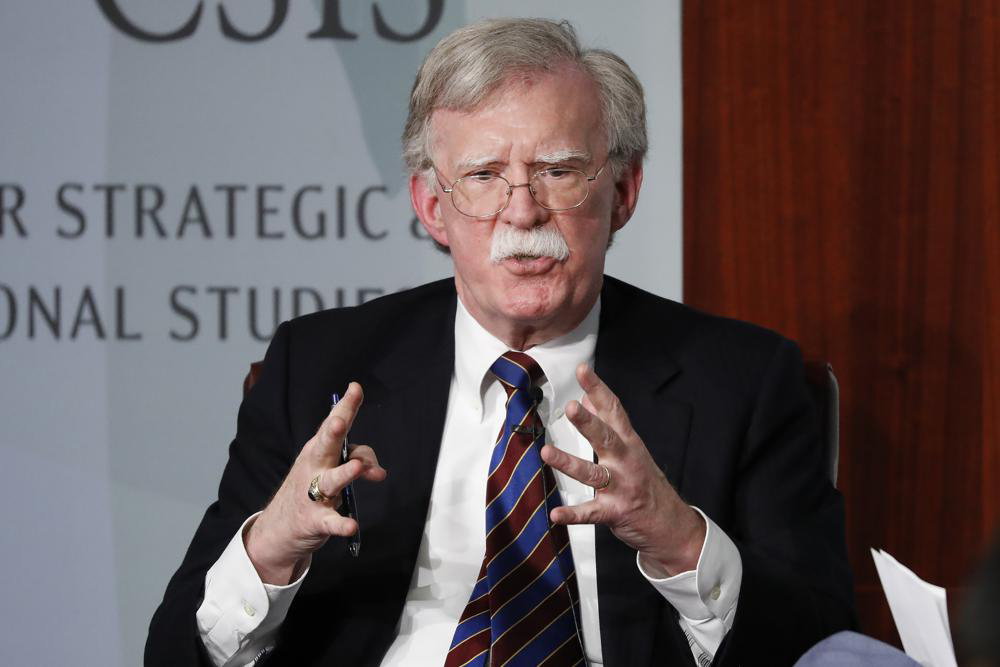
Former United States National Security Adviser John Bolton has emerged as one of the most prominent critics of the Trump administration’s memorandum of understanding with Iran, arguing that the emerging framework risks sacrificing valuable American leverage while providing Tehran with concessions that could ultimately undermine long-term strategic objectives.
Bolton’s sharply worded criticism has added a significant voice to an increasingly contentious debate unfolding in Washington as policymakers, foreign policy experts, lawmakers, and political commentators assess the implications of what could become one of the most consequential diplomatic initiatives of President Trump’s second term.
Speaking in an interview with Euronews, Bolton contended that the administration’s negotiating strategy appears to have been driven primarily by economic concerns rather than broader geopolitical considerations, particularly a desire to stabilize global energy markets and reduce fuel costs for consumers.
According to Bolton, that approach may have come at a substantial strategic price. “The administration appears to have prioritized immediate economic relief over longer-term geopolitical objectives,” Bolton argued, suggesting that the reported framework grants Iran benefits that Washington should have used as bargaining chips to secure more substantial concessions.
His remarks come as reports indicate that a memorandum of understanding between the United States and Iran could soon be formally signed in Switzerland, pending final approval from the parties involved.
Although the full text of the agreement has not been publicly released, various reports suggest that the framework addresses issues ranging from regional security and sanctions relief to maritime navigation and future negotiations concerning Iran’s nuclear program.
The White House has not publicly released the complete document, and Iranian officials have similarly refrained from providing a detailed public explanation of the agreement’s contents. That lack of transparency has become a central point of contention among critics.
Bolton, who has long advocated a hard-line approach toward Tehran, argued that any agreement involving sanctions relief or economic concessions must be carefully scrutinized to ensure that the United States does not surrender leverage without receiving meaningful and verifiable commitments in return.
For years, Bolton has been among the most outspoken advocates of maintaining maximum pressure on the Iranian government.
During his tenure as National Security Adviser, he frequently supported aggressive economic sanctions and advocated policies designed to constrain Iran’s regional influence and strategic capabilities.
Consequently, his criticism of the reported memorandum is consistent with positions he has maintained for much of his public career. According to Bolton, the reported framework appears to invert the traditional logic of diplomatic negotiations.
Rather than extracting significant concessions before offering economic relief, he suggested that the United States may be providing incentives too early in the process. The concern centers on the issue of leverage.
In international diplomacy, economic sanctions, frozen assets, trade restrictions, and financial penalties often serve as tools designed to influence the behavior of foreign governments. Once such restrictions are lifted, restoring them can prove politically and diplomatically difficult.
Bolton argued that this reality should have compelled negotiators to proceed with greater caution. His criticism reflects a broader debate currently taking place within American foreign policy circles. Supporters of the reported agreement contend that diplomacy represents the most effective path toward reducing tensions and preventing future conflict. They argue that after months of heightened instability, military confrontations, and economic disruption, establishing a framework for dialogue serves the interests of both regional security and global economic stability.
Advocates of the agreement point to the potential reopening of maritime trade routes, reduced risks of military escalation, and opportunities for future negotiations as evidence that engagement may produce better outcomes than continued confrontation.
From their perspective, the memorandum could create a foundation for addressing longstanding disputes through diplomatic channels rather than military force.
Critics, however, view the situation differently.
They contend that easing economic pressure prematurely could weaken Washington’s negotiating position while enabling Tehran to secure financial benefits without fundamentally altering its behavior.
Bolton’s comments place him firmly within that camp. His skepticism also reflects concerns that have been voiced by other prominent Republican figures in recent days.
A number of conservatives have questioned whether sanctions relief, asset releases, or economic concessions should occur before more comprehensive agreements are reached regarding nuclear activities, regional security issues, and other strategic concerns.
The debate has become increasingly significant because of the broader political implications surrounding the reported accord.
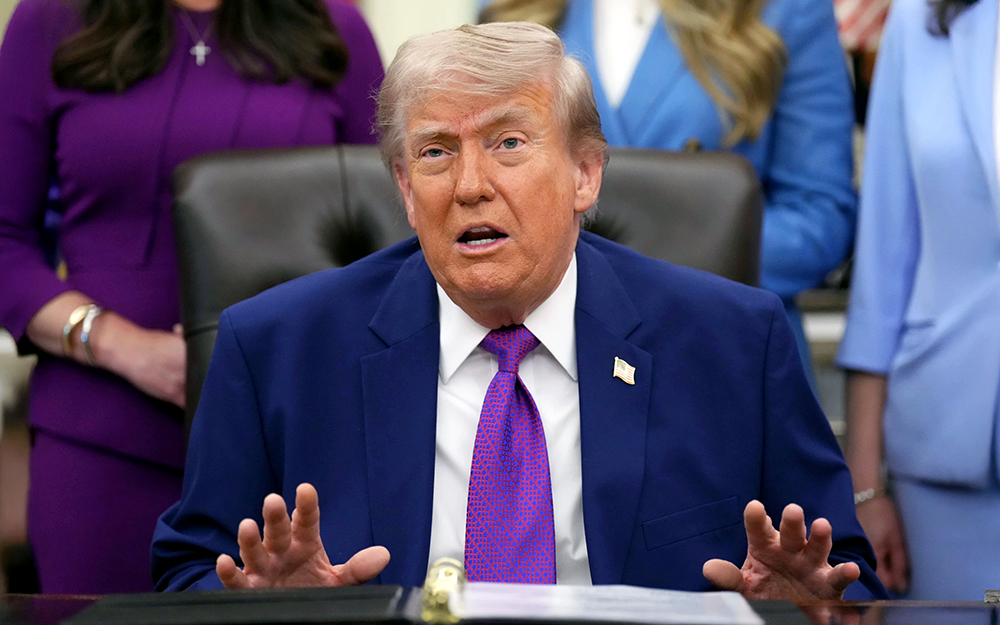
President Trump has portrayed the framework as evidence of effective leadership and diplomatic success. According to administration supporters, the agreement demonstrates that firm pressure combined with strategic negotiation can achieve results that years of confrontation failed to produce.
The president has reportedly emphasized the economic benefits associated with reducing tensions, including potential declines in energy prices and improvements in global trade flows. Those arguments are expected to become a central component of the administration’s public messaging campaign as officials seek to build support for the agreement.
Yet Bolton’s intervention highlights the challenges facing that effort.
Unlike critics from opposing political parties, Bolton speaks from within the broader conservative and Republican foreign policy tradition. His objections therefore carry particular weight among policymakers who generally support strong national security policies and robust American engagement abroad. The former national security adviser has repeatedly warned against what he views as excessive optimism in dealings with Tehran.
His latest comments suggest he remains unconvinced that the reported memorandum adequately protects American interests. The controversy is further intensified by the absence of comprehensive public information.
Without access to the complete text, analysts are largely evaluating the agreement based on reported provisions, anonymous briefings, and partial disclosures.
This environment has inevitably produced competing interpretations. Supporters emphasize potential benefits. Critics emphasize potential risks. Both sides acknowledge that many important details remain unknown.
That uncertainty has fueled speculation regarding the ultimate structure of the agreement and the concessions each side may have agreed to make. Bolton specifically focused on what he described as a potential imbalance in the negotiating process.
According to his assessment, Iran may have succeeded in securing favorable terms while the United States surrendered valuable negotiating tools that could have been preserved for future discussions. Whether that assessment ultimately proves accurate may depend upon provisions that have not yet been publicly disclosed.
The White House has not responded publicly to Bolton’s latest remarks. Similarly, Iranian officials have not addressed his criticisms. As a result, there has been no direct rebuttal to his claims from either government. That silence has done little to diminish interest in the debate.
Indeed, the controversy surrounding the memorandum appears likely to intensify as additional information becomes available.
Members of Congress from both parties are expected to seek further clarification regarding the agreement’s contents. Foreign policy experts will continue analyzing the strategic implications. Regional allies will closely monitor developments to assess how the framework may affect security dynamics throughout the Middle East. Financial markets will evaluate potential consequences for energy prices, sanctions policy, and international trade.
Against this backdrop, Bolton’s criticism represents more than a disagreement over a single diplomatic initiative. It reflects a deeper philosophical divide regarding how the United States should approach adversarial governments.
One school of thought argues that sustained pressure creates leverage that should be preserved until substantial concessions are secured. Another contends that diplomacy often requires incremental confidence-building measures that create opportunities for broader agreements.
The reported U.S.-Iran memorandum now sits squarely at the center of that debate. Its supporters view it as a potentially important step toward de-escalation. Its critics view it as a possible surrender of strategic advantages painstakingly accumulated over years of economic and diplomatic pressure.
As negotiations continue and details emerge, the ultimate judgment on the agreement will depend not on the promises contained within the memorandum itself but on whether those promises are implemented, verified, and sustained over time.
Until then, Bolton’s warning is likely to remain a prominent feature of the national conversation surrounding one of the most consequential foreign policy developments currently confronting the United States.
Whether history ultimately validates his concerns or proves them unfounded remains a question that only future events can answer.



